In Watsonville, the quality of your water directly impacts your home comfort and the efficiency of your HVAC and plumbing systems. Our professional water treatment services are designed to address the specific mineral challenges found in our local supply, providing your household with cleaner, safer, and better-tasting water. From advanced whole-house water filtration to specialized hard water treatment, we ensure your home is protected from the damaging effects of scale and buildup. Investing…
Read more
Good to know: Whole-home systems are priced by water hardness and flow.
Cost is a typical U.S. range, not a quote. Climate = annual degree days (NOAA); population from the U.S. Census.
About Water Treatment in Watsonville
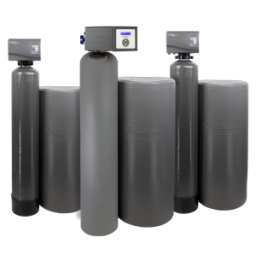
In Watsonville, the quality of your water directly impacts your home comfort and the efficiency of your HVAC and plumbing systems. Our professional water treatment services are designed to address the specific mineral challenges found in our local supply, providing your household with cleaner, safer, and better-tasting water. From advanced whole-house water filtration to specialized hard water treatment, we ensure your home is protected from the damaging effects of scale and buildup.
Investing in a high-quality water filtration system or a reliable water softener installation is about more than just taste; it is about preserving your home's infrastructure. By choosing the right water conditioner or reverse osmosis system, you can extend the life of your appliances, improve the efficiency of your water heaters, and enjoy the peace of mind that comes with professional-grade water quality solutions.
Climate Considerations
Watsonville’s variable climate, with summer highs averaging 80°F and winter lows around 50°F, places unique demands on your home’s systems. When water quality is poor, minerals like calcium and magnesium can accumulate inside your water heating-services" class="font-medium text-brand-blue hover:underline">heater and piping, forcing your equipment to work harder to maintain temperature. This reduced efficiency can lead to higher energy bills, especially during peak heating or cooling seasons when your systems are under the most stress.
Water Treatment Tips
Always hire a licensed and insured professional to ensure your water softener installation meets local plumbing codes.
Schedule regular water testing to determine if you need a specific solution for iron, chlorine, or heavy minerals.
Inspect your water heater annually for signs of limescale buildup, which can drastically reduce energy efficiency.
Replace filtration cartridges on schedule to maintain consistent water pressure and avoid strain on your home plumbing.
Consider a salt-free water softener if you want to prevent scale buildup without the environmental impact of traditional brine systems.
Frequently Asked Questions
What is the typical cost for a water softener or whole-house filtration system?
Costs vary based on the technology, system capacity, and installation complexity, so it is best to request a transparent, upfront price quote from a local, experienced technician.
What are the common signs of hard water in my home?
Look for white, chalky limescale buildup on faucets, soap scum in the shower, stiff laundry, and recurring plumbing clogs caused by mineral deposits.
Should I choose a water softener, a whole-house filter, or a reverse osmosis system?
Softeners target hardness minerals, whole-house filters remove sediment and chemicals like chlorine, and reverse osmosis is best for high-purity drinking water at a specific tap.
Why is it important to test my water before choosing a system?
Testing identifies specific contaminants like iron or bacteria, allowing you to tailor your treatment approach for well water versus municipal city water.
What kind of maintenance does a water treatment system require?
Most systems require periodic salt refills, annual filter cartridge replacements, and occasional system sanitization to keep them performing efficiently.
What are the health and taste benefits of treated water?
Treatment removes unpleasant odors, chlorine tastes, and potential contaminants, resulting in clearer, better-tasting water that is safer for drinking and cooking.
How do salt-based and salt-free water softeners differ?
Salt-based systems physically remove minerals through ion exchange, while salt-free conditioners use template-assisted crystallization to prevent scale from adhering to pipes.
Which contaminants can different water treatment methods remove?
Filtration systems can target sediment, volatile organic compounds, and chlorine, while specialized reverse osmosis units can remove heavy metals, fluoride, and dissolved solids.
How does treated water protect my water heater and fixtures?
By preventing limescale buildup, treated water keeps heating elements clean and pipes clear, which helps your water heater operate at peak efficiency and prevents leaks.
What is the typical lifespan and running cost of these systems?
A well-maintained, high-quality system can last 10 to 20 years, with ongoing costs primarily limited to salt, filter changes, and occasional professional service checks.
We use cookies for essential site functions, analytics and advertising. See our
Cookie Policy.