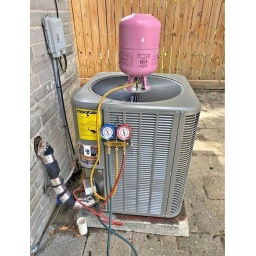
In West Covina, your home should be your sanctuary, but the air you breathe inside can often be more polluted than the air outside. From common allergens and dust to lingering cooking odors and pet dander, maintaining high indoor air quality is essential for your family's health and comfort. We specialize in comprehensive solutions that transform your home environment, ensuring every breath you take is clean, crisp, and refreshing. Our professional team understands that every home in the San…
Read more
Good to know: Filtration and UV systems help with allergies and dust.
Cost is a typical U.S. range, not a quote. Climate = annual degree days (NOAA); population from the U.S. Census.
About Indoor Air Quality in West Covina
In West Covina, your home should be your sanctuary, but the air you breathe inside can often be more polluted than the air outside. From common allergens and dust to lingering cooking odors and pet dander, maintaining high indoor air quality is essential for your family's health and comfort. We specialize in comprehensive solutions that transform your home environment, ensuring every breath you take is clean, crisp, and refreshing.
Our professional team understands that every home in the San Gabriel Valley has unique needs. Whether you are looking for whole-house air filtration, advanced UV air purifiers, or professional ventilation services, we provide the expertise to optimize your HVAC system. By integrating modern air purification technology, we help you manage dust, reduce allergy symptoms, and create a healthier living space year-round.
Climate Considerations
West Covina’s climate is characterized by significant variability, with hot, dry summers averaging 80.0°F and cooler winters dipping toward 50.0°F. This fluctuation often forces homeowners to keep windows tightly sealed for extended periods to maintain indoor temperatures, which can trap pollutants and lead to stale air buildup. Effective humidity control and consistent fresh air ventilation are critical to preventing mold growth and ensuring your HVAC system operates at peak energy efficiency throughout the year.
Indoor Air Quality Tips
Replace your HVAC air filter every 1-3 months, opting for a MERV 11 or 13 rating to capture smaller particulates without restricting airflow.
Schedule annual maintenance with a licensed and insured technician to inspect your ventilation ducts for mold and dust accumulation.
Use a dehumidifier during humid spells to prevent mold growth and a humidifier during dry winter months to protect your respiratory health.
Keep your home's air circulating by utilizing your HVAC fan setting or installing an ERV (Energy Recovery Ventilator) for consistent fresh air exchange.
Vacuum regularly with a HEPA-filter vacuum to reduce the amount of dust and pet dander that your HVAC system has to process.
Frequently Asked Questions
What are the common indoor air quality solutions and their typical costs?
Solutions range from high-efficiency media filters to whole-house air purifiers and UV light systems. Costs vary based on the technology and installation complexity; always request upfront pricing from a professional to understand the investment versus the benefit.
How does indoor air quality impact allergies and asthma?
Poor air quality caused by dust, pollen, and dander can significantly trigger asthma and allergy symptoms. Improving filtration and purification helps remove these irritants, leading to noticeable relief for sensitive individuals.
Which HVAC air filter (MERV/HEPA) should I use and how often?
A MERV 11 or 13 filter is generally recommended for residential use to balance filtration with airflow. Change these every 3 months, or more frequently if you have pets or smoke in the home.
How can I control humidity, mold, and dust using my HVAC system?
Maintaining proper humidity between 30-50% is key. We recommend using whole-house dehumidifiers and ensuring your HVAC system is properly sized and maintained to prevent stagnant moisture and dust buildup.
What is the difference between whole-house air purifiers and portable units?
Whole-house purifiers integrate directly into your HVAC system to treat every room simultaneously, whereas portable units are limited to a single space. Whole-house systems are generally more efficient for overall air quality management.
What are the tell-tale signs that my home has poor indoor air quality?
Look for excessive dust on surfaces, lingering odors, respiratory irritation, frequent headaches, or visible mold growth. If your home feels 'stuffy' even with the AC running, ventilation may be needed.
Are there specific IAQ solutions for pets, smoke, and cooking odors?
Yes, activated carbon filters are highly effective at absorbing gaseous odors, while high-efficiency air filtration systems are designed to capture pet dander and smoke particles.
Why is ventilation (ERV/HRV) important in a tightly sealed home?
Modern, energy-efficient homes are often airtight, which traps pollutants. An ERV or HRV provides a controlled way to exhaust stale indoor air and bring in filtered fresh air without losing energy efficiency.
How do HVAC UV lights work and what are their limitations?
UV lights are installed near the cooling coil to neutralize mold and bacteria growth. While effective at keeping coils clean, they do not replace the need for physical filtration to remove dust and debris.
How do I test my indoor air quality and what should I measure?
You can use professional air quality monitors to measure levels of VOCs, humidity, CO2, and particulate matter (PM2.5). A certified technician can provide a comprehensive assessment of your home's air health.
We use cookies for essential site functions, analytics and advertising. See our
Cookie Policy.