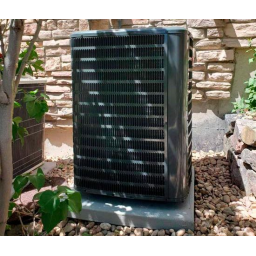
Running a business in Centennial, Colorado, requires a reliable climate control system to keep your employees comfortable and your customers happy. Whether you operate a retail storefront, a bustling restaurant, or a corporate office, a high-performing commercial HVAC system is the backbone of your daily operations. From routine commercial HVAC maintenance to complex rooftop unit (RTU) repairs, our goal is to ensure your building remains a productive environment regardless of the weather…
Read more
Good to know: Commercial jobs vary widely with system size and tonnage.
Cost is a typical U.S. range, not a quote. Climate = annual degree days (NOAA); population from the U.S. Census.
About Commercial HVAC in Centennial
Running a business in Centennial, Colorado, requires a reliable climate control system to keep your employees comfortable and your customers happy. Whether you operate a retail storefront, a bustling restaurant, or a corporate office, a high-performing commercial HVAC system is the backbone of your daily operations. From routine commercial HVAC maintenance to complex rooftop unit (RTU) repairs, our goal is to ensure your building remains a productive environment regardless of the weather outside.
Choosing the right commercial HVAC contractor is essential for long-term success. We understand the specific demands of the Centennial business community, offering expert commercial HVAC installation and repair services designed to maximize energy efficiency and reliability. By partnering with experienced professionals, you can protect your equipment investment and avoid the costly disruptions associated with unexpected system failures.
Climate Considerations
Centennial experiences a challenging mixed climate, featuring significant temperature swings that put immense stress on commercial air conditioning and heating systems. With average winter temperatures dropping to 25°F and summer highs averaging 72.5°F—often punctuated by extreme heatwaves or intense cold snaps—your equipment must be robust enough to handle rapid fluctuations. This variability makes professional, seasonal system checks vital to maintaining performance and preventing costly emergency repairs during the most demanding times of the year.
Commercial HVAC Tips
Schedule biannual preventive maintenance to catch minor wear and tear before it results in a system breakdown.
Change commercial air filters regularly to maintain airflow, improve indoor air quality, and lower energy bills.
Monitor your rooftop units (RTUs) for unusual noises or vibrations, which are often early warning signs of mechanical failure.
Ensure your building's zoning system is properly balanced to address hot or cold spots in high-occupancy areas like conference rooms or kitchens.
Always hire a licensed and insured technician to perform work on your HVAC system to ensure safety and code compliance.
Frequently Asked Questions
What factors influence the cost of commercial HVAC repair or replacement in Centennial?
Costs are determined by the complexity of the unit, the extent of the damage, the availability of parts, and the labor required. For replacements, the size of the building and the SEER rating of the new unit are primary cost drivers.
What does a typical commercial preventive maintenance contract include?
A standard contract typically includes seasonal inspections, coil cleaning, refrigerant level checks, filter replacements, electrical connection tightening, and lubrication of moving parts to ensure peak efficiency.
How do commercial rooftop units (RTUs) differ from residential systems?
RTUs are built for heavy-duty use, modularity, and outdoor exposure. While residential units are often split systems, RTUs house all components in one cabinet, generally lasting 15 to 20 years with proper care.
How can I minimize business downtime during an HVAC failure?
Prioritize a commercial HVAC service agreement that includes emergency response times. Regular maintenance also helps identify failing parts before they cause a total shutdown.
What should I consider regarding sizing and efficiency for my commercial space?
Proper sizing is critical; an oversized unit will short-cycle, leading to humidity issues and premature wear, while an undersized unit will struggle to meet demand. Consult a professional for a load calculation.
What are the early warning signs that a commercial HVAC system needs service?
Watch for rising energy bills, inconsistent temperatures throughout the building, strange odors, unusual noises, or water leaks around the unit base.
What should I look for when choosing a commercial HVAC contractor?
Look for a local, licensed, and insured company with experienced, NATE-certified technicians. Request references and ensure they offer transparent pricing and satisfaction guarantees.
Are there energy efficiency upgrades or rebates available for commercial HVAC?
Many utility providers offer rebates for upgrading to high-efficiency systems. Consult with your contractor about current local incentives and the long-term ROI of high-SEER equipment.
How can I improve comfort control in a multi-tenant commercial building?
Implementing a sophisticated building automation system or smart zoning controls allows you to manage different areas independently, optimizing comfort and reducing energy waste.
Is emergency, after-hours commercial HVAC service available?
Many professional contractors offer 24/7 emergency services to ensure that critical businesses like restaurants or data centers remain operational during unexpected system failures.
We use cookies for essential site functions, analytics and advertising. See our
Cookie Policy.