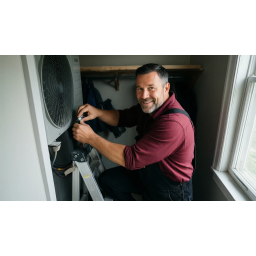
In the vibrant climate of Hialeah, your home should be a sanctuary from the heat and humidity. While most residents focus on cooling, true comfort relies on the air you breathe. Our indoor air quality services are designed to eliminate airborne pollutants, allergens, and excess moisture, ensuring your living space remains fresh and healthy throughout the year. Whether you are dealing with seasonal allergies, stale air, or concerns about mold, our professional solutions—including whole-house air…
Read more
Good to know: Filtration and UV systems help with allergies and dust.
Cost is a typical U.S. range, not a quote. Climate = annual degree days (NOAA); population from the U.S. Census.
About Indoor Air Quality in Hialeah
In the vibrant climate of Hialeah, your home should be a sanctuary from the heat and humidity. While most residents focus on cooling, true comfort relies on the air you breathe. Our indoor air quality services are designed to eliminate airborne pollutants, allergens, and excess moisture, ensuring your living space remains fresh and healthy throughout the year.
Whether you are dealing with seasonal allergies, stale air, or concerns about mold, our professional solutions—including whole-house air filtration and UV air purifiers—help you breathe easier. By integrating advanced air purification technology into your existing HVAC system, we help you maintain a cleaner, more comfortable home environment for your family.
Climate Considerations
Hialeah’s subtropical climate, with average summer temperatures of 87.5°F, creates a perfect breeding ground for humidity-related issues like mold and mildew. This heat necessitates constant air conditioning usage, which can trap pollutants inside if your home lacks proper ventilation services. During the milder winter months, averaging 62.5°F, air can still become stagnant, making effective whole-house air filtration essential for year-round comfort and health.
Indoor Air Quality Tips
Replace your HVAC air filter every 1 to 3 months, especially during peak cooling seasons, to ensure optimal airflow and capture dust.
Use a dehumidifier integrated with your HVAC system to maintain indoor humidity levels between 30% and 50% to prevent mold growth.
Consider installing a UV air purifier near your evaporator coil to neutralize biological contaminants like mold and bacteria.
Schedule annual maintenance with a licensed and insured technician to inspect your ductwork for leaks that allow pollutants to enter your home.
Invest in fresh air ventilation, such as an ERV system, to flush out stale indoor air without compromising your energy efficiency.
Frequently Asked Questions
What are the common indoor air quality solutions and their typical costs?
Solutions range from high-efficiency filters to whole-house purifiers and dehumidifiers. Costs vary significantly based on equipment type, home size, and installation complexity; always request upfront pricing from a licensed professional.
How does indoor air quality impact allergies and asthma?
Poor air quality caused by dust, pollen, and pet dander can trigger respiratory issues. Advanced filtration systems remove these particles, significantly reducing symptom flare-ups for sensitive individuals.
What is the best MERV rating for an HVAC air filter and how often should I change it?
A MERV 8 to 13 filter is ideal for most homes to balance filtration and airflow. Check it monthly and replace it every 90 days, or sooner if you have pets or allergies.
How can I control humidity, mold, and dust using my HVAC system?
Using a whole-house dehumidifier and maintaining proper airflow through clean ducts and high-efficiency filtration are the most effective ways to manage moisture and particulate buildup.
Are whole-house air purifiers better than portable units?
Yes, whole-house systems treat all air circulating through your HVAC ducts, offering comprehensive protection, whereas portable units are limited to single rooms.
What are the signs that my home has poor indoor air quality?
Common indicators include persistent dust, stale odors, increased allergy symptoms, visible mold growth, or a feeling of stuffiness even when the AC is running.
How can I improve air quality if I have pets or smoke indoors?
High-efficiency HEPA filtration and activated carbon filters are highly effective at neutralizing pet dander, hair and lingering odors from smoke or cooking.
Why do I need ventilation services like an ERV for a tightly sealed home?
Modern, energy-efficient homes are airtight, which traps pollutants. An Energy Recovery Ventilator (ERV) brings in fresh outdoor air while exhausting stale indoor air, maintaining efficiency.
Do HVAC UV lights really work to improve air quality?
Yes, UV lights are effective at killing mold and bacteria on the evaporator coil, which prevents these contaminants from being distributed throughout your home via the HVAC system.
How can I test my home's indoor air quality?
You can use professional-grade indoor air quality monitors to measure levels of volatile organic compounds (VOCs), humidity, and particulate matter (PM2.5) to identify specific issues.
We use cookies for essential site functions, analytics and advertising. See our
Cookie Policy.