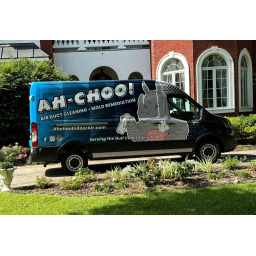
Living in the Crescent City means dealing with more than just the summer heat; it means managing the unique challenges of our humid subtropical environment. Your home should be a sanctuary, but without professional indoor air quality solutions, the air inside can often become more polluted than the air outside. From microscopic allergens to lingering odors, we help New Orleans homeowners breathe easier with comprehensive air purification and ventilation services. We specialize in holistic…
Read more
Good to know: Filtration and UV systems help with allergies and dust.
Cost is a typical U.S. range, not a quote. Climate = annual degree days (NOAA); population from the U.S. Census.
About Indoor Air Quality in New Orleans
Living in the Crescent City means dealing with more than just the summer heat; it means managing the unique challenges of our humid subtropical environment. Your home should be a sanctuary, but without professional indoor air quality solutions, the air inside can often become more polluted than the air outside. From microscopic allergens to lingering odors, we help New Orleans homeowners breathe easier with comprehensive air purification and ventilation services.
We specialize in holistic approaches to your home's health, including whole-house air filtration and advanced dehumidifier systems designed to combat our local moisture levels. By integrating high-performance HVAC air filter technology and UV air purifiers, we help you create a cleaner, safer, and more comfortable environment for your family year-round.
Climate Considerations
New Orleans faces a constant battle against high humidity, with average summer temperatures hovering around 85°F. This heavy moisture is the primary driver for mold growth and dust mite proliferation, making humidity control an essential component of any HVAC strategy. Proper ventilation services and dehumidification are not just for comfort; they are critical for maintaining the structural integrity of your home and protecting your health.
While our winters are milder at 55°F, the seasonal shifts still require a robust approach to indoor air quality. During periods when we rely on heating, homes are often sealed tight, trapping pollutants inside. Implementing fresh air ventilation, such as an ERV, ensures that your space remains fresh and free of stale air, regardless of the outdoor temperature or humidity index.
Indoor Air Quality Tips
Always hire a licensed and insured technician to evaluate your home's unique ventilation needs.
Choose the right HVAC air filter with an appropriate MERV rating to balance filtration efficiency and system airflow.
Prioritize dehumidifier installation to prevent mold growth, which is rampant in our humid New Orleans climate.
Schedule regular maintenance for your air purification systems to ensure they remain effective throughout the year.
Consider an ERV (Energy Recovery Ventilator) to bring in fresh air without compromising your energy efficiency during extreme temperatures.
Frequently Asked Questions
What are the most effective indoor air quality solutions for New Orleans homes and what do they cost?
Solutions range from high-efficiency media filters to whole-house dehumidifiers and UV purifiers. Costs vary significantly based on the equipment type and installation complexity; always request upfront pricing from a professional to understand your specific investment.
How does poor indoor air quality impact allergies and respiratory health?
Poor air quality can exacerbate asthma and allergy symptoms by circulating dust, pet dander, and mold spores. Improving filtration and humidity control can significantly reduce these triggers.
What is the best MERV rating for an HVAC air filter and how often should it be changed?
A MERV 8 to 13 rating is generally effective for residential homes. Change your filter every 1-3 months, or more frequently if you have pets or high dust levels in your home.
How can I effectively control indoor humidity, mold, and dust?
The most effective method is installing a whole-house dehumidifier integrated with your HVAC system, combined with regular duct cleaning and high-quality filtration to capture dust.
Are whole-house air purifiers better than portable units?
Yes, whole-house purifiers work with your existing HVAC system to treat the air in every room simultaneously, offering more consistent results than portable units that only cover a single area.
What are the common warning signs that my home has poor indoor air quality?
Common signs include excessive dust buildup, frequent headaches, respiratory irritation, lingering cooking odors, and visible mold growth in damp areas of the home.
Can I improve air quality if I have pets or notice smoke and cooking odors?
Yes, high-capacity air purifiers equipped with activated carbon filters are specifically designed to neutralize odors, volatile organic compounds (VOCs), and pet-related allergens.
Why would I need an ERV or HRV ventilation system?
In tightly sealed, energy-efficient homes, fresh air is limited. An ERV/HRV system exchanges stale indoor air for fresh outdoor air while recovering energy, keeping your home feeling fresh without wasting cooling or heating power.
How do HVAC UV lights work and what are their limitations?
UV lights are installed near the evaporator coil to kill mold and bacteria on the surface. While they are excellent for sanitizing coils, they are not a replacement for air filtration.
How can I test my home's indoor air quality and what metrics are measured?
Professional technicians use air quality monitors to test for particulate matter (PM2.5), volatile organic compounds (VOCs), humidity levels, and CO2 concentrations to provide a baseline for improvement.
We use cookies for essential site functions, analytics and advertising. See our
Cookie Policy.