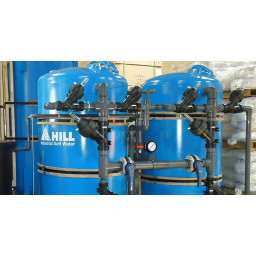
In Plymouth, Minnesota, the quality of your water is just as important as the efficiency of your HVAC system. Our professional water treatment services are designed to address the unique challenges of local water, ensuring that your home’s plumbing and appliances are protected from the harsh effects of mineral buildup. Whether you are dealing with persistent hard water or seeking a whole-house water filtration solution, our team provides the expertise you need for cleaner, safer water…
Read more
Good to know: Whole-home systems are priced by water hardness and flow.
Cost is a typical U.S. range, not a quote. Climate = annual degree days (NOAA); population from the U.S. Census.
About Water Treatment in Plymouth
In Plymouth, Minnesota, the quality of your water is just as important as the efficiency of your HVAC system. Our professional water treatment services are designed to address the unique challenges of local water, ensuring that your home’s plumbing and appliances are protected from the harsh effects of mineral buildup. Whether you are dealing with persistent hard water or seeking a whole-house water filtration solution, our team provides the expertise you need for cleaner, safer water throughout your property.
From high-performance water softener installation to advanced reverse osmosis systems, we offer comprehensive water treatment service tailored to your household's specific requirements. By choosing a trusted, licensed professional for your water filtration system, you can enjoy the peace of mind that comes with improved water quality, protecting your investment in your home’s infrastructure for years to come.
Climate Considerations
Plymouth’s extreme climate, ranging from 10°F in the winter to 72.5°F in the summer, places heavy demands on your home’s water systems. During the winter, cold temperatures can exacerbate the issues caused by mineral deposits, as hard water scaling inside your water heater reduces its energy efficiency and can lead to premature failure. Effective hard water treatment not only improves your daily comfort but also ensures your plumbing and heating systems operate at peak performance during our coldest months.
Water Treatment Tips
Schedule an annual water test to identify specific mineral content or contaminants in your Plymouth home.
Always hire a licensed and insured technician for water softener installation to ensure compliance with local codes.
Monitor your water heater for signs of limescale buildup, which often indicates that your water treatment system needs service.
Consider a whole-house water filtration system to protect both your plumbing fixtures and your high-efficiency appliances.
Check your water softener salt levels regularly during peak winter usage to maintain optimal system efficiency.
Frequently Asked Questions
How much does a water softener or filtration system typically cost?
Costs vary based on the technology, system capacity, and installation complexity, but professional, transparent pricing usually includes equipment, labor, and testing.
What are the common signs of hard water in my Plymouth home?
Look for white, chalky limescale on faucets, soap scum in your shower, stiff laundry, and reduced water pressure caused by mineral buildup in pipes.
Should I choose a water softener, a whole-house filter, or reverse osmosis?
A softener removes minerals, a filter addresses sediment and chemicals, and reverse osmosis provides high-purity drinking water; many homes benefit from a combination of these.
Why is testing my water quality before installation important?
Whether you use city or well water, testing identifies specific contaminants like iron or sulfur, allowing a professional to recommend the correct, targeted treatment solution.
What kind of maintenance does a water treatment system require?
Systems generally require periodic salt replenishment, filter cartridge replacements, and annual professional inspections to ensure sensors and valves are functioning correctly.
What are the main health and taste benefits of treated water?
Treating your water removes chlorine tastes, odors, and harmful contaminants, resulting in better-tasting water for drinking, cooking, and improved skin and hair health.
How do salt-based and salt-free softeners compare?
Salt-based systems physically remove minerals through ion exchange, while salt-free conditioners use template-assisted crystallization to prevent scale buildup without removing minerals.
What specific contaminants can different treatment methods remove?
Methods vary widely; reverse osmosis is excellent for dissolved solids and lead, while carbon filters are highly effective at removing chlorine and organic compounds.
How does treated water protect my water heater and plumbing fixtures?
By preventing limescale accumulation, treated water allows your water heater to heat more efficiently, reduces the risk of pipe corrosion, and extends the life of your faucets.
What is the typical lifespan and operating cost of these systems?
With professional installation and regular maintenance, most systems last 10 to 15 years, with ongoing costs primarily limited to salt, filter media, and minimal electricity.
We use cookies for essential site functions, analytics and advertising. See our
Cookie Policy.