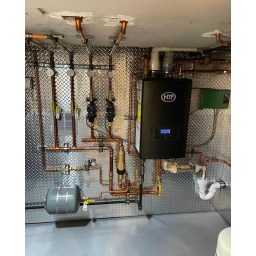
When you turn on the tap in your Buffalo home, you expect a steady, reliable stream of hot water—especially during our long, frigid winters. Whether you are dealing with a sudden lack of hot water, a leaking unit, or you are looking to upgrade to a modern, energy-efficient model, our expert water heater service is here to help. From traditional gas and electric water heaters to high-efficiency tankless systems, we provide the professional care your home needs. Choosing the right water heater…
Read more
Good to know: Tank units last 8–12 years; tankless can last 20+.
Cost is a typical U.S. range, not a quote. Climate = annual degree days (NOAA); population from the U.S. Census.
About Water Heaters in Buffalo
When you turn on the tap in your Buffalo home, you expect a steady, reliable stream of hot water—especially during our long, frigid winters. Whether you are dealing with a sudden lack of hot water, a leaking unit, or you are looking to upgrade to a modern, energy-efficient model, our expert water heater service is here to help. From traditional gas and electric water heaters to high-efficiency tankless systems, we provide the professional care your home needs.
Choosing the right water heater replacement or installation requires an understanding of your home's specific demands. Our experienced technicians specialize in professional water heater repair and installation, ensuring your system is sized correctly and installed safely. By choosing a licensed and insured local professional, you get peace of mind knowing your hot water heater will perform reliably throughout the year.
Climate Considerations
Buffalo’s climate presents unique challenges for your home’s plumbing and heating systems. With average winter temperatures dipping to 25°F, your water heater works significantly harder during the colder months to reach set temperatures compared to the milder summer days. This increased demand during the winter puts extra strain on internal components, making regular maintenance essential for preventing unexpected failures during a cold snap.
Furthermore, the variable nature of our weather means your water heater is constantly adjusting to incoming groundwater temperatures. An energy-efficient tankless water heater or a properly insulated traditional unit can provide significant energy savings, helping you manage lower energy bills while ensuring you never run out of hot water when the temperature drops.
Water Heaters Tips
Flush your water heater annually to remove sediment buildup, which can improve efficiency and extend the lifespan of your unit.
Inspect the anode rod every two years to prevent internal tank corrosion, especially if you have hard water in your area.
Always hire a licensed and insured professional for water heater installation to ensure safety and compliance with local building codes.
Lower your water heater thermostat to 120°F to save on energy costs and prevent accidental scalding.
If you notice rusty hot water or small puddles around the base, contact a local pro immediately for an inspection before a full tank failure occurs.
Frequently Asked Questions
How much does water heater installation or replacement typically cost?
Costs vary based on the fuel type, capacity, and the complexity of the installation. It is best to request free estimates from local professionals to get an accurate quote based on your specific home requirements.
What should I do if I have no hot water or my water heater is leaking?
If you have no hot water, check your circuit breaker or pilot light first. If the unit is leaking, turn off the water supply and power source immediately, then contact a reliable professional for repair or replacement.
What are the pros and cons of tank vs. tankless water heaters?
Tank heaters are generally lower in upfront cost, while tankless models offer endless hot water, a longer lifespan, and better energy efficiency, though they may require higher initial investment.
How long does a water heater last and what are signs it needs replacing?
Most water heaters last 8–12 years. Signs of failure include persistent leaks, rust-colored water, strange noises, or the system struggling to maintain consistent temperatures.
How do I determine what size water heater my home needs?
Sizing depends on the number of people in your household and your peak usage times. A professional can help calculate your 'first-hour rating' to ensure you choose the right capacity.
What maintenance can extend the life of my water heater?
Regularly flushing the tank to clear out sediment and checking the anode rod are the two most effective ways to prevent corrosion and maintain high efficiency.
Should I choose a gas or electric water heater?
The choice often depends on existing utility connections in your home. Gas heaters typically offer faster recovery times, while electric models can be easier to install and maintain in certain layouts.
How can I lower my water heating energy costs?
Lowering your thermostat to 120°F, insulating your tank and hot water pipes, and upgrading to a high-efficiency or tankless model are effective ways to reduce energy bills.
What should I expect during a professional water heater installation?
A professional will safely drain the old unit, disconnect gas or electric lines, install the new unit, perform necessary code-compliant venting, and test the system for leaks and proper operation.
Are there rebates or tax credits for high-efficiency water heaters?
Yes, many homeowners qualify for federal tax credits or local utility rebates when installing high-efficiency or heat-pump water heaters. Check with your local energy provider for current offers.
We use cookies for essential site functions, analytics and advertising. See our
Cookie Policy.