Living in Hamilton, Ohio, means navigating a climate that keeps your home comfort systems working hard year-round. At Energy Efficient Solutions, we specialize in helping local homeowners optimize their indoor environments through high-efficiency HVAC upgrades. By prioritizing smart HVAC technology and modern equipment, we help you transition to a home that stays comfortable while significantly reducing your monthly utility expenses. Upgrading to a high-efficiency air conditioner or a…
Read more
Good to know: Upgrades may qualify for federal or utility rebates.
Cost is a typical U.S. range, not a quote. Climate = annual degree days (NOAA); population from the U.S. Census.
About Energy Efficient Solutions in Hamilton
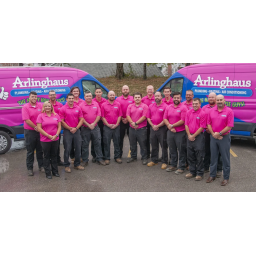
Living in Hamilton, Ohio, means navigating a climate that keeps your home comfort systems working hard year-round. At Energy Efficient Solutions, we specialize in helping local homeowners optimize their indoor environments through high-efficiency HVAC upgrades. By prioritizing smart HVAC technology and modern equipment, we help you transition to a home that stays comfortable while significantly reducing your monthly utility expenses.
Upgrading to a high-efficiency air conditioner or a high-efficiency furnace is more than just a home improvement; it is a long-term investment in your property's value and your personal comfort. Whether you are exploring heat pump upgrades or looking to understand SEER2 ratings, our focus is on delivering energy savings that make a real difference in your budget, ensuring your Hamilton home is prepared for any weather extreme.
Climate Considerations
Hamilton experiences a variable, mixed climate with significant temperature swings. With summer averages near 75°F and winter averages dropping to 25°F, your HVAC system is the most important appliance in your home. This constant fluctuation puts immense strain on older, inefficient units, leading to higher energy bills and frequent repair needs. Investing in a variable-speed system allows your home to adapt to these shifts seamlessly, maintaining consistent temperatures without wasting energy.
Energy Efficient Solutions Tips
Schedule an annual professional energy audit to identify leaks in your ductwork and insulation.
Always hire a licensed and insured technician to ensure your high-efficiency system is installed to manufacturer specifications.
Replace standard thermostats with smart HVAC controllers to automatically optimize heating and cooling based on your daily schedule.
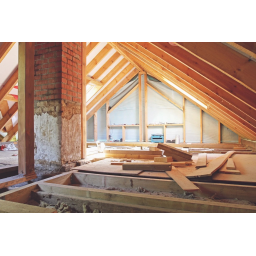
Ensure your attic insulation is adequate, as even the best high-efficiency furnace will struggle if your home is losing heat through the roof.
Check your air filters every 30 days during peak seasons to maintain optimal airflow and system efficiency.
Frequently Asked Questions
How much can an energy-efficient HVAC upgrade save on my utility bills?
While savings depend on your home's size and insulation, upgrading to a high-efficiency system can often reduce heating and cooling costs by 20% to 40% compared to older, aging units.
What federal tax credits and local rebates are available for HVAC upgrades?
Many homeowners qualify for federal HVAC tax credits under the Inflation Reduction Act, and local utility providers in Ohio occasionally offer rebates for installing high-efficiency equipment.
What do SEER2 and AFUE ratings actually mean for my comfort?
SEER2 measures the cooling efficiency of air conditioners and heat pumps, while AFUE measures furnace efficiency. Higher ratings indicate less energy waste and lower operational costs.
What is the typical payback period for a high-efficiency HVAC investment?
For most Hamilton homes, the energy savings generated by a high-efficiency system typically offset the initial cost difference within 5 to 8 years, depending on usage.
How do inverter and variable-speed HVAC systems work?
Unlike traditional systems that only run at full capacity, variable-speed systems adjust their output based on demand, providing steady, quiet comfort while using significantly less electricity.
Besides new equipment, how do insulation and sealing affect HVAC efficiency?
Even the most efficient system will work overtime if your home has air leaks. Proper sealing and insulation ensure the conditioned air stays inside, maximizing your energy savings.
How do I ensure I qualify for and claim HVAC rebates?
Always work with a certified professional who can provide the necessary documentation, such as AHRI certificates, which are often required by utility companies to process rebate claims.
How does whole-home efficiency impact HVAC performance?
High-efficiency HVAC systems perform best in a 'tight' house. Addressing windows, doors, and attic insulation creates a thermal envelope that allows your HVAC to run less frequently.
Do smart thermostats and zoning really help save money?
Yes, smart thermostats learn your habits and adjust temperatures when you are away. Zoning allows you to heat or cool only the rooms you are using, preventing energy waste in empty spaces.
Why is it important to avoid oversizing my new HVAC system?
An oversized system will cycle on and off too frequently, leading to uneven temperatures and increased humidity issues. A professional load calculation is essential to determine the correct size.
We use cookies for essential site functions, analytics and advertising. See our
Cookie Policy.