In Springfield, Ohio, your home should be a sanctuary from the elements, but the air you breathe indoors is often more polluted than the air outside. Our professional indoor air quality services are designed to help Springfield families combat common allergens, dust, and airborne contaminants. Whether you are looking for whole-house air filtration or specialized air purification, our goal is to ensure your living space remains healthy and comfortable year-round. By integrating advanced…
Read more
Good to know: Filtration and UV systems help with allergies and dust.
Cost is a typical U.S. range, not a quote. Climate = annual degree days (NOAA); population from the U.S. Census.
About Indoor Air Quality in Springfield
In Springfield, Ohio, your home should be a sanctuary from the elements, but the air you breathe indoors is often more polluted than the air outside. Our professional indoor air quality services are designed to help Springfield families combat common allergens, dust, and airborne contaminants. Whether you are looking for whole-house air filtration or specialized air purification, our goal is to ensure your living space remains healthy and comfortable year-round.
By integrating advanced ventilation services, humidifier installation, and UV air purifiers into your current system, we help you achieve a cleaner, fresher home environment. Improving your indoor air quality not only helps with respiratory health and allergy relief but also optimizes the overall efficiency of your HVAC system. Let our experienced, licensed professionals guide you toward the best solutions for your specific household needs.
Climate Considerations
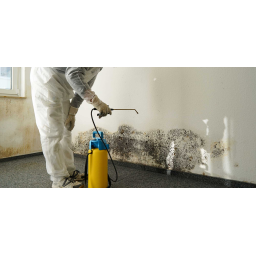
Springfield’s mixed climate presents a unique challenge, with average summer temperatures of 75°F and winter lows dipping to 25°F. These extreme seasonal shifts require your HVAC system to work hard, often trapping stale air inside during long, cold winter months or fueling mold growth during humid summer stretches. Managing these variables through professional dehumidifiers and fresh air ventilation is essential to maintaining a healthy, balanced home environment.
Indoor Air Quality Tips
Check your HVAC air filter every 30-90 days and upgrade to a higher MERV rating for better particulate capture.
Use a dedicated dehumidifier during humid Springfield summers to prevent mold growth and maintain optimal comfort.
Consider whole-house air filtration systems to capture microscopic allergens that standard filters often miss.
Ensure your home is properly ventilated with an ERV system to flush out stale air without sacrificing energy efficiency.
Schedule annual maintenance with a NATE-certified technician to ensure your air quality components are operating at peak efficiency.
Frequently Asked Questions
What are the common indoor air quality solutions and their typical costs?
Solutions range from simple high-MERV filter upgrades to full whole-house air purifiers and ERV systems. Costs vary based on the technology and installation complexity; always request upfront pricing from a licensed professional.
How does poor indoor air quality affect health, allergies, and asthma?
Poor air quality can exacerbate asthma and trigger allergies through the buildup of dust, dander, and pollen. Improving filtration can significantly reduce these triggers.
Which HVAC air filter (MERV/HEPA) should I use and how often should I change it?
A MERV 11 or 13 filter is usually ideal for residential use. Change it every 1-3 months depending on your home's occupancy, pets, and the season.
How can I control humidity, mold, and dust in my home using HVAC equipment?
Whole-house dehumidifiers and proper ventilation help keep humidity levels below 50%, which is the key to preventing mold and limiting dust mite reproduction.
What is the difference between whole-house air purifiers and portable units?
Whole-house systems integrate directly with your ductwork to treat every room simultaneously, whereas portable units are limited to a single room and require more maintenance.
What are the common signs that my home has poor indoor air quality?
Frequent sneezing, headaches, lingering cooking odors, visible dust buildup, and excessive humidity or condensation on windows are all common indicators.
Are there specific IAQ solutions for households with pets or smoke odors?
Yes, activated carbon filters and UV air purifiers are highly effective at neutralizing volatile organic compounds (VOCs) and odors associated with pets and smoke.
Why would I need an ERV or HRV for fresh air ventilation?
Modern homes are built tightly for energy efficiency, which traps pollutants. An ERV or HRV exchanges stale indoor air for fresh outdoor air while recovering energy to keep bills low.
How do HVAC UV lights work and what are their limitations?
UV lights are installed near the cooling coil to kill mold and bacteria on the surface. While excellent for coil hygiene, they do not replace the need for physical air filtration.
How can I test my indoor air quality and what should I measure?
You can use professional air quality monitors to measure VOCs, CO2, humidity, and particulate matter (PM2.5). Contact a local, trusted HVAC expert for a comprehensive assessment.
We use cookies for essential site functions, analytics and advertising. See our
Cookie Policy.