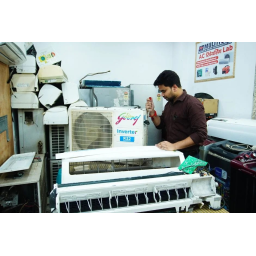
Living in Corpus Christi means dealing with intense Gulf Coast heat, where a reliable air conditioning system is not just a luxury, but a necessity. Whether you are dealing with an unexpected breakdown during a summer heatwave or looking to upgrade your aging system, our comprehensive AC services are designed to keep your home comfortable year-round. From routine AC tune-ups to complex AC repair and full system AC replacement, we provide the expert support needed to navigate the challenges of…
Read more
Good to know: Most AC repairs run $150–$650; a full replacement costs far more.
Cost is a typical U.S. range, not a quote. Climate = annual degree days (NOAA); population from the U.S. Census.
About AC Services in Corpus Christi
Living in Corpus Christi means dealing with intense Gulf Coast heat, where a reliable air conditioning system is not just a luxury, but a necessity. Whether you are dealing with an unexpected breakdown during a summer heatwave or looking to upgrade your aging system, our comprehensive AC services are designed to keep your home comfortable year-round. From routine AC tune-ups to complex AC repair and full system AC replacement, we provide the expert support needed to navigate the challenges of our humid climate.
We specialize in all aspects of central air conditioning and ductless mini-split systems. Our goal is to ensure your indoor environment remains a cool sanctuary, regardless of the temperature outside. By prioritizing energy efficiency and reliable performance, we help Corpus Christi residents maintain their cooling systems effectively, preventing costly mid-season failures and ensuring your unit runs at peak performance when you need it most.
Climate Considerations
Corpus Christi's climate is defined by hot, humid summers with average temperatures around 90°F, placing immense strain on residential cooling equipment. This constant demand can lead to accelerated wear and tear, making consistent AC service essential for longevity. While winter temperatures are mild, averaging 52.5°F, the year-round humidity also impacts air quality and system efficiency, requiring homeowners to stay proactive with professional maintenance to avoid common issues like frozen coils or refrigerant leaks.
AC Services Tips
Replace your air filters every 1 to 3 months to improve airflow and prevent your system from overworking.
Schedule a professional AC tune-up before the peak summer heat to identify minor issues before they become expensive repairs.
Keep the area around your outdoor condenser unit clear of debris, tall grass, and foliage to ensure proper heat dissipation.
Use a programmable thermostat to optimize your cooling schedule, which helps lower cooling bills during the hottest parts of the day.
Monitor for signs of trouble such as uneven cooling, strange noises, or water leaks, and call a licensed technician immediately if you notice them.
Frequently Asked Questions
What factors influence the cost of AC repair in Corpus Christi?
Repair costs depend on the complexity of the issue, the age of your unit, the availability of parts, and whether the system is experiencing refrigerant leaks or electrical failures. Always request upfront pricing from a licensed professional.
Why is my AC running but blowing warm air?
This is often caused by a dirty air filter, a refrigerant leak, or a faulty compressor. If the air isn't cold, turn the system off to prevent further damage and have an experienced technician diagnose the airflow or cooling cycle issue.
Should I repair my old AC unit or replace it entirely?
A general rule is the 50% rule: if the repair cost is more than 50% of the cost of a new unit, or if your system is over 10-12 years old, replacement is often more cost-effective in the long run.
How long does a central AC system typically last?
With proper maintenance, most central air systems last 12 to 15 years. Signs of failure include frequent breakdowns, rising energy bills, and inconsistent temperatures throughout the home.
What SEER rating should I choose for our local climate?
In Corpus Christi's hot climate, a higher SEER2 rating is recommended. While higher efficiency units have a higher upfront cost, they significantly lower cooling bills over the life of the system.
How often should I service my AC, and what does a tune-up include?
You should schedule a tune-up at least once a year, ideally in the spring. A professional service includes cleaning coils, checking refrigerant levels, inspecting electrical connections, and testing the system's overall performance.
How do I ensure my home gets the right size AC unit?
Proper sizing is critical; an oversized unit will short-cycle and fail to remove humidity, while an undersized unit will run constantly. A professional will perform a load calculation to determine the exact tonnage your home requires.
What are the best ways to lower my cooling bills?
Improve efficiency by keeping your ductwork sealed, using high-quality air filters, ensuring proper attic insulation, and scheduling annual maintenance to keep the system running at peak capacity.
What is the difference between central AC, ductless mini-splits, and heat pumps?
Central AC uses ductwork to cool the whole house, while ductless mini-splits provide targeted cooling to specific rooms without ducts. Heat pumps are highly efficient systems that can both heat and cool your home.
What should I expect during a professional AC installation?
A professional installation includes removing the old unit, modifying existing ductwork if necessary, installing the new equipment, and performing a safety inspection. The process usually takes one to two days and should always comply with local building codes.
We use cookies for essential site functions, analytics and advertising. See our
Cookie Policy.