
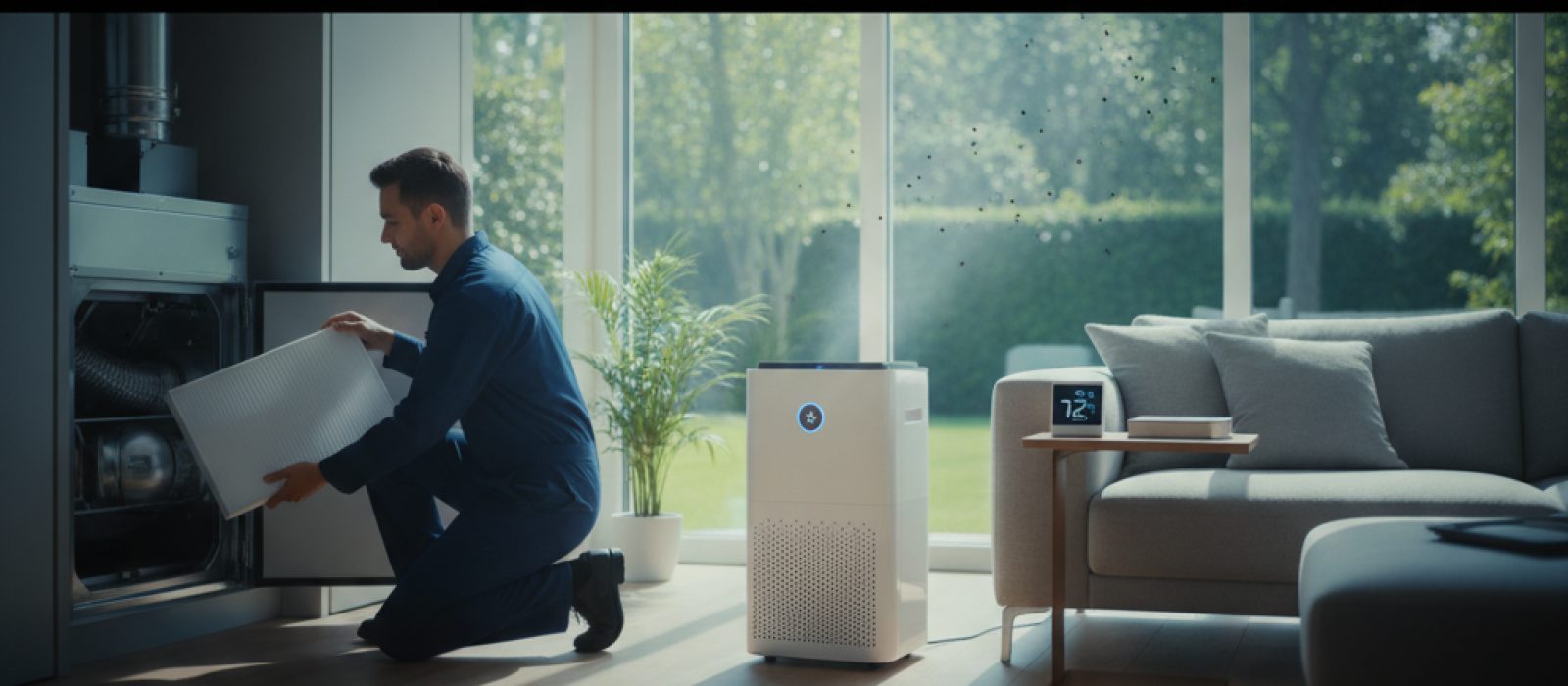
HEPA Air Cleaners for Allergies: What Actually Works
Learn how HEPA air cleaners function, their limitations in home environments, and how to effectively manage indoor air quality for allergy relief.
4 min read

Excessive indoor humidity is often associated with basement leaks or HVAC malfunctions, but many common household features act as consistent, localized moisture emitters. Managing indoor air quality requires an understanding of how water vapor enters the living space through evaporation and transpiration. When these sources are ignored, the resulting moisture can lead to uncomfortable living conditions, biological growth, and increased strain on climate control systems.
Understanding the balance between air exchange and moisture generation is the first step in maintaining a healthy environment. Every gallon of water added to an indoor environment through evaporation eventually transitions into the air, where it must be processed by your HVAC system or removed through ventilation.
Aquariums are often overlooked as significant sources of humidity because they appear to be self-contained units. However, the surface area of the water constantly interacts with the surrounding air, leading to steady evaporation. This process is accelerated by aquarium heaters, which raise the water temperature above the ambient room temperature, and by air pumps that increase surface agitation.
Large tanks, especially those without tight-fitting lids, can contribute several gallons of water vapor into the air each week. In smaller rooms or homes with poor circulation, this moisture can quickly lead to condensation on windows and cooler exterior walls. If you maintain a large saltwater or freshwater setup, monitoring the room's relative humidity is essential to prevent long-term damage to drywall and flooring.
Houseplants release moisture through a process called transpiration, where water travels from the roots to the leaves and evaporates into the air. While this contributes to a natural aesthetic and improved psychological comfort, a dense collection of indoor plants can significantly alter the moisture profile of a room.
The rate of transpiration depends on the type of plant, the amount of light it receives, and the frequency of watering. Soil surfaces also contribute to evaporation, particularly if the top layer remains damp for extended periods. In rooms with high plant density, such as sunrooms or living areas with large indoor trees, the relative humidity can consistently stay ten to fifteen percent higher than in the rest of the house.
Beyond aquariums and plants, several other routine activities and household features contribute to the total moisture load. Recognizing these sources helps in determining whether your current Indoor Air Quality strategy is sufficient.
Bathroom activities, including hot showers and baths, introduce massive amounts of water vapor in a short duration. If bathroom exhaust fans are undersized or improperly vented into the attic rather than the exterior, this moisture becomes trapped. Similarly, cooking on a stovetop without using an exhaust hood releases steam and grease that can affect both air quality and the efficiency of your HVAC system.
Even the structure of the home plays a role. If you notice persistent high humidity, it may be time for a professional assessment. Our experts in Indoor Air Quality can help determine if your home's moisture levels are within an optimal range. In cases where the humidity is linked to structural airflow issues, we provide comprehensive Ductwork Services to ensure your system is moving air effectively throughout the living space.
While homeowners can manage individual humidity sources through better ventilation and lifestyle adjustments, there are instances where the HVAC system itself must be optimized to handle the load. If you find that your home feels damp despite your best efforts, the cooling system may be undersized or improperly configured for your climate.
A system that cycles too quickly may not run long enough to effectively dehumidify the air. This often points to a need for a professional Maintenance & Tune-up to ensure components like the evaporator coil are clean and the refrigerant levels are correct. If the humidity issues persist, you may benefit from Energy Efficient Solutions that include the installation of whole-home dehumidifiers or high-efficiency air filtration systems designed to manage moisture and particulates simultaneously.
Do not attempt to modify the internal components of your HVAC system or handle refrigerants yourself. These tasks involve high-voltage electricity and pressurized chemicals that require specialized training and equipment. Always rely on a licensed technician to evaluate the health of your cooling and heating equipment.
Learn how HEPA air cleaners function, their limitations in home environments, and how to effectively manage indoor air quality for allergy relief.
Learn to identify common indoor pollutants and discover practical, effective strategies to improve the air quality within your home.
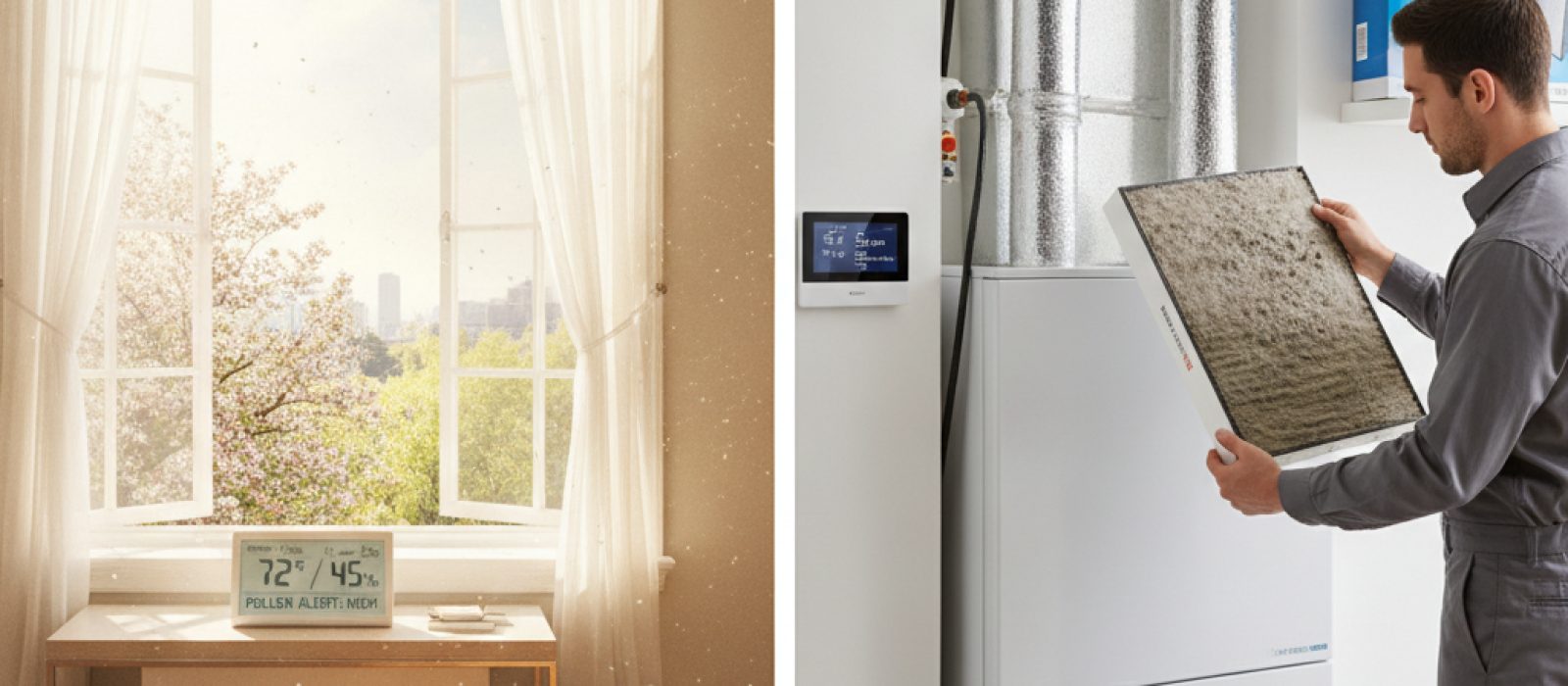
Learn the balance between natural ventilation and mechanical filtration to maintain optimal indoor air quality in your home.

Discover how holiday traditions impact your home's indoor air quality and learn practical steps to maintain a healthy breathing environment this winter.
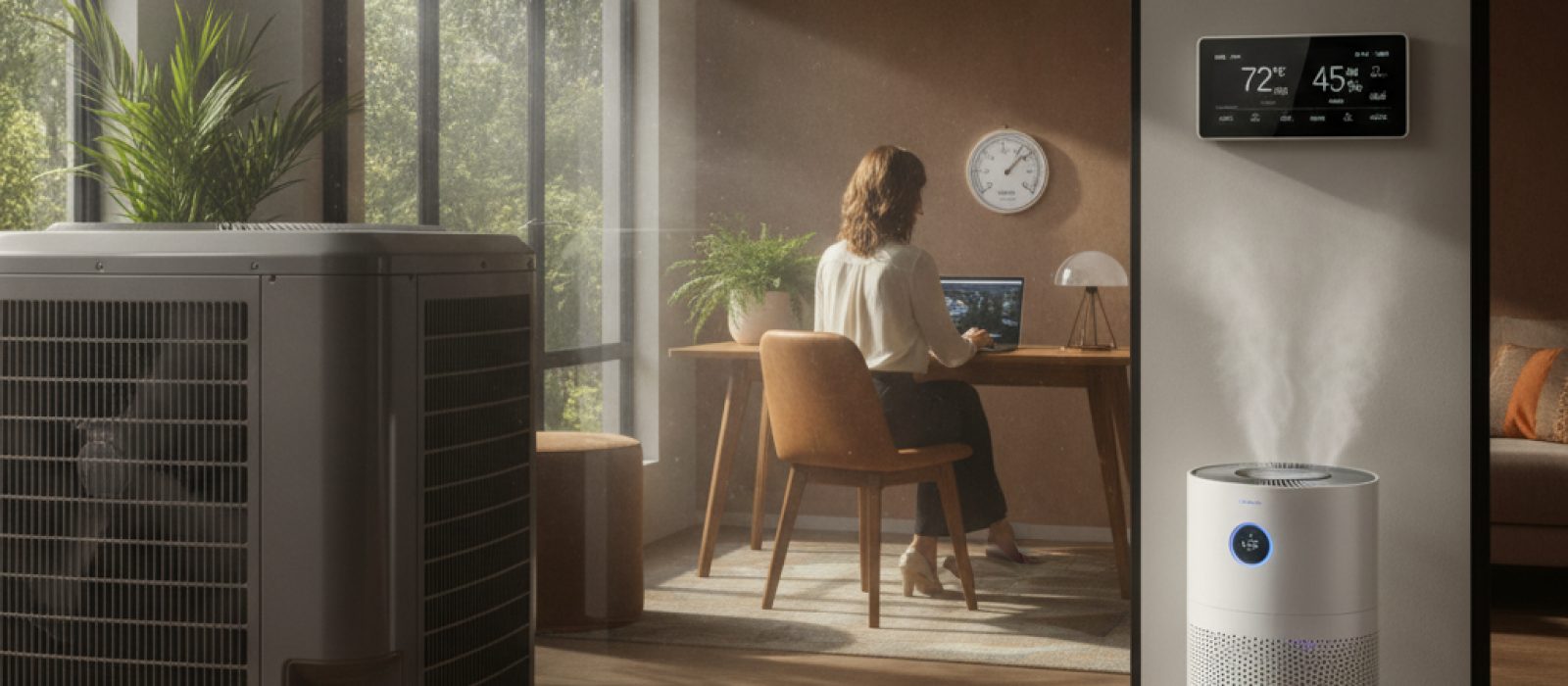
Improve productivity and health by optimizing the indoor air quality of your home office through ventilation, filtration, and humidity control.
Learn essential steps to keep your home humidifier clean and mold-free, ensuring healthy indoor air quality throughout the heating season.
Be the first to comment.