
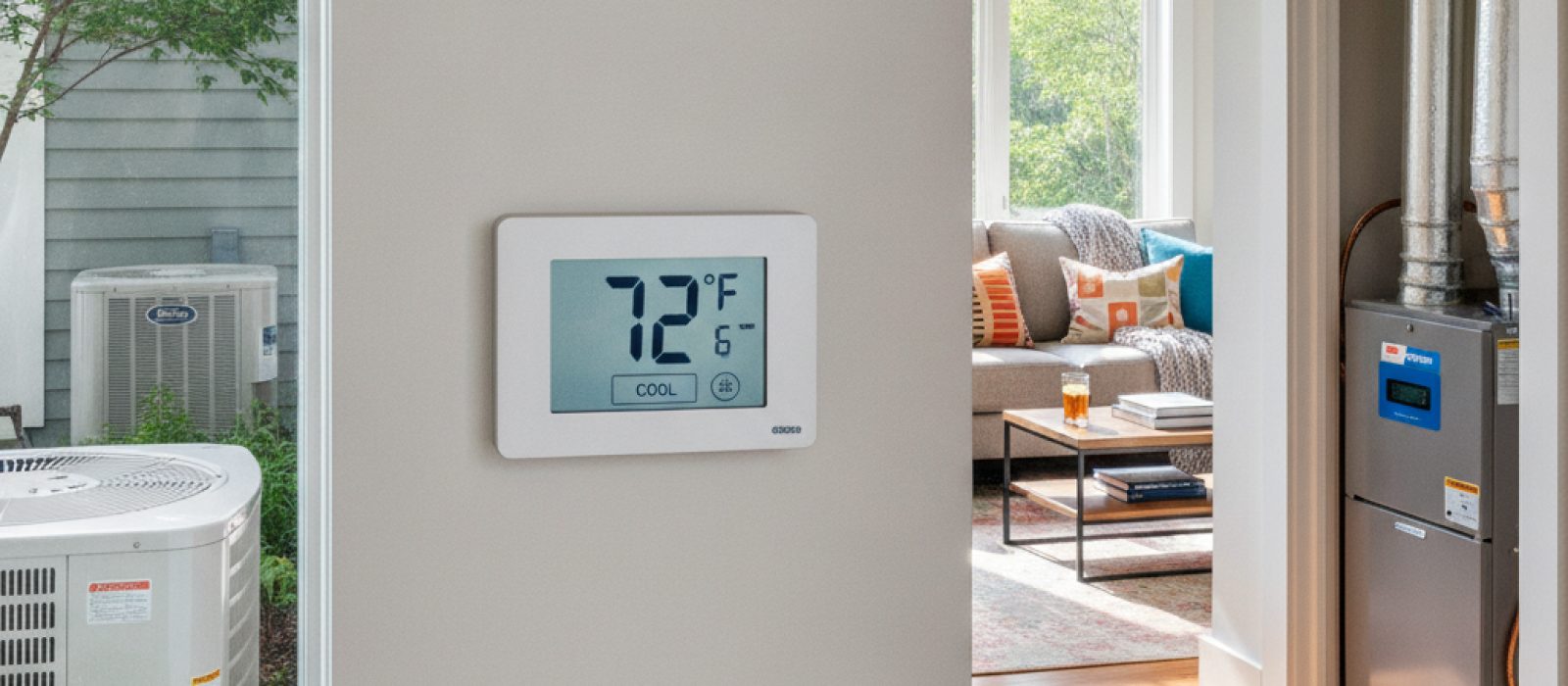
York, Ruud, Bryant and American Standard HVAC: Brand Overview
A guide to understanding the cooling technology and reliability of four major HVAC manufacturers for U.S. homeowners.
3 min read

Carrier organizes its air conditioning products into three primary performance tiers to help homeowners match cooling capacity with budget and comfort goals. These tiers—commonly referred to as Infinity, Performance, and Comfort—differentiate units based on compressor technology, sound levels, and energy efficiency ratings.
The Infinity series represents the manufacturer's premium offering. These units often feature variable-speed compressors, allowing the system to adjust cooling output in fine increments rather than simply cycling on and off. This precision helps maintain consistent indoor temperatures and improves humidity control, which is essential for effective Indoor Air Quality management.
The Performance series occupies the middle ground, often utilizing two-stage compressors. This design allows the unit to run at a lower capacity during milder weather and shift to high capacity during extreme heat. The Comfort series serves as the entry-level tier, typically featuring single-stage compressors. These models are straightforward and reliable, often serving as a cost-effective solution for standard residential cooling needs.
The total investment for a new air conditioning installation varies by system and region. Homeowners should avoid looking at the price of the equipment in isolation, as the final quote includes several variables that impact the total project cost.
Key factors that influence the final quote include:
Air conditioning installation is a complex process that requires specialized tools and technical knowledge. A licensed technician must handle the refrigerant lines, electrical connections, and system calibration to ensure the unit operates safely and meets the manufacturer's performance specifications.
During the installation process, a technician will verify that the airflow is balanced throughout the residence. If the existing infrastructure is degraded, the technician may recommend ductwork-services" class="font-medium text-brand-blue hover:underline">Ductwork Services to identify leaks or blockages that restrict airflow and force the compressor to work harder than necessary. Proper integration with existing Thermostat Services is also critical, as modern high-efficiency systems often require proprietary controls to communicate effectively with the compressor.
Regular upkeep is the most effective way to protect the investment in a high-efficiency cooling system. While homeowners can perform basic tasks like replacing air filters monthly, professional Maintenance and Tune-up services are necessary to clean internal components, check refrigerant pressures, and inspect electrical contacts for signs of wear.
During a professional tune-up, the technician cleans the outdoor condenser coils, which can become obstructed by dust, pollen, or debris. A clean coil allows for efficient heat transfer, preventing the system from overheating. Neglecting these tasks often leads to premature component failure and higher monthly energy bills.
Choosing the appropriate cooling solution requires an assessment of current home comfort needs. If the home suffers from uneven cooling or high humidity, a variable-speed unit may offer significant comfort advantages. If the home has a functional, well-maintained system, upgrading may not be necessary unless the current unit is nearing the end of its typical service life.
Always request a manual J load calculation from a contractor before finalizing a purchase. This calculation uses specific data about the home to determine the exact cooling load required. Relying on guesswork or the size of the previous unit is a common cause of poor performance. Once a system is selected, ensure the installer provides a clear scope of work that includes the removal of the old unit, the installation of new refrigerant lines if needed, and a post-installation performance test.
A guide to understanding the cooling technology and reliability of four major HVAC manufacturers for U.S. homeowners.
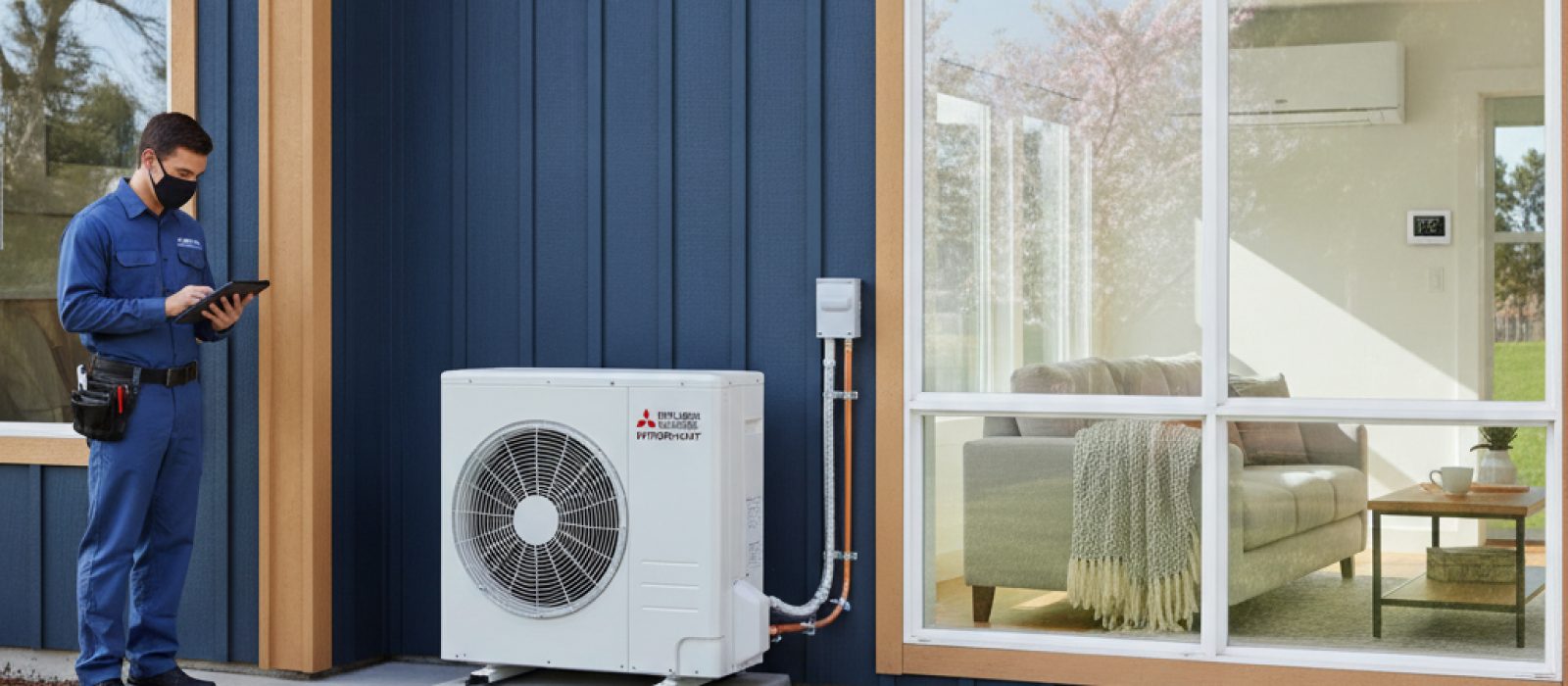
A comprehensive look at Mitsubishi mini-split technology and Hyper-Heat performance for year-round climate control in U.S. homes.
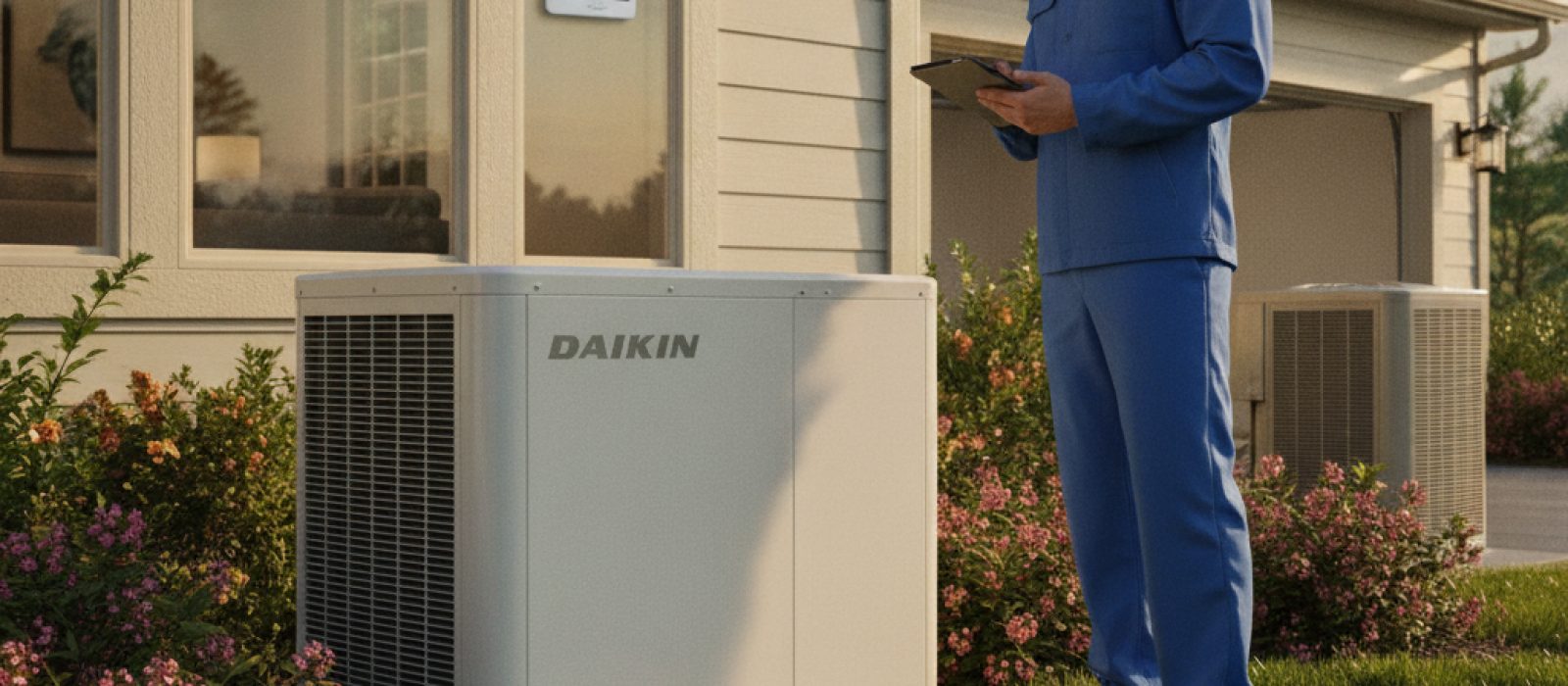
A comprehensive guide to understanding Daikin HVAC systems, including model tiers, standard maintenance requirements, and factory warranty coverage.
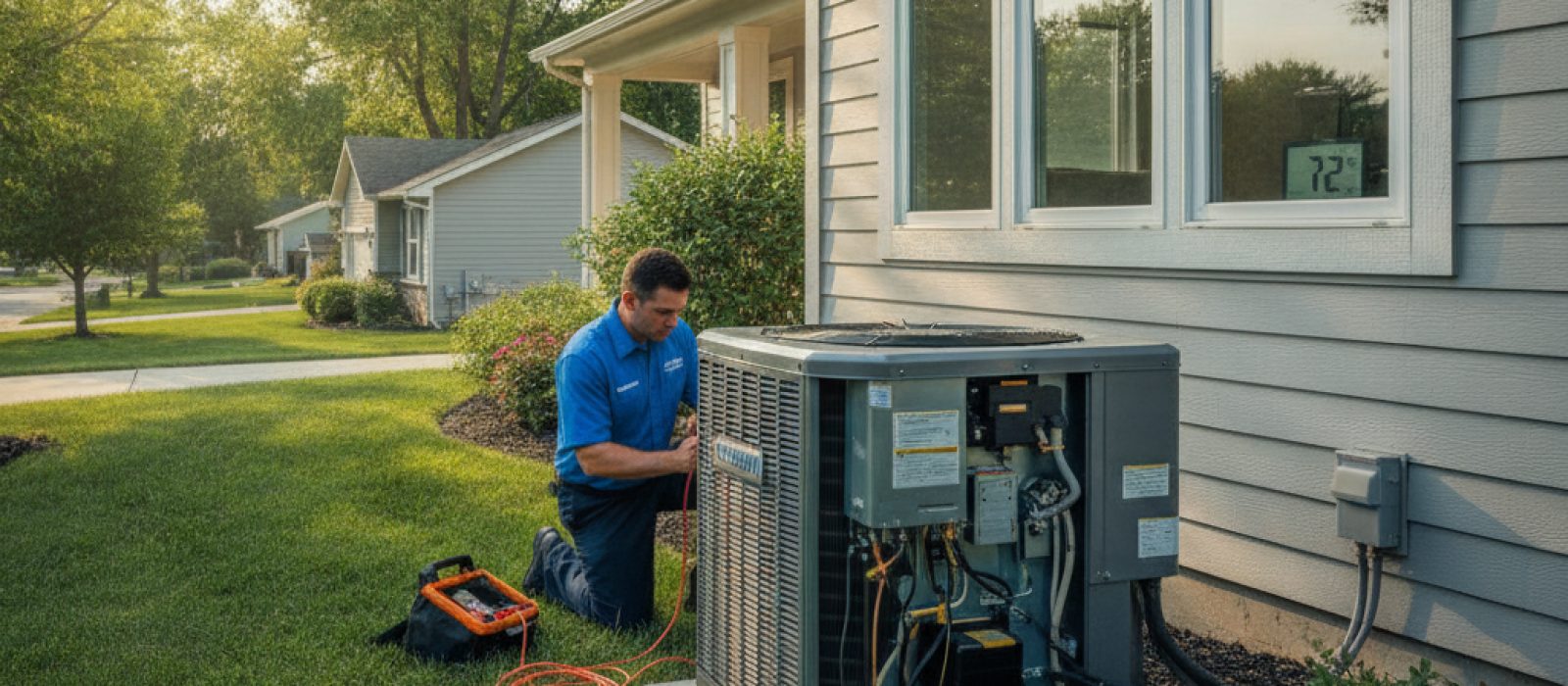
An objective look at Goodman HVAC systems, covering performance, longevity, and what homeowners should know before choosing a budget-friendly cooling solution.
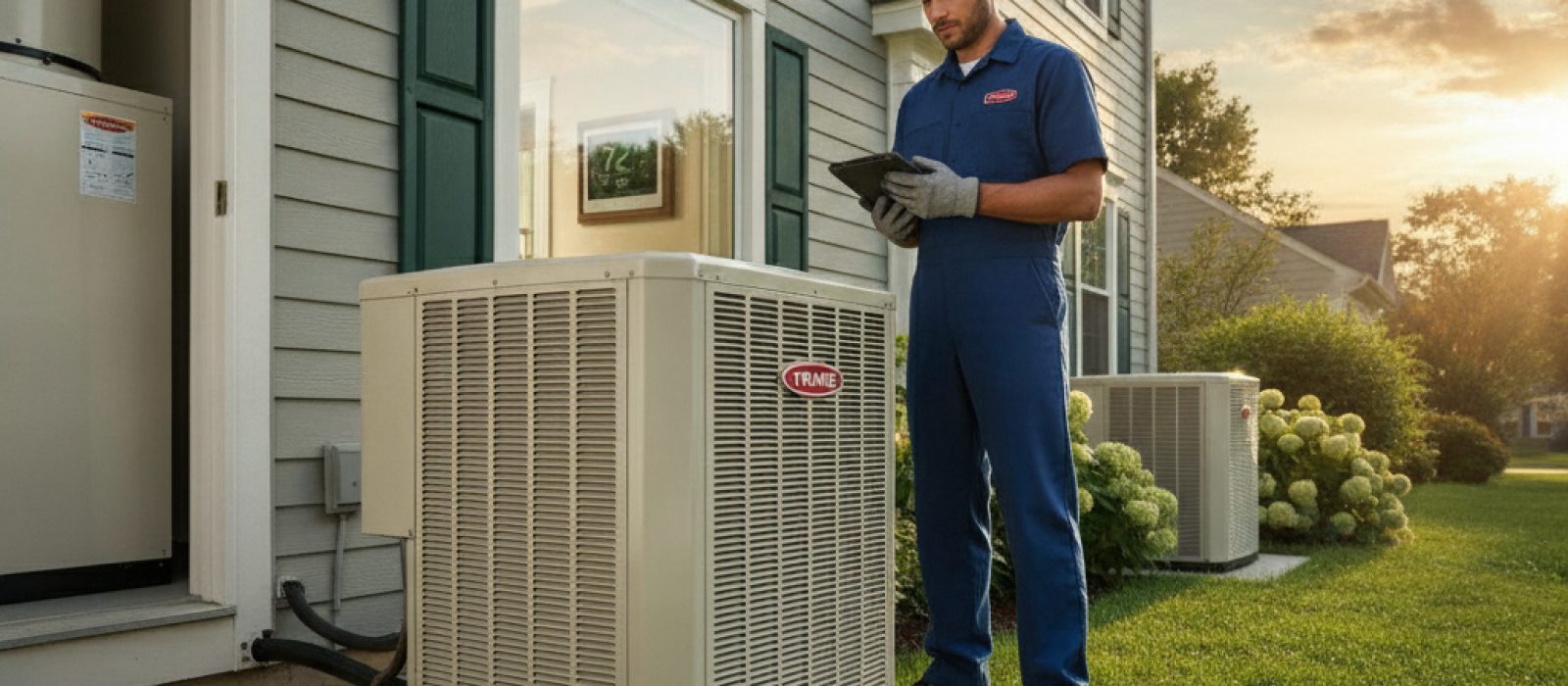
A guide to understanding Trane residential cooling systems, including component integration and maintenance requirements for homeowners.
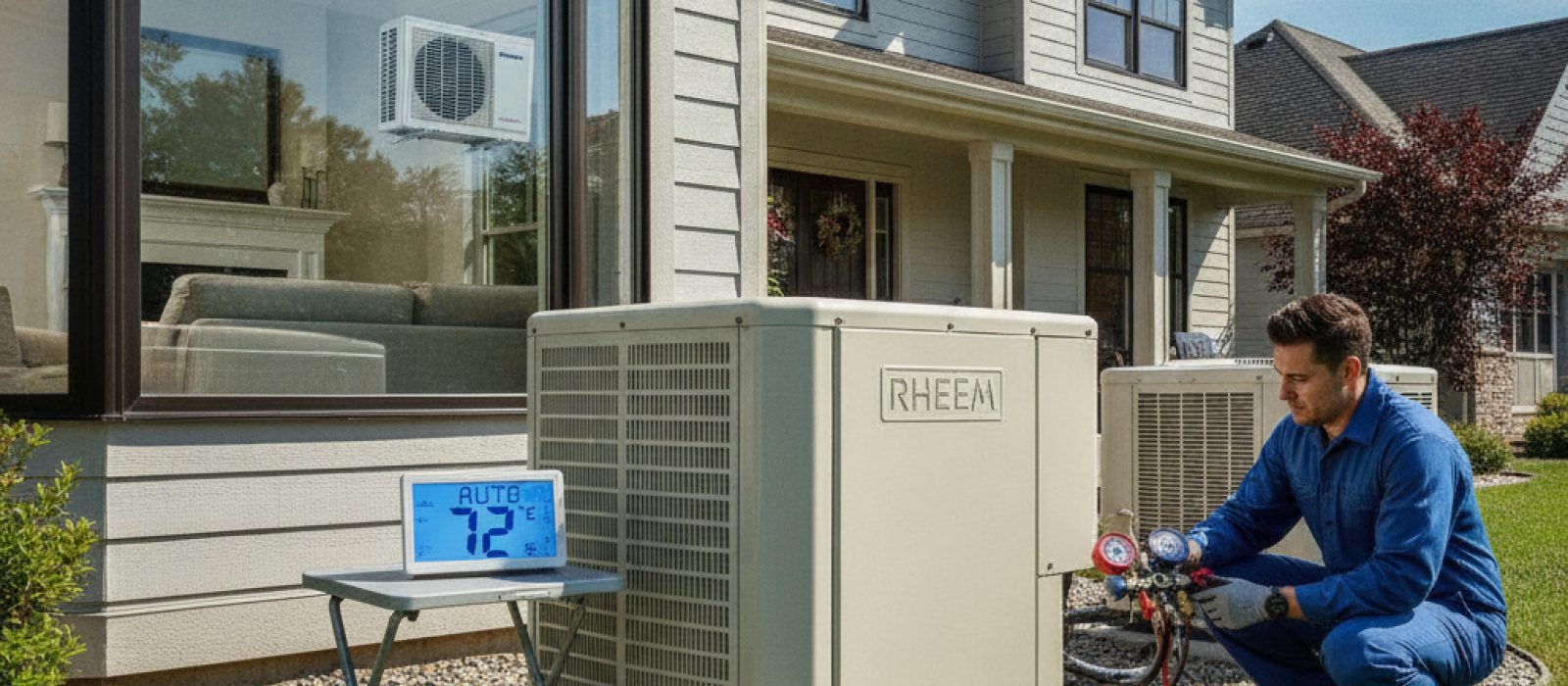
A practical guide to understanding Rheem HVAC systems, covering cooling performance, heating efficiency, and essential maintenance for homeowners.
Be the first to comment.