
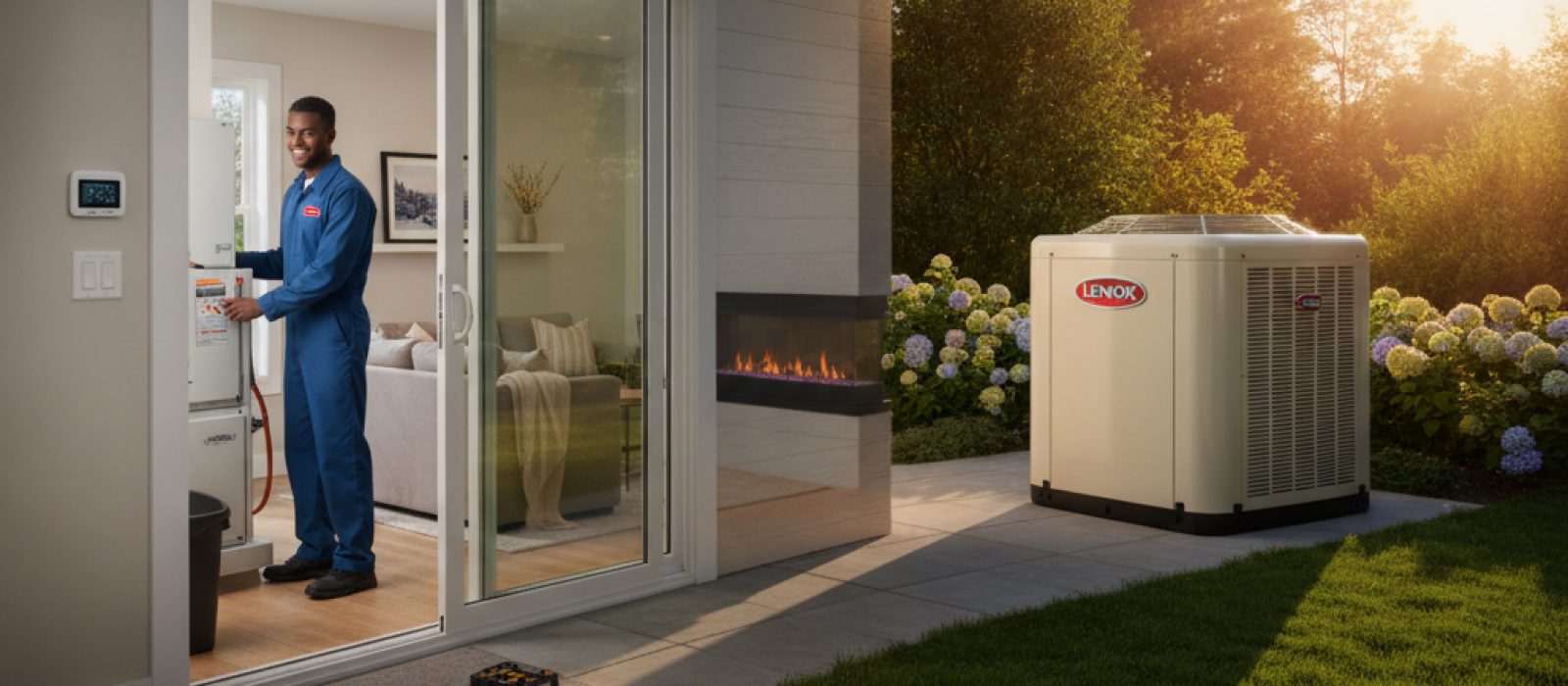
Lennox Furnaces and Heat Pumps: Repair Costs and Buying Guide
A practical guide for homeowners evaluating Lennox heating and cooling systems, covering repair expectations, maintenance needs, and replacement factors.
3 min read

Baseboard heating systems operate by distributing heat along the perimeter of a room, typically at the floor level. These systems generally fall into two distinct categories: hydronic, which uses hot water circulated through pipes, and electric, which utilizes resistance heating elements. Understanding the mechanical differences between these two is essential for calculating energy efficiency and operational costs.
Hydronic baseboard systems rely on a boiler to heat water, which is then pumped through a series of copper or steel pipes covered by metal fins. These fins increase the surface area to radiate heat into the room. Electric baseboard systems, conversely, contain internal heating coils that warm up when electricity passes through them. Because they lack a central boiler, electric baseboards are often easier to install but can be significantly more expensive to operate depending on local utility rates.
The cost of running baseboard heating varies based on the energy source and the insulation quality of the home. Hydronic systems are generally considered more energy-efficient for whole-home heating because water retains heat longer than air or metal coils. However, these systems require regular boiler maintenance to function at peak performance levels.
Electric baseboard heaters offer precise zone control, allowing homeowners to heat only the rooms currently in use. While this can save money, the high cost of electricity compared to natural gas or heating oil often offsets these gains. When considering an upgrade, many homeowners compare these costs against modern Heat Pumps, which move heat rather than generating it, often providing superior efficiency in moderate climates.
Proper care of baseboard units prevents dust buildup and ensures airflow remains unobstructed. Dust acts as an insulator, preventing the system from radiating heat effectively into the living space. Regularly vacuuming the fins and ensuring furniture or curtains do not block the units is a simple task that every homeowner can perform.
For hydronic systems, air trapped in the pipes can lead to cold spots and inefficient heating. Bleeding the radiators—a process of releasing trapped air from the system—is a standard Maintenance & Tune-up procedure. If you are uncomfortable working with pressurized plumbing, contact a professional to avoid potential leaks or water damage.
Aging baseboard units may begin to emit odors, make clicking or banging sounds, or fail to provide consistent warmth. If your system requires frequent repairs or if your monthly utility bills are consistently high, it may be time to investigate alternative Heating Services. Persistent cold spots often indicate that the system is either improperly sized for the room or that the pipes have become clogged with sediment over time.
Homeowners often transition away from baseboard heating when they seek to add air conditioning to their property. Since baseboard systems do not utilize ductwork, they cannot share a blower or distribution system with an AC unit. If you are planning an HVAC system overhaul, exploring Energy Efficient Solutions that integrate both heating and cooling can provide better overall comfort and long-term value.
While cleaning is a DIY task, internal system components require expert handling. Electrical baseboard heaters involve high-voltage wiring that poses a fire and shock hazard if handled incorrectly. Similarly, hydronic systems involve boilers and circulation pumps that are complex mechanical devices.
Always consult a licensed technician if you notice burning smells, flickering lights near the units, or visible corrosion on the boiler or piping. Attempting to repair electrical components without proper certification is a safety risk and may void manufacturer warranties. A professional assessment can determine if a repair is cost-effective or if the system has reached the end of its service life.
A practical guide for homeowners evaluating Lennox heating and cooling systems, covering repair expectations, maintenance needs, and replacement factors.
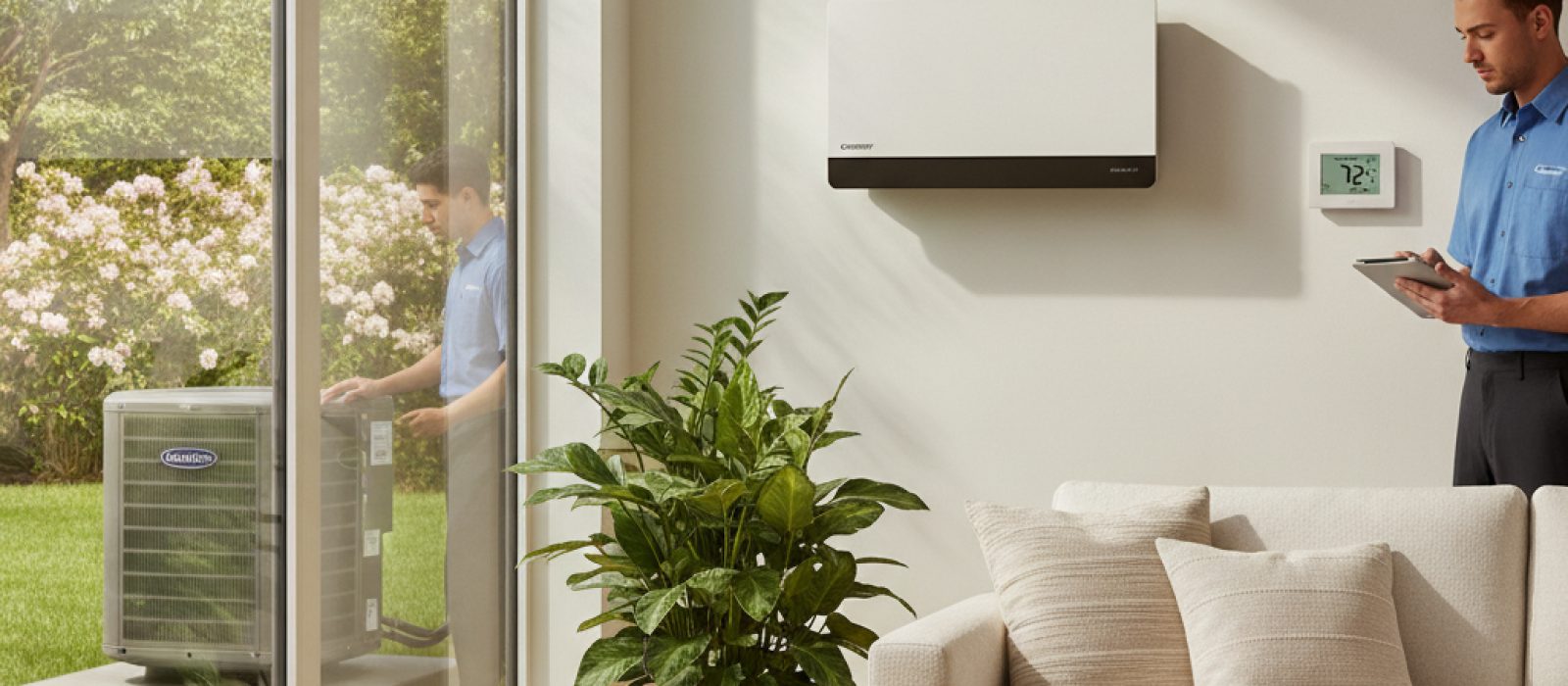
Learn how the Carrier Infinity series heat pumps and ductless systems balance high-efficiency heating with advanced climate control features.
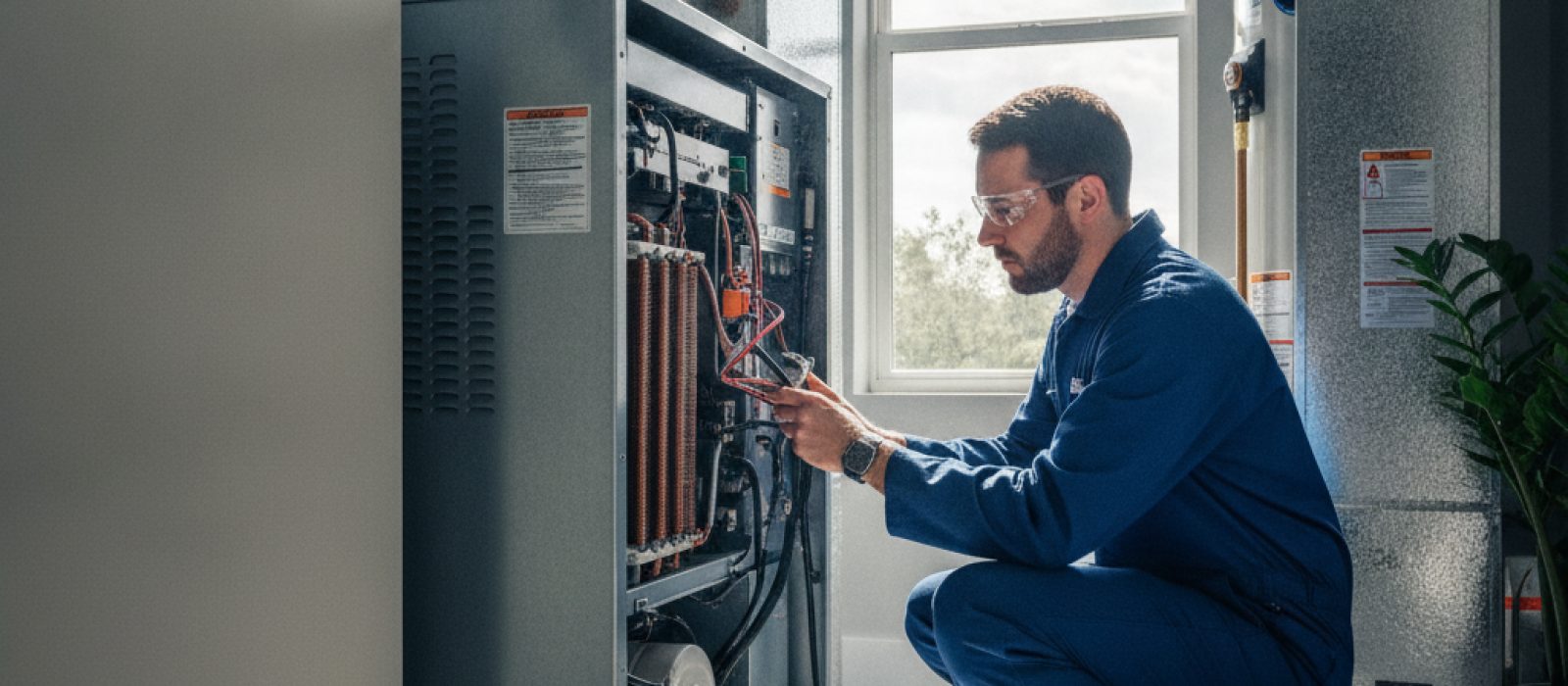
Learn how the air handler functions as the heart of your HVAC system, circulating air and regulating temperature throughout your home.
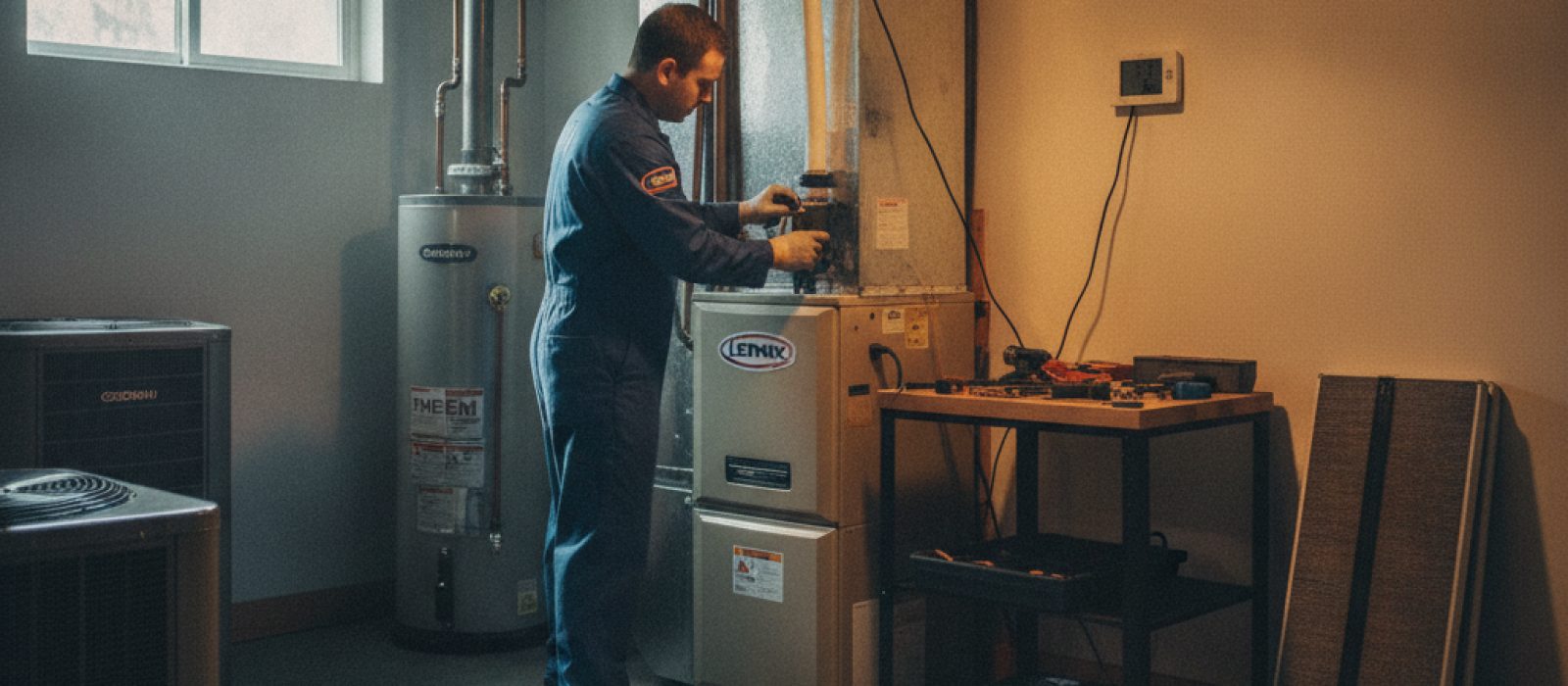
Learn how specific furnace brands influence repair frequency, component availability, and the diagnostic process for your home heating system.
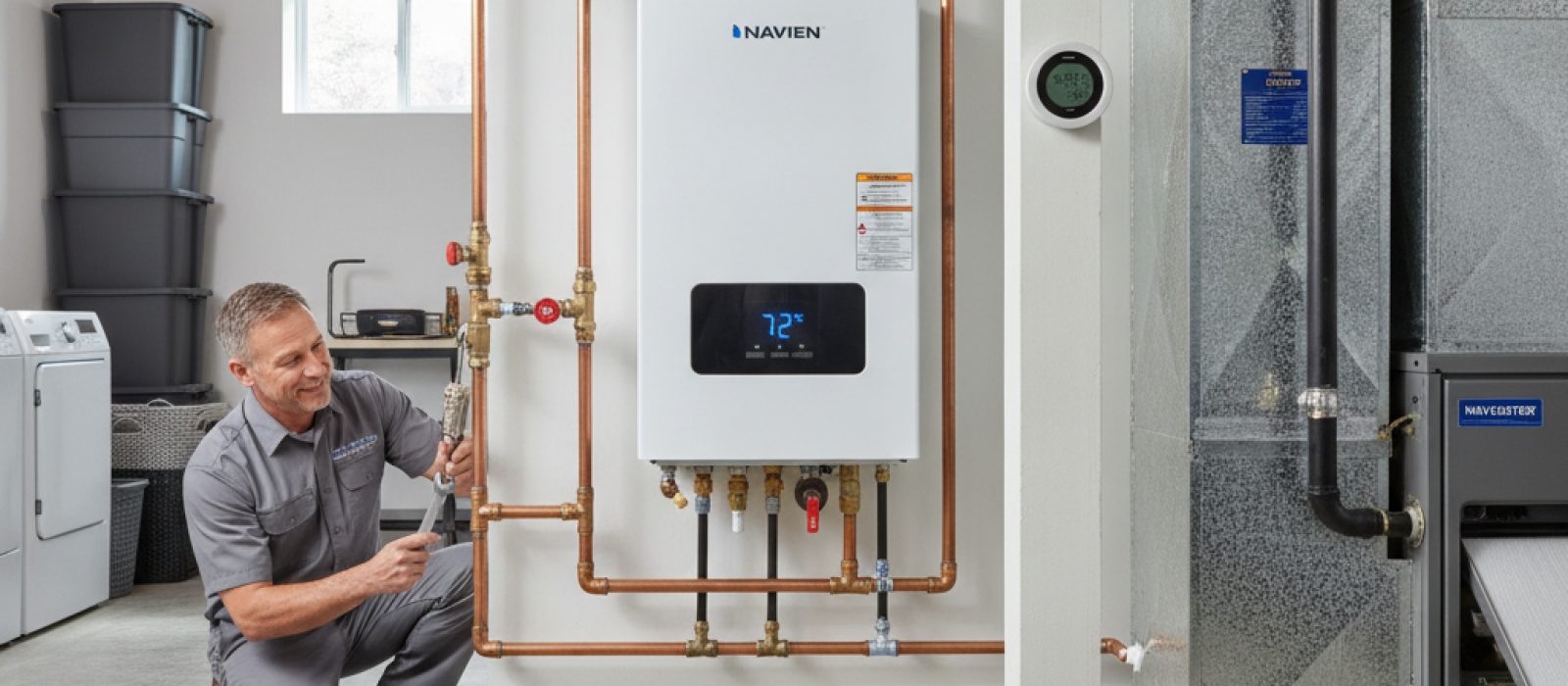
Evaluate the performance, efficiency, and installation requirements of Navien boilers for your residential heating system.
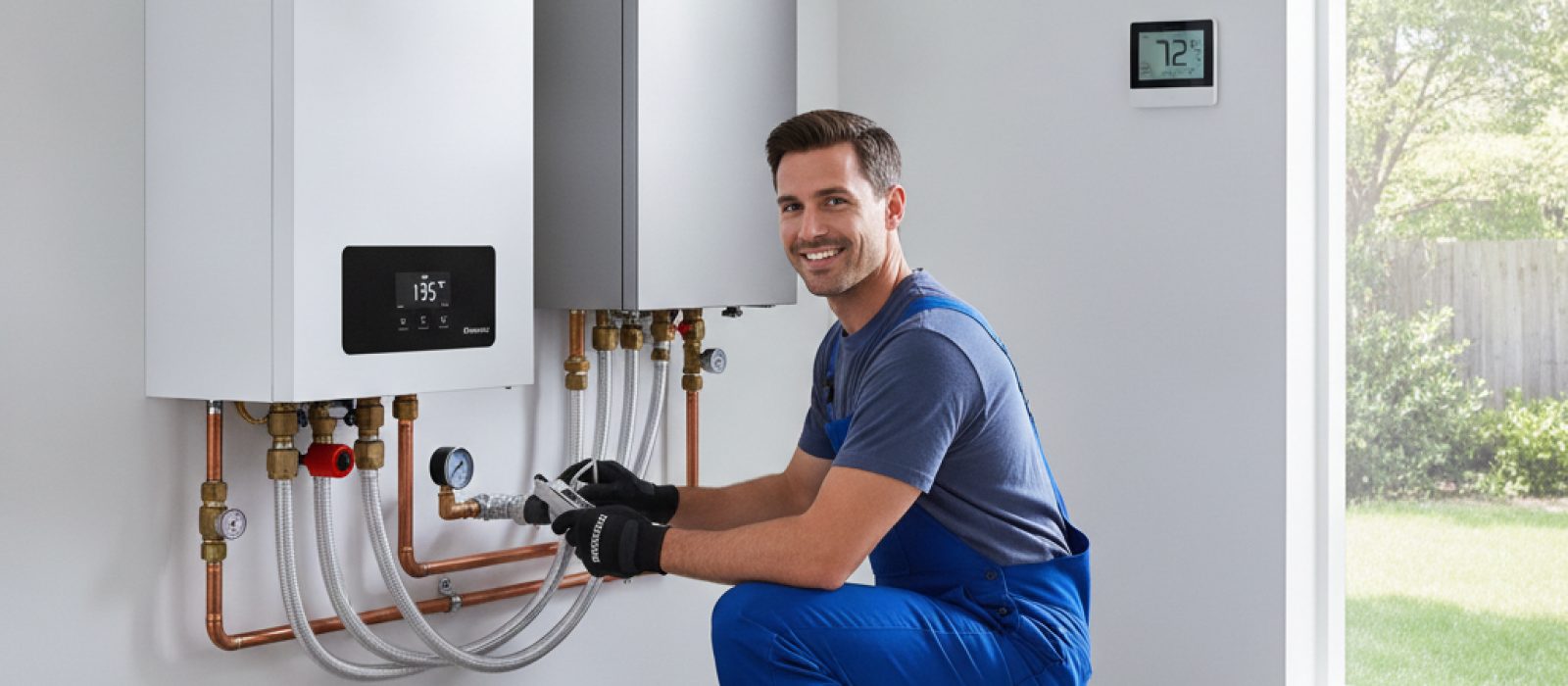
Learn how Rinnai combi boilers provide dual-function heating and hot water, helping you decide if this high-efficiency technology fits your home.
Be the first to comment.