
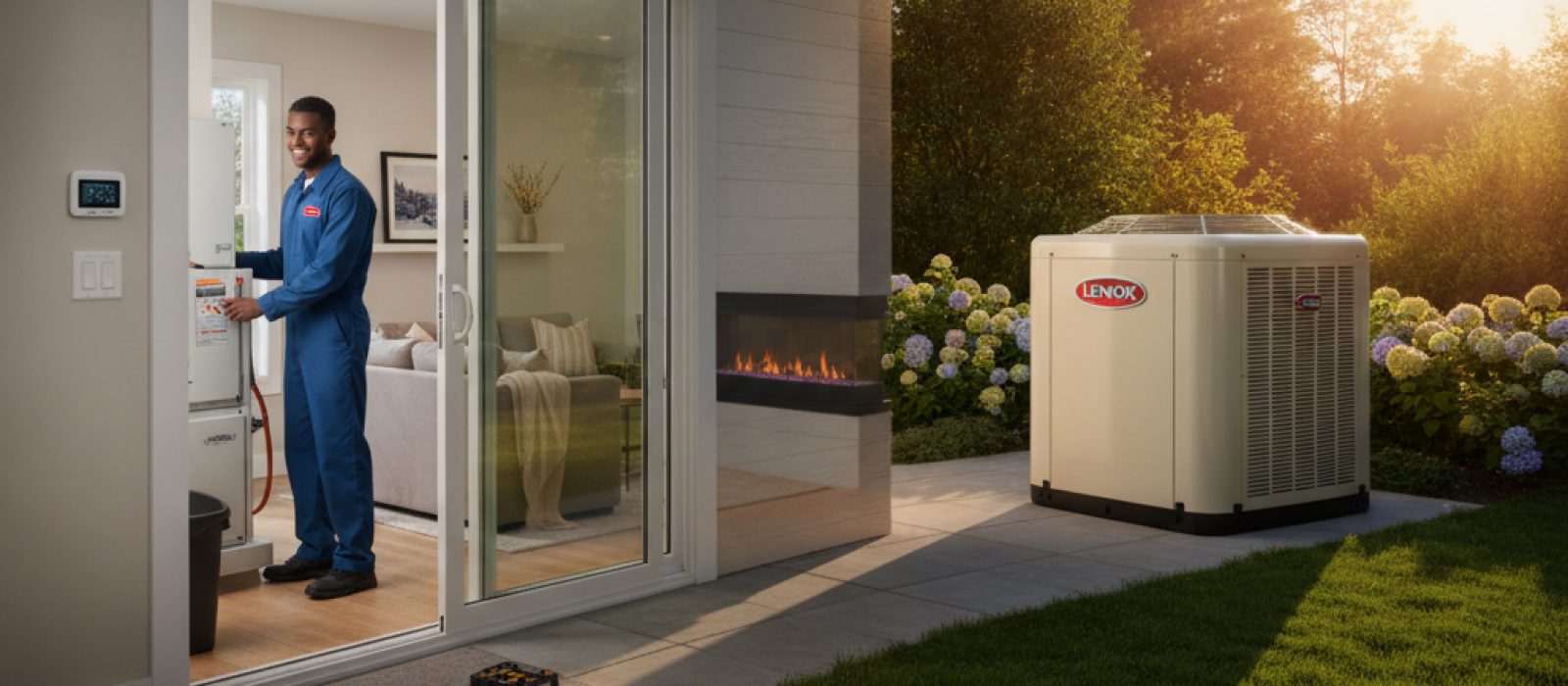
Lennox Furnaces and Heat Pumps: Repair Costs and Buying Guide
A practical guide for homeowners evaluating Lennox heating and cooling systems, covering repair expectations, maintenance needs, and replacement factors.
4 min read

Older East Coast residences often rely on hydronic heating systems, which distribute heat through radiators or baseboards using hot water or steam. Unlike forced-air systems, boilers operate on a closed-loop principle, making them highly efficient but also dependent on specific mechanical components that require consistent attention. Homeowners in historic homes must prioritize regular care to ensure these systems function reliably throughout harsh winters.
Hydronic boilers rely on a specific pressure range to circulate heat effectively throughout the home. If the pressure drops too low, the upper floors may remain cold because the water cannot reach the highest radiators. Conversely, excessively high pressure can stress the system and lead to leaks.
Most boilers feature a pressure gauge, typically found near the front of the unit. While the exact operating range varies depending on the specific model and the height of the home, most residential systems operate between 12 and 20 PSI. If the gauge consistently reads near zero or pushes into the red zone, the system requires professional attention. A significant drop in pressure often signals a leak somewhere in the piping or a failure in the expansion tank.
Air trapped in the heating system is a common culprit for cold radiators in older homes. When air pockets form, they prevent hot water from filling the radiator, leaving it cold even when the boiler is firing. Bleeding radiators is a straightforward maintenance task that homeowners can perform to restore heat distribution.
If you find yourself bleeding the same radiator repeatedly, it may indicate a larger issue with the system's air vent or an underlying problem that requires professional Heating Services.
Before the first frost, scheduling a thorough system check is the most effective way to prevent mid-winter breakdowns. Professional Maintenance & Tune-up visits ensure that safety valves, controls, and circulating pumps are functioning within manufacturer specifications. A technician will inspect the heat exchanger for mineral buildup, which is common in areas with hard water, and test the pressure relief valve to ensure it operates correctly in an emergency.
Over decades, older piping systems can accumulate sediment and rust. This debris can clog valves and reduce the efficiency of the heat transfer process. While homeowners should not attempt to drain or flush the boiler themselves due to the risk of scalding and the complexity of refilling the system correctly, monitoring the clarity of the water during a professional service is wise. If the water appears murky or contains significant particulates, the technician may suggest a system flush.
Recognizing the early warning signs of a failing boiler can save a homeowner from an emergency repair situation. Unusual noises, such as banging, clanking, or whistling, are often indicators of trapped air, scale buildup, or a failing circulation pump. If you notice persistent water pooling around the base of the unit, do not wait for the system to stop working; contact a professional to inspect the integrity of the tank and connections.
Homeowners must be clear about the boundary between routine maintenance and professional repair. You can safely check gauges, bleed radiators, and keep the area around the boiler clear of debris and combustible materials. However, any work involving the gas supply, the electrical control board, or the internal combustion chamber must be performed by a licensed professional. Attempting to service these components without proper training poses a significant risk of fire, gas leaks, or carbon monoxide exposure. If you suspect a gas smell or see a pilot light that will not stay lit, turn off the system and seek emergency Heating Services immediately.
While the boiler is the heart of the heating system, it does not exist in a vacuum. Proper maintenance often overlaps with other home systems. For instance, if your boiler also provides domestic hot water, ensuring your Water Heaters are functioning efficiently is part of the same maintenance cycle. Furthermore, if you are concerned about the air quality in an older home with radiators, you might consider Indoor Air Quality solutions, as older homes can trap dust and moisture differently than newer construction. Maintaining a clean environment around your boiler helps ensure the unit can intake air properly and operate without obstruction.
A practical guide for homeowners evaluating Lennox heating and cooling systems, covering repair expectations, maintenance needs, and replacement factors.
Learn how the Carrier Infinity series heat pumps and ductless systems balance high-efficiency heating with advanced climate control features.
Learn how the air handler functions as the heart of your HVAC system, circulating air and regulating temperature throughout your home.
Learn how specific furnace brands influence repair frequency, component availability, and the diagnostic process for your home heating system.
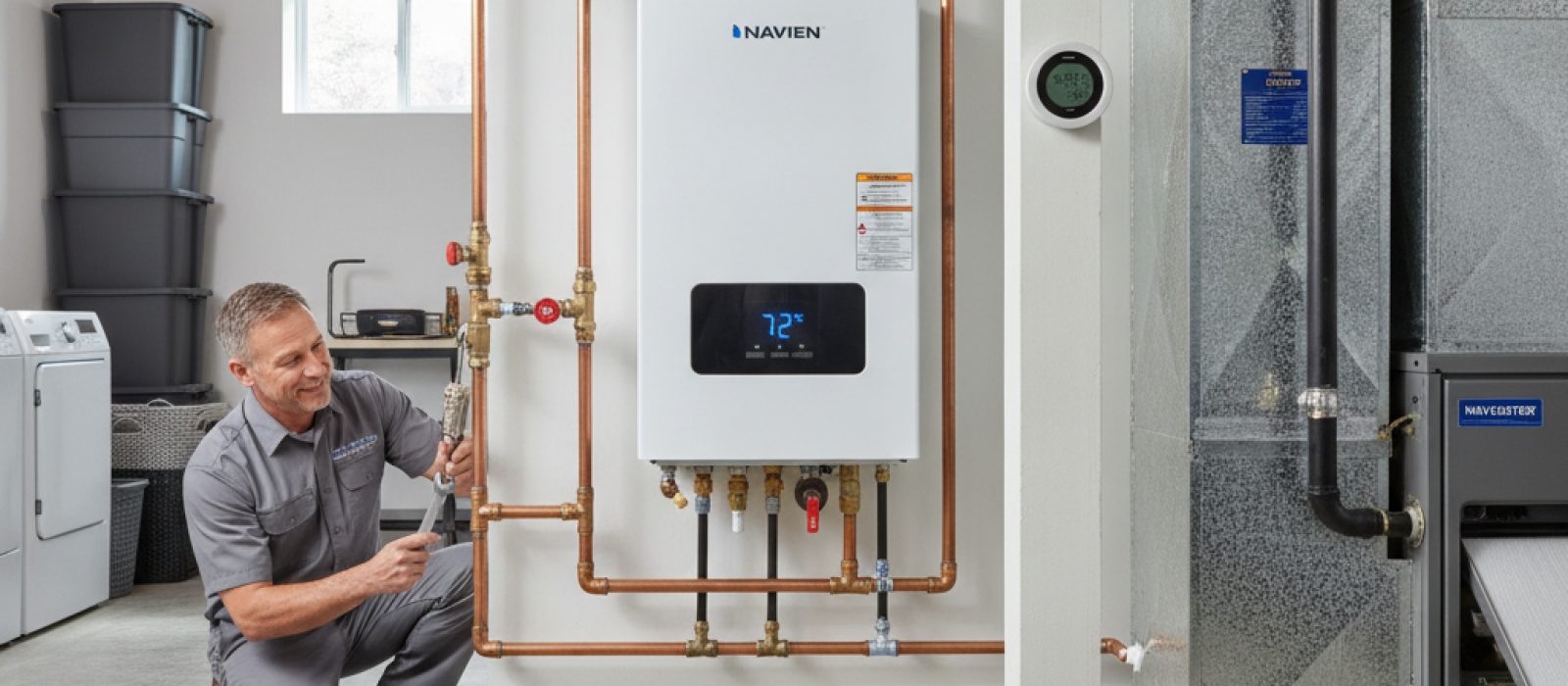
Evaluate the performance, efficiency, and installation requirements of Navien boilers for your residential heating system.
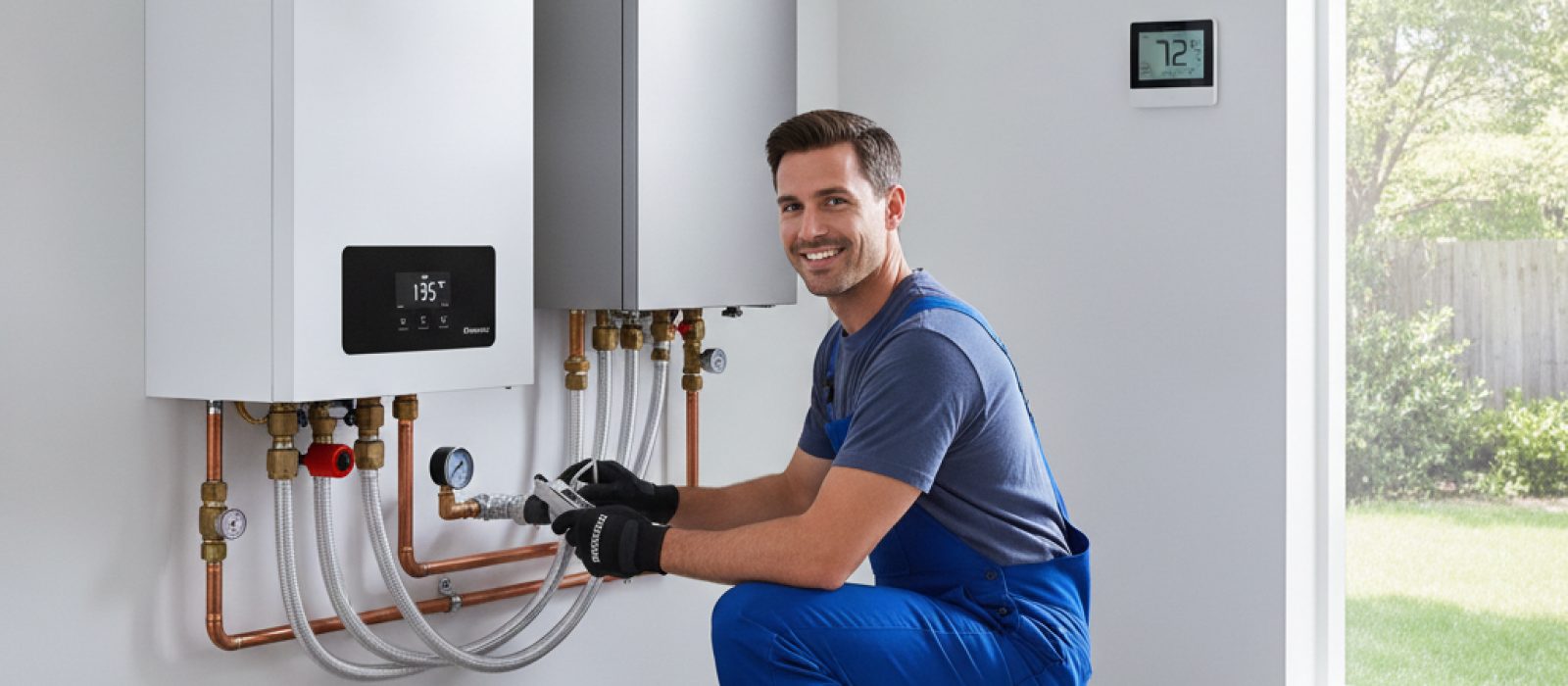
Learn how Rinnai combi boilers provide dual-function heating and hot water, helping you decide if this high-efficiency technology fits your home.
Be the first to comment.