
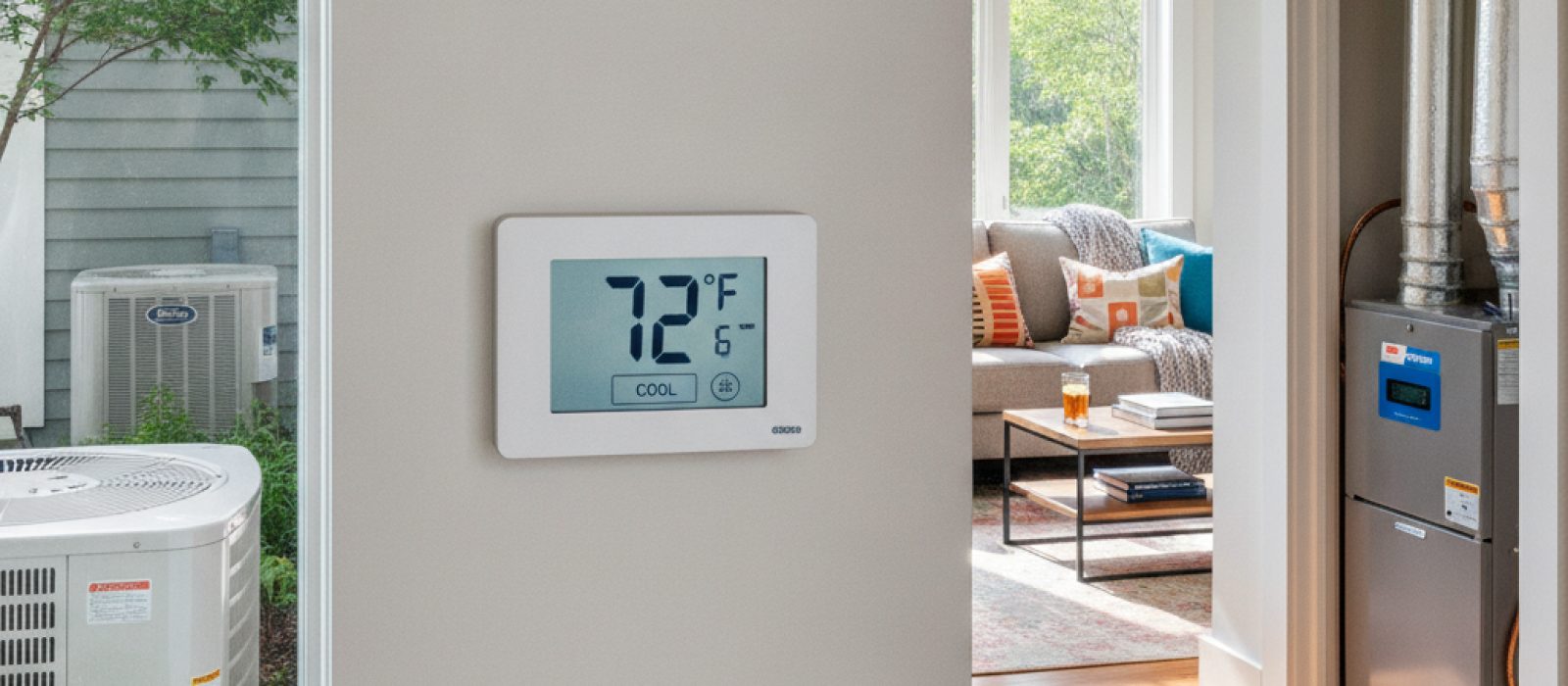
York, Ruud, Bryant and American Standard HVAC: Brand Overview
A guide to understanding the cooling technology and reliability of four major HVAC manufacturers for U.S. homeowners.
4 min read

Trane HVAC systems are engineered to manage residential climate control through a modular architecture consisting of outdoor condensers, indoor air handlers, and integrated control systems. These systems prioritize mechanical durability and energy-efficient heat exchange cycles. Understanding how these components interact is essential for homeowners looking to optimize their indoor environment.
The outdoor unit functions as the heart of the cooling cycle, housing the compressor, condenser coil, and fan. The compressor is responsible for pressurizing the refrigerant, which then travels through the condenser coil to release heat absorbed from the home's interior. Trane utilizes various compressor designs, ranging from single-stage units that operate at full capacity to variable-speed models that adjust output based on real-time demand.
Proper airflow around the outdoor unit is critical. Vegetation, debris, and structural obstructions can impede heat dissipation, forcing the compressor to work harder and increasing the risk of mechanical failure. Routine Maintenance & Tune-up services ensure that the condenser coils remain clean and the fan motor is operating within factory specifications.
Heat pumps function similarly to traditional air conditioners during the summer months but include a reversing valve that allows the system to change the direction of refrigerant flow. This capability enables the unit to extract thermal energy from the outdoor air and move it indoors during cooler months. For homeowners exploring Heat Pumps, the primary advantage is the ability to manage both heating and cooling through a single mechanical system.
The efficiency of a heat pump is highly dependent on the local climate. In regions with extreme sub-freezing temperatures, auxiliary heat strips or a hybrid dual-fuel setup may be required to maintain consistent indoor temperatures. These systems require precise calibration to ensure the transition between heat pump operation and auxiliary heating is seamless.
The air handler is the indoor component responsible for circulating conditioned air throughout the ductwork. It houses the blower motor, the evaporator coil, and the filtration system. The performance of the air handler directly dictates the consistency of airflow and the effectiveness of air filtration throughout the living space.
Advanced air handlers often feature variable-speed motors, which allow for quieter operation and better humidity control. When the blower runs at lower speeds for longer durations, the evaporator coil spends more time removing moisture from the air, which is a key component of effective Indoor Air Quality management. Homeowners should prioritize regular filter changes to prevent debris from accumulating on the evaporator coil, which can lead to restricted airflow and ice buildup.
Even the most efficient HVAC system will underperform if the distribution network is compromised. Ductwork Services are essential for identifying leaks, kinks, or improper sizing that prevent conditioned air from reaching its destination. A system that is correctly sized but connected to poorly sealed ducts will result in energy loss and inconsistent temperatures across different rooms.
Digital thermostats act as the brain of the system, managing the communication between the outdoor unit and the indoor air handler. Modern smart controls allow for precise scheduling and remote monitoring. If you are experiencing connectivity issues or inconsistent cycling, consulting a professional for Thermostat Services can help determine if the issue lies in the control wiring or the system's logic board.
While professional service is required for refrigerant handling and electrical diagnostics, there are several tasks homeowners can perform to keep their cooling system in peak condition:
Attempting to bypass safety switches or modifying electrical components is dangerous and can void equipment warranties. If the system fails to start or produces an unusual odor, shut off the power at the breaker panel and request a professional inspection.
A guide to understanding the cooling technology and reliability of four major HVAC manufacturers for U.S. homeowners.
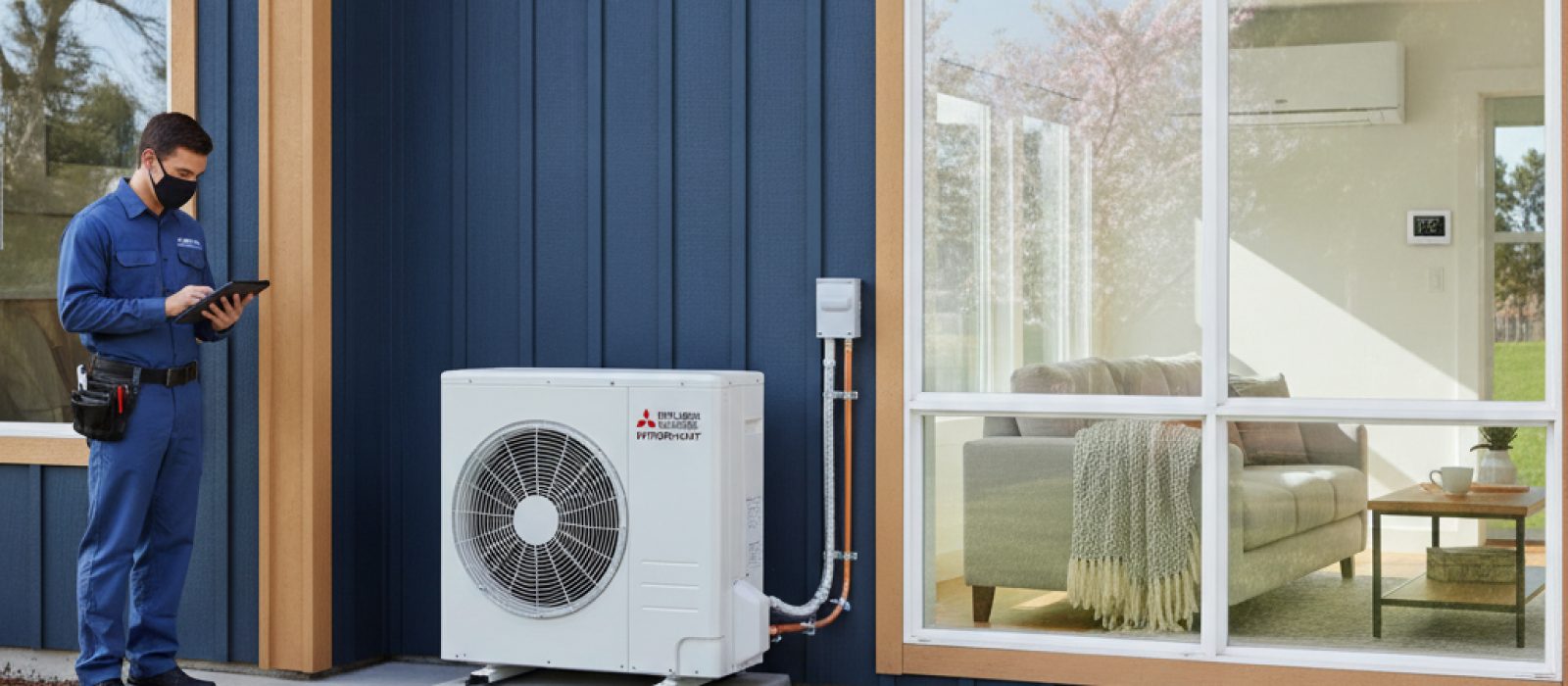
A comprehensive look at Mitsubishi mini-split technology and Hyper-Heat performance for year-round climate control in U.S. homes.
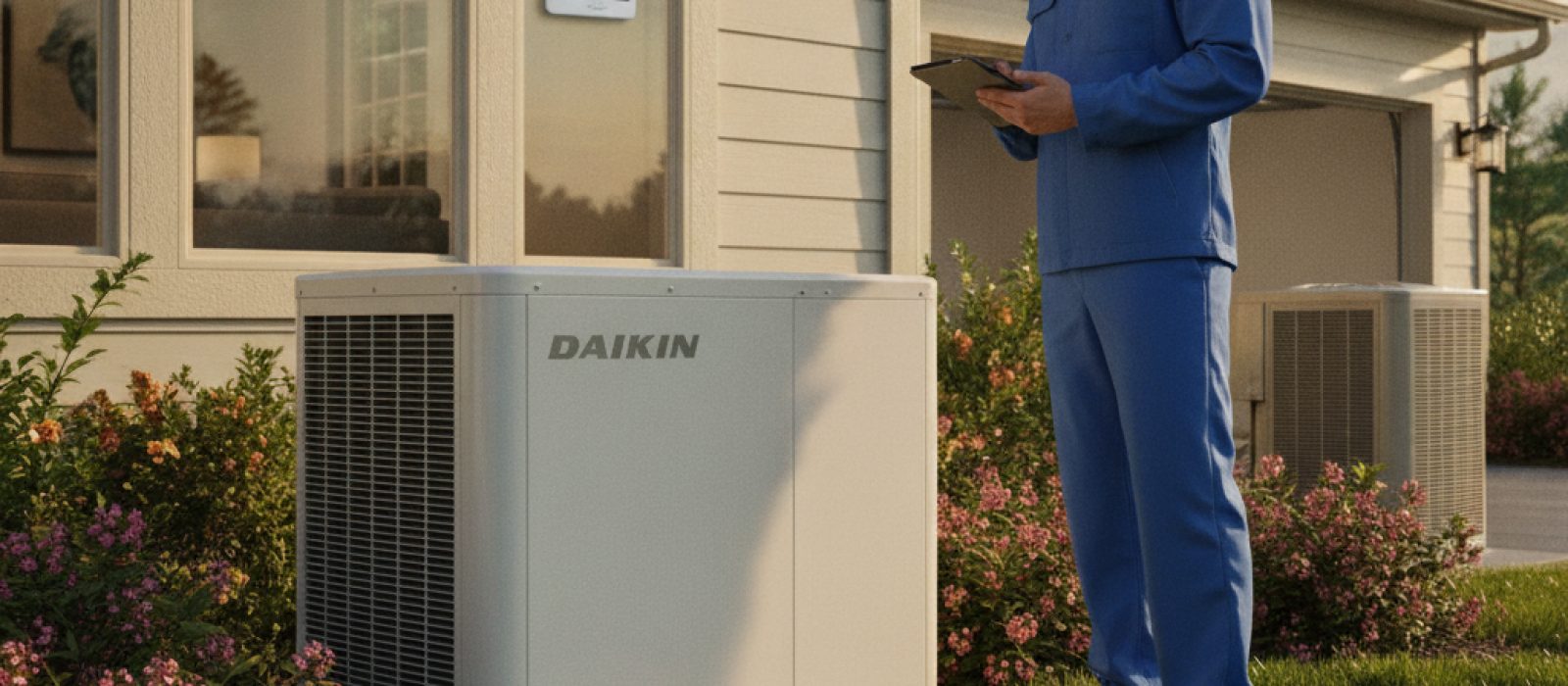
A comprehensive guide to understanding Daikin HVAC systems, including model tiers, standard maintenance requirements, and factory warranty coverage.
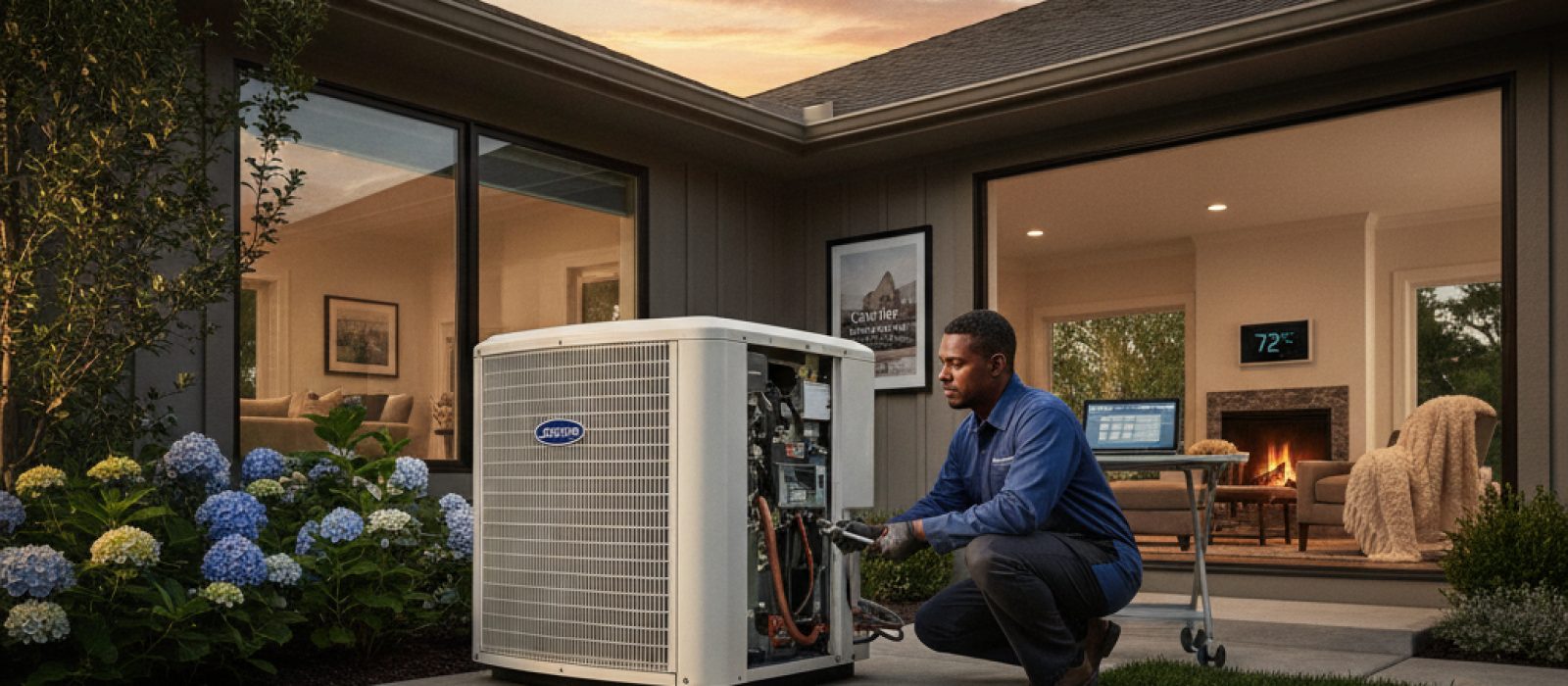
A comprehensive guide to understanding Carrier air conditioning systems, efficiency ratings, installation factors, and maintenance requirements.
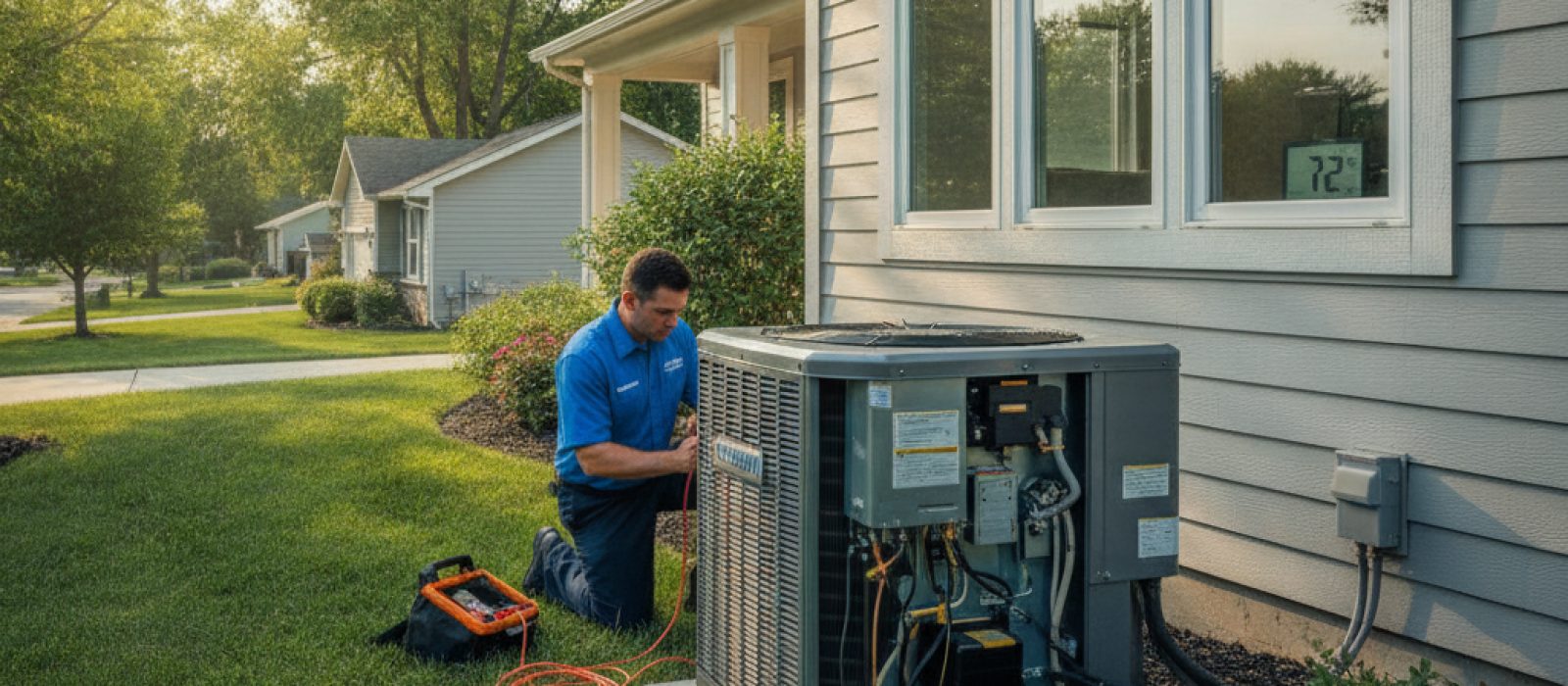
An objective look at Goodman HVAC systems, covering performance, longevity, and what homeowners should know before choosing a budget-friendly cooling solution.
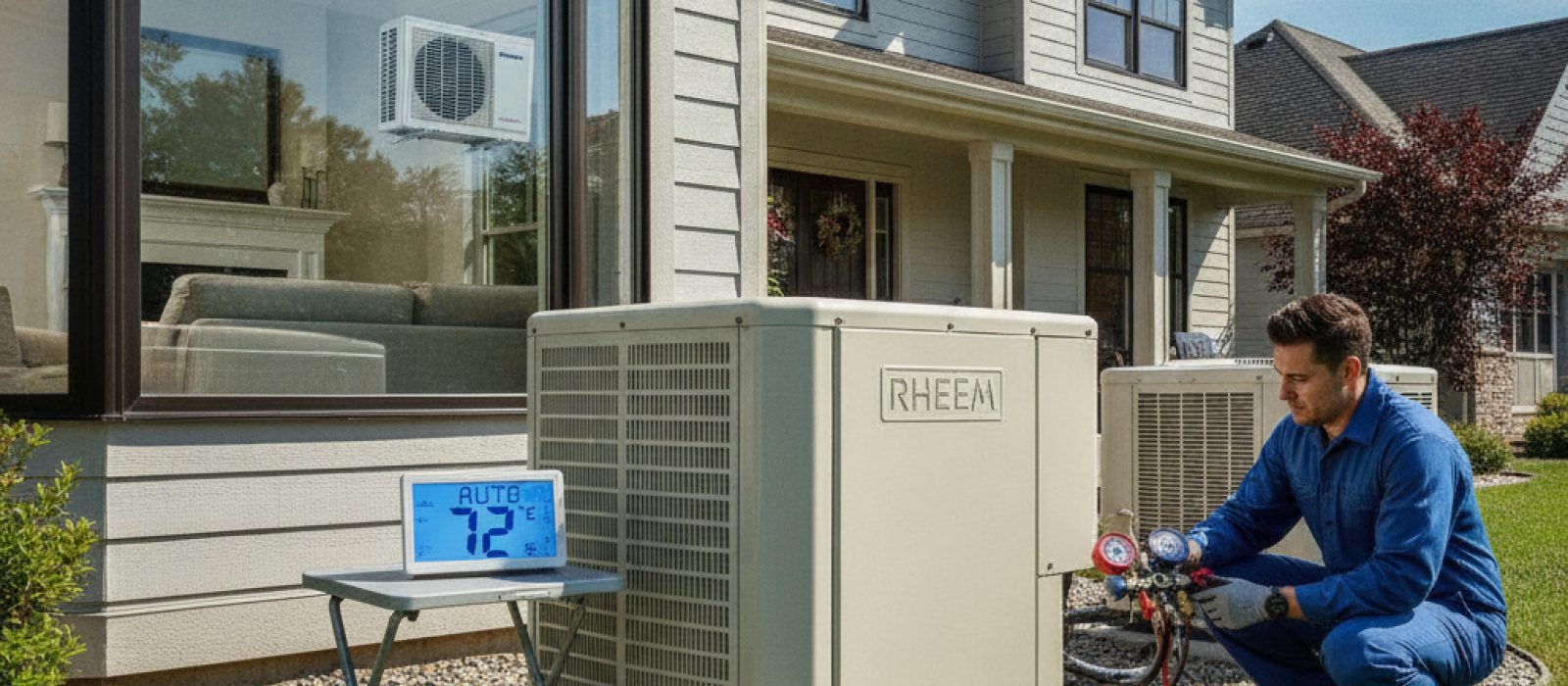
A practical guide to understanding Rheem HVAC systems, covering cooling performance, heating efficiency, and essential maintenance for homeowners.
Be the first to comment.