
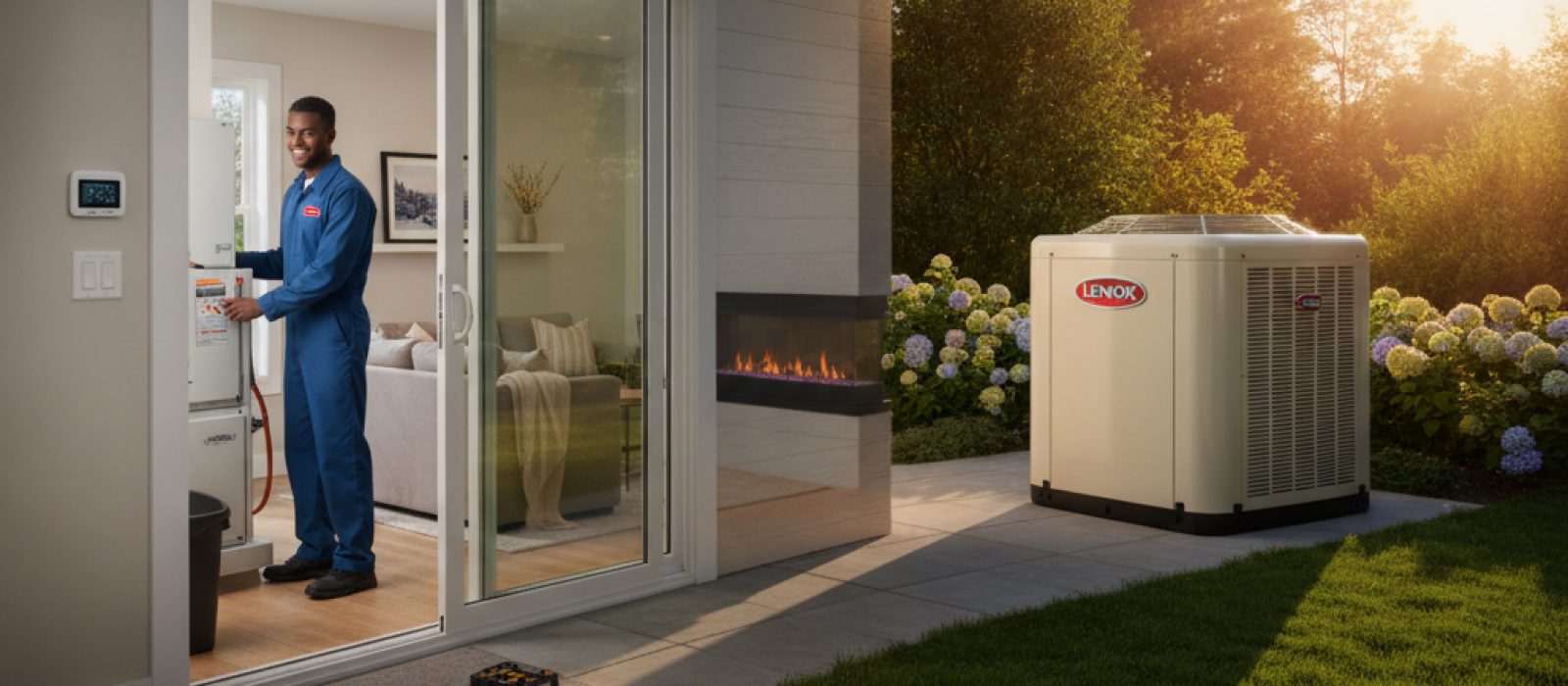
Lennox Furnaces and Heat Pumps: Repair Costs and Buying Guide
A practical guide for homeowners evaluating Lennox heating and cooling systems, covering repair expectations, maintenance needs, and replacement factors.
3 min read

Chicago winters place unique demands on residential heating equipment. When temperatures drop well below freezing for extended periods, furnaces must work continuously to maintain indoor comfort, often running for hours without a break. This high-demand environment accelerates wear on mechanical components and exposes vulnerabilities in older or poorly maintained systems. Homeowners who proactively address potential failure points before the first deep freeze can significantly reduce the risk of a mid-winter emergency.
Reliable heating starts with a clear, unobstructed airflow. The most critical task for any homeowner is the regular inspection and replacement of air filters. A clogged filter restricts airflow, forcing the blower motor to work harder, which can cause the system to overheat or shut down prematurely. During the heating season, check filters monthly and replace them whenever they appear gray or dusty.
While checking the filter, inspect the area surrounding the furnace. Ensure that no storage boxes, cleaning supplies, or flammable materials are within several feet of the unit. Clear space allows for proper ventilation and reduces fire hazards, ensuring that professional technicians have the necessary clearance if they need to perform Furnace Services.
High-efficiency furnaces utilize PVC piping to vent exhaust gases and pull in fresh air from outside. These pipes often terminate on the side of the home or near the foundation. During heavy snow events, these vents can become blocked by drifting snow or ice accumulation. A blocked intake prevents the burner from igniting, while a blocked exhaust can trigger a pressure switch safety shutdown. Inspect these pipes after every major snowfall to ensure they remain clear of obstructions.
Systems rarely fail without warning, though the signs are often subtle. Paying attention to changes in how the furnace operates can help you avoid a total breakdown. Unusual noises, such as grinding, rattling, or squealing, often indicate loose parts or a failing motor bearing. If the furnace cycles on and off more frequently than usual, known as short-cycling, it may signal an underlying issue with the thermostat or a restricted heat exchanger.
Yellow or flickering burner flames are another critical warning sign. A healthy gas furnace should produce a crisp, steady blue flame. If the flame appears yellow or orange, it may indicate incomplete combustion or the presence of carbon monoxide. If you observe these colors, shut the system down immediately and contact a professional for Maintenance & Tune-up services to ensure the safety of your household.
Winter in Chicago often means keeping windows sealed tight, which traps pollutants inside the home. As the furnace circulates air, it can spread dust, pet dander, and allergens throughout the living space. Integrating Indoor Air Quality solutions, such as high-efficiency media filters or air purification systems, can help mitigate these issues while the furnace is running.
Low humidity is another common side effect of consistent furnace use. Dry air not only causes discomfort, such as dry skin and static electricity, but it can also make the home feel cooler than it actually is. Maintaining a consistent humidity level can improve your perceived comfort, potentially allowing you to set the thermostat slightly lower without sacrificing warmth.
While DIY maintenance keeps the system clean, certain tasks require specialized tools and training. Attempting to repair electrical components, gas valves, or heat exchangers without proper certification poses a significant safety risk. If the furnace fails to ignite, trips a circuit breaker, or emits a burning smell, professional intervention is necessary. These scenarios are often addressed during emergency Heating Services calls to restore comfort as quickly as possible.
Regular annual inspections are the best defense against winter breakdowns. A technician can test the integrity of the heat exchanger, calibrate safety controls, and clean internal components that are inaccessible to the average homeowner. This routine care extends the lifespan of the equipment and provides peace of mind throughout the coldest months of the year.
A practical guide for homeowners evaluating Lennox heating and cooling systems, covering repair expectations, maintenance needs, and replacement factors.
Learn how the Carrier Infinity series heat pumps and ductless systems balance high-efficiency heating with advanced climate control features.
Learn how the air handler functions as the heart of your HVAC system, circulating air and regulating temperature throughout your home.
Learn how specific furnace brands influence repair frequency, component availability, and the diagnostic process for your home heating system.
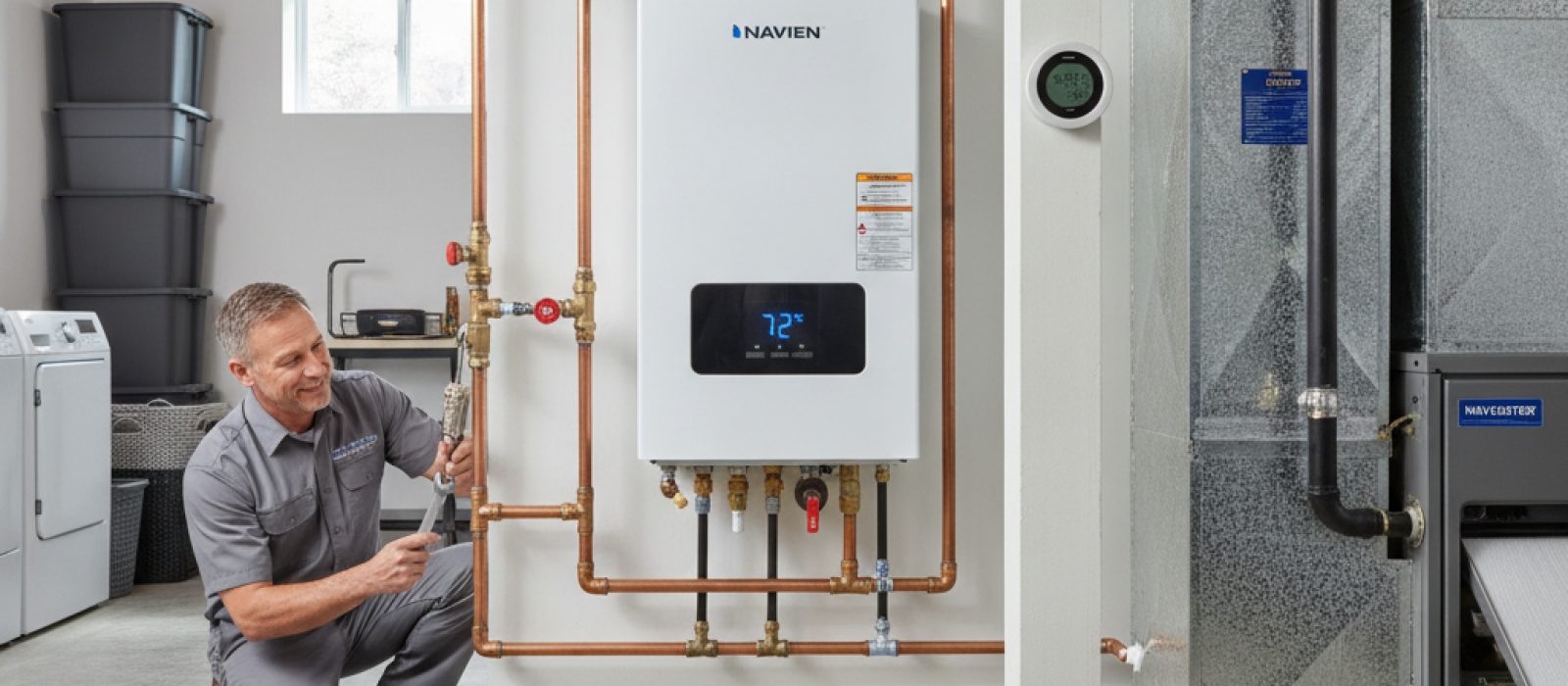
Evaluate the performance, efficiency, and installation requirements of Navien boilers for your residential heating system.
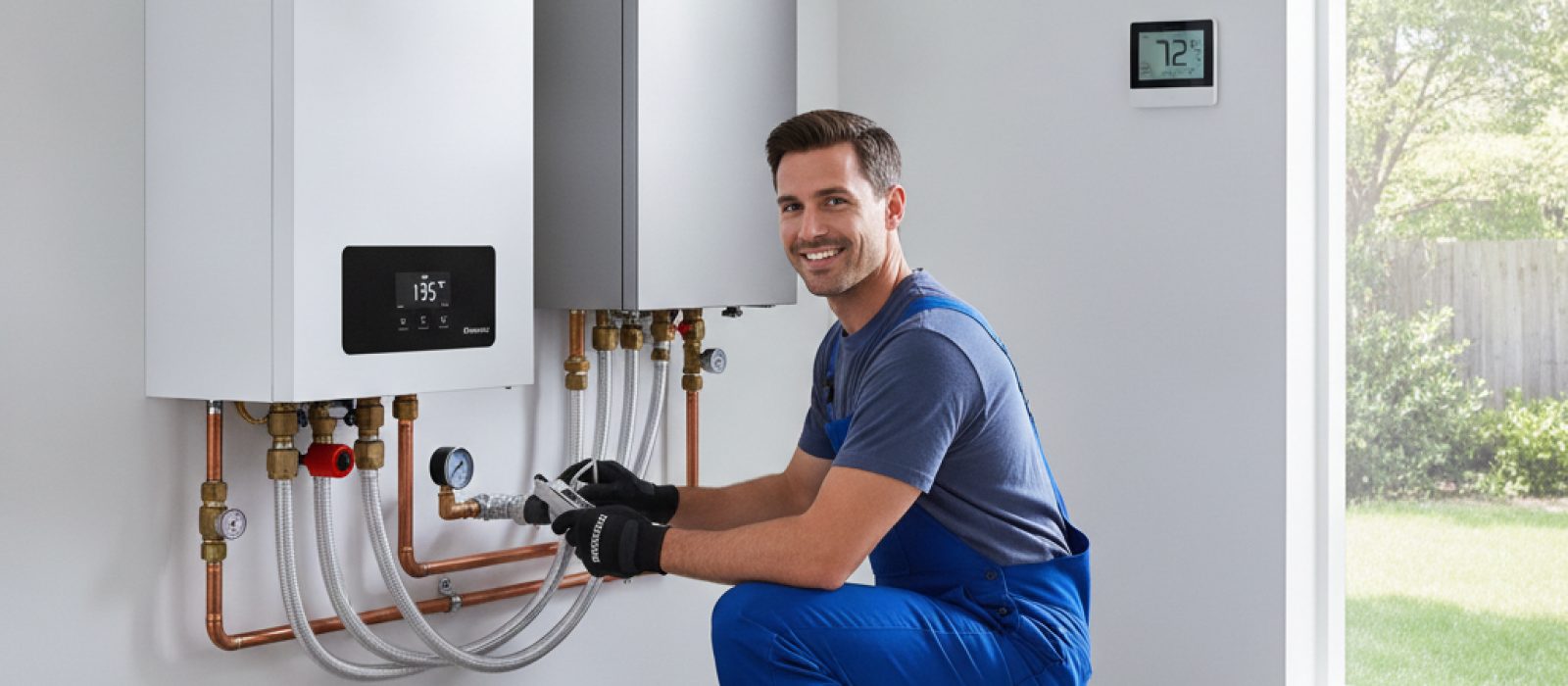
Learn how Rinnai combi boilers provide dual-function heating and hot water, helping you decide if this high-efficiency technology fits your home.
Be the first to comment.