
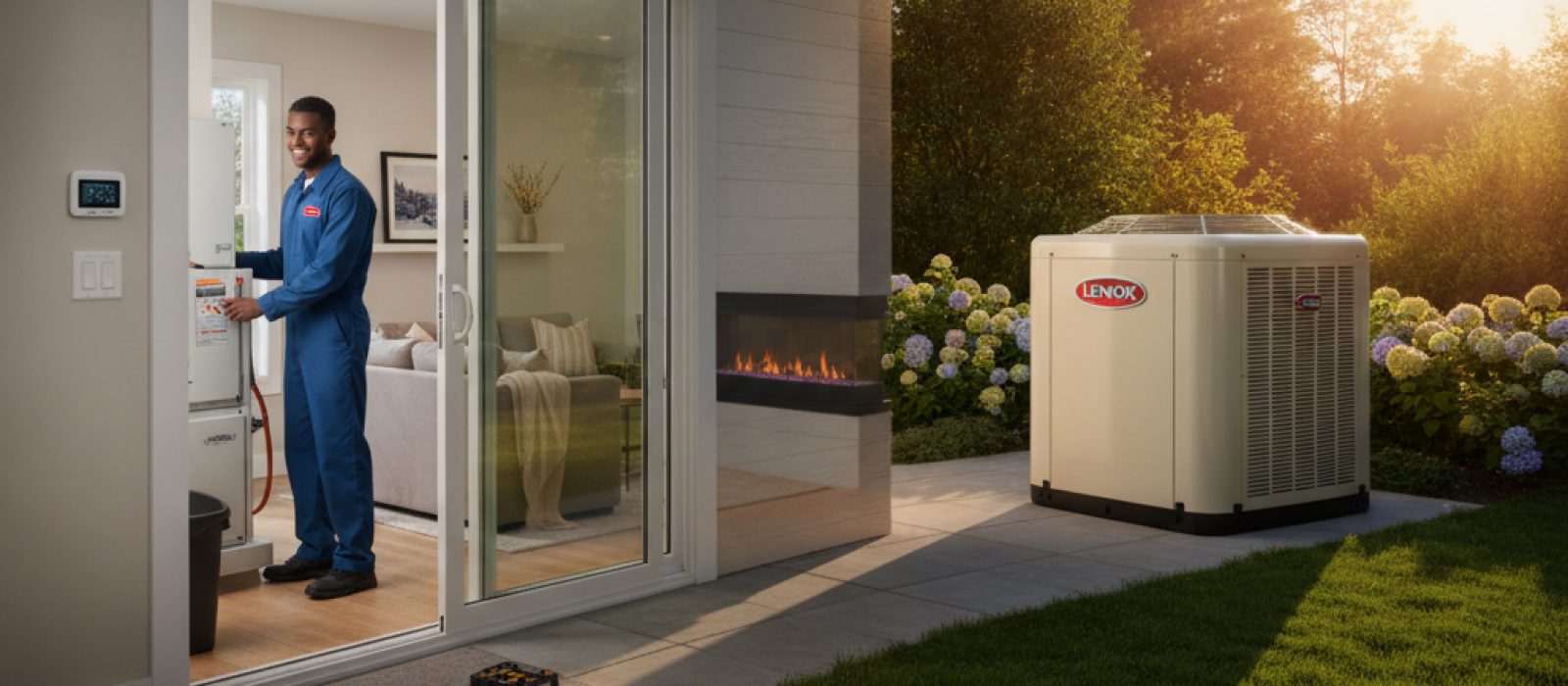
Lennox Furnaces and Heat Pumps: Repair Costs and Buying Guide
A practical guide for homeowners evaluating Lennox heating and cooling systems, covering repair expectations, maintenance needs, and replacement factors.
3 min read

A dual fuel system, often referred to as a hybrid heating system, integrates an electric heat pump with a gas-fired furnace. This configuration leverages the efficiency of electricity during moderate temperatures and the high heating capacity of natural gas or propane during extreme cold. By alternating between these two energy sources, the system automatically selects the most cost-effective and efficient method to maintain set indoor temperatures.
The core of a dual fuel system is the intelligent control logic managed by the thermostat. When outdoor temperatures are mild, the electric heat pump extracts warmth from the outside air to heat the home. Because heat pumps move existing heat rather than generating it through combustion, they are highly efficient during these periods.
As outdoor temperatures drop toward freezing, the heat pump's efficiency decreases. Once the temperature reaches a pre-determined 'balance point,' the system triggers the furnace to take over. The furnace provides consistent, high-temperature heat, ensuring the home remains comfortable even when the outdoor air is too cold for the heat pump to operate effectively on its own.
The balance point is the specific outdoor temperature threshold where the heat pump can no longer meet the home's heating demand efficiently. This setting is crucial for maximizing energy savings. If the balance point is set correctly, the system will switch to the furnace only when necessary, preventing the heat pump from running excessively in inefficient conditions.
Homeowners should consult with a professional during their annual Maintenance & Tune-up to verify that this balance point is calibrated correctly for their local climate. Adjustments may be needed if local utility rates fluctuate or if the home's insulation profile changes.
The primary advantage of a dual fuel setup is flexibility. In regions where temperatures vary significantly throughout the winter, this system avoids the high costs associated with using a furnace during mild days and the performance limitations of a heat pump during bitter cold snaps.
Converting to a dual fuel system requires careful planning. The heat pump must be compatible with the existing furnace's blower motor and the home's ductwork. A professional technician must evaluate the Ductwork Services to ensure they can handle the airflow requirements of both systems. In some cases, existing ducts may need modifications to reduce static pressure and improve overall airflow efficiency.
Furthermore, the electrical panel must have sufficient capacity to support both the heat pump and the furnace's electrical requirements. Adding a dual fuel system is often an ideal time to assess the overall Energy Efficient Solutions for the entire home, including checking for leaks in the air distribution system.
Dual fuel systems require specialized care compared to single-source heating setups. Because the system involves two distinct technologies—refrigerant-based cooling and combustion-based heating—the maintenance schedule must cover both.
Homeowners can perform basic tasks such as replacing air filters regularly to ensure proper airflow. However, checking refrigerant levels, inspecting the heat exchanger for cracks, and cleaning the outdoor condenser coils are tasks strictly for licensed professionals. Neglecting these aspects can lead to premature system failure or safety hazards related to combustion gases.
When considering a dual fuel system, focus on the Seasonal Energy Efficiency Ratio (SEER2) of the heat pump and the Annual Fuel Utilization Efficiency (AFUE) rating of the furnace. These ratings provide a standardized way to compare how effectively each component converts energy into heat or cooling.
It is also essential to choose a thermostat capable of managing the dual-stage logic required for these systems. A mismatched or incompatible thermostat can lead to the system switching fuels too frequently, which creates uneven heating and increases energy costs.
A practical guide for homeowners evaluating Lennox heating and cooling systems, covering repair expectations, maintenance needs, and replacement factors.
Learn how the Carrier Infinity series heat pumps and ductless systems balance high-efficiency heating with advanced climate control features.
Learn how the air handler functions as the heart of your HVAC system, circulating air and regulating temperature throughout your home.
Learn how specific furnace brands influence repair frequency, component availability, and the diagnostic process for your home heating system.
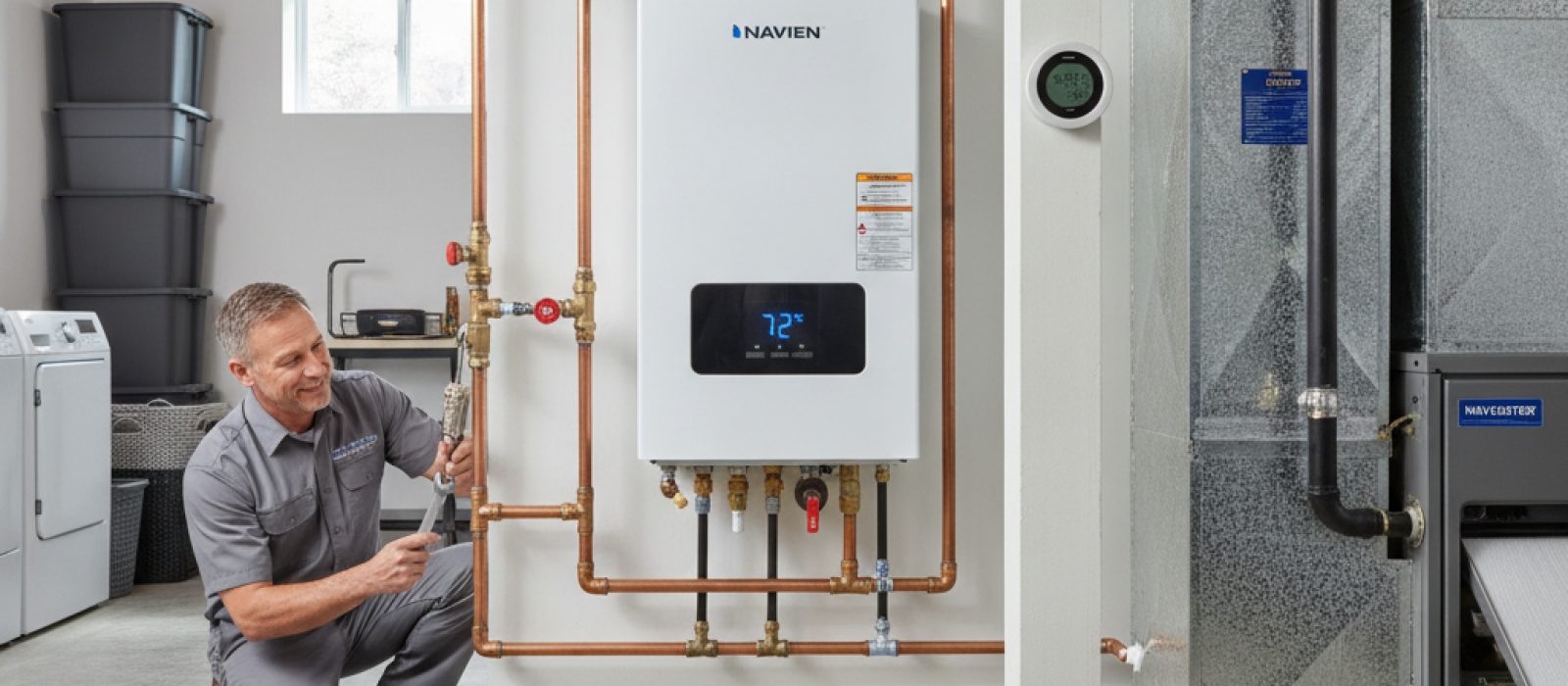
Evaluate the performance, efficiency, and installation requirements of Navien boilers for your residential heating system.
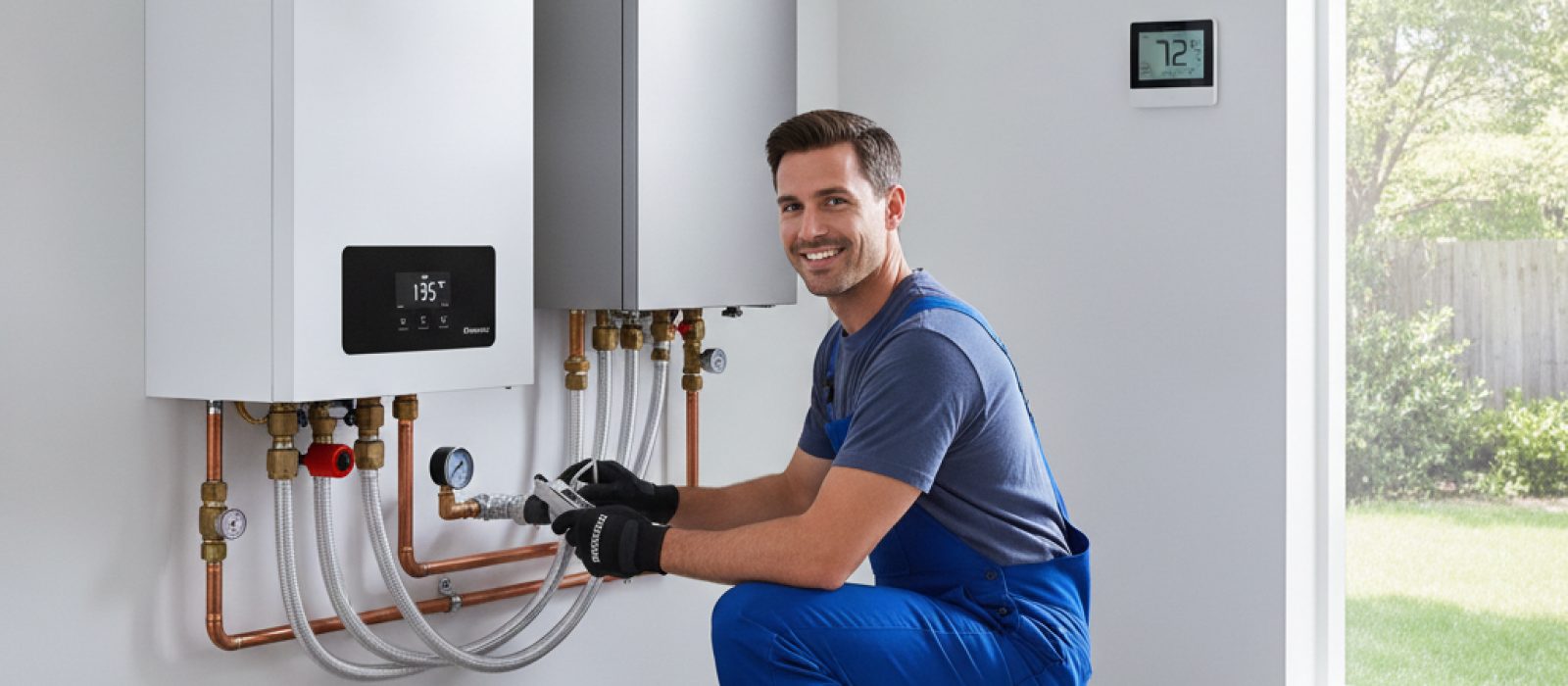
Learn how Rinnai combi boilers provide dual-function heating and hot water, helping you decide if this high-efficiency technology fits your home.
Be the first to comment.