
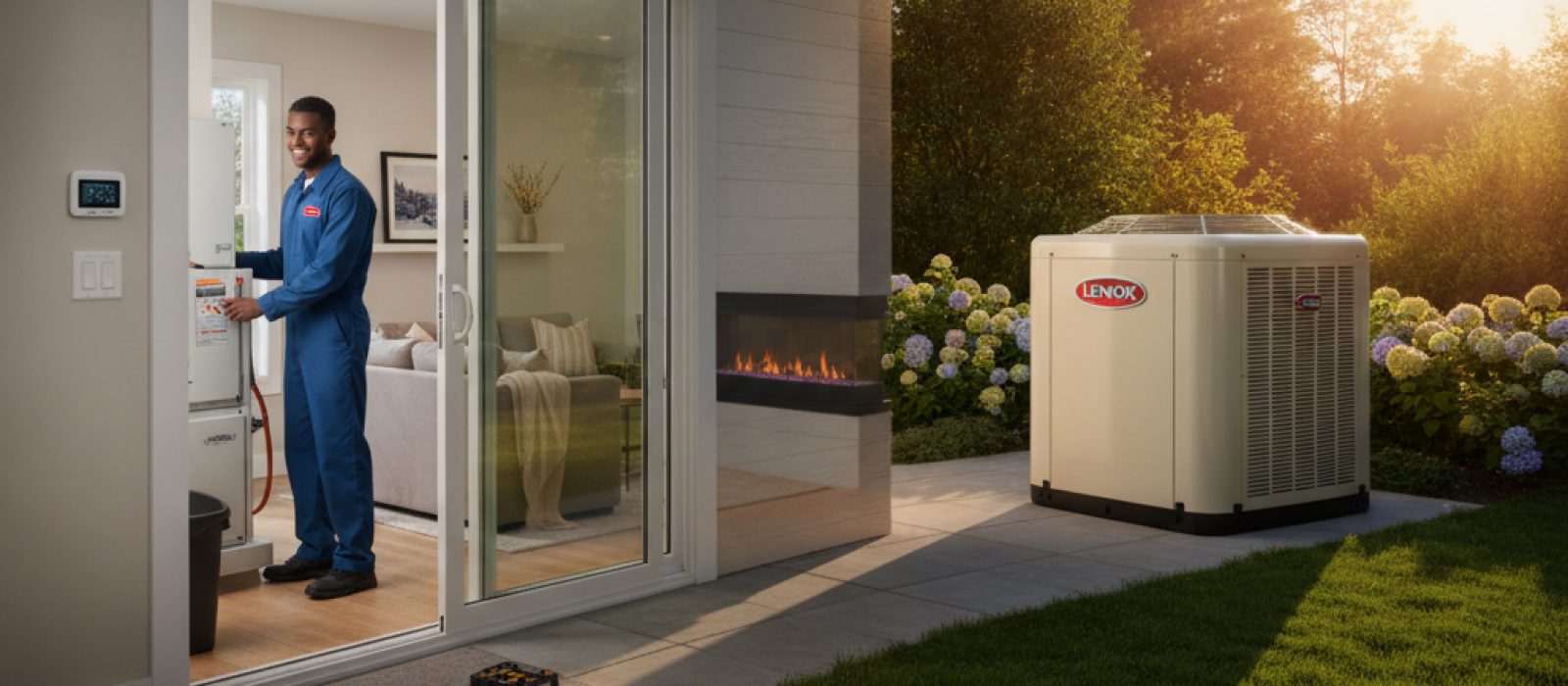
Lennox Furnaces and Heat Pumps: Repair Costs and Buying Guide
A practical guide for homeowners evaluating Lennox heating and cooling systems, covering repair expectations, maintenance needs, and replacement factors.
4 min read

Heat pumps are highly efficient systems that extract heat from the outdoor air to warm a home. However, as outdoor temperatures drop, the efficiency of a heat pump decreases, and the system may struggle to maintain the desired indoor temperature. To compensate for this, modern heat pump systems are equipped with secondary heating methods known as auxiliary heat and emergency heat. While these terms are often used interchangeably, they serve distinct purposes in managing home comfort.
Auxiliary heat, often labeled as 'AUX' on a thermostat, is an automated secondary heating source. It is designed to engage automatically when the heat pump cannot keep up with the thermostat's set temperature on its own. This typically occurs during cold snaps when the outdoor temperature falls below the system's balance point.
When the auxiliary heat engages, it usually activates electric heat strips located inside the air handler. These strips provide supplemental warmth to help the system reach the target temperature quickly. Once the heat pump has successfully raised the indoor temperature, the auxiliary heat shuts off, and the heat pump resumes normal operation. This process is seamless and managed entirely by the thermostat's logic.
Emergency heat, labeled as 'EMER' or 'EM' on a thermostat, is a manual setting. Unlike auxiliary heat, which operates automatically, emergency heat must be switched on by the homeowner. This setting is intended for use only when the primary heat pump system has failed or is unable to function entirely.
When you select the emergency heat setting, the thermostat sends a signal to bypass the heat pump compressor entirely and rely solely on the secondary heat source. Because electric heat strips are significantly less energy-efficient than the heat pump itself, this mode consumes far more electricity. It should be treated as a stopgap measure to prevent freezing pipes or dangerous indoor temperatures while waiting for professional Heating Services.
A homeowner should only activate emergency heat if the heat pump has stopped producing heat entirely. Common signs of a heat pump failure include the outdoor unit failing to start, unusual grinding noises, or a system that blows cold air when set to heat. If the system is still running but struggling, the thermostat will usually engage auxiliary heat on its own.
If you suspect a component failure, it is time to contact a technician for Emergency HVAC support. Running a system in emergency heat mode for an extended period can lead to exceptionally high utility bills, so this setting should be used sparingly.
Frequent engagement of auxiliary heat during mild weather can indicate an underlying issue. If the 'AUX' light stays on when temperatures are not particularly cold, the system may have a refrigerant leak or a failing compressor. Regular Maintenance and Tune-up visits are essential to ensure the heat pump is operating at peak performance, which minimizes the need for auxiliary heat and prevents premature wear on the electrical components.
Homeowners should also ensure that vents and registers are not blocked by furniture or rugs. Restricted airflow forces the system to work harder, which can inadvertently trigger the auxiliary heat strips. Additionally, checking the air filter regularly is a simple task that improves airflow and system efficiency. If you notice persistent issues with your system's performance, consulting with a professional regarding Thermostat Services can help determine if the equipment is calibrated correctly for your local climate.
While homeowners can safely switch between system modes, they should never attempt to perform electrical repairs on the heat strips or the compressor. These components operate on high-voltage circuits that pose significant safety risks. If the emergency heat fails to produce warmth, or if the breaker for the heat strips trips repeatedly, disconnect the system at the thermostat and contact a licensed technician immediately.
A practical guide for homeowners evaluating Lennox heating and cooling systems, covering repair expectations, maintenance needs, and replacement factors.
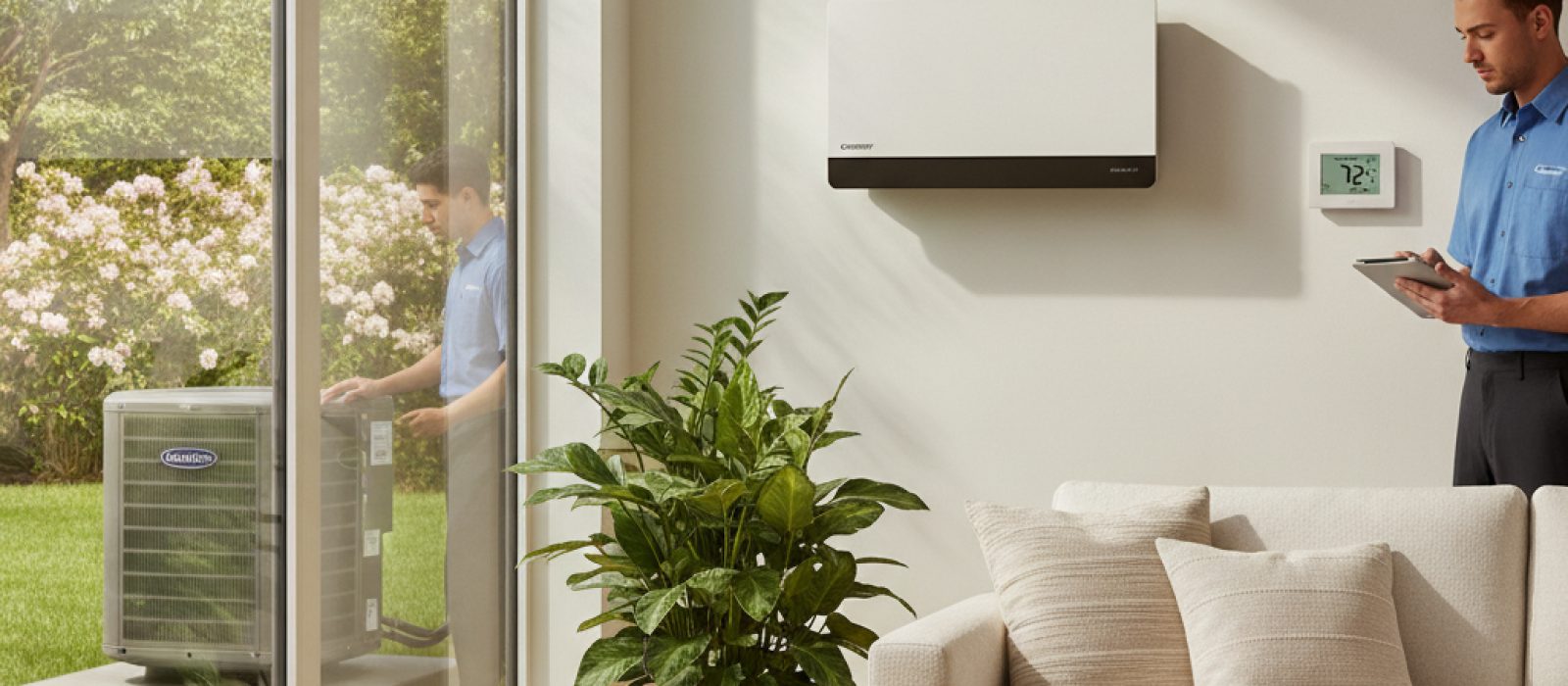
Learn how the Carrier Infinity series heat pumps and ductless systems balance high-efficiency heating with advanced climate control features.
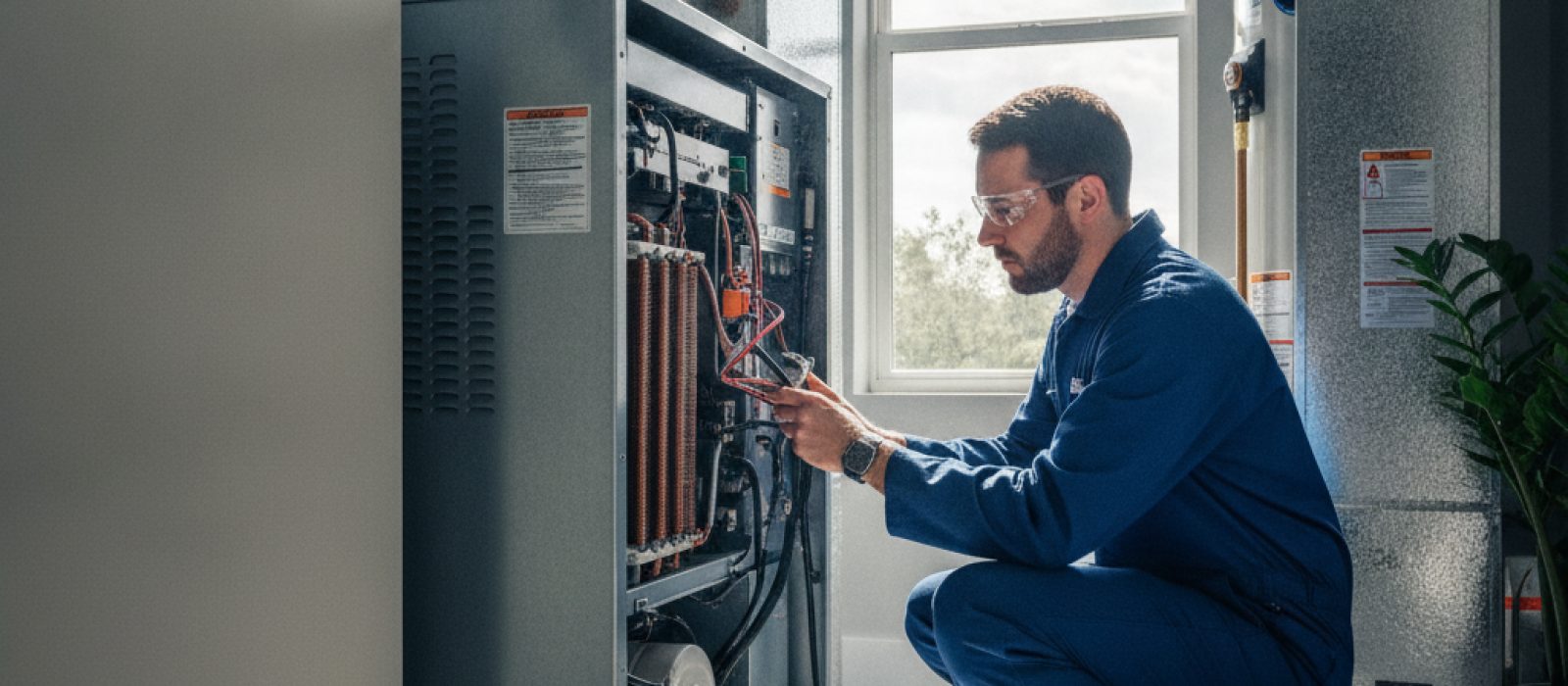
Learn how the air handler functions as the heart of your HVAC system, circulating air and regulating temperature throughout your home.
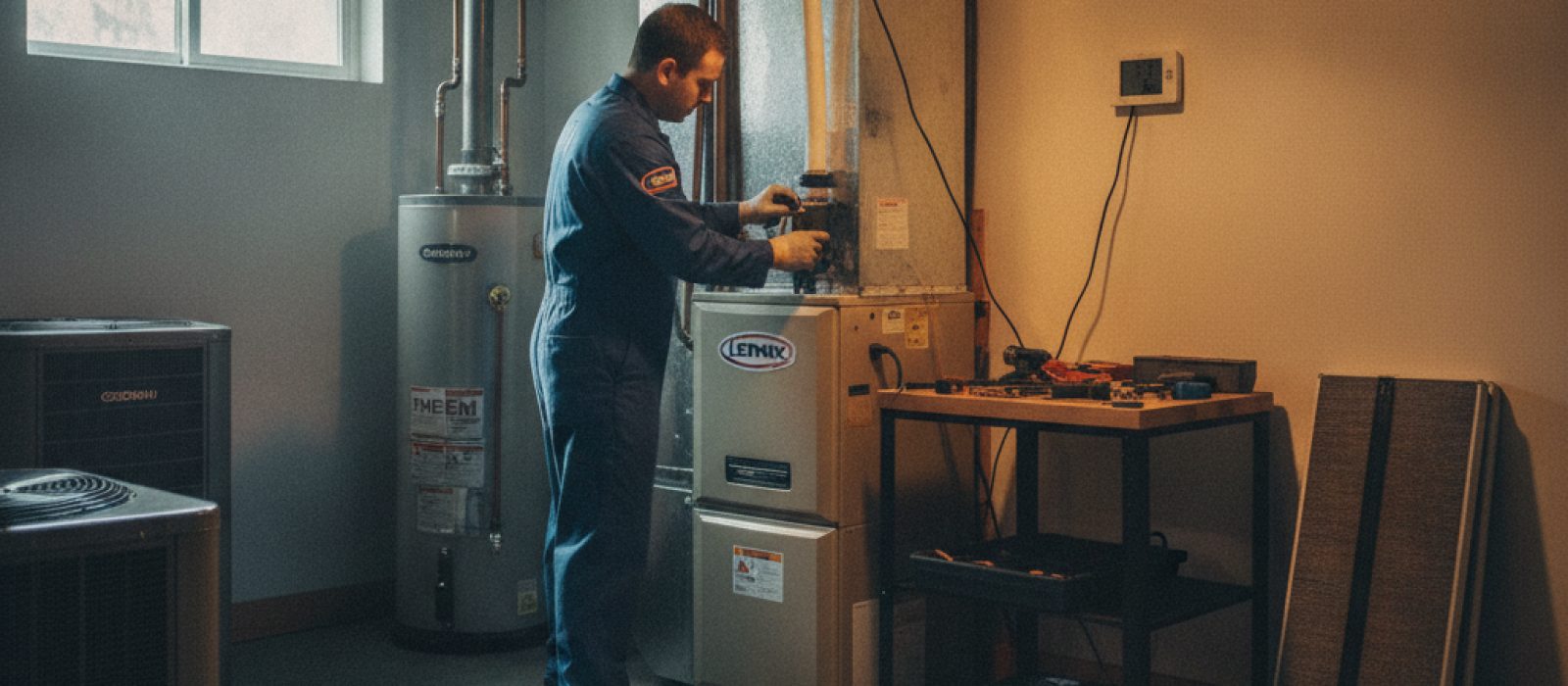
Learn how specific furnace brands influence repair frequency, component availability, and the diagnostic process for your home heating system.
Evaluate the performance, efficiency, and installation requirements of Navien boilers for your residential heating system.
Learn how Rinnai combi boilers provide dual-function heating and hot water, helping you decide if this high-efficiency technology fits your home.
Be the first to comment.