
Lennox Furnaces and Heat Pumps: Repair Costs and Buying Guide
A practical guide for homeowners evaluating Lennox heating and cooling systems, covering repair expectations, maintenance needs, and replacement factors.
4 min read

When a power outage strikes during cold weather, the immediate loss of heat can pose significant risks to both residents and property. Modern HVAC systems, including gas furnaces, heat pumps, and electric boilers, rely entirely on electricity to power control boards, blowers, and ignition systems. Even if a gas furnace has a fuel source, it will not operate without electrical power to manage the combustion sequence and heat distribution.
The first priority during an outage is to minimize heat loss. Seal off unused rooms by closing doors and covering windows with heavy curtains or blankets. Focus family activities in a single, central room that is easiest to keep warm. If the home has a fireplace or wood-burning stove, ensure the chimney flue is clear before use and verify that carbon monoxide detectors have fresh batteries, as these are essential for safety during alternative heating scenarios.
If you choose to use portable space heaters, prioritize models with automatic tip-over shut-off sensors and overheat protection. Never use gas-powered outdoor equipment, such as camping stoves, charcoal grills, or patio heaters, inside the home. These devices produce dangerous levels of carbon monoxide, an odorless and colorless gas that can reach lethal concentrations quickly in an enclosed space.
Electric space heaters can be used if you have a backup generator, but they must be connected directly to a wall outlet. Never plug a space heater into an extension cord or power strip, as these are common fire hazards due to the high electrical load. Ensure that any heater is placed at least three feet away from furniture, curtains, blankets, and other flammable materials.
Using a portable generator to power a furnace requires careful planning. A standard residential furnace blower motor requires a stable power supply; if the generator output fluctuates, it can damage the furnace control board. Consult with a professional regarding Electrical Services to ensure your home is equipped with a proper transfer switch. This switch safely disconnects your home from the utility grid before the generator takes over, preventing dangerous back-feeding into the power lines.
If you intend to run your heating system on a generator, verify the specific starting wattage and running wattage requirements of your unit. A professional technician can provide a load calculation to determine if your current generator capacity is sufficient for the furnace blower and the ignition system. Attempting to power a system that exceeds the generator’s capacity can lead to equipment failure or damage to the HVAC system components.
One of the most severe consequences of an extended power outage is the risk of frozen pipes. When the interior air temperature drops significantly, water lines located in exterior walls or unheated crawl spaces are highly vulnerable. If you cannot maintain a safe temperature, you must take steps to prevent pipe bursts, which often necessitate emergency Plumbing Services.
Shut off the main water supply to the home and open all faucets to drain the lines. Start with the highest faucet in the house and work your way down to the lowest point. Flush toilets to empty the tanks and add a small amount of RV-grade antifreeze to the traps if you anticipate the home will remain unheated for several days. This prevents water in the P-traps from freezing and cracking the plumbing fixtures.
For homeowners living in areas prone to frequent winter outages, investing in a permanent standby generator is a practical approach. Unlike portable units, these systems run on natural gas or propane and activate automatically when grid power is lost. They can be sized to support the entire home, including the blower motors for Heating Services, ensuring that your home remains comfortable and your pipes remain protected regardless of utility status.
Regular maintenance is a critical component of emergency readiness. An unmaintained furnace is more likely to fail during a startup attempt after a power restoration. Scheduling routine Maintenance & Tune-up visits ensures that burner assemblies, flame sensors, and blower motors are in optimal condition. A well-maintained system is far more reliable when faced with the stress of extreme weather conditions and intermittent power cycles.
If your heating system fails to restart after power is restored, do not attempt to bypass safety switches or modify the electrical wiring. A power surge can sometimes trip internal breakers or blow fuses on the furnace control board. If the system does not respond to the thermostat, contact a provider for Emergency HVAC services to inspect the unit for electrical damage. Attempting internal repairs without proper training can void warranties and pose significant safety risks to the occupants of the home.
A practical guide for homeowners evaluating Lennox heating and cooling systems, covering repair expectations, maintenance needs, and replacement factors.
Learn how the Carrier Infinity series heat pumps and ductless systems balance high-efficiency heating with advanced climate control features.
Learn how the air handler functions as the heart of your HVAC system, circulating air and regulating temperature throughout your home.
Learn how specific furnace brands influence repair frequency, component availability, and the diagnostic process for your home heating system.
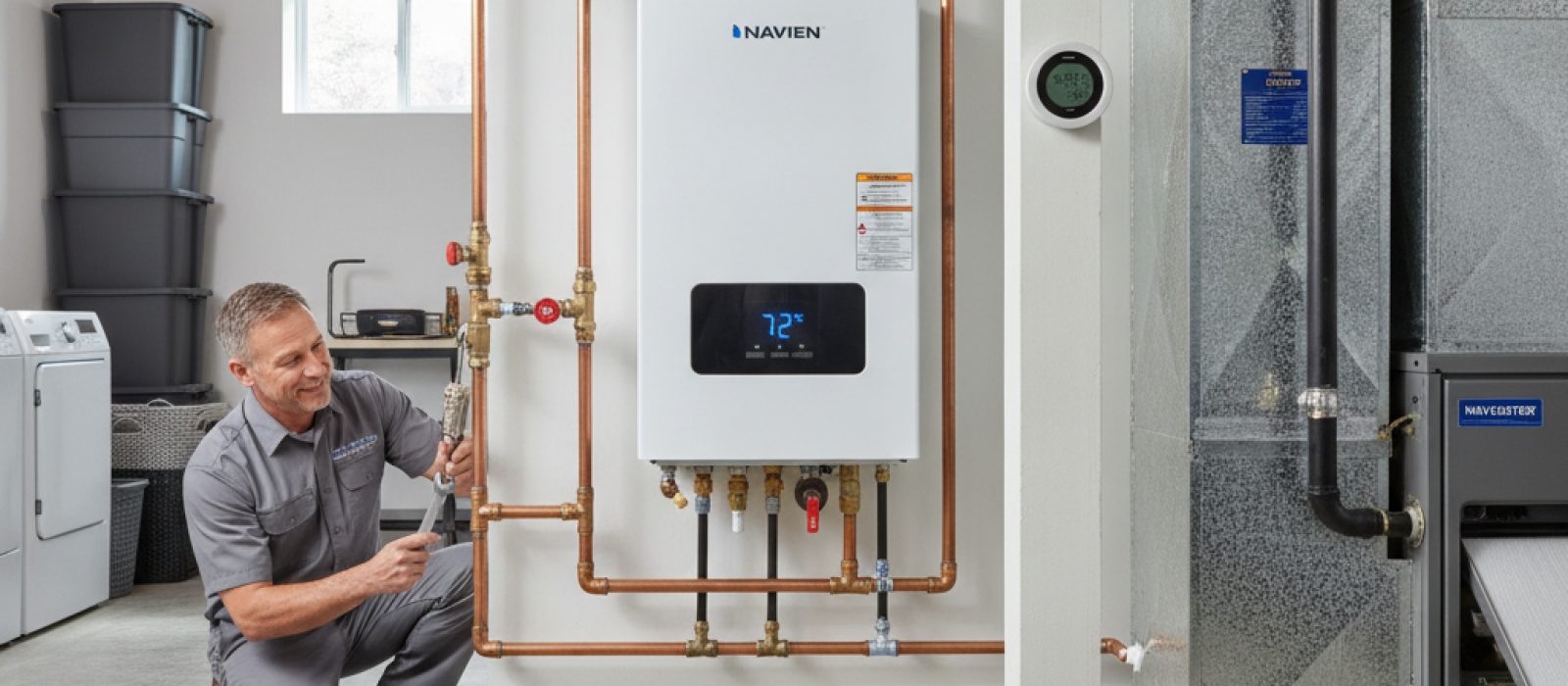
Evaluate the performance, efficiency, and installation requirements of Navien boilers for your residential heating system.
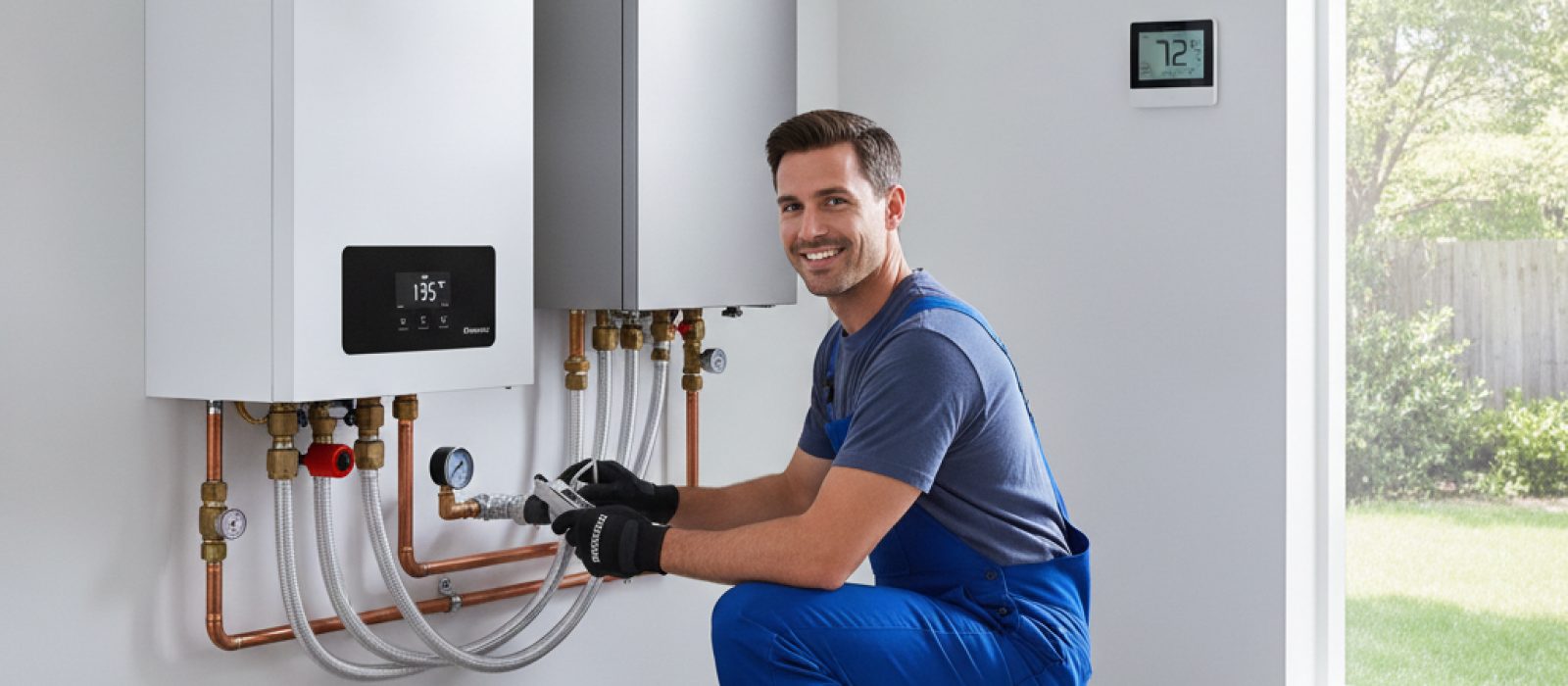
Learn how Rinnai combi boilers provide dual-function heating and hot water, helping you decide if this high-efficiency technology fits your home.
Be the first to comment.