
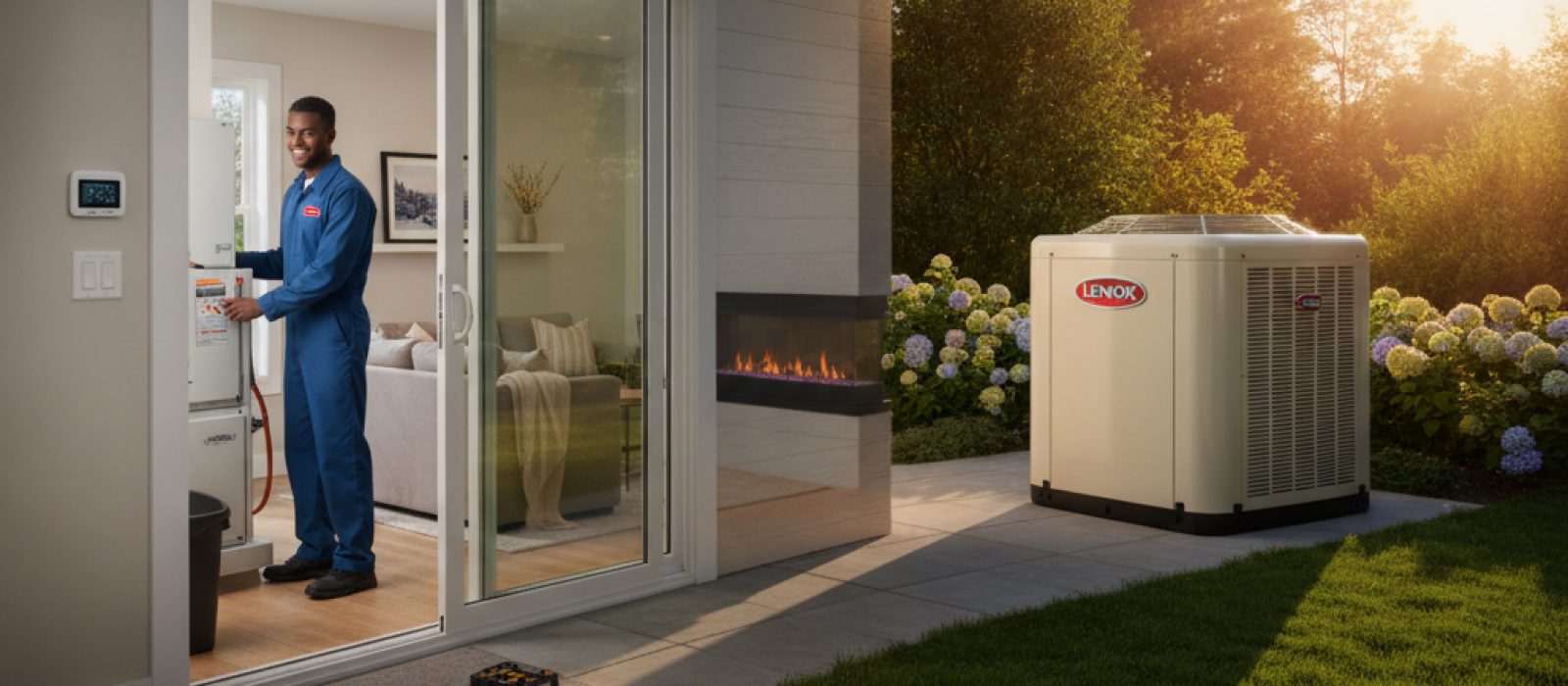
Lennox Furnaces and Heat Pumps: Repair Costs and Buying Guide
A practical guide for homeowners evaluating Lennox heating and cooling systems, covering repair expectations, maintenance needs, and replacement factors.
4 min read

The flame sensor is a critical safety component in modern gas furnaces. Its primary function is to detect the presence of a flame after the furnace ignition cycle begins. If the sensor fails to verify that the burners have ignited, the control board immediately shuts off the gas valve to prevent a dangerous accumulation of unburned fuel in the combustion chamber.
This component is typically a thin, metal rod located in the path of the burner flame. Over time, it can accumulate carbon buildup, rust, or oxidation. This layer acts as an insulator, preventing the sensor from detecting the electrical current flowing through the flame, which leads to frequent system shutdowns.
The most common sign of a failing flame sensor is a furnace that cycles on, ignites briefly, and then shuts down almost immediately. This cycle often repeats three times before the control board locks out the system for safety. If the furnace attempts to light but fails to maintain the flame, the sensor is often the culprit.
Homeowners may notice the blower fan continues to run or cycles off shortly after the burner fails. While other issues can cause similar behaviors, such as a malfunctioning pressure switch or a blocked intake pipe, the flame sensor is one of the most frequent points of failure due to the harsh environment inside the burn chamber. Regular Maintenance & Tune-up visits can help identify these issues before they lead to a complete heating failure during extreme weather.
Before attempting to inspect or clean a flame sensor, safety is the absolute priority. Turn off the power to the furnace at the service switch or the main breaker panel. Shut off the manual gas supply valve leading to the furnace. Never attempt to work on internal gas components if you smell gas or suspect a leak.
If you are uncomfortable working with electrical components or the gas supply, contact a professional for Furnace Services. Dealing with gas-fired equipment carries inherent risks, and improper handling can lead to fire or carbon monoxide hazards. If you lack the appropriate tools or experience, professional assistance is the safest route.
To find the flame sensor, remove the furnace's front access panel. Locate the burner assembly; the sensor is usually a single rod with a wire attached to it, mounted on the opposite side of the igniter. It is held in place by a single screw.
Use a nut driver or screwdriver to carefully remove the screw holding the sensor. Gently pull the sensor out of the burner assembly, being careful not to bend or snap the metal rod. Disconnect the electrical wire lead if necessary, noting its orientation for reattachment.
Once the sensor is removed, inspect it for a white or gray powdery coating. This is the carbon buildup that prevents the sensor from functioning correctly. Use a fine-grit abrasive pad—such as a clean, non-metallic scouring pad or a specialized cleaning cloth—to gently scrub the metal rod until it appears shiny and clean.
Do not use sandpaper or steel wool if possible, as these can leave behind residues or create deep scratches that promote faster future buildup. Wipe the sensor clean with a dry, lint-free cloth after scrubbing to remove any dust. Once the metal is clean and free of debris, reinsert it into the furnace, secure it with the screw, and reconnect the wire lead.
If the sensor is physically damaged, the porcelain insulator is cracked, or the metal rod is severely pitted or bent, cleaning will not restore its function. In these cases, the sensor must be replaced. Because these parts are specific to the furnace model, ensure you have the correct part number from the existing sensor or the furnace manual before purchasing a replacement.
If cleaning the sensor does not resolve the cycling issue, the problem may lie elsewhere, such as with the control board or a faulty gas valve. Persistent issues often require professional Heating Services to diagnose complex electrical or combustion problems. If the system continues to struggle, consider a comprehensive Emergency HVAC assessment to ensure the safety and efficiency of your home heating system.
A practical guide for homeowners evaluating Lennox heating and cooling systems, covering repair expectations, maintenance needs, and replacement factors.
Learn how the Carrier Infinity series heat pumps and ductless systems balance high-efficiency heating with advanced climate control features.
Learn how the air handler functions as the heart of your HVAC system, circulating air and regulating temperature throughout your home.
Learn how specific furnace brands influence repair frequency, component availability, and the diagnostic process for your home heating system.
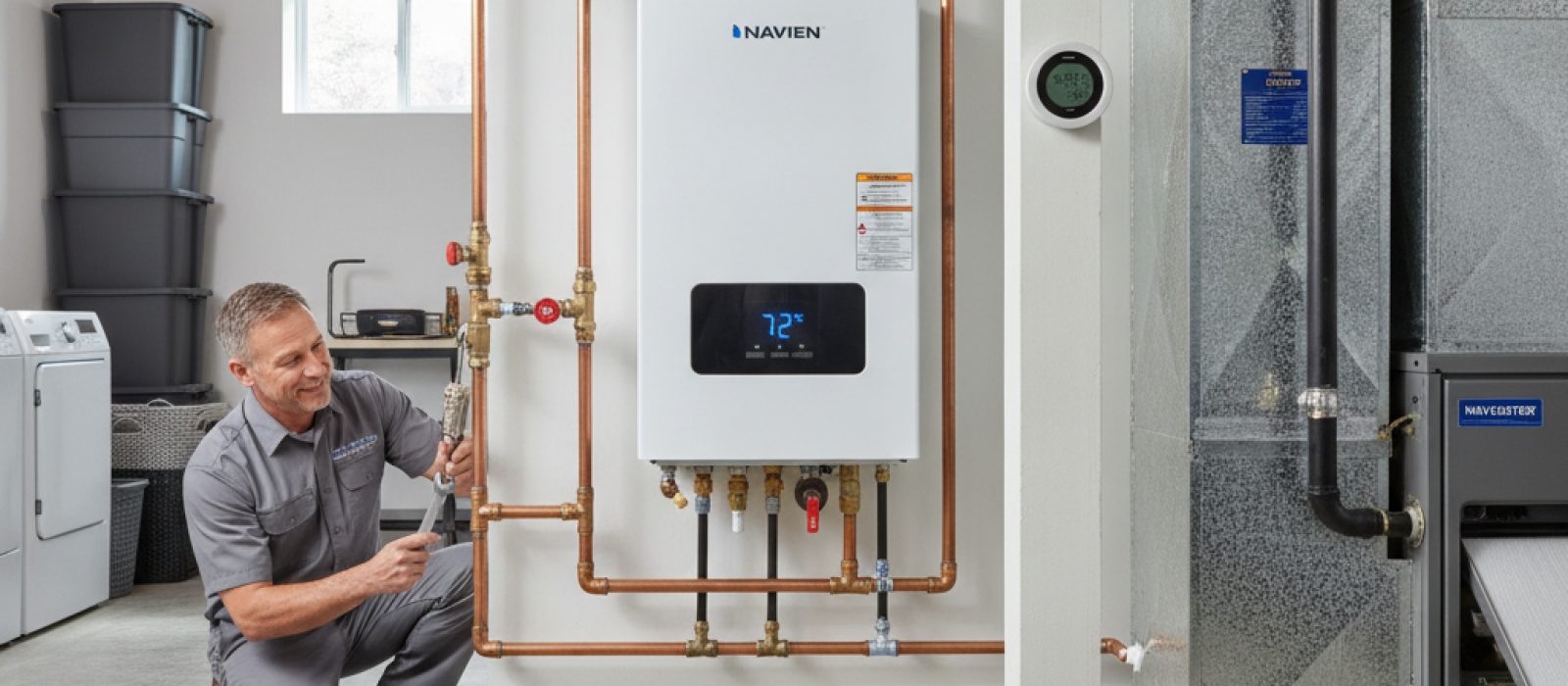
Evaluate the performance, efficiency, and installation requirements of Navien boilers for your residential heating system.
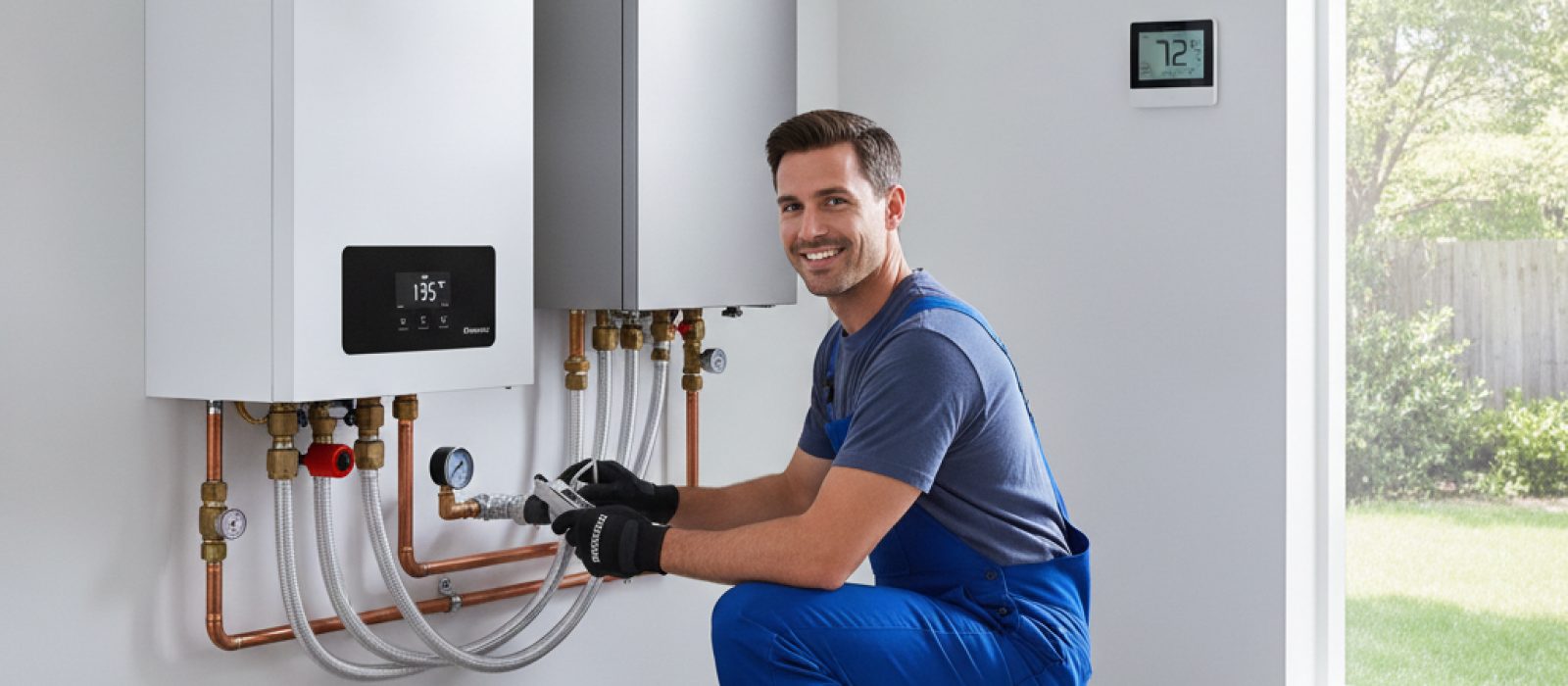
Learn how Rinnai combi boilers provide dual-function heating and hot water, helping you decide if this high-efficiency technology fits your home.
Be the first to comment.