
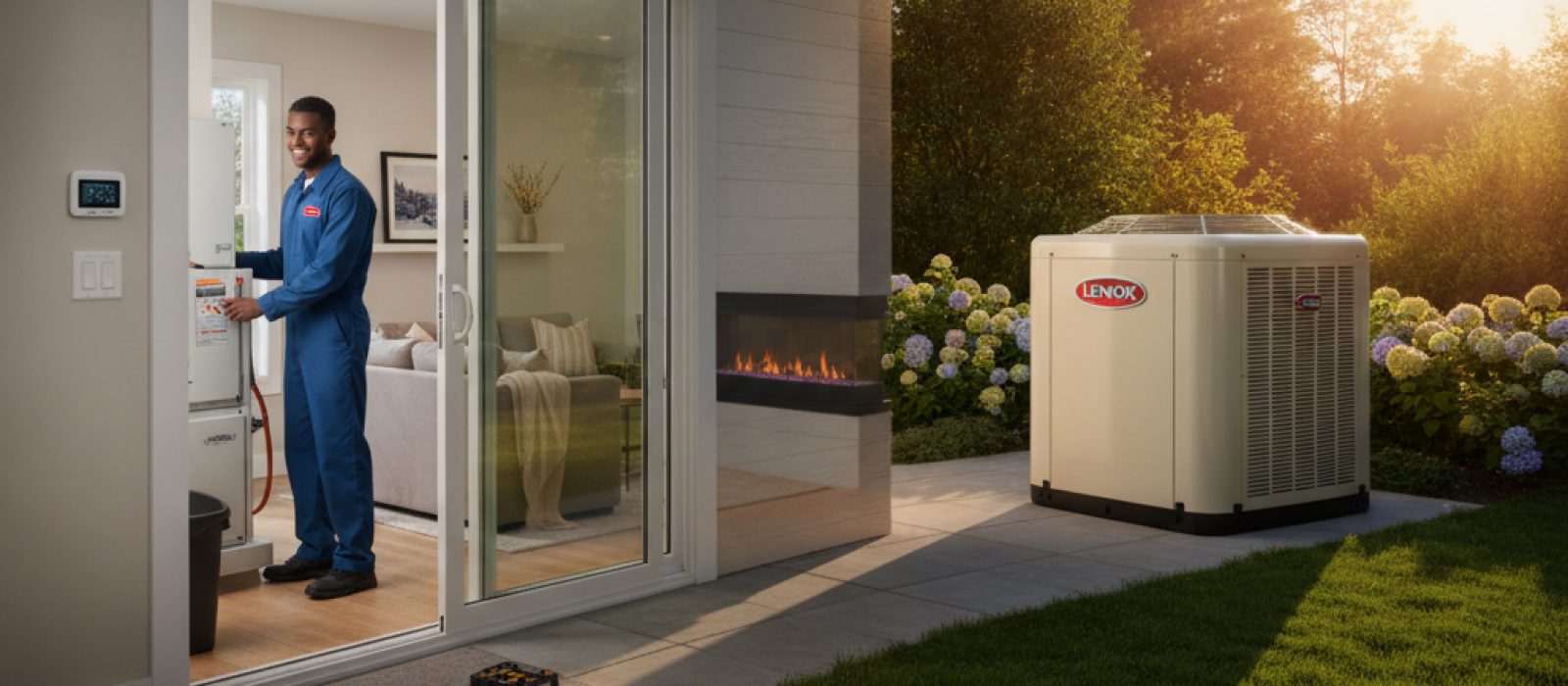
Lennox Furnaces and Heat Pumps: Repair Costs and Buying Guide
A practical guide for homeowners evaluating Lennox heating and cooling systems, covering repair expectations, maintenance needs, and replacement factors.
4 min read

Furnace repair costs depend on several variables, including the age of the equipment, the complexity of the internal mechanism, and the local labor rates in the region. Because modern high-efficiency units use sophisticated electronics, the cost of components varies significantly compared to older, standard-efficiency models.
Labor is a primary driver of the final invoice. Professionals generally charge based on the time required to diagnose the issue and perform the necessary repairs. Complex problems that require dismantling the unit to access internal components naturally involve more labor hours than simple adjustments or sensor replacements.
Regional differences also play a role. Availability of parts, the local cost of living, and the distance a technician must travel to reach a property all influence the service call fee. When evaluating the necessity of a repair, consider the overall efficiency of the system; sometimes, aging units require frequent interventions that eventually outweigh the cost of a full system upgrade.
Many heating problems stem from basic maintenance oversights rather than catastrophic failures. Before assuming a major component has failed, verify that the thermostat is set to the correct heating mode and that the power supply to the furnace has not been interrupted by a tripped circuit breaker.
Homeowners can safely perform basic tasks like replacing air filters or checking the thermostat settings. However, any issue involving the gas valve, heat exchanger, or electrical wiring requires the expertise of a professional who specializes in Furnace Services. Attempting to repair gas lines or electrical components without proper certification poses a significant safety risk.
A professional technician uses specialized tools to test the integrity of the heat exchanger, which is a critical safety component. A cracked heat exchanger can allow carbon monoxide to enter the living space, a situation that requires immediate system shutdown. Because this inspection requires specific training, it is a core part of professional Maintenance & Tune-up visits.
Beyond safety, technicians can identify secondary issues. For example, if a furnace is short-cycling, the problem might be airflow-related, but it could also be a symptom of a failing control board or an improperly sized system. Addressing only the symptom without correcting the root cause often leads to repeated service calls.
Deciding between a repair and a replacement often comes down to the "fifty percent rule." If the cost of the repair exceeds fifty percent of the value of a new unit, or if the furnace is nearing the end of its typical lifespan, replacement is often the more practical choice. Frequent issues often indicate that the internal components are degrading across the entire system.
If repairs are becoming a regular occurrence, it may be time to consult with a professional about Energy Efficient Solutions. Newer furnaces offer improved fuel utilization and quieter operation, which can offset the initial investment through lower monthly utility bills over time.
Regular maintenance is the most effective way to keep repair costs low. Scheduling an annual inspection ensures that moving parts are lubricated, electrical connections are tightened, and safety sensors are functioning correctly. This proactive approach allows technicians to catch minor wear and tear before it results in a total system failure.
In addition to standard furnace care, homeowners should ensure that their overall home comfort system is balanced. This includes checking for leaks or blockages in the ventilation system, which can be addressed through professional Ductwork Services. When the entire system operates efficiently, the furnace faces less strain, extending the life of the equipment and reducing the likelihood of unexpected repair bills.
A practical guide for homeowners evaluating Lennox heating and cooling systems, covering repair expectations, maintenance needs, and replacement factors.
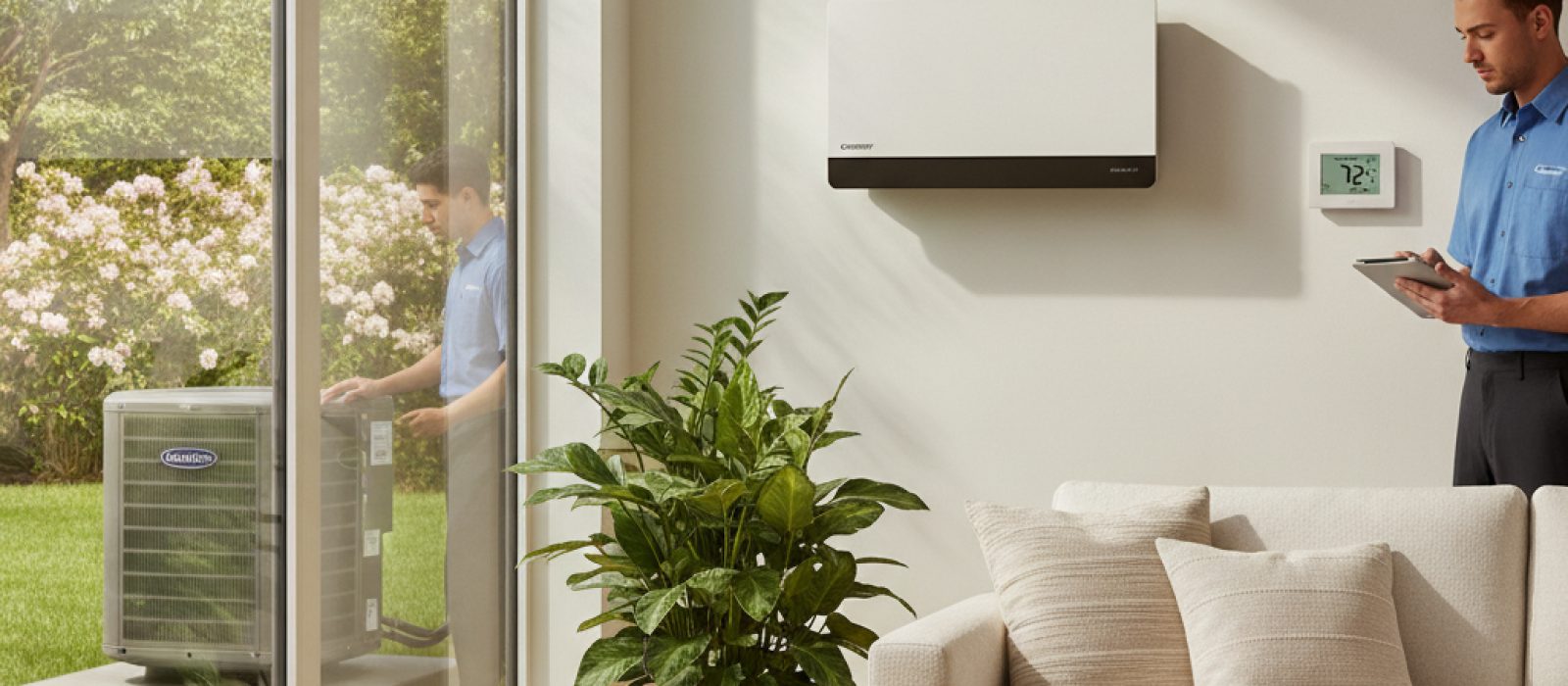
Learn how the Carrier Infinity series heat pumps and ductless systems balance high-efficiency heating with advanced climate control features.
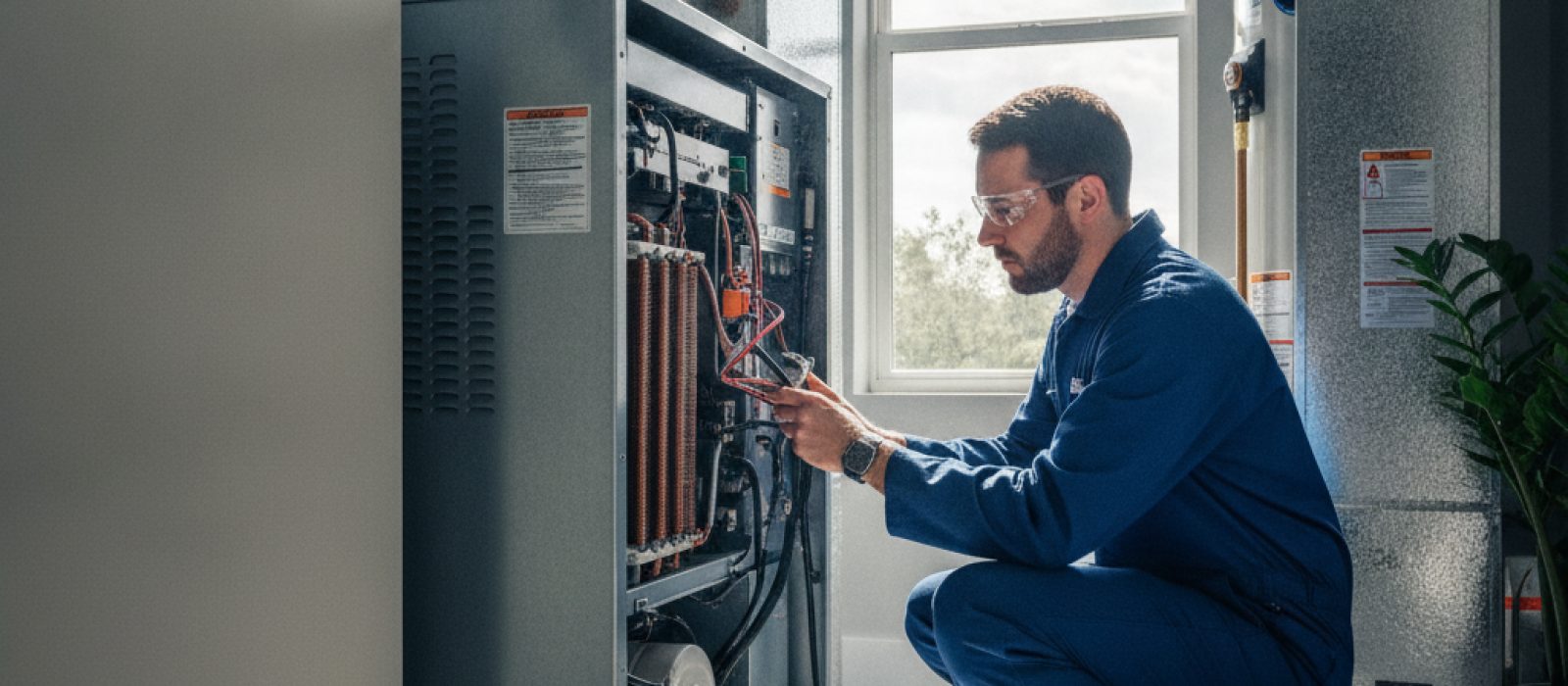
Learn how the air handler functions as the heart of your HVAC system, circulating air and regulating temperature throughout your home.
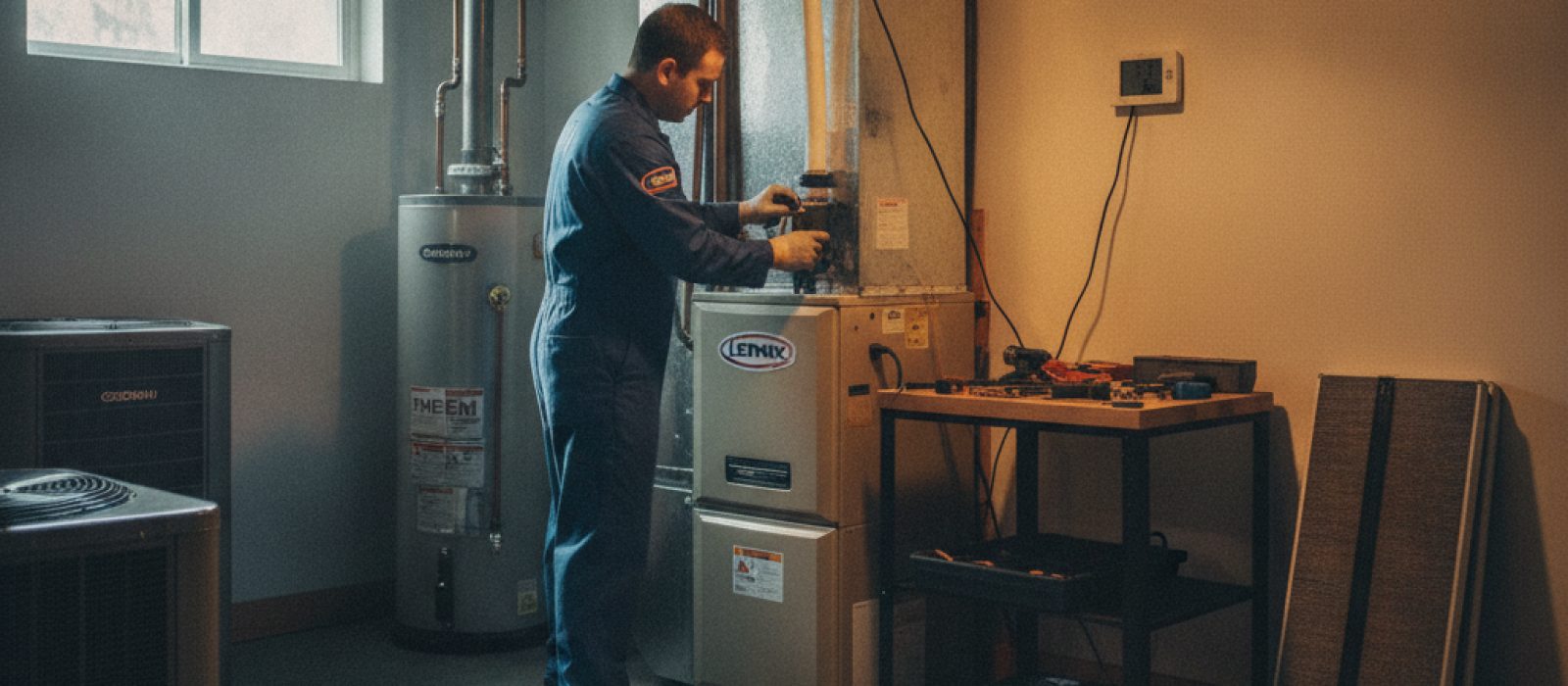
Learn how specific furnace brands influence repair frequency, component availability, and the diagnostic process for your home heating system.
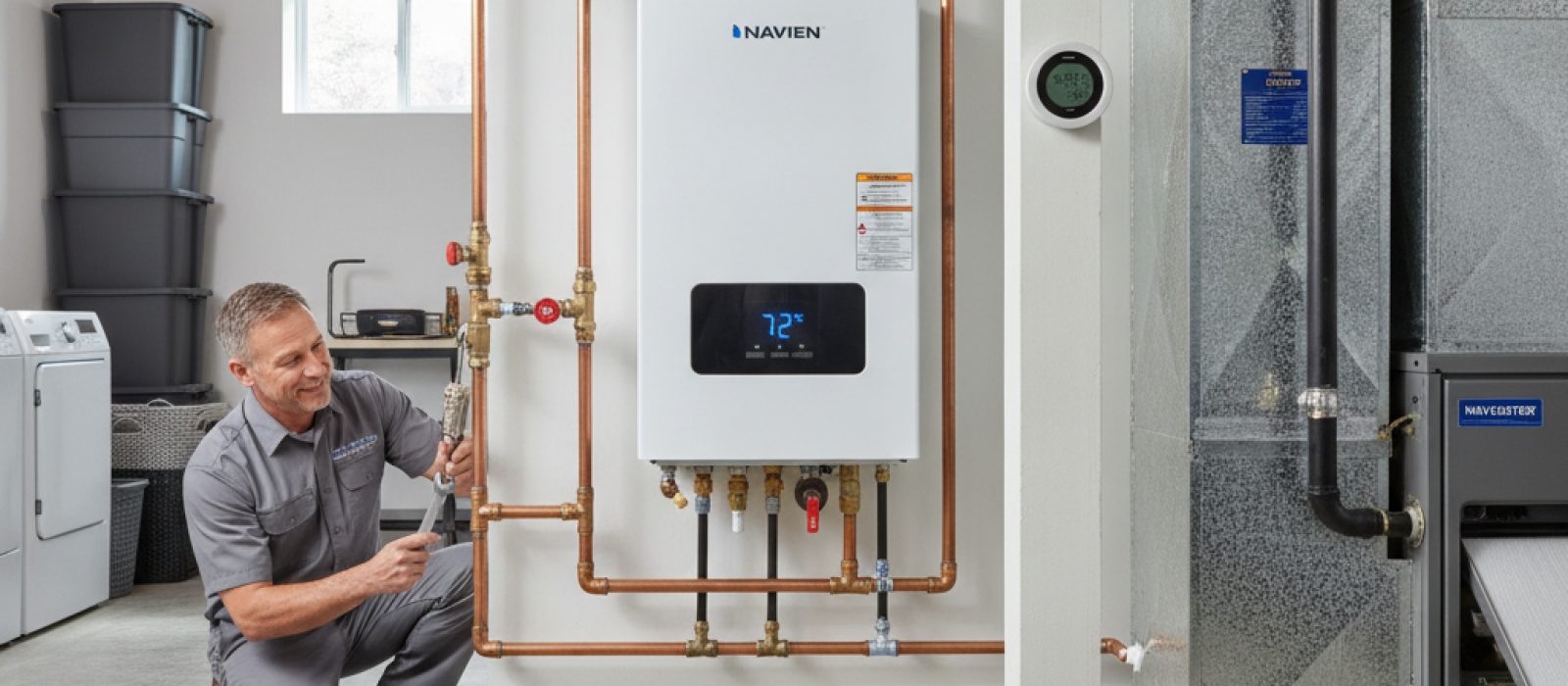
Evaluate the performance, efficiency, and installation requirements of Navien boilers for your residential heating system.
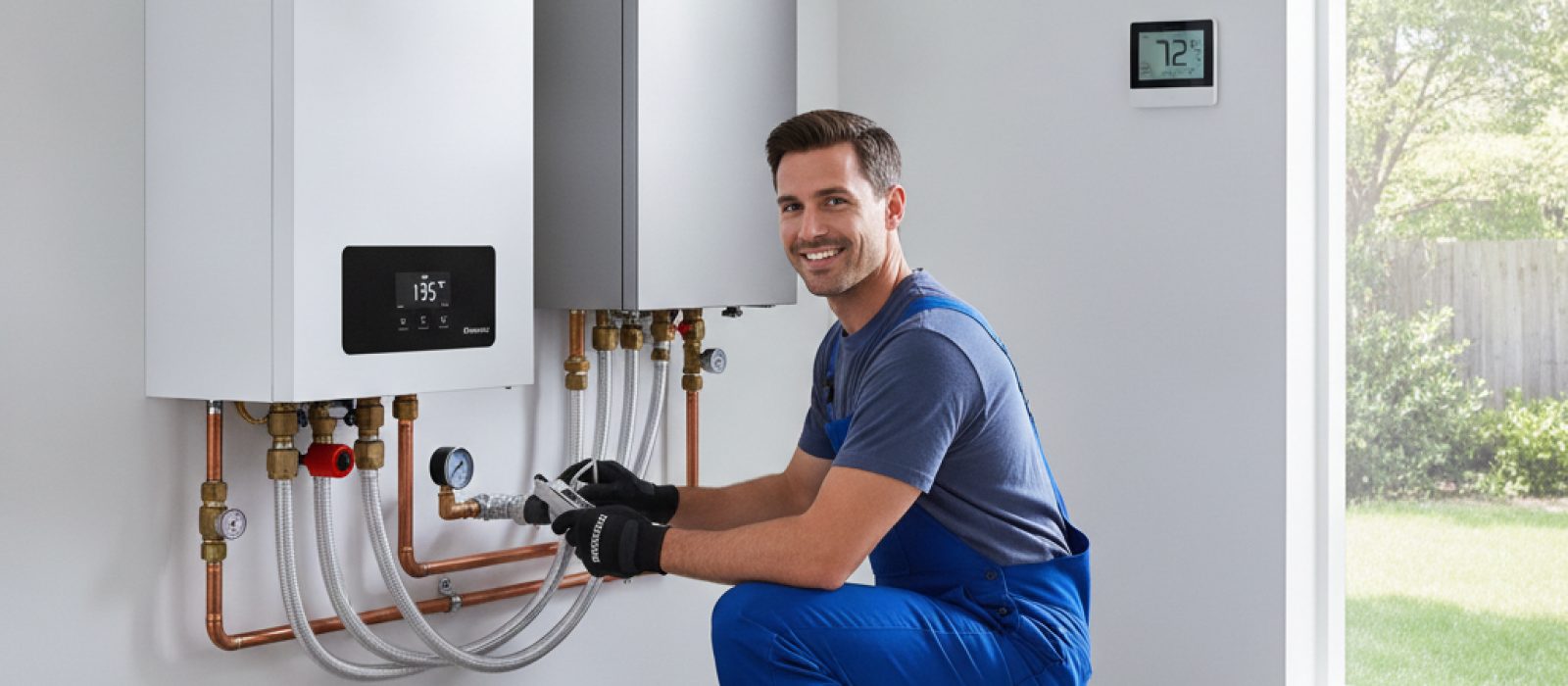
Learn how Rinnai combi boilers provide dual-function heating and hot water, helping you decide if this high-efficiency technology fits your home.
Be the first to comment.