
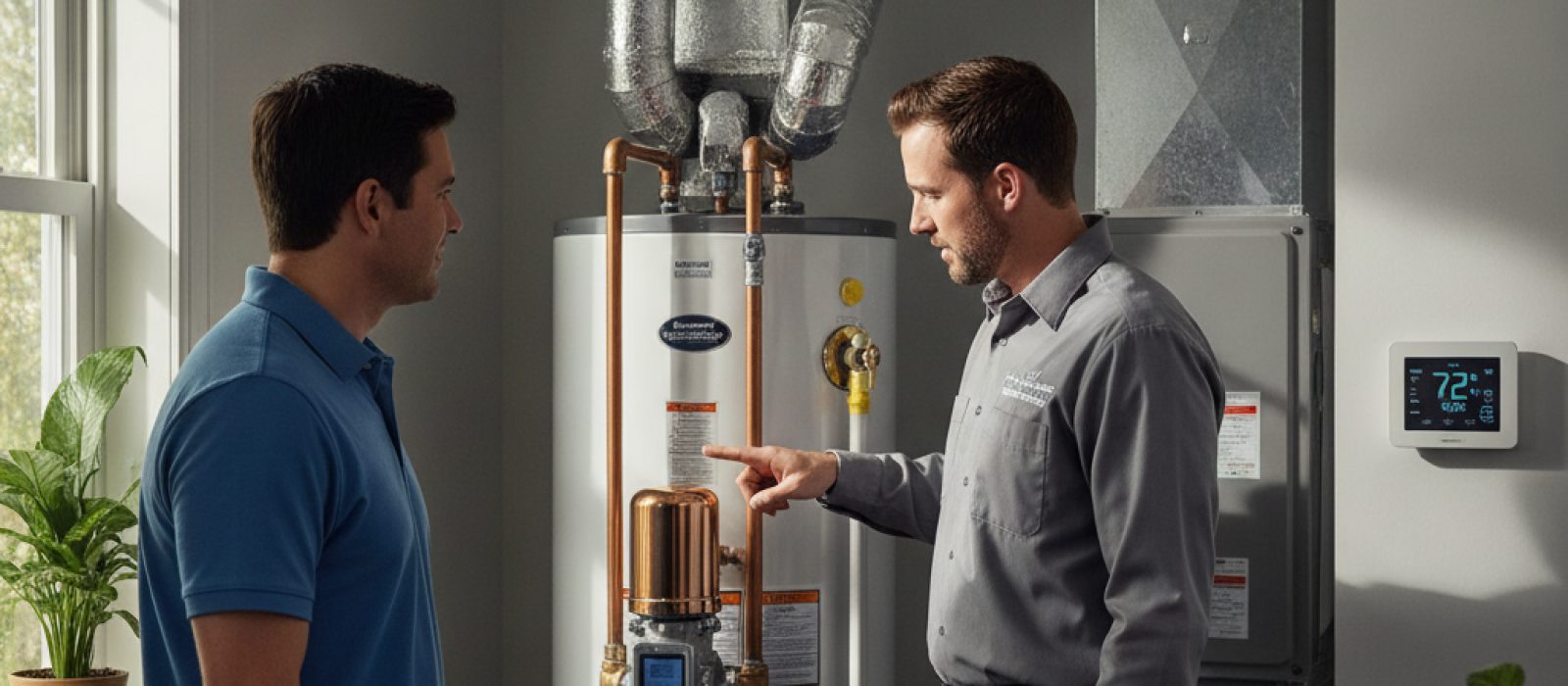
Hot Water Recirculating Pumps: How They Work and What They Cost
Learn how hot water recirculating pumps provide instant hot water, the different installation types, and the factors that influence overall project costs.
3 min read

Winter in the U.S. brings cozy evenings, holiday cheer, and often, the chilling possibility of a furnace breakdown. When your heating system falters, the immediate concern is getting the warmth back. But quickly following that is a bigger question: should you repair your existing furnace or invest in a brand-new one? It’s a significant decision with financial implications and long-term comfort at stake. Let’s break down the factors to consider.
One of the most crucial elements in your decision-making process is the age of your furnace. Most modern furnaces have an expected lifespan of 15 to 20 years, though some older, well-maintained units might last a bit longer. If your furnace is approaching or has exceeded this age range, replacement becomes a much more viable and often smarter option.
A good rule of thumb many HVAC professionals use is the “50% rule.” If the cost of repairing your furnace is 50% or more than the cost of a new furnace, it’s generally more economical in the long run to replace it. This is especially true for older units. While a repair might offer a temporary fix, an expensive repair on an aging system is often just delaying the inevitable, and you could face another major breakdown soon after.
Is your furnace constantly giving you trouble? Are you on a first-name basis with your HVAC technician? Frequent breakdowns are a clear sign that your system is struggling. Even if individual repairs aren't astronomically expensive, the cumulative cost and the inconvenience of repeated failures can quickly outweigh the cost of a new, reliable unit. A new furnace offers peace of mind and consistent performance.
Older furnaces, even those in decent working order, are significantly less energy-efficient than modern models. Technology has advanced considerably, and today’s furnaces boast impressive AFUE (Annual Fuel Utilization Efficiency) ratings. Replacing an old, inefficient furnace with a new, high-efficiency model can lead to substantial savings on your monthly energy bills, often offsetting a portion of the replacement cost over time. This is especially true if you live in an area with high energy costs or experience long, cold winters.
Beyond the practicalities, consider your comfort. Is your current furnace struggling to heat your home evenly? Are there cold spots? A new furnace can provide more consistent, comfortable heating throughout your home. Furthermore, if you're considering selling your home in the near future, a brand-new, efficient HVAC system can be a significant selling point, adding value and appeal to potential buyers.
Ultimately, the best way to make an informed decision is to consult with a trusted HVAC professional. They can:
Don’t wait until your furnace completely gives out in the dead of winter. If you're noticing unusual noises, inconsistent heating, or rising energy bills, it's time to have your system inspected. A little proactive planning can save you a lot of stress and money in the long run, ensuring your home stays warm and comfortable all season long.
Learn how hot water recirculating pumps provide instant hot water, the different installation types, and the factors that influence overall project costs.
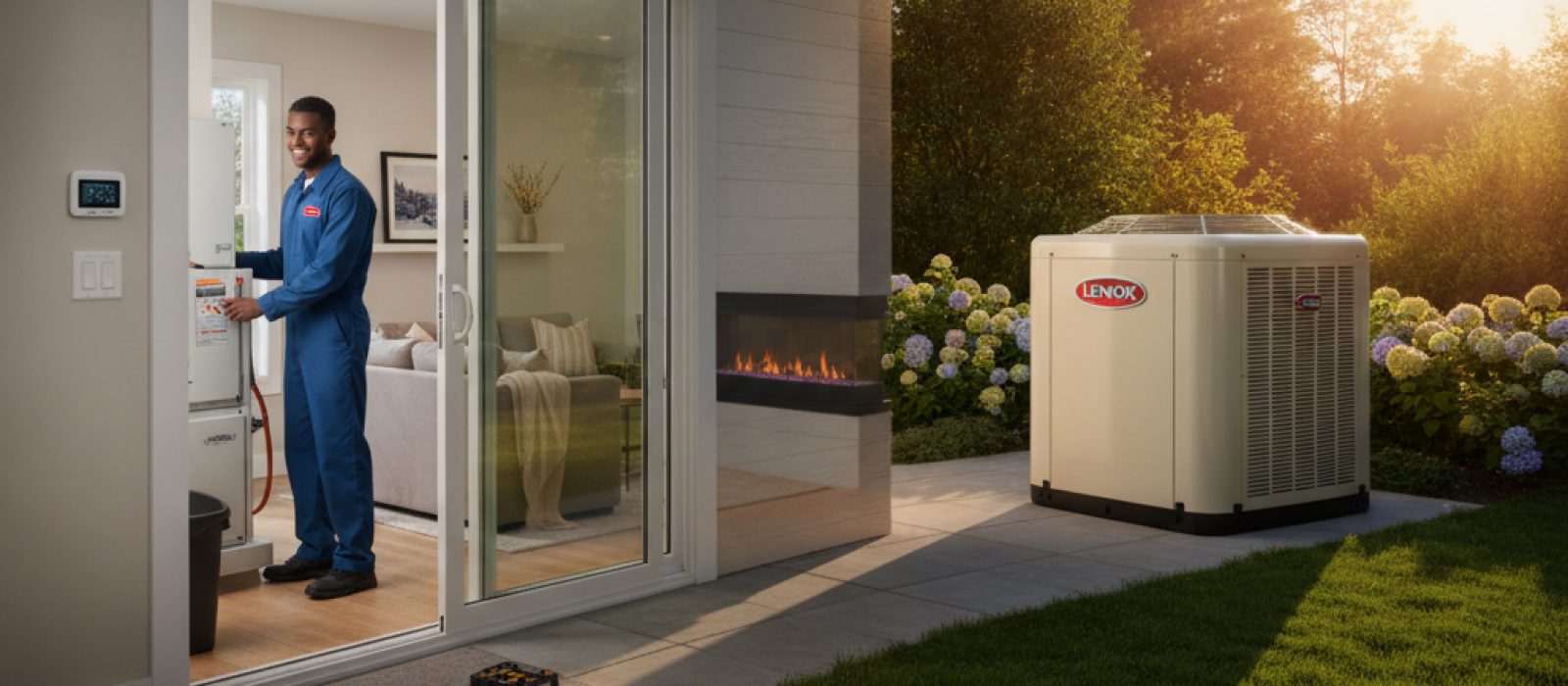
A practical guide for homeowners evaluating Lennox heating and cooling systems, covering repair expectations, maintenance needs, and replacement factors.
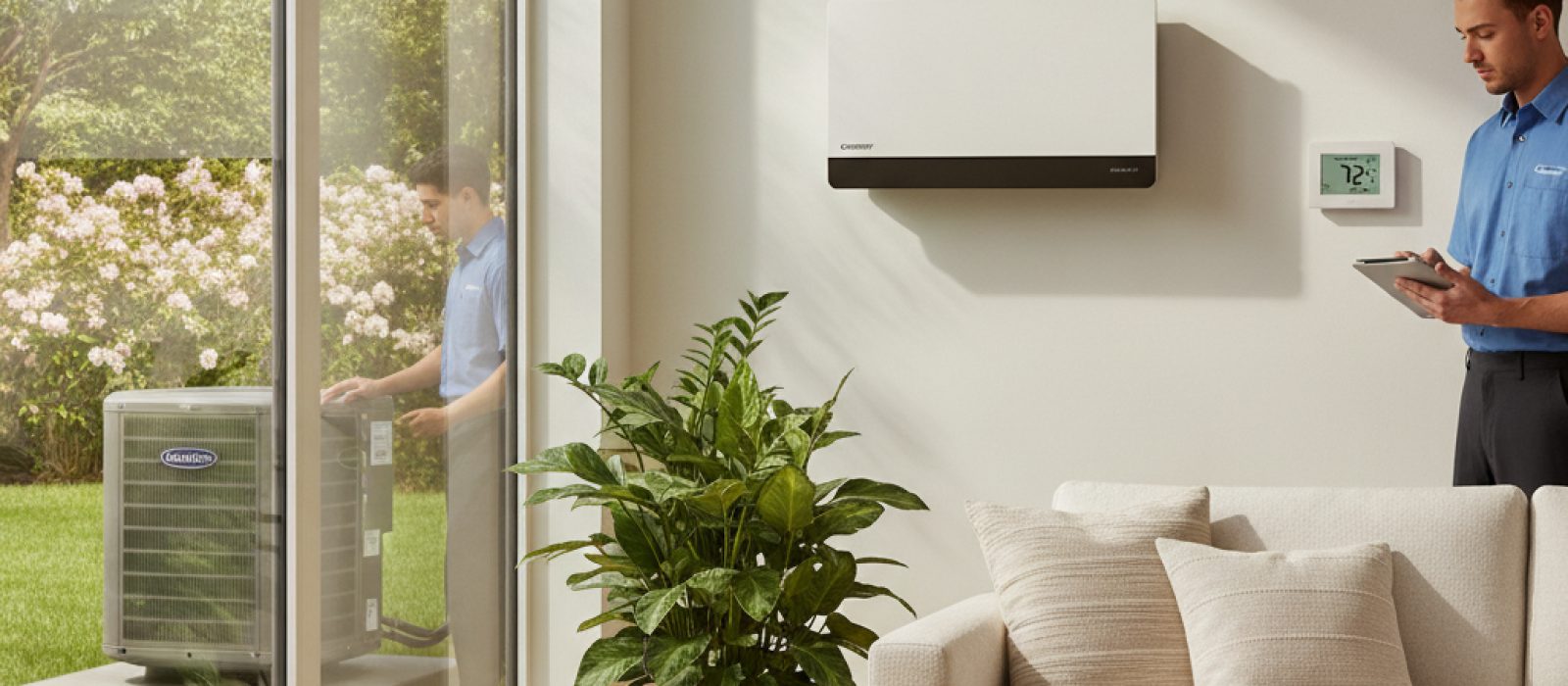
Learn how the Carrier Infinity series heat pumps and ductless systems balance high-efficiency heating with advanced climate control features.
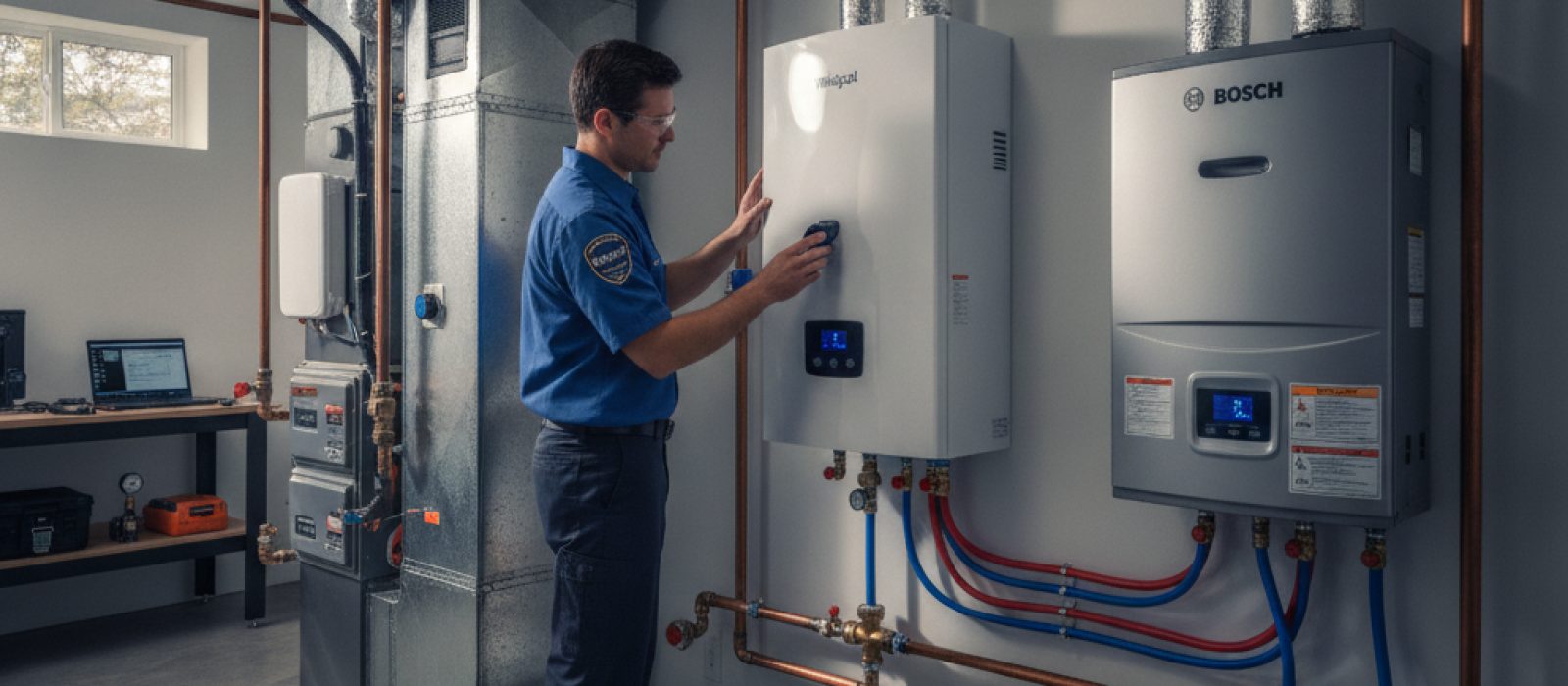
A practical guide to understanding the operational differences, maintenance needs, and common troubleshooting steps for Whirlpool and Bosch water heaters.
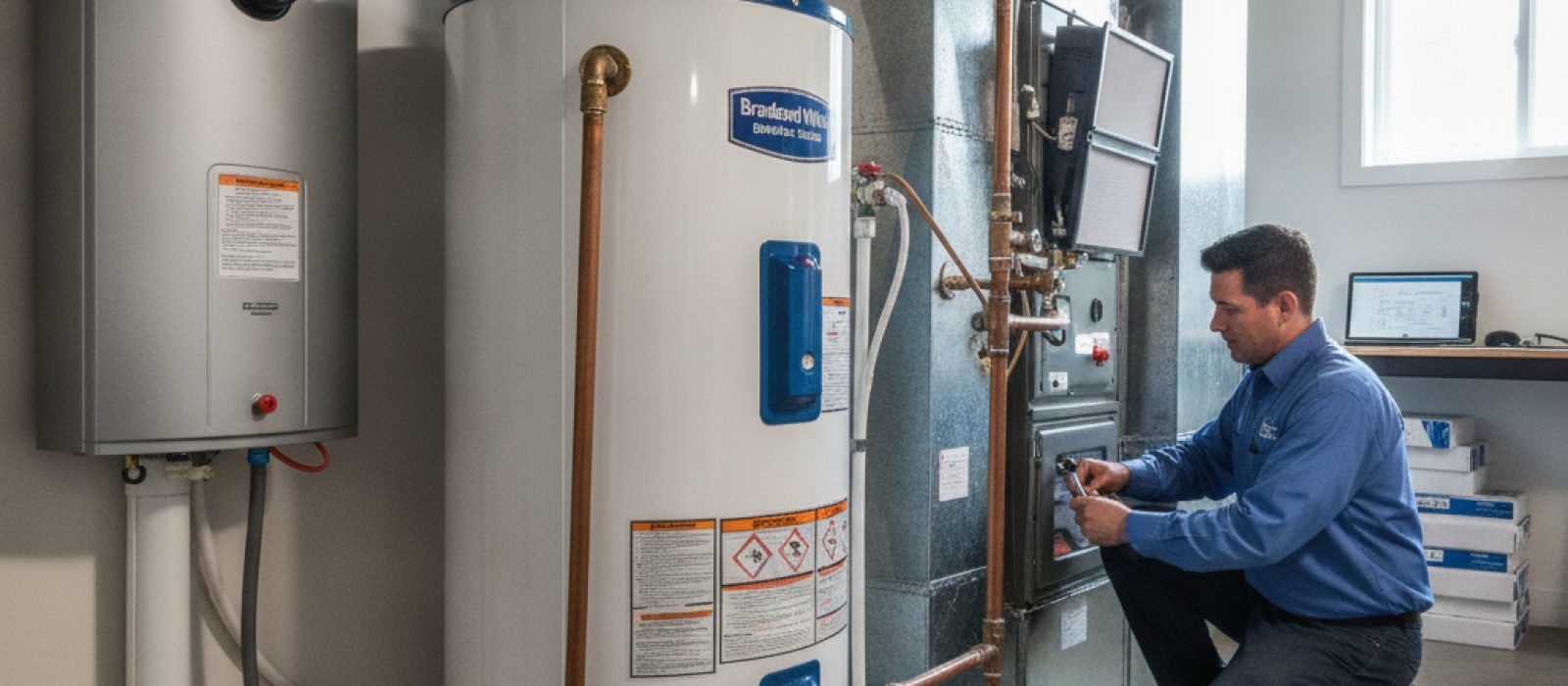
Learn how to choose between 40 and 75-gallon Bradford White water heaters and understand which model fits your home's hot water demands.
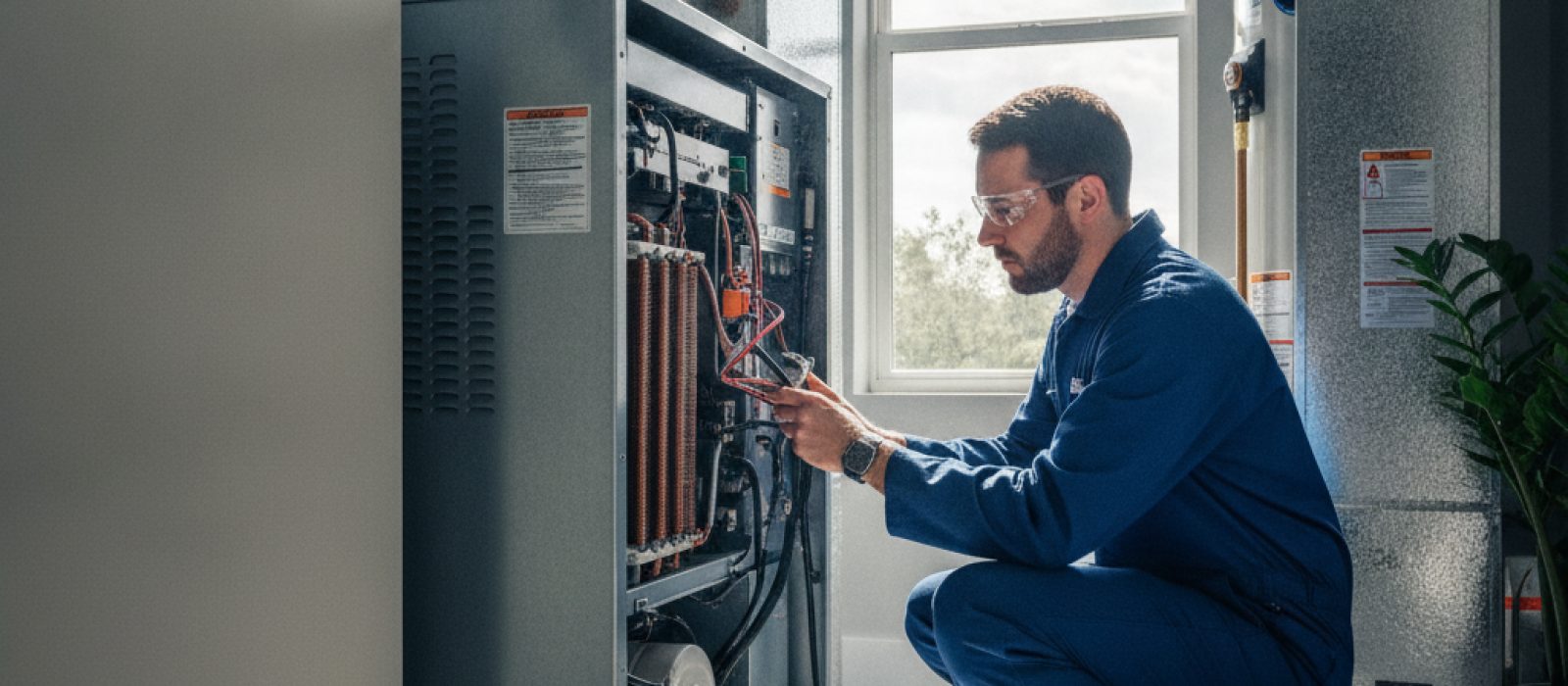
Learn how the air handler functions as the heart of your HVAC system, circulating air and regulating temperature throughout your home.
Be the first to comment.