HVAC Service Fast

Gas vs. Electric Furnaces: Which is Right for Your Home?

4 min read

Gas vs. Electric Furnaces: Which is Right for Your Home?

Understanding Gas Furnaces

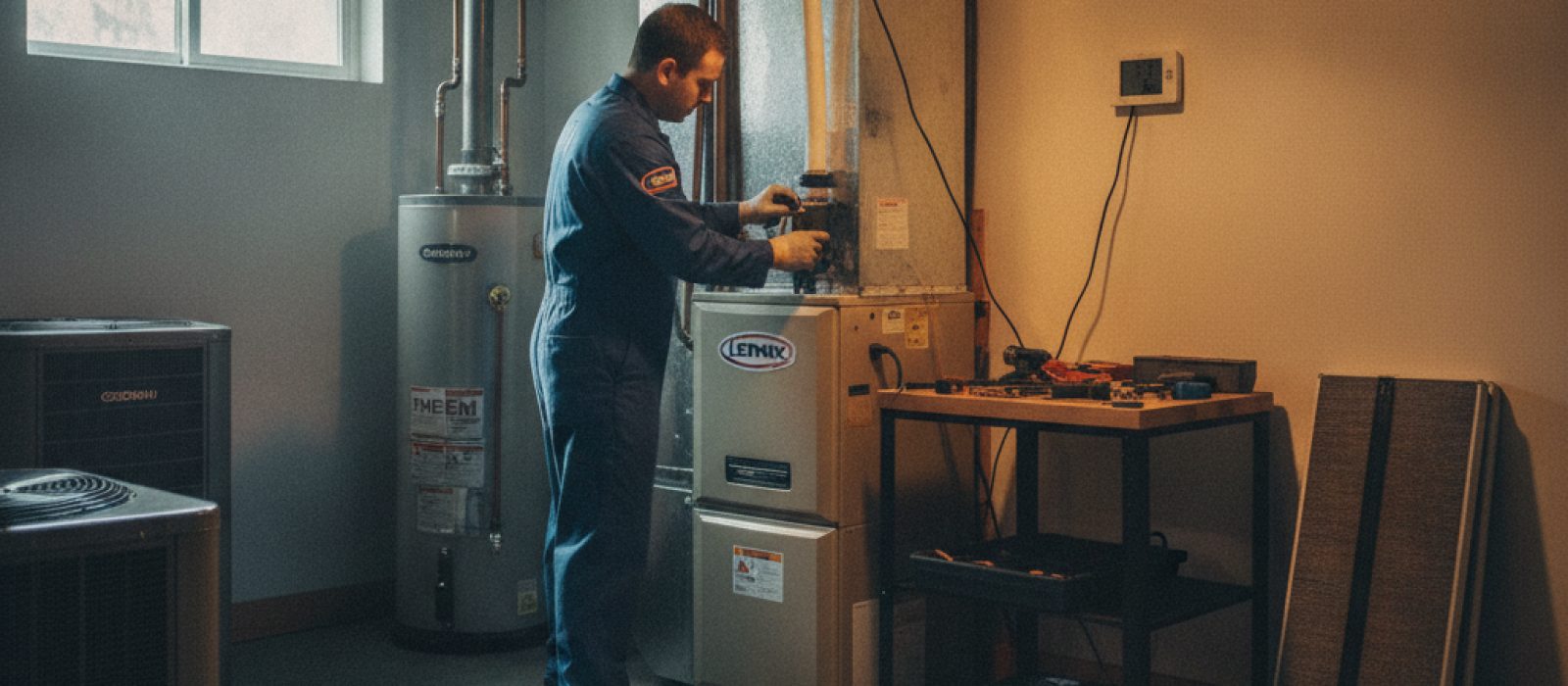
Gas furnaces are a popular choice for many U.S. homeowners, especially in regions with colder winters. They operate by burning natural gas (or sometimes propane) to heat a heat exchanger. A blower then pushes the warmed air through your home's ductwork. The primary appeal of gas furnaces often lies in their powerful heating capabilities and generally lower operating costs, provided you have access to a natural gas line.

  • Pros:
    • Powerful Heating: Gas furnaces typically heat homes faster and can maintain higher temperatures, making them very effective in extremely cold climates.
    • Lower Operating Costs: Natural gas is often less expensive per therm than electricity, leading to lower monthly heating bills for many households.
    • Reliability: Many models are built to last, providing consistent heat for years with proper maintenance.
  • Cons:
    • Installation Costs: If you don't already have a natural gas line connected to your home, installation can be significantly more expensive due to the need for new piping and hookups.
    • Safety Concerns: While rare with proper maintenance, gas furnaces pose a slight risk of carbon monoxide leaks. Regular inspections and CO detectors are essential.
    • Environmental Impact: Burning fossil fuels contributes to greenhouse gas emissions.

Understanding Electric Furnaces

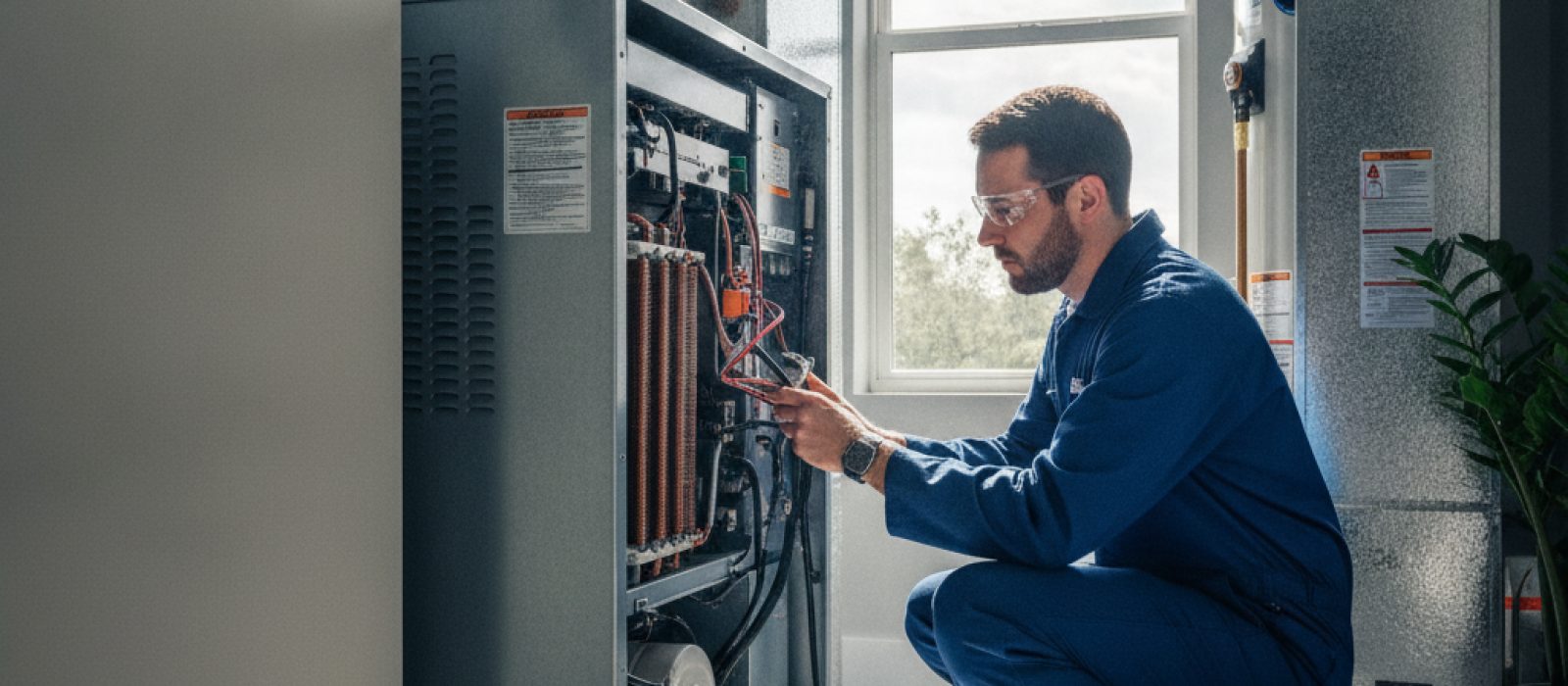
Electric furnaces generate heat using electric resistance coils, similar to a giant toaster. Air is blown over these heated coils and then circulated throughout your home. Electric furnaces are often chosen for their lower upfront cost, simpler installation, and generally cleaner operation, particularly in homes where natural gas isn't readily available.

  • Pros:
    • Lower Upfront Cost: Electric furnaces are typically less expensive to purchase and install, especially since most homes already have the necessary electrical infrastructure.
    • Safer Operation: There's no combustion involved, eliminating the risk of carbon monoxide leaks.
    • Environmentally Friendly (Potentially): If your electricity is generated from renewable sources, an electric furnace can have a lower carbon footprint.
    • Quiet Operation: Electric models often run more quietly than their gas counterparts.
  • Cons:
    • Higher Operating Costs: Electricity can be more expensive than natural gas, leading to higher monthly heating bills, particularly in colder climates or during peak usage.
    • Slower Heating: Electric furnaces can take longer to heat a home to a comfortable temperature compared to gas models.
    • Less Powerful: They may struggle to keep very large homes or homes in extremely cold regions consistently warm.

Hybrid Systems: The Best of Both Worlds?

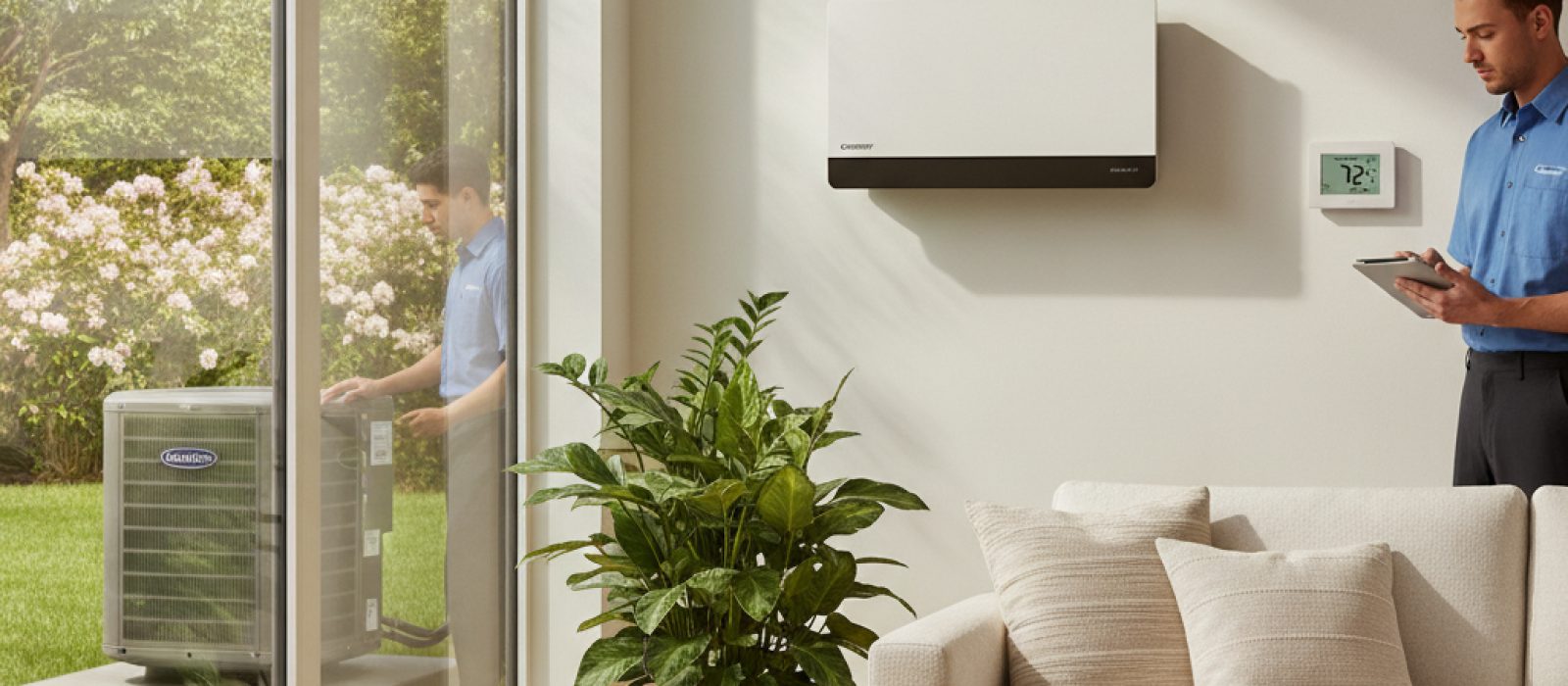
For homeowners looking for a balance, a hybrid heating system might be an excellent option. These systems typically combine an electric heat pump with a gas furnace. The heat pump handles most of the heating and cooling needs for moderate temperatures, leveraging its high efficiency. When temperatures drop significantly, the gas furnace kicks in to provide powerful, cost-effective supplemental heat. This approach can offer the efficiency benefits of an electric system with the robust heating power of gas when it's most needed.

Factors to Consider When Choosing

When making your decision, consider these key factors:

  • Climate: If you live in a region with extremely cold winters, a gas furnace or a hybrid system might be more effective. For milder climates, an electric furnace or heat pump could be sufficient and cost-effective.
  • Utility Costs: Research the current and projected costs of natural gas and electricity in your area. This is a major factor in long-term operating expenses.
  • Existing Infrastructure: Do you already have a natural gas line? If not, the cost of installing one could make an electric furnace or heat pump a more economical choice upfront.
  • Environmental Concerns: If reducing your carbon footprint is a priority, an electric furnace (especially with renewable energy sources) or a high-efficiency heat pump may be preferable.
  • Upfront vs. Operating Costs: Electric furnaces generally have lower installation costs but higher operating costs. Gas furnaces often have higher installation costs (if a new line is needed) but lower operating costs.
  • Home Size and Insulation: Larger homes or homes with poor insulation may require the more powerful heating capacity of a gas furnace.

Making Your Decision

There's no one-size-fits-all answer when it comes to choosing between a gas and electric furnace. The best choice for your home depends on a combination of your local climate, utility costs, existing infrastructure, budget, and personal preferences. We recommend consulting with a qualified HVAC professional. They can assess your home's specific needs, provide detailed cost estimates for installation and operation, and help you make an informed decision that ensures your home stays comfortable and energy-efficient for years to come.

#HVAC #home heating #Heating #Furnace #Gas Furnace #Electric Furnace

Frequently asked questions

What are the main advantages of a gas furnace?
Gas furnaces offer powerful, fast heating and generally have lower operating costs per therm compared to electricity, especially in colder climates.
What are the benefits of an electric furnace?
Electric furnaces typically have lower upfront costs, simpler installation, safer operation due to no combustion, and can be quieter. They may also have a lower environmental impact if electricity is from renewable sources.
Are there safety concerns with gas furnaces?
Yes, gas furnaces pose a slight risk of carbon monoxide leaks, making regular inspections and the use of CO detectors essential for safety.
Why might a hybrid heating system be a good choice?
Hybrid systems combine an electric heat pump with a gas furnace, offering the efficiency of an electric system for moderate temperatures and the powerful, cost-effective heat of gas for colder conditions.
What factors should I consider when choosing between gas and electric furnaces?
Key factors include your local climate, current utility costs for natural gas and electricity, existing home infrastructure (gas line access), and your environmental concerns.

Related articles

Comments (0)

Be the first to comment.

Leave a comment

Security code

Comments are moderated before they appear.