
Lennox Furnaces and Heat Pumps: Repair Costs and Buying Guide
A practical guide for homeowners evaluating Lennox heating and cooling systems, covering repair expectations, maintenance needs, and replacement factors.
3 min read

Heat pump installation costs are dictated by a wide range of variables that extend far beyond the price of the equipment itself. Because these systems function as both heating and cooling units, the integration process requires careful assessment of your home's thermal envelope and existing infrastructure. Understanding these factors helps homeowners prepare for the investment and communicate effectively with professional installers.
The most critical factor in any HVAC installation is the manual J load calculation. This process determines the exact heating and cooling capacity required for your specific square footage, insulation levels, and window efficiency. An oversized unit will cycle on and off too frequently, leading to premature wear and inconsistent comfort, while an undersized unit will struggle to maintain temperatures during extreme weather.
Heat pumps are categorized by seasonal efficiency ratings. Systems with higher performance ratings typically carry a higher initial cost but may offer long-term energy savings. Choosing the right efficiency tier involves balancing the upfront capital expenditure against the expected annual utility savings based on local climate patterns and energy costs.
If you are replacing an older forced-air system, the condition of your existing distribution system becomes a primary cost driver. Professional Ductwork Services are often necessary to ensure the new heat pump can move air efficiently without leakage or pressure imbalances. Leaky ducts can result in significant energy loss, effectively nullifying the efficiency gains of a new, high-performance unit.
In some cases, the ductwork may need to be resized to accommodate the specific airflow requirements of a modern heat pump. If your home does not currently have ductwork, a ductless mini-split system might be a more cost-effective solution, though this changes the installation scope significantly compared to a traditional central system.
Heat pumps require dedicated electrical circuits that may differ from those used by older furnaces or air conditioners. An installer must verify that your current electrical panel has sufficient amperage to support the new system. In older homes, this may necessitate an upgrade to the service panel or the installation of new wiring, which adds to the total labor hours and material costs.
Beyond basic power, the integration of smart thermostats and control systems is a vital part of modern Heat Pumps installation. Advanced controls allow for better zoning and energy management, but these components increase the complexity of the initial setup and configuration.
The physical location of the outdoor unit impacts labor costs. Units placed on the ground require a level, stable concrete or composite pad, while wall-mounted installations for ductless systems require specialized brackets and structural considerations. The length and routing of the refrigerant lines between the indoor and outdoor units also influence the final price, as longer runs require more piping, insulation, and refrigerant charge.
Heat pump installation is a specialized task that requires precise handling of refrigerants and complex electrical connections. Licensed professionals must perform a vacuum test on the lines to ensure there are no leaks before charging the system. Poor installation practices are the leading cause of early system failure, making the choice of a qualified contractor as important as the equipment itself.
During the installation process, your technician may also identify opportunities for Energy Efficient Solutions that could further improve your home's performance. Addressing gaps in insulation or sealing around pipe penetrations is much easier while the crew is already on-site and the system is being integrated.
While the installation cost is a significant one-time expense, the long-term value depends on consistent care. Regular Maintenance and Tune-up visits are essential to keep the system operating at peak efficiency. These visits allow technicians to monitor refrigerant levels, clean coils, and ensure that electrical connections remain secure, preventing small issues from becoming costly repairs over time.
A practical guide for homeowners evaluating Lennox heating and cooling systems, covering repair expectations, maintenance needs, and replacement factors.
Learn how the Carrier Infinity series heat pumps and ductless systems balance high-efficiency heating with advanced climate control features.
Learn how the air handler functions as the heart of your HVAC system, circulating air and regulating temperature throughout your home.
Learn how specific furnace brands influence repair frequency, component availability, and the diagnostic process for your home heating system.
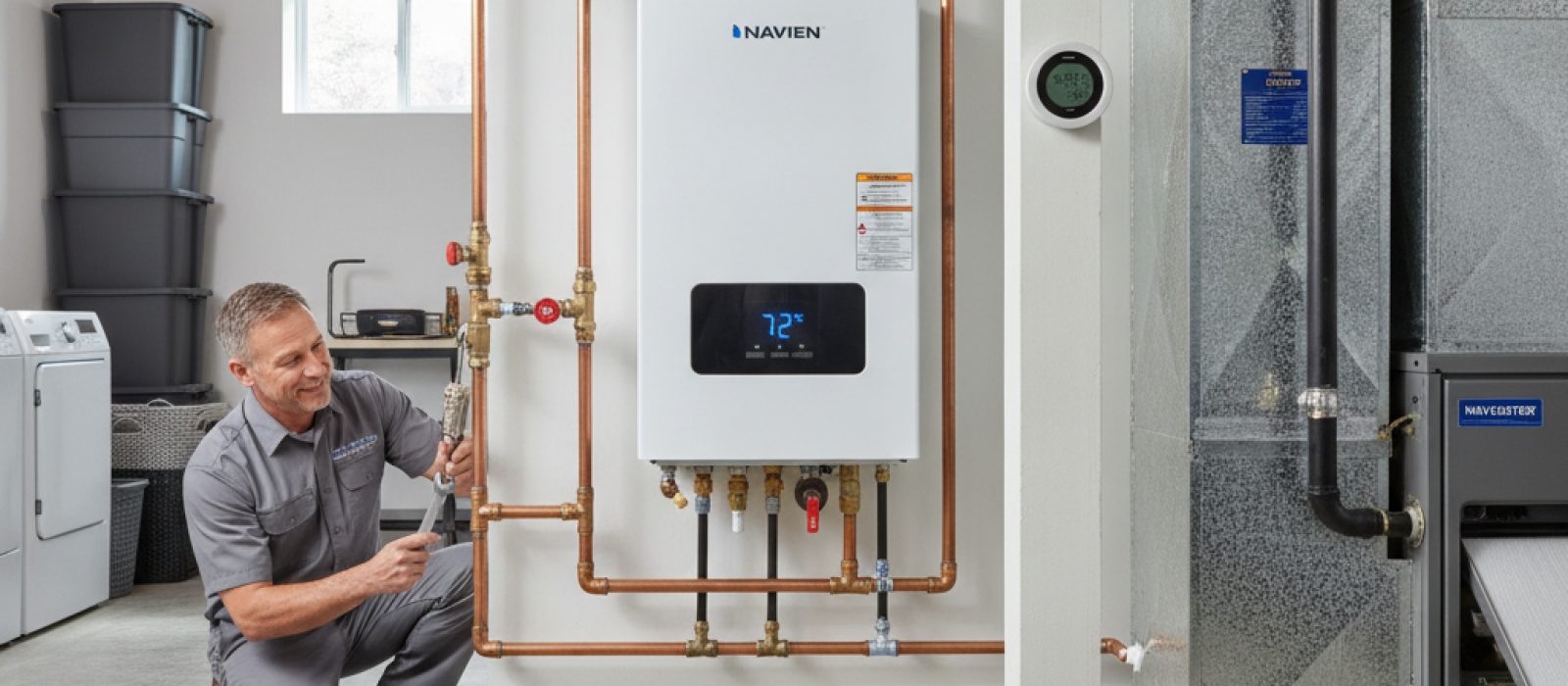
Evaluate the performance, efficiency, and installation requirements of Navien boilers for your residential heating system.
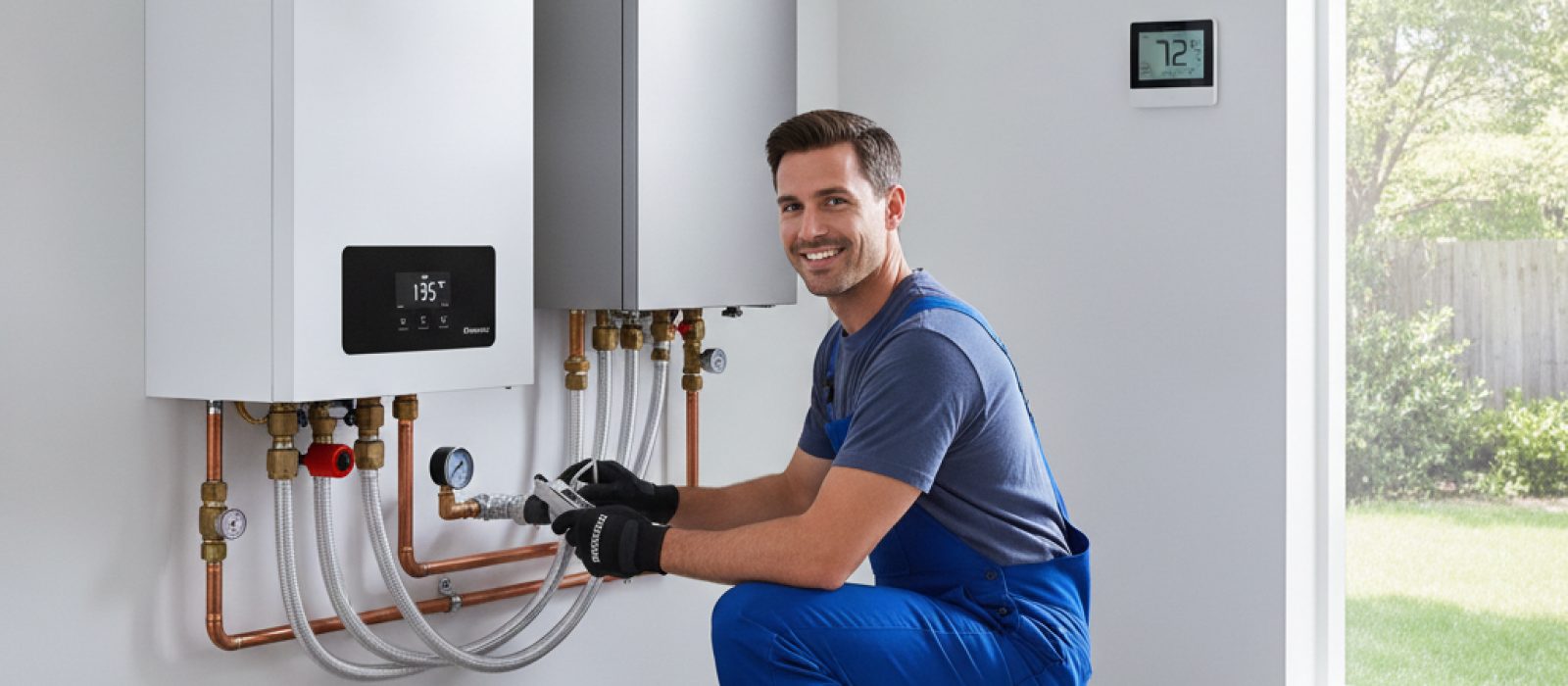
Learn how Rinnai combi boilers provide dual-function heating and hot water, helping you decide if this high-efficiency technology fits your home.
Be the first to comment.