HVAC Service Fast

Heat Pump Not Heating? Your Troubleshooting Guide

4 min read

Heat Pump Not Heating? Your Troubleshooting Guide

Understanding Your Heat Pump's Heating Cycle

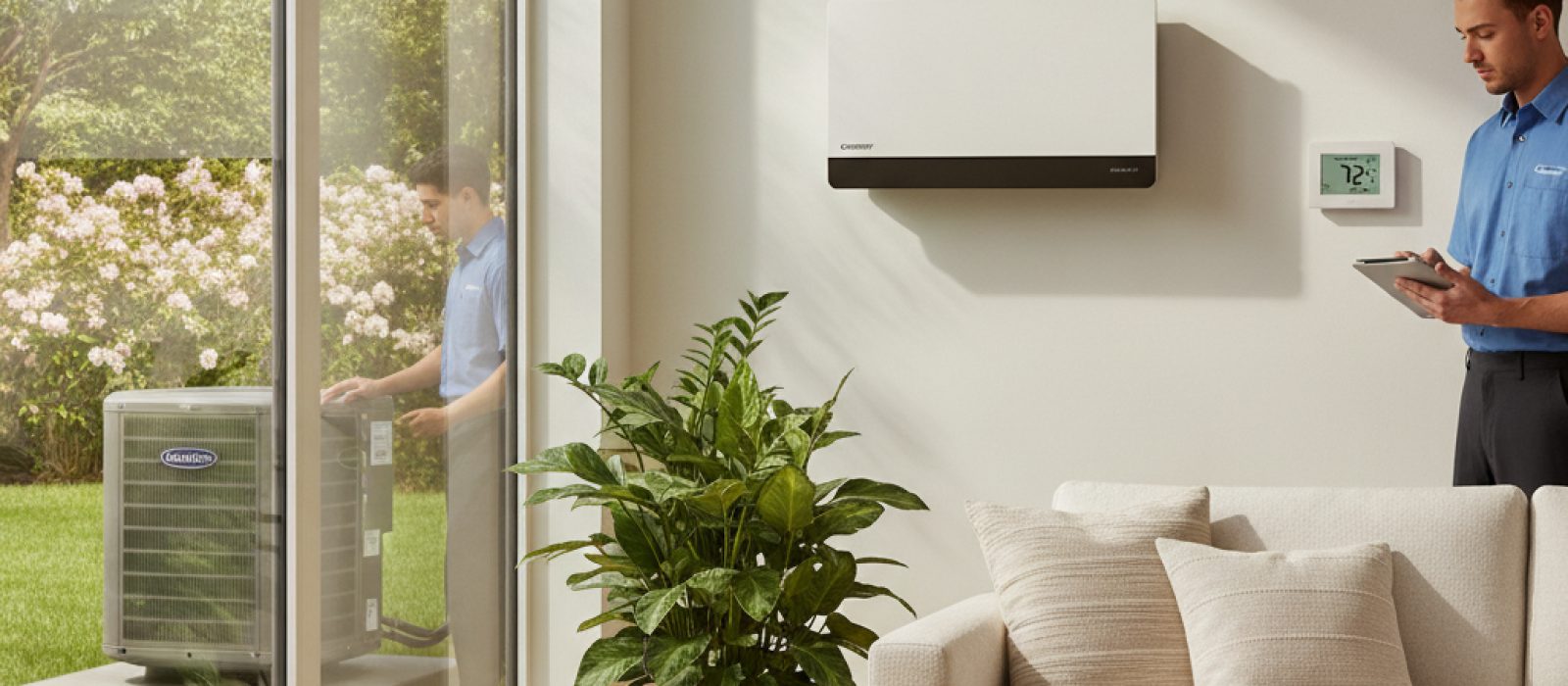
Heat pumps are incredibly efficient systems, providing both heating and cooling by moving heat rather than generating it. During the colder months, they extract heat from the outside air (even very cold air!) and transfer it indoors. When your heat pump isn't heating effectively, it can be frustrating, especially when temperatures drop. Before you panic and call for emergency service, there are several things you can check yourself. Understanding how your system works is the first step to diagnosing a problem.

Initial Checks: The Simple Fixes

Sometimes, the solution is much simpler than you think. Start with these basic troubleshooting steps:

  • Thermostat Settings: Double-check your thermostat. Is it set to 'Heat' and at a temperature higher than your current indoor temperature? Ensure the fan setting is on 'Auto' and not 'On' (unless you specifically want continuous fan operation). A dead battery in a wireless thermostat can also cause issues.
  • Power Supply: Check your circuit breaker panel. Has a breaker tripped for your indoor or outdoor unit? Reset it if necessary. If it trips again immediately, do not keep resetting it; this indicates a more serious electrical issue.
  • Air Filter: A clogged air filter is a common culprit for reduced airflow and efficiency in any HVAC system, including heat pumps. A dirty filter restricts air movement, making your heat pump work harder and potentially causing it to overheat or freeze up. Check your filter monthly and replace it every 1-3 months, depending on usage and household conditions.
  • Outdoor Unit Clearances: Ensure your outdoor unit is free from obstructions. Snow, ice, leaves, or debris can block airflow, severely impacting its ability to extract heat. Clear any buildup around the unit, making sure there's at least two feet of clear space on all sides and above.

When Your Heat Pump Isn't Blowing Warm Air

If your heat pump is running but the air coming out of your vents isn't warm, or is only mildly warm, consider these possibilities:

  • Defrost Cycle: Heat pumps naturally accumulate ice on their outdoor coils during cold weather. They have a defrost cycle that temporarily reverses the refrigerant flow to melt this ice. During defrost, the outdoor fan may stop, and you might see steam rising from the unit. The indoor unit might switch to auxiliary heat or blow cooler air for a short period. This is normal and usually lasts 5-15 minutes.
  • Auxiliary Heat: Most heat pumps have a supplemental electric heating element (auxiliary or emergency heat) to assist when outdoor temperatures are very low or when the heat pump is struggling to meet the heating demand. If your thermostat shows 'Aux Heat' or 'Emergency Heat' is active, it means your heat pump alone isn't keeping up. While auxiliary heat provides warmth, it's much less efficient than the heat pump. If it's constantly running, it suggests an underlying issue with the heat pump or that it's simply too cold for your system to operate efficiently without help.
  • Refrigerant Levels: Low refrigerant levels, usually due to a leak, can significantly reduce your heat pump's heating capacity. This is not something you can fix yourself. Low refrigerant can also lead to the outdoor coil freezing over excessively.

Signs It's Time to Call a Professional

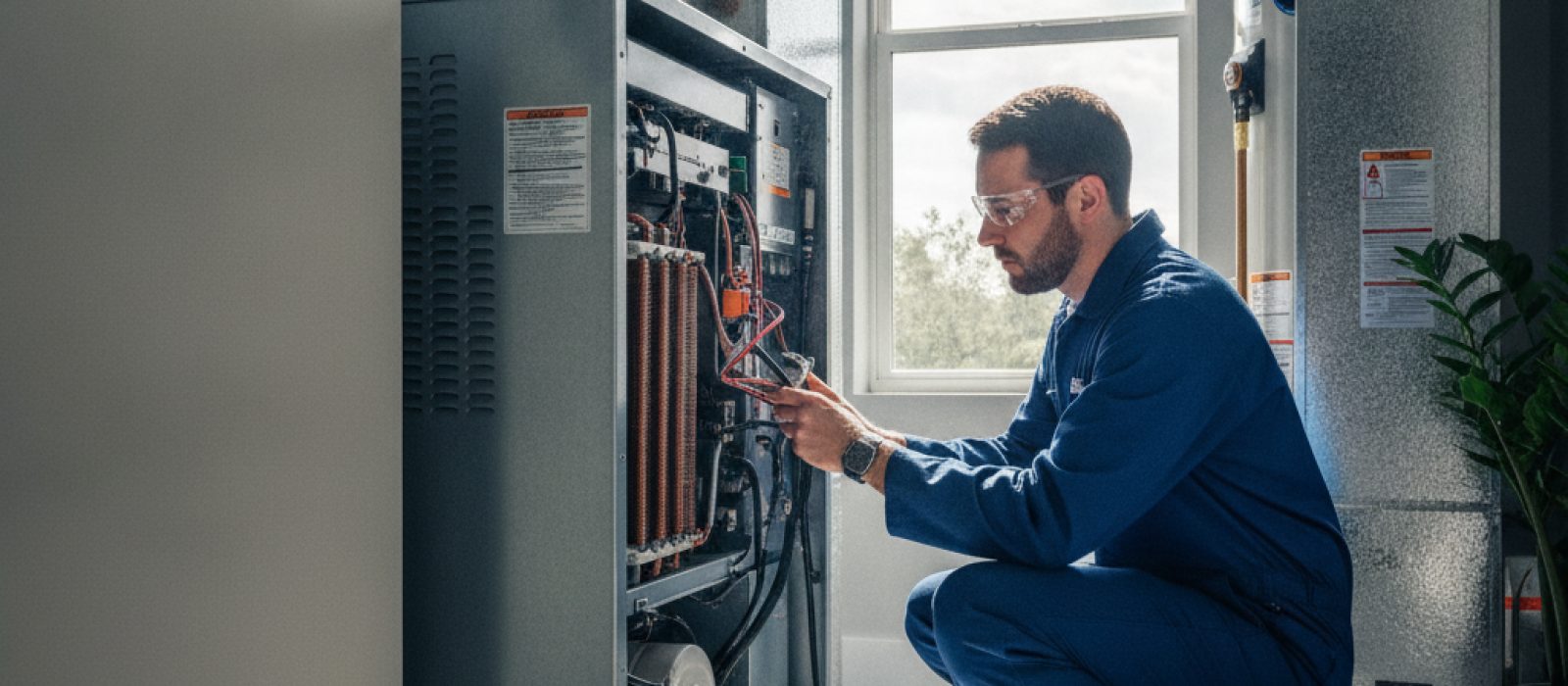
While DIY checks can solve many minor issues, some problems require the expertise of a certified HVAC technician. Call for service if you notice any of the following:

  • No Heat at All: If your heat pump is running but producing no heat, or isn't running at all after checking basic power and thermostat settings.
  • Strange Noises: Grinding, banging, squealing, or persistent buzzing sounds from either unit are indicators of mechanical trouble.
  • Excessive Icing: If your outdoor unit is constantly covered in a thick layer of ice, even after defrost cycles, or if ice builds up on the refrigerant lines, it could indicate a defrost system malfunction, low refrigerant, or other mechanical issues.
  • Frequent Tripping Breakers: If your circuit breaker repeatedly trips after you reset it, there's an electrical fault that needs professional attention to prevent damage or fire hazards.
  • High Energy Bills: If your energy bills suddenly spike without a change in usage, your heat pump might be working inefficiently, possibly relying too heavily on auxiliary heat.
  • Burning Smells: Any burning smell should prompt an immediate shutdown of the system and a call to a professional.

Remember, regular maintenance is key to preventing many of these issues. A professional tune-up before the heating season can identify potential problems early, ensuring your heat pump runs efficiently and reliably when you need it most.

#Energy Efficiency #home heating #Heat Pump #Heating Problems #HVAC Repair #HVAC troubleshooting

Frequently asked questions

Why is my heat pump not heating my home effectively?
Common reasons include incorrect thermostat settings, a tripped circuit breaker, a clogged air filter, obstructions around the outdoor unit, or the system being in a normal defrost cycle.
What should I check first if my heat pump isn't heating?
Start by checking your thermostat settings (set to 'Heat', fan on 'Auto', correct temperature), ensure the power supply is on and no breakers are tripped, and inspect your air filter for clogs.
Is it normal for my heat pump to blow cool air sometimes?
Yes, during a defrost cycle, your heat pump may temporarily blow cooler air or switch to auxiliary heat for 5-15 minutes. This is a normal part of its operation in cold weather.
When should I call a professional for my heat pump?
You should call a professional if your heat pump produces no heat despite basic checks, makes strange noises, or has excessive icing on the outdoor unit or refrigerant lines.
What is auxiliary heat and why is it running?
Auxiliary heat is a supplemental electric heating element that assists your heat pump when outdoor temperatures are very low or the heat pump struggles to meet heating demand. Constant auxiliary heat may indicate an underlying issue.

Related articles

Comments (0)

Be the first to comment.

Leave a comment

Security code

Comments are moderated before they appear.