
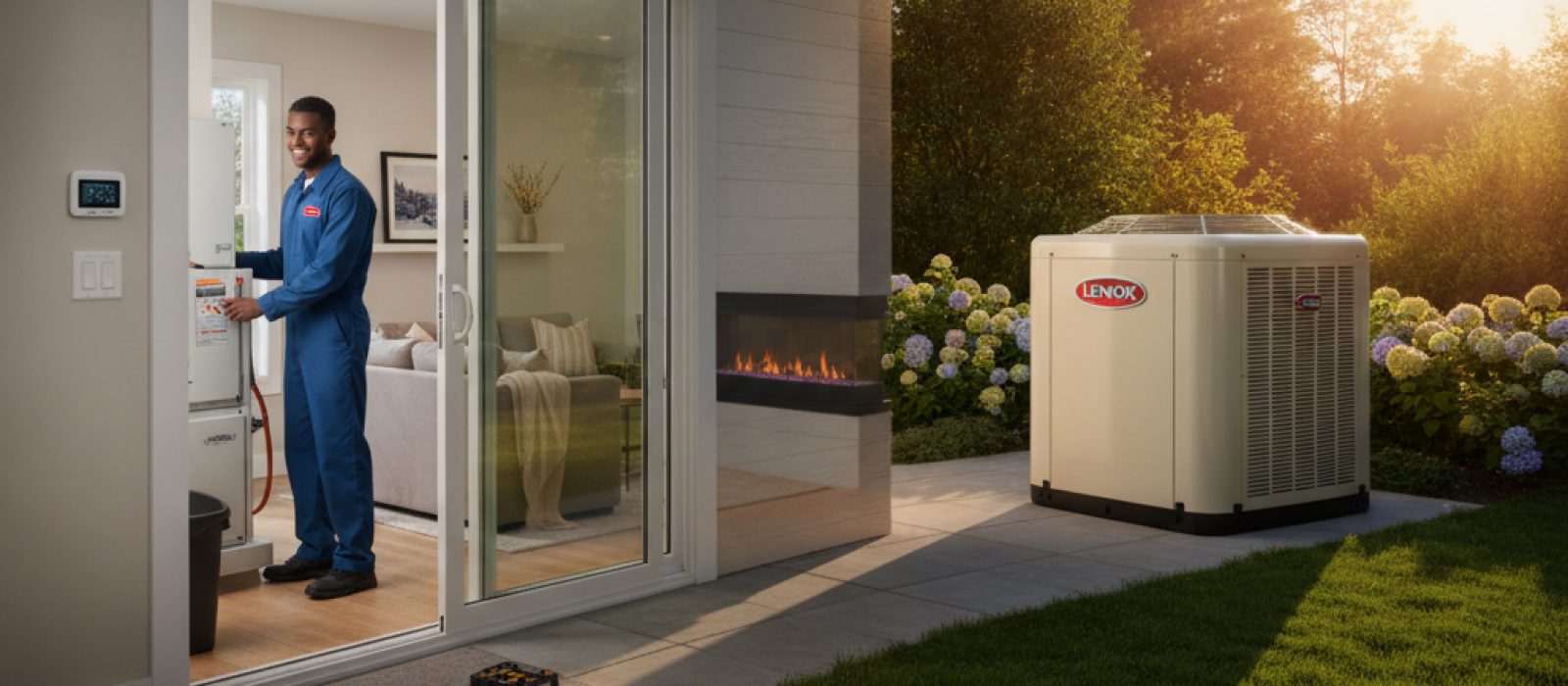
Lennox Furnaces and Heat Pumps: Repair Costs and Buying Guide
A practical guide for homeowners evaluating Lennox heating and cooling systems, covering repair expectations, maintenance needs, and replacement factors.
4 min read

A heat pump is designed to maintain a consistent indoor temperature by moving heat rather than generating it through combustion. Under normal operating conditions, a heat pump should cycle on and off to maintain your thermostat setting. When the unit runs continuously without reaching the set temperature, it may signal an underlying mechanical, electrical, or environmental issue that requires attention.
Heat pumps are highly efficient, but their capacity is tied to the temperature outside. In extreme cold, a heat pump may struggle to extract enough heat from the ambient air to satisfy the demand. If the outdoor temperature drops significantly below the balance point of your system, the unit may run continuously in an effort to keep up with heat loss in the home.
If the system cannot maintain the indoor setpoint during a cold snap, verify if the auxiliary or emergency heat is engaging. If the auxiliary heat is not kicking in, the system will continue to run in heat pump mode indefinitely, often failing to reach the target temperature.
The thermostat acts as the brain of your heating system. If the device is miscalibrated or incorrectly programmed, it may send a constant signal to the system to run. Check the display to ensure the system is set to 'Heat' and not 'Emergency Heat' or 'Auxiliary Heat' unless necessary.
Sometimes, a simple reset of the thermostat can resolve communication errors. If you have recently updated your hardware, ensure the unit is compatible with your specific heat pump configuration. If you are unsure about your settings or suspect a malfunction, consulting with professionals specializing in Thermostat Services is a prudent step to ensure your system is communicating correctly.
Restricted airflow is a primary cause of system inefficiency. When the air filter is clogged with dust and debris, the heat pump must work significantly harder to move air throughout the home. This added resistance causes the system to run for longer periods to achieve the same thermal result.
Inspect your return air vents and registers to ensure they are not blocked by furniture, rugs, or curtains. Adequate return air is essential for the system to function correctly. If you find that regular filter changes do not improve the cycle length, you may need to schedule Maintenance & Tune-up to evaluate the overall health of your blower motor and air distribution system.
Refrigerant is the lifeblood of a heat pump, enabling the heat transfer process. If the system is low on refrigerant due to a leak, it will lose its ability to effectively move heat. A low refrigerant charge often leads to longer run times, decreased output temperature, and potentially frost buildup on the outdoor coil.
Refrigerant handling is strictly regulated and requires specialized tools and certification. Never attempt to add refrigerant yourself. If you suspect a leak, contact a licensed professional for Heat Pumps repair to diagnose and seal the leak before recharging the system.
During the winter, frost naturally accumulates on the outdoor unit's coils. Heat pumps are equipped with a defrost cycle designed to melt this ice periodically. If the defrost board, sensor, or reversing valve fails, the unit may become encased in ice, forcing the compressor to run constantly in a futile attempt to produce heat.
Visually inspect the outdoor unit during operation. If you notice a heavy layer of ice covering the coils that does not melt away, the defrost system is likely compromised. This is a mechanical issue that requires professional intervention to prevent damage to the compressor.
Even a perfectly functioning heat pump will run continuously if your home is losing heat faster than the system can supply it. Leaky ductwork allows conditioned air to escape into attics, crawlspaces, or wall cavities. This forces the system to run excessively to compensate for the lost energy.
If your energy bills have spiked alongside the constant run time, consider having your duct system inspected. Professionals offering Ductwork Services can identify leaks and seal them, which often restores system efficiency and shortens run times significantly.
While homeowners can safely perform tasks like replacing filters and clearing obstructions around the outdoor unit, complex internal components should be left to the experts. If you have ruled out airflow issues and thermostat settings, the problem likely lies within the refrigerant circuit, the electrical control board, or the compressor itself.
Ignoring a heat pump that runs constantly can lead to premature wear on system components, specifically the compressor. Promptly addressing these issues through professional Heating Services can save you from more costly repairs or the need for a premature system replacement. Always ensure that any technician servicing your equipment is licensed and experienced with modern heat pump technology.
A practical guide for homeowners evaluating Lennox heating and cooling systems, covering repair expectations, maintenance needs, and replacement factors.
Learn how the Carrier Infinity series heat pumps and ductless systems balance high-efficiency heating with advanced climate control features.
Learn how the air handler functions as the heart of your HVAC system, circulating air and regulating temperature throughout your home.
Learn how specific furnace brands influence repair frequency, component availability, and the diagnostic process for your home heating system.
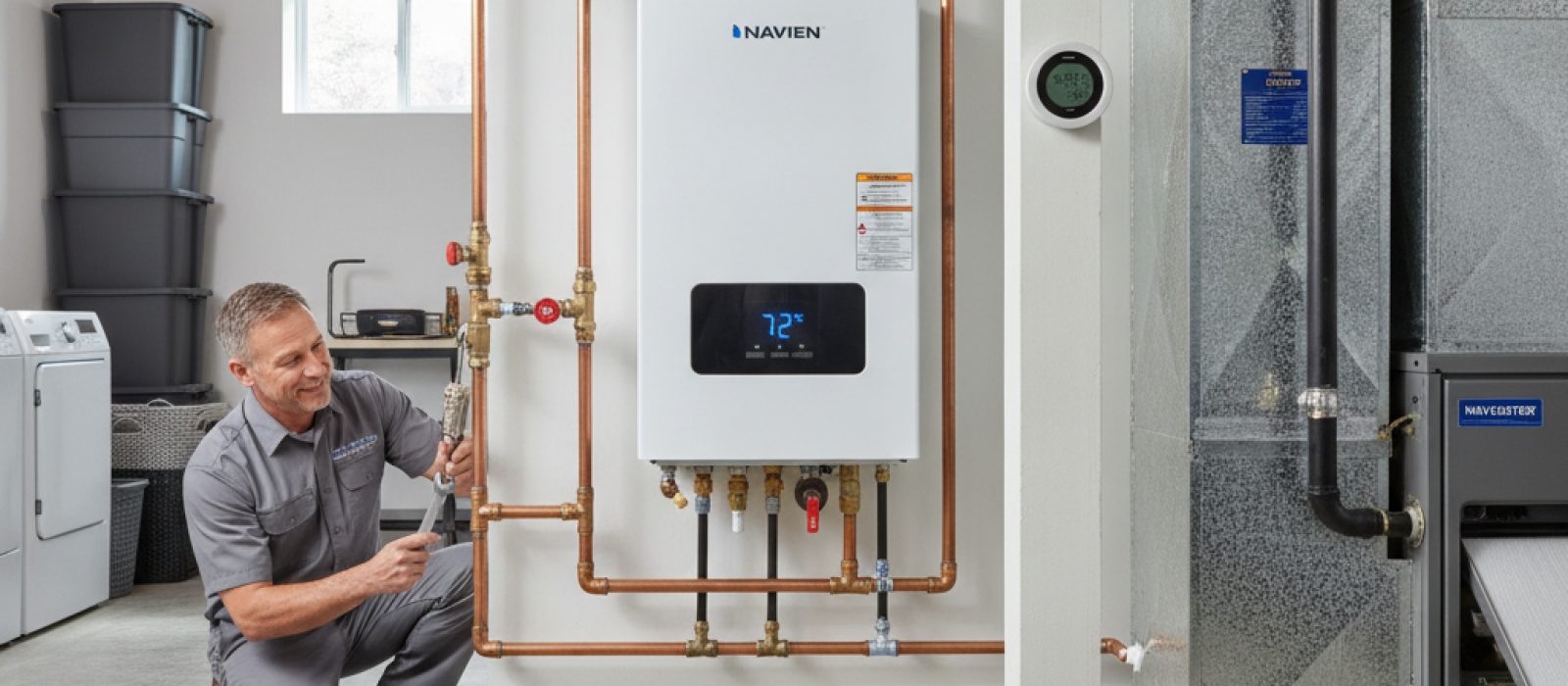
Evaluate the performance, efficiency, and installation requirements of Navien boilers for your residential heating system.
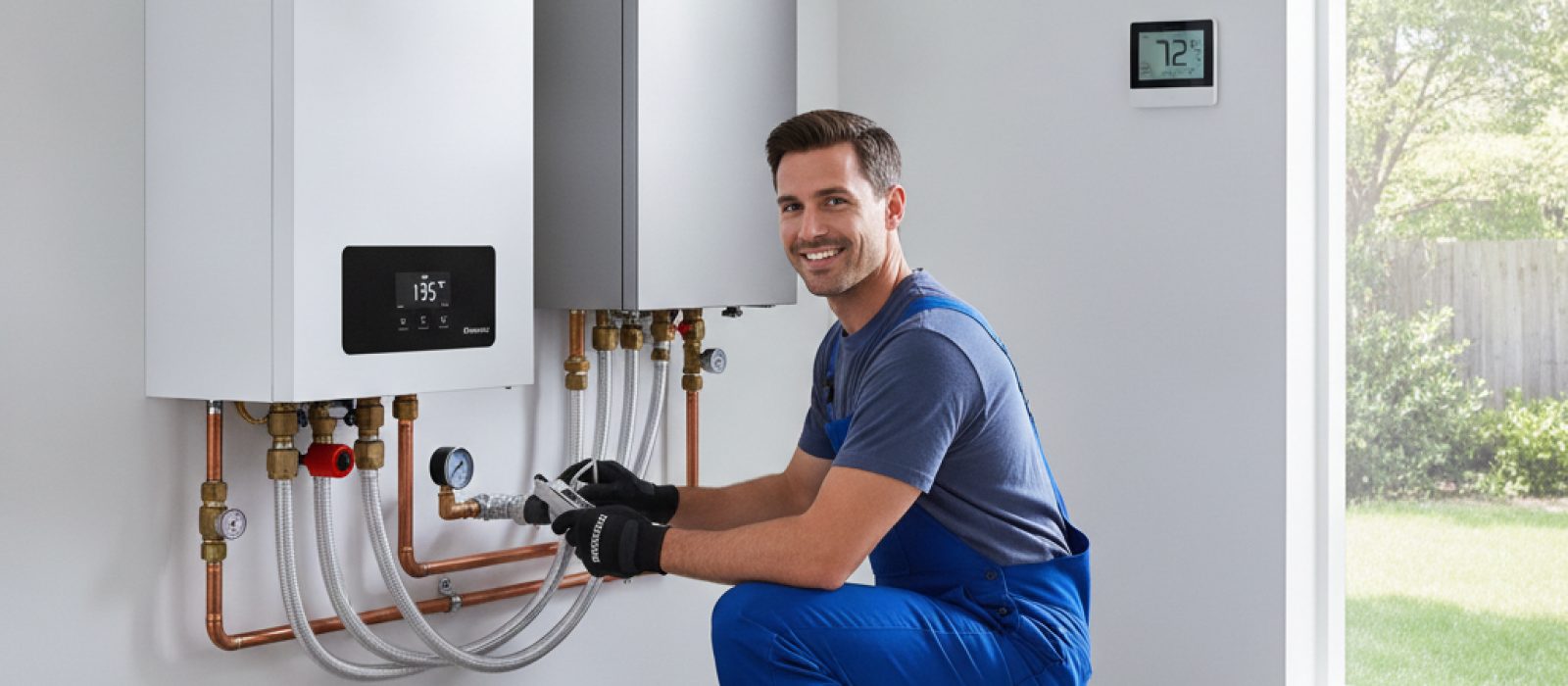
Learn how Rinnai combi boilers provide dual-function heating and hot water, helping you decide if this high-efficiency technology fits your home.
Be the first to comment.