
Lennox Furnaces and Heat Pumps: Repair Costs and Buying Guide
A practical guide for homeowners evaluating Lennox heating and cooling systems, covering repair expectations, maintenance needs, and replacement factors.
3 min read

Heat pump water heaters, often referred to as hybrid electric water heaters, function by extracting thermal energy from the surrounding air and transferring it into the water tank. Unlike a traditional electric resistance heater that generates heat directly, the heat pump mechanism acts like a refrigerator in reverse. It draws in ambient air, compresses a refrigerant to increase its temperature, and then uses that heat to warm the water. This process is highly efficient for water heating, but it necessitates a trade-off: the air expelled by the unit is significantly cooler than the air it initially pulled in.
Because these systems extract heat from the surrounding environment, the area immediately around the water heater will experience a temperature drop. When installed in an unconditioned space, such as a garage or a basement, the impact on the home's primary heating system is negligible. The heat pump simply pulls energy from the ambient air, which is then replenished by the natural thermal gain of the building envelope or the outside environment.
However, when a heat pump water heater is installed inside a conditioned living space, it effectively acts as a secondary cooling source. During the winter months, when your furnace or other Heating Services are working to maintain a comfortable temperature, the water heater is essentially working against them by cooling the air. If the unit is located in a small, enclosed room, it can create a localized cold spot that may affect the overall load on your HVAC system.
The extent to which a heat pump water heater affects your home's heating depends on the volume of the space and the runtime of the unit. In a large basement with plenty of airflow, the cooling effect is usually dissipated quickly, and the impact on the central Heat Pumps or furnace is statistically minor. The temperature of the room may drop by a few degrees, but it rarely forces the central heating system into overdrive.
Problems typically only arise in tight, poorly ventilated utility closets. If the unit does not have access to enough cubic feet of air, it will struggle to extract sufficient heat, potentially leading to lower efficiency for the water heater and a noticeable chill in the immediate area. Proper installation, which often involves ensuring adequate clearance or ducting the intake and exhaust air, is essential to mitigate these concerns.
Homeowners planning to upgrade their Water Heaters should consider the location carefully. If the goal is maximum efficiency, placing the unit in a space that stays warm year-round is ideal. Garages in moderate climates are often the preferred choice because they offer a large volume of air and are generally not part of the primary heated living space.
If the unit must be placed in a conditioned area, consult with a professional regarding the airflow requirements. In some cases, ducting the exhaust air outside or into an adjacent unconditioned space can prevent the unit from drawing heat from your living area. This ensures that the water heater operates at peak performance without forcing your Energy Efficient Solutions to compensate for the localized cooling effect.
While some homeowners may feel comfortable with minor plumbing tasks, the integration of a heat pump water heater involves both electrical and potentially refrigerant-related considerations. Modifying existing ductwork to accommodate the intake and exhaust needs of a hybrid system is a task best suited for a licensed professional. Improperly sealed ducts can lead to air leaks, which decrease the efficiency of both your water heating and your home's air distribution system.
If you notice that your home's temperature fluctuates significantly after installing a new water heater, or if the unit is failing to keep up with demand, it is time to have a technician inspect the installation. A professional can verify that the system is properly sized for the volume of the room and that the ventilation is configured to prevent unwanted cooling of your living spaces.
A practical guide for homeowners evaluating Lennox heating and cooling systems, covering repair expectations, maintenance needs, and replacement factors.
Learn how the Carrier Infinity series heat pumps and ductless systems balance high-efficiency heating with advanced climate control features.
Learn how the air handler functions as the heart of your HVAC system, circulating air and regulating temperature throughout your home.
Learn how specific furnace brands influence repair frequency, component availability, and the diagnostic process for your home heating system.
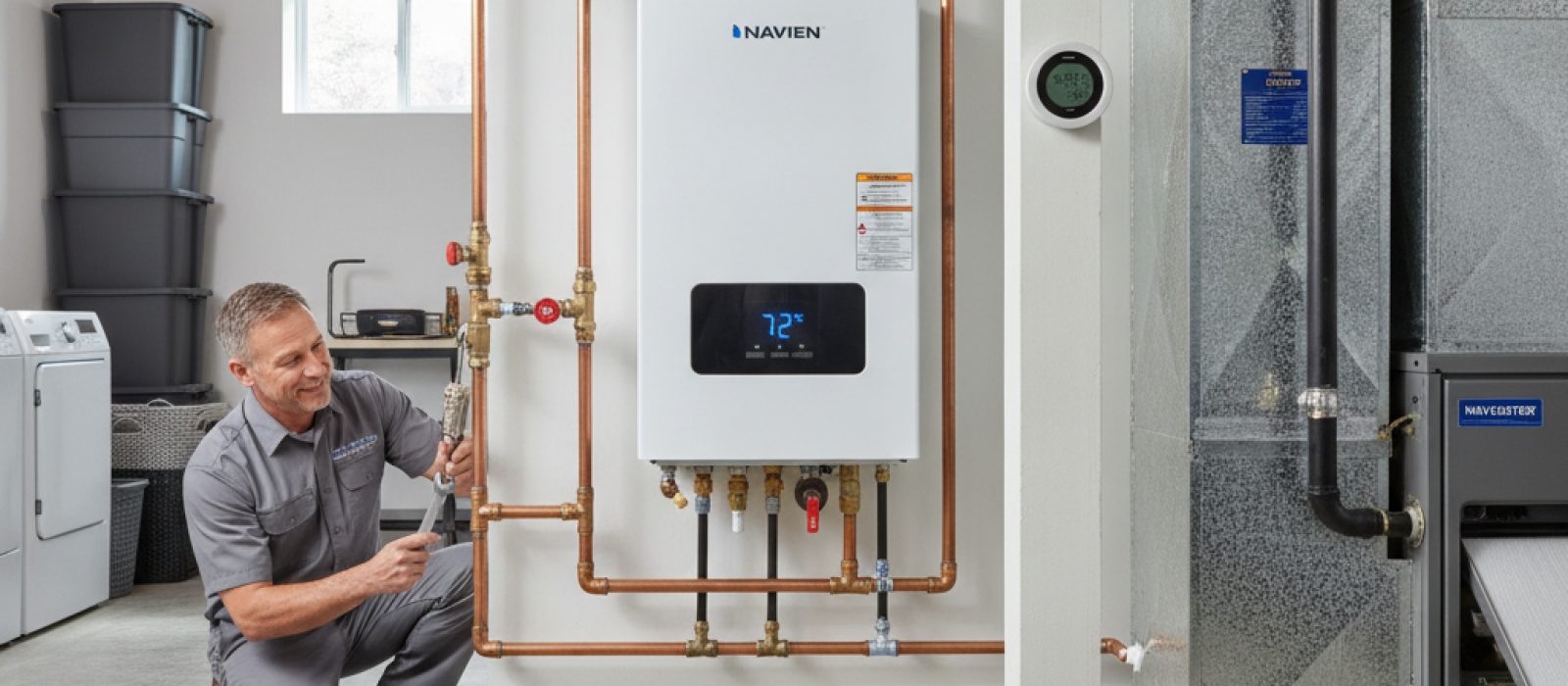
Evaluate the performance, efficiency, and installation requirements of Navien boilers for your residential heating system.
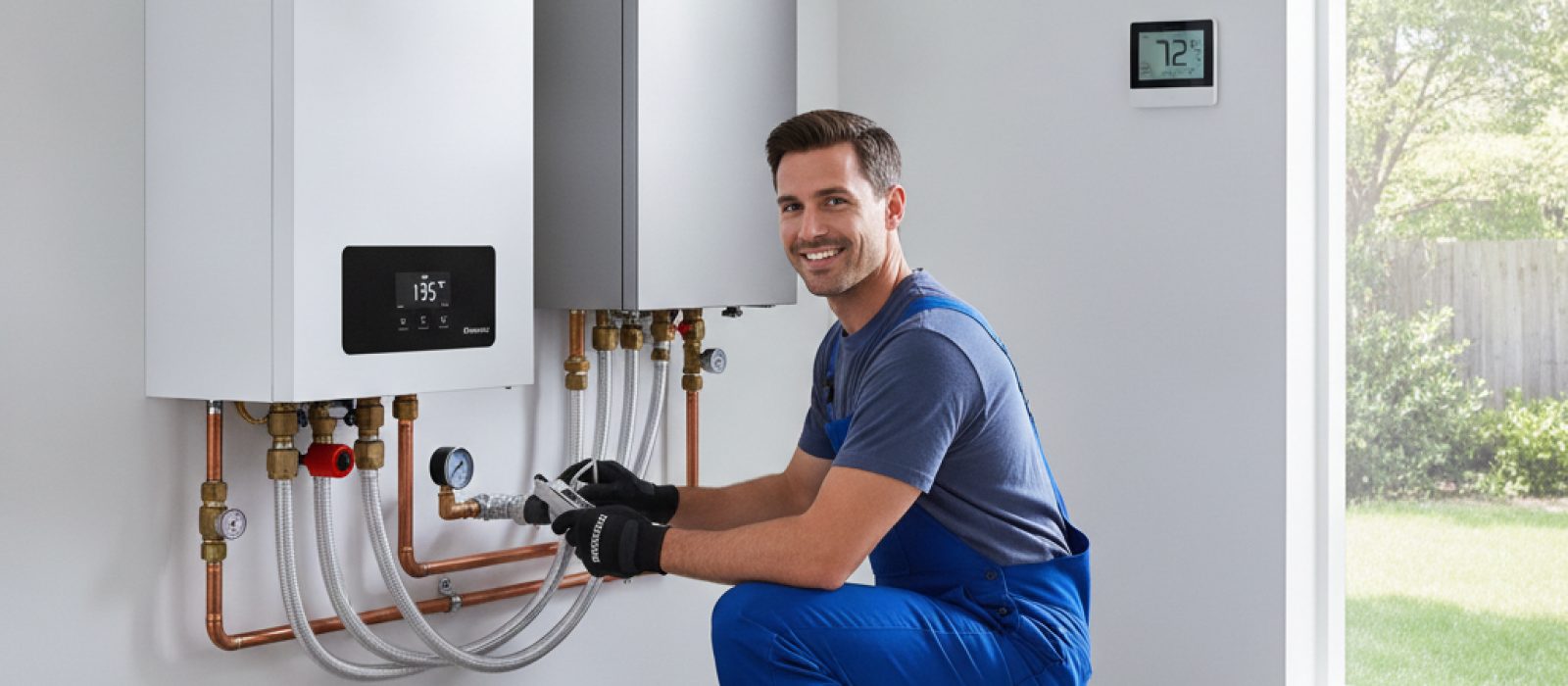
Learn how Rinnai combi boilers provide dual-function heating and hot water, helping you decide if this high-efficiency technology fits your home.
Be the first to comment.