
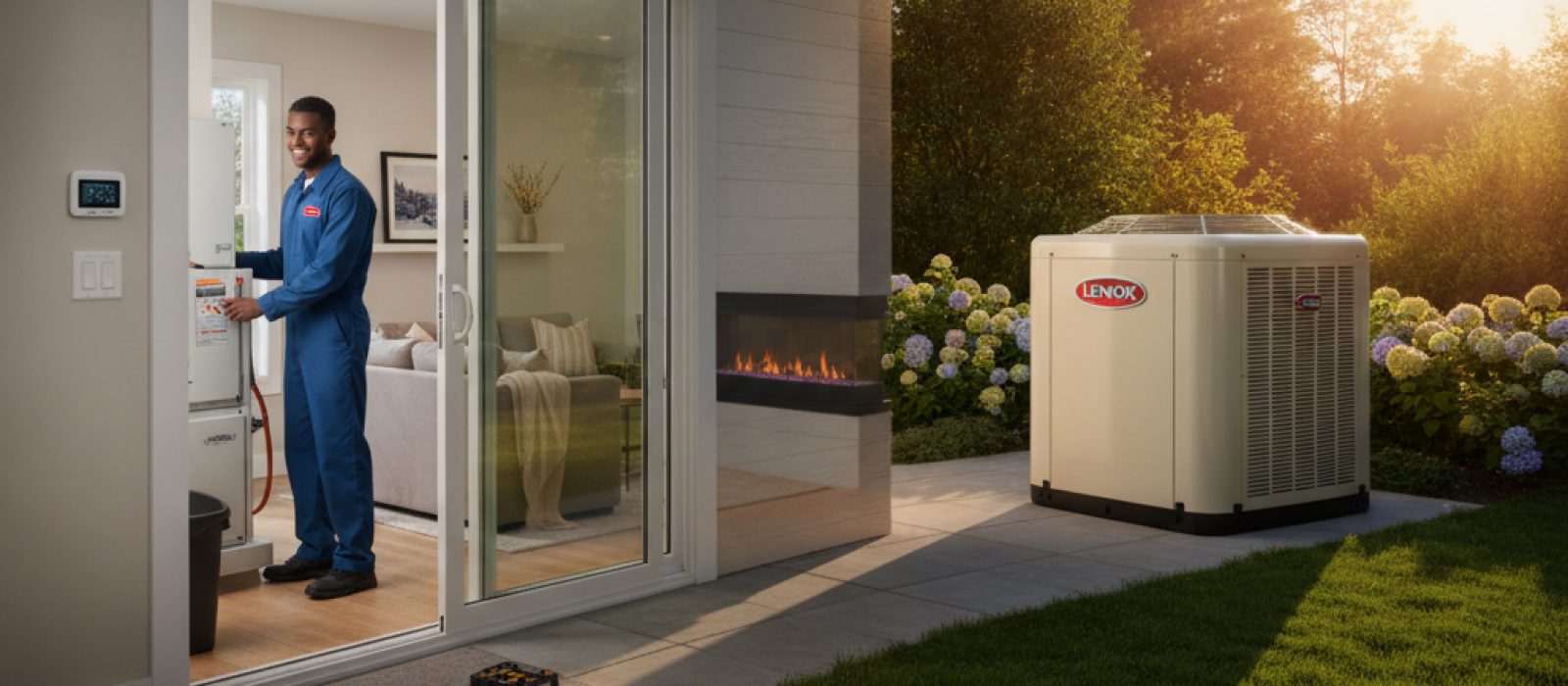
Lennox Furnaces and Heat Pumps: Repair Costs and Buying Guide
A practical guide for homeowners evaluating Lennox heating and cooling systems, covering repair expectations, maintenance needs, and replacement factors.
4 min read

Transitioning from an oil-fired boiler or furnace to an electric heat pump represents a significant change in how a home manages thermal comfort. In the Northeast, where heating demand is high and winters are prolonged, this conversion requires careful planning regarding electrical capacity, insulation, and system design. This guide outlines the technical requirements, logistical considerations, and performance expectations for homeowners evaluating this transition.
A heat pump operates by moving heat rather than generating it through combustion. Because these systems generally produce lower supply temperatures than traditional oil burners, the building envelope must be able to retain heat effectively. Before installing a new system, prioritize building shell improvements.
If your home currently requires extensive repairs, professional Energy Efficient Solutions can help identify the most impactful areas to seal before downsizing or replacing your heating equipment.
Most oil heating systems rely on a 120-volt circuit for the burner and controls. In contrast, modern heat pump systems require dedicated, high-voltage circuits. This often necessitates an upgrade to the home's electrical panel to handle the increased load.
A licensed electrician must assess the service entrance capacity. If the panel is outdated or lacks sufficient amperage, a service upgrade is mandatory. Do not attempt to bypass load calculations; heat pumps require stable, dedicated power to operate their compressors and defrost cycles during extreme cold. Coordination with your Electrical Services provider is a critical first step in the planning phase.
Northeast homeowners typically choose between two primary heat pump configurations: ducted central systems or ductless mini-split systems. The choice depends heavily on the existing infrastructure of the home.
If your home already has an existing forced-air furnace and ductwork, a central heat pump can often utilize these paths. However, existing oil-heat ductwork may be undersized for the higher airflow requirements of a heat pump. A technician must perform a manual-D calculation to ensure the ducts can handle the necessary volume without creating excessive noise or reducing system efficiency.
Mini-splits are ideal for homes that currently use oil-fired hydronic baseboards or radiators. These systems consist of one or more indoor air handlers connected to a single outdoor compressor. They offer room-by-room temperature control, which can significantly reduce energy waste in unoccupied areas of the home.
While modern cold-climate heat pumps are designed to operate in sub-zero temperatures, their efficiency drops as the outdoor temperature falls. In many Northeast climates, homeowners opt for a hybrid or "dual-fuel" setup. This retains a small portion of the oil system or integrates an electric resistance heat kit as a backup for the coldest nights of the year.
Maintaining your existing furnace as a backup during the first year of operation provides a safety net while you learn how the heat pump performs during a typical winter. When you are ready to remove the oil tank entirely, ensure you consult with professionals who specialize in Heating Services to safely decommission the tank and piping according to local environmental regulations.
Heat pumps require a different maintenance cadence than oil burners. While oil systems need annual cleaning to remove soot and combustion byproducts, heat pumps require regular coil cleaning and filter changes to maintain airflow. Neglecting these tasks leads to reduced performance and increased energy consumption. Scheduling regular Maintenance and Tune-up visits ensures the refrigerant levels are correct and that the outdoor unit remains free of ice and debris.
The lifespan of a heat pump is often comparable to that of a furnace, provided it is sized correctly. Oversizing a unit is a common mistake that leads to short-cycling, where the system turns on and off too frequently. This wears out components prematurely and fails to effectively dehumidify the air. Always insist on a professional load calculation rather than relying on the size of the oil boiler you are replacing.
A practical guide for homeowners evaluating Lennox heating and cooling systems, covering repair expectations, maintenance needs, and replacement factors.
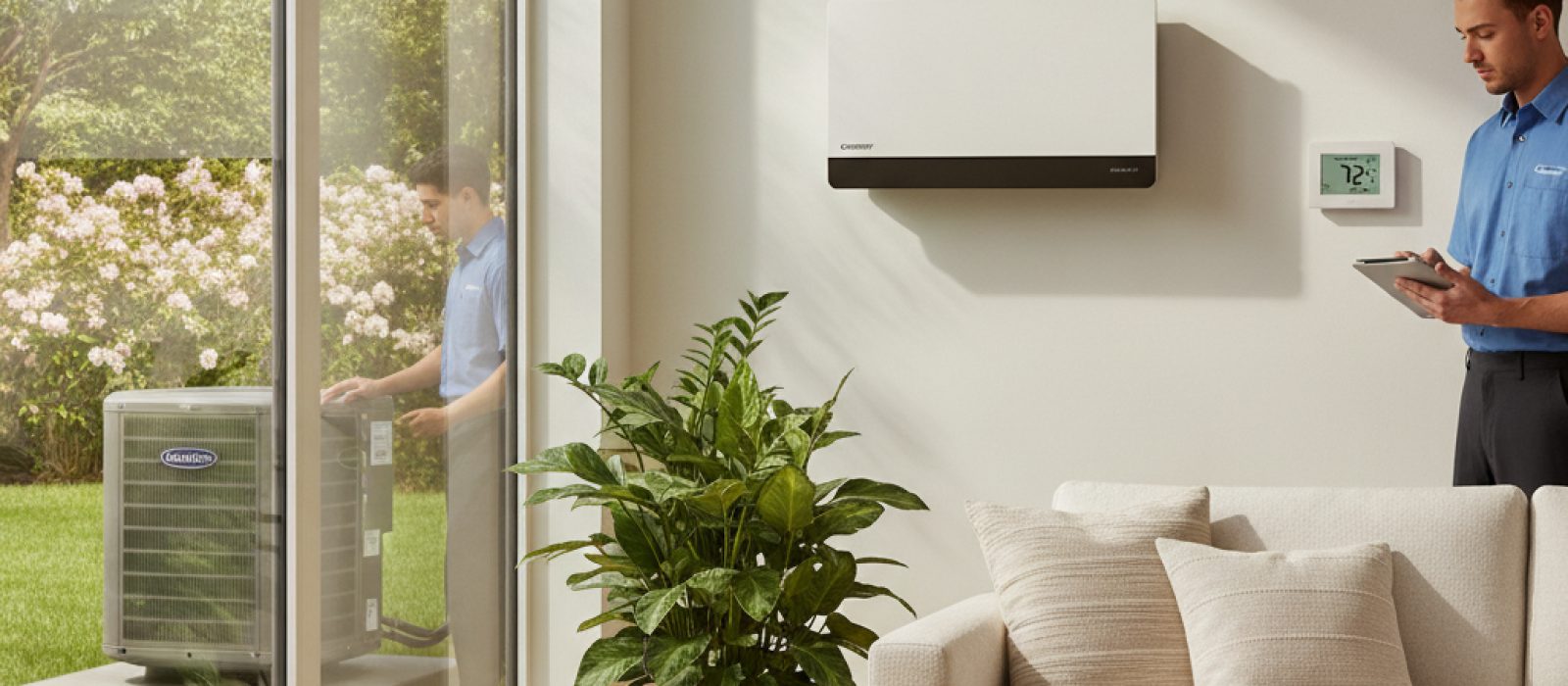
Learn how the Carrier Infinity series heat pumps and ductless systems balance high-efficiency heating with advanced climate control features.
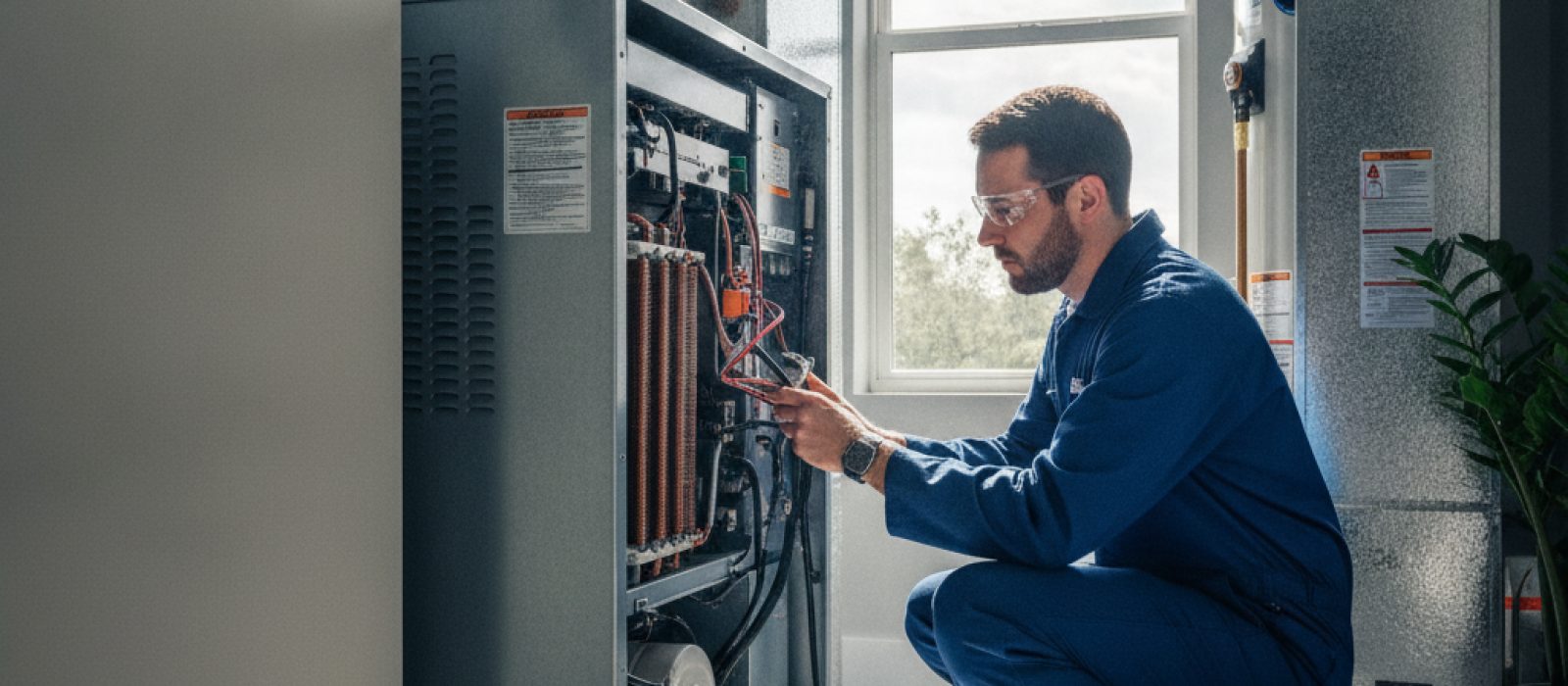
Learn how the air handler functions as the heart of your HVAC system, circulating air and regulating temperature throughout your home.
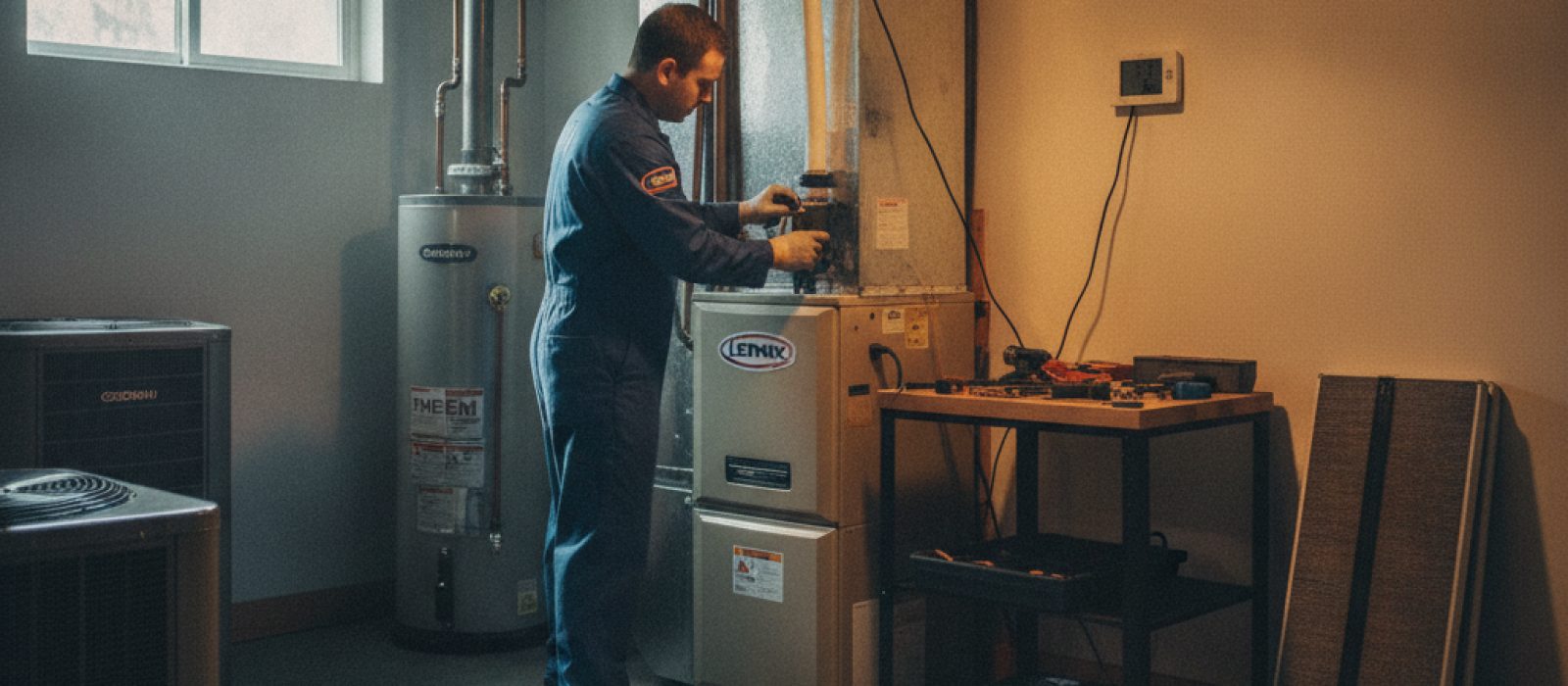
Learn how specific furnace brands influence repair frequency, component availability, and the diagnostic process for your home heating system.
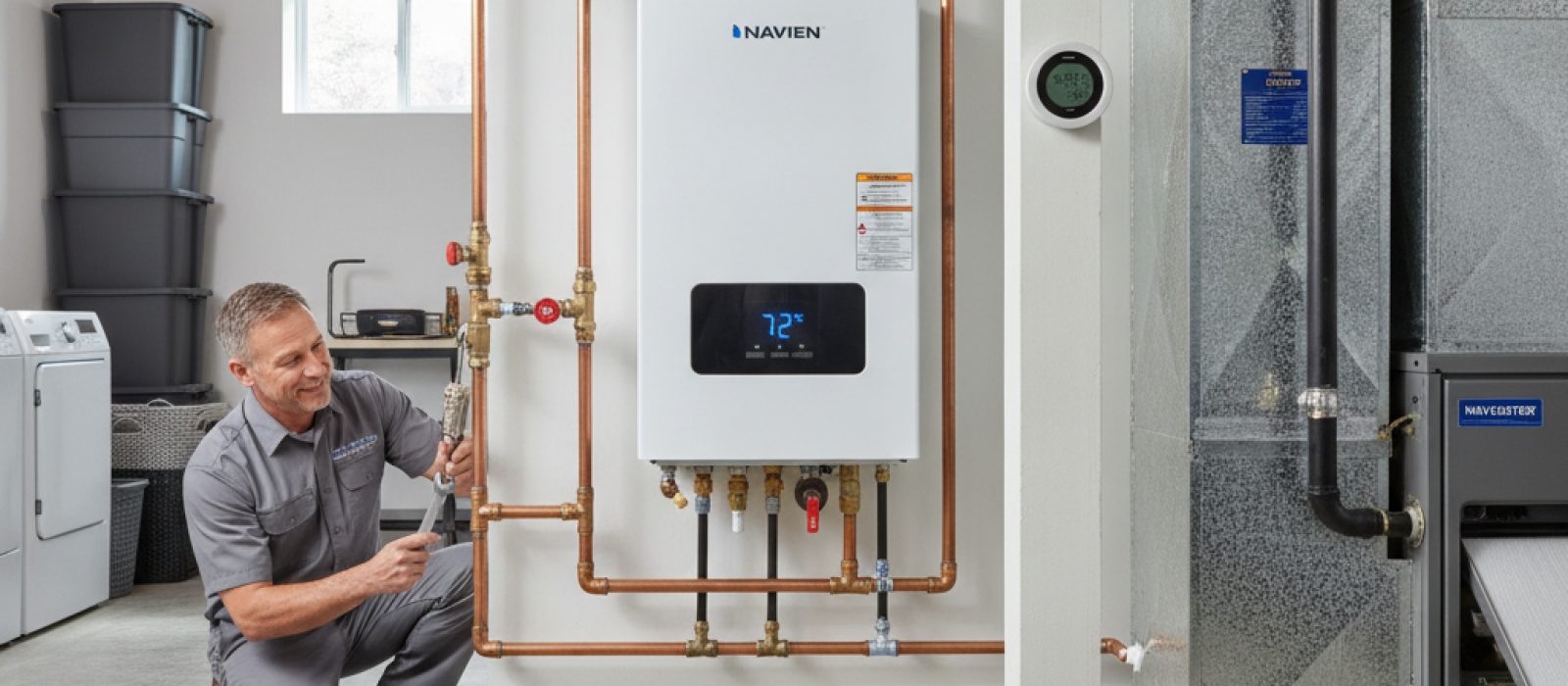
Evaluate the performance, efficiency, and installation requirements of Navien boilers for your residential heating system.
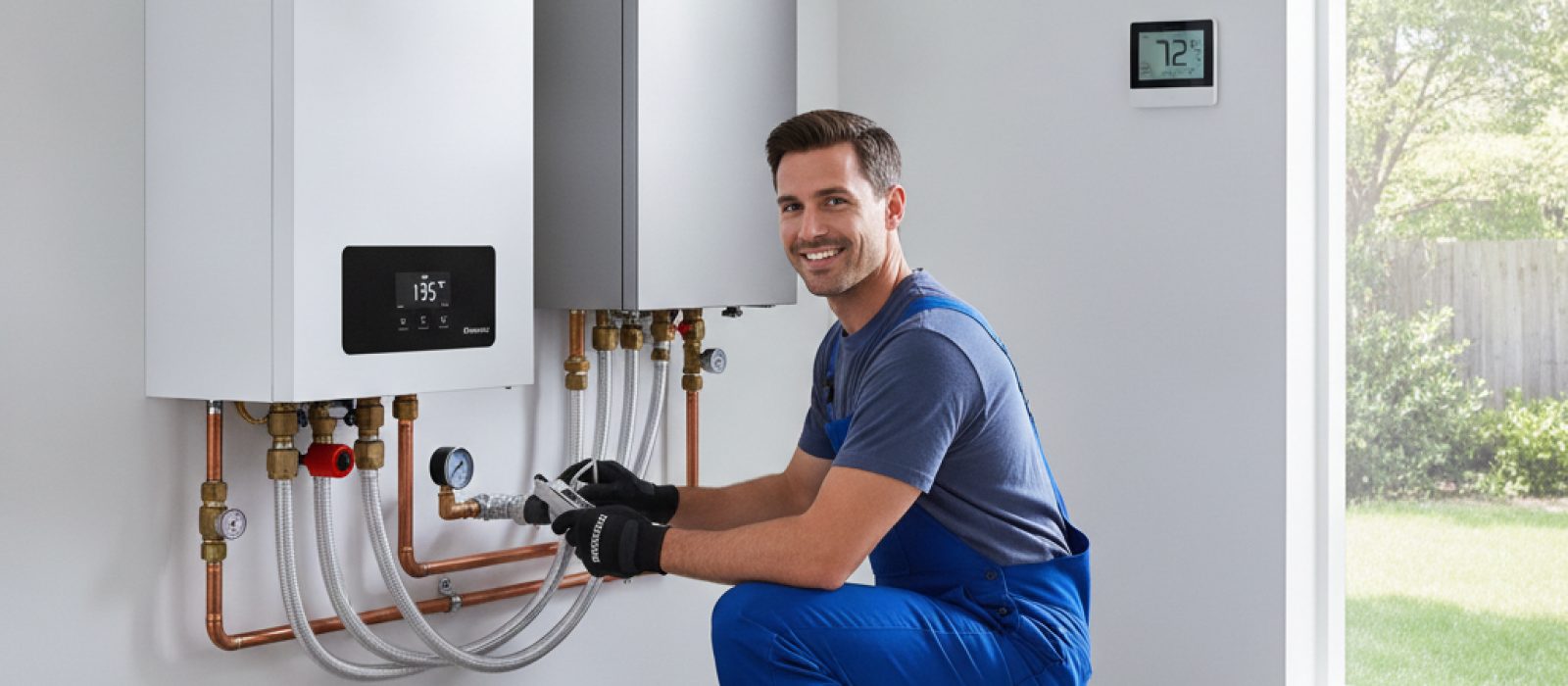
Learn how Rinnai combi boilers provide dual-function heating and hot water, helping you decide if this high-efficiency technology fits your home.
Be the first to comment.