
Lennox Furnaces and Heat Pumps: Repair Costs and Buying Guide
A practical guide for homeowners evaluating Lennox heating and cooling systems, covering repair expectations, maintenance needs, and replacement factors.
4 min read

The primary distinction between propane and natural gas lies in how the fuel reaches the furnace. Natural gas is delivered through a municipal utility line, requiring a connection to a local gas main. For many rural homes, this infrastructure does not exist, making natural gas unavailable without significant investment in extending utility lines.
Propane is delivered by truck and stored in a tank located on the property. This autonomy provides a consistent fuel source regardless of the home's proximity to public utility grids. Homeowners must manage their fuel supply by monitoring tank levels and scheduling deliveries, which adds a layer of logistical responsibility not required with natural gas.
While natural gas and propane furnaces function similarly, they are not interchangeable without modification. Propane has a higher energy density than natural gas, meaning the furnace burner orifices must be sized differently to ensure the correct fuel-to-air mixture for efficient combustion.
Most modern furnaces are designed for easy conversion between fuel types using a conversion kit. This process involves replacing specific valves and orifices to adjust the pressure and flow. Because this work involves gas lines and combustion safety, it must be performed by a licensed professional to prevent leaks or carbon monoxide hazards. If you are planning a switch, schedule a professional assessment to ensure your existing unit is compatible.
When evaluating heating performance, both fuel types offer reliable heat output. Propane produces more British Thermal Units (BTUs) per cubic foot than natural gas, which allows for smaller burners to achieve the same heat output. However, since propane is delivered as a liquid and expands into a gas, the system requires precise pressure regulation to maintain consistent operation.
Natural gas systems benefit from constant pressure provided by the utility provider, which generally results in very stable combustion. Regardless of the fuel source, the overall efficiency of the system is determined by the furnace's Annual Fuel Utilization Efficiency (AFUE) rating. Investing in high-efficiency equipment is a recommended path for reducing consumption, often supported by professional Energy Efficient Solutions to ensure the entire home envelope is optimized for heat retention.
Safety is a priority for both fuel types. Natural gas is lighter than air and will dissipate if a leak occurs, whereas propane is heavier than air and can accumulate in low-lying areas, such as basements or crawl spaces. This property makes proper ventilation and the installation of appropriate gas detectors essential for propane users.
Routine Maintenance & Tune-up visits are critical for both systems. Technicians must inspect heat exchangers for cracks, clean burners, and verify that the venting system is clear of obstructions. During these visits, the technician also confirms that the igniters and safety sensors are functioning correctly, which is vital for preventing emergency service calls during peak winter months.
Propane users must consider the placement and ownership of their storage tanks. Tanks can be installed above ground or buried underground, with each option carrying different installation requirements and aesthetic impacts. Regular Heating Services should include a check of the exterior gas lines and connections to ensure there are no signs of corrosion or potential leaks at the tank regulator.
Natural gas users avoid the need for on-site storage, which frees up yard space and eliminates the need to track fuel levels. However, they remain dependent on the integrity of the utility company’s delivery pipes. During extreme weather events, utility lines can occasionally experience pressure drops, though this is rare in well-maintained municipal systems.
Choosing a fuel source often influences other household appliances. Many homeowners choose to run their water heaters and kitchen ranges on the same fuel as their furnace to simplify utility management. If you are upgrading your Water Heaters or other gas-powered appliances, verify that your current fuel delivery system—whether a utility connection or a propane tank—is sized to handle the combined load of all appliances.
For those in extremely remote areas where neither fuel is ideal, or for homes looking to reduce their carbon footprint, hybrid systems are an emerging option. Integrating an electric heat pump with a gas or propane furnace can provide a secondary heating source during milder temperatures, reducing the strain on the primary fuel supply and extending the life of the furnace.
A practical guide for homeowners evaluating Lennox heating and cooling systems, covering repair expectations, maintenance needs, and replacement factors.
Learn how the Carrier Infinity series heat pumps and ductless systems balance high-efficiency heating with advanced climate control features.
Learn how the air handler functions as the heart of your HVAC system, circulating air and regulating temperature throughout your home.
Learn how specific furnace brands influence repair frequency, component availability, and the diagnostic process for your home heating system.
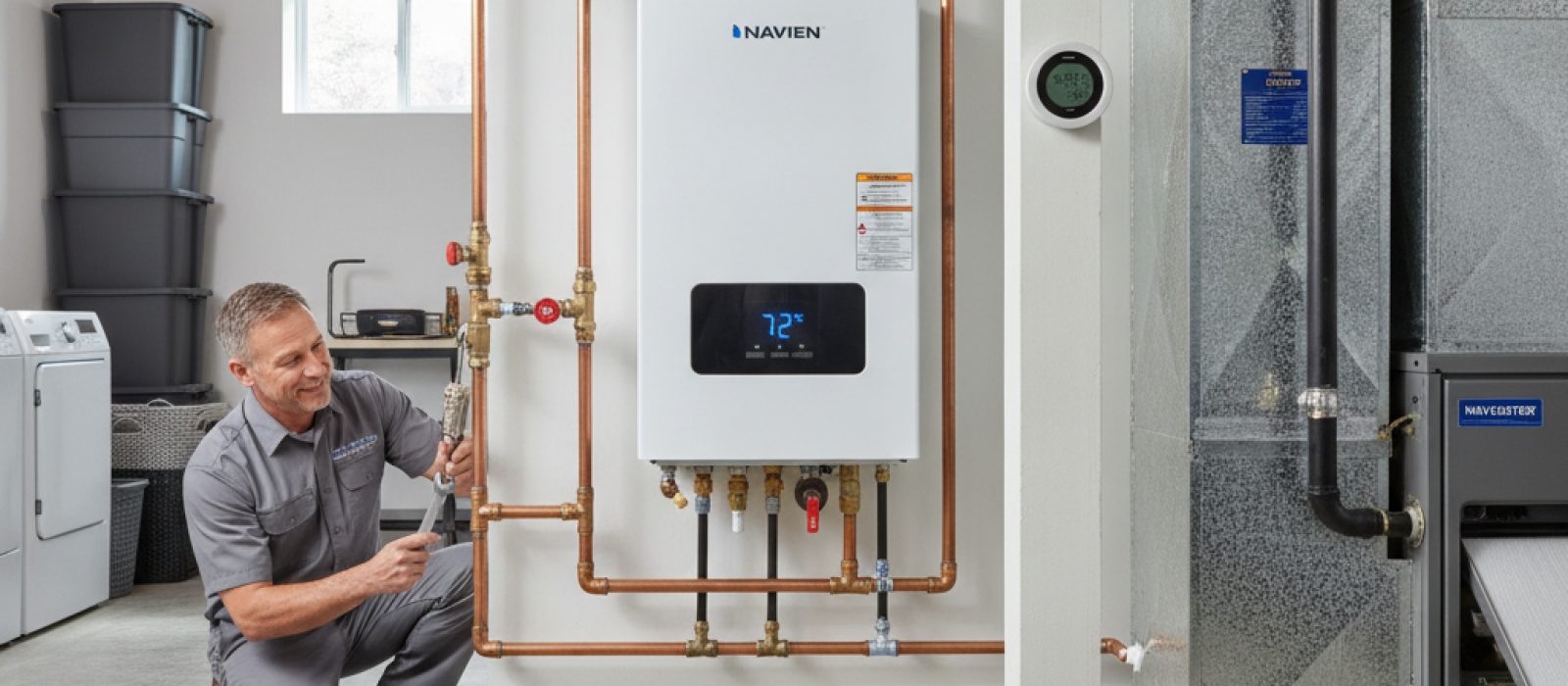
Evaluate the performance, efficiency, and installation requirements of Navien boilers for your residential heating system.
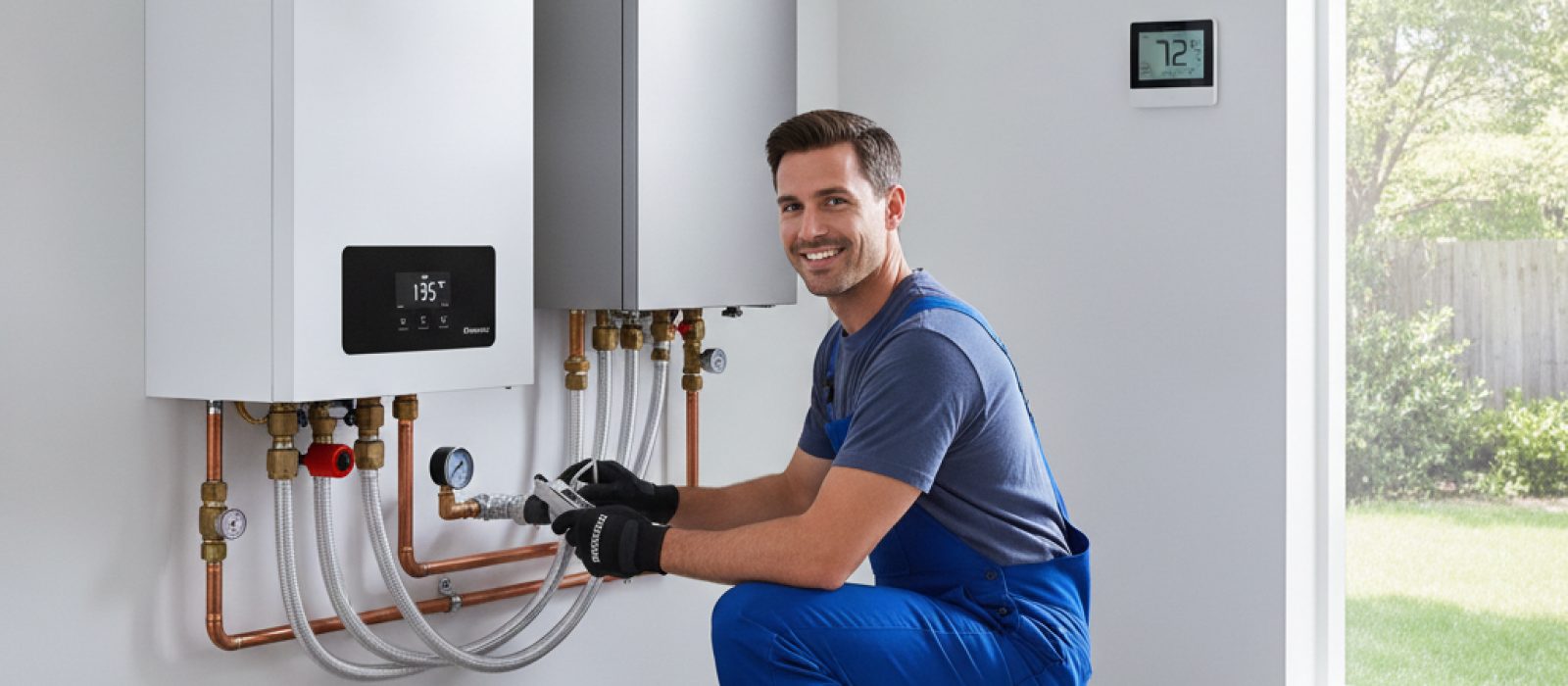
Learn how Rinnai combi boilers provide dual-function heating and hot water, helping you decide if this high-efficiency technology fits your home.
Be the first to comment.