
Lennox Furnaces and Heat Pumps: Repair Costs and Buying Guide
A practical guide for homeowners evaluating Lennox heating and cooling systems, covering repair expectations, maintenance needs, and replacement factors.
4 min read

When it comes to keeping your home warm and comfortable during those chilly months, your furnace is the unsung hero. But did you know that simply having a powerful furnace isn't enough? In fact, an incorrectly sized furnace, whether too large or too small, can lead to a host of problems, from inflated energy bills to uneven heating and even premature system breakdown. For U.S. homeowners, understanding furnace capacity and how to size it correctly is not just about comfort; it's about smart energy management and long-term savings.
An oversized furnace will cycle on and off too frequently (short-cycling), wasting energy and putting undue stress on components. It won't run long enough to properly dehumidify your home, leading to a clammy feeling even when warm. Conversely, an undersized furnace will struggle to heat your home adequately on the coldest days, running almost constantly without ever quite reaching your desired temperature, leading to high energy bills and discomfort. The goal is to find that 'just right' fit.
The primary measurement for furnace heating capacity is the British Thermal Unit (BTU). One BTU is the amount of energy required to raise the temperature of one pound of water by one degree Fahrenheit. When you see a furnace rated at 80,000 BTUs, it means it can produce that much heat per hour.
However, it's not just about the output BTUs. Furnaces have an efficiency rating, typically expressed as an Annual Fuel Utilization Efficiency (AFUE) percentage. An 80% AFUE furnace means 80% of the fuel it consumes is converted into usable heat, while 20% is lost, usually up the flue. So, an 80,000 BTU input, 80% AFUE furnace actually delivers 64,000 BTUs of heat to your home.
Determining the correct furnace size for your home is a complex calculation that goes beyond just square footage. A professional HVAC technician will perform a detailed 'load calculation' (often referred to as Manual J in the industry) that considers numerous specific factors about your home. Here are the key elements:
While it might be tempting to use online calculators or simply match the BTU rating of your old furnace, this approach is often flawed. Your home's energy efficiency might have changed dramatically since your last furnace installation due to upgrades like new windows, added insulation, or even a new roof. An online calculator can provide a very rough estimate, but it cannot account for the unique thermal properties of your specific home.
For instance, an old rule of thumb might suggest 30-60 BTUs per square foot, but this is a vast range and doesn't consider any of the critical factors listed above. Relying on such generalizations almost guarantees an incorrectly sized system.
The only accurate way to determine the correct furnace capacity is to have a certified HVAC professional perform a comprehensive load calculation. This involves:
This meticulous process ensures that the furnace recommended will be perfectly matched to your home's unique heating needs, providing optimal comfort and maximum energy efficiency.
Investing in a new furnace is a significant decision. By ensuring it's properly sized, you're not just buying a heating appliance; you're investing in consistent comfort, lower energy bills, and a longer lifespan for your HVAC system. Don't leave this critical step to guesswork. Always consult with a reputable HVAC professional to get a precise load calculation and expert recommendation tailored to your U.S. home.
A practical guide for homeowners evaluating Lennox heating and cooling systems, covering repair expectations, maintenance needs, and replacement factors.
Learn how the Carrier Infinity series heat pumps and ductless systems balance high-efficiency heating with advanced climate control features.
Learn how the air handler functions as the heart of your HVAC system, circulating air and regulating temperature throughout your home.
Learn how specific furnace brands influence repair frequency, component availability, and the diagnostic process for your home heating system.
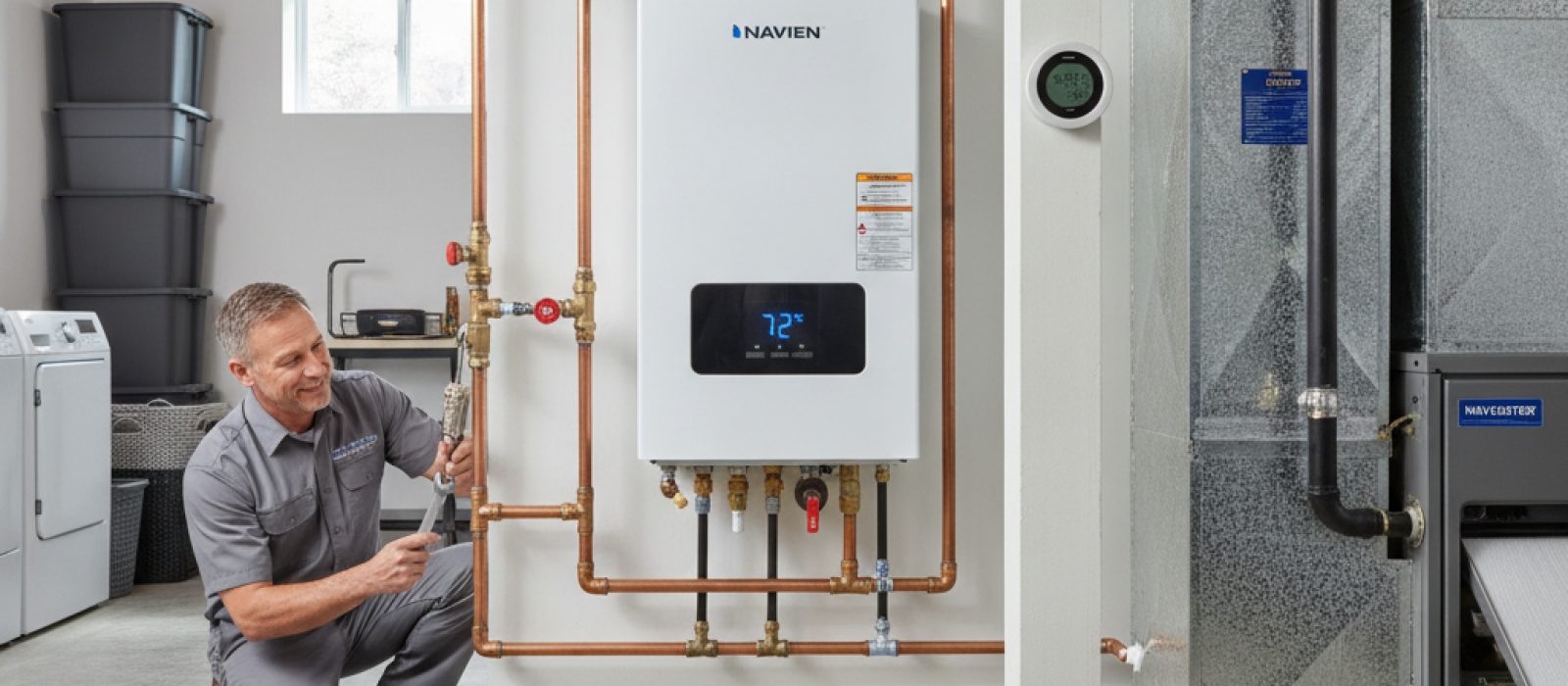
Evaluate the performance, efficiency, and installation requirements of Navien boilers for your residential heating system.
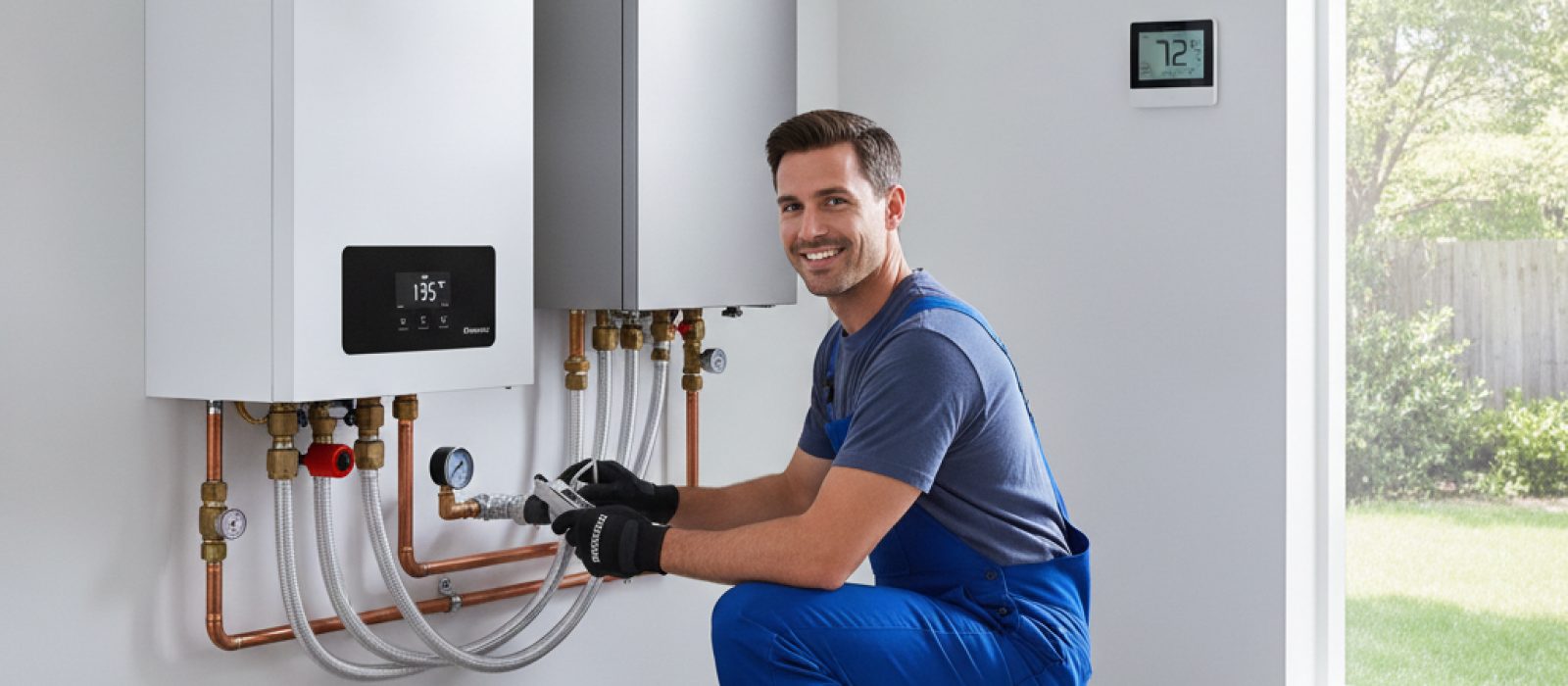
Learn how Rinnai combi boilers provide dual-function heating and hot water, helping you decide if this high-efficiency technology fits your home.
Be the first to comment.