
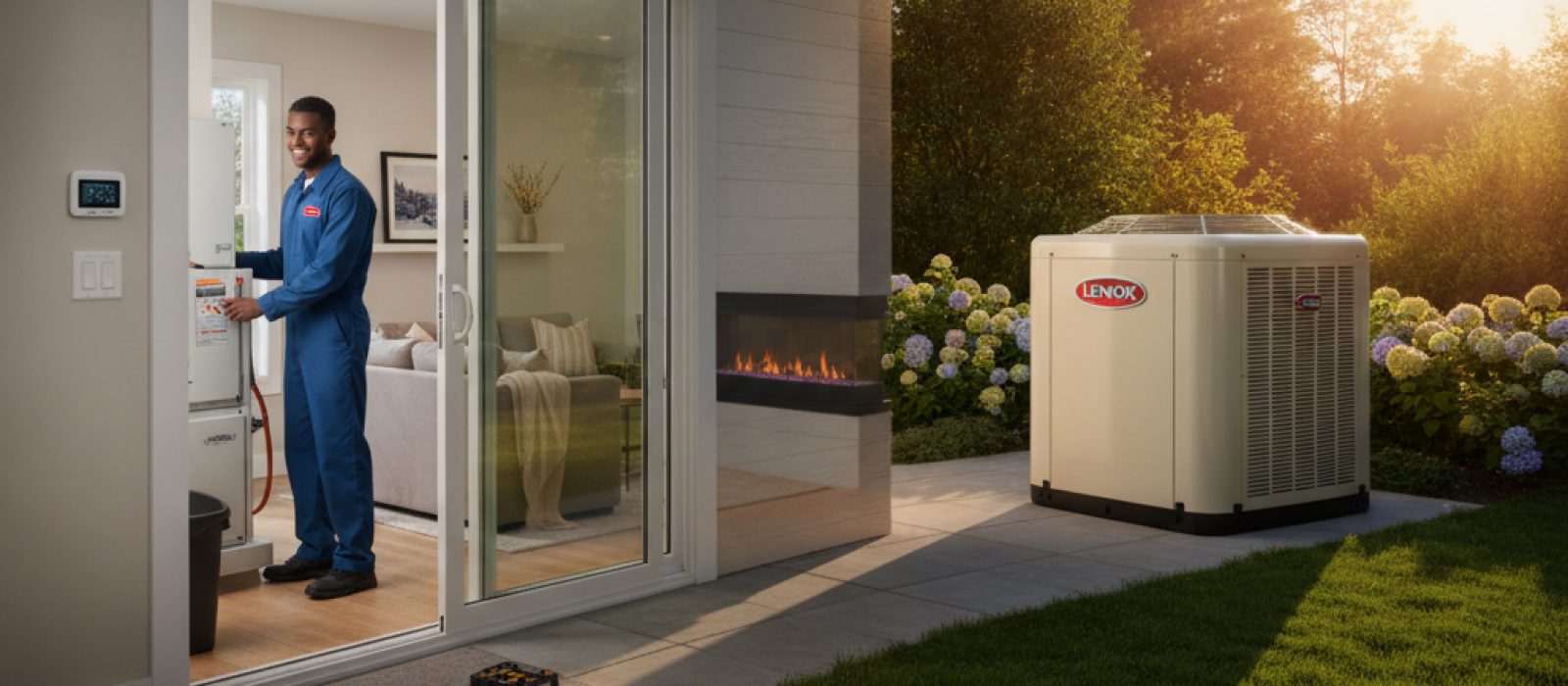
Lennox Furnaces and Heat Pumps: Repair Costs and Buying Guide
A practical guide for homeowners evaluating Lennox heating and cooling systems, covering repair expectations, maintenance needs, and replacement factors.
4 min read

Traditional single-stage furnaces operate on a binary principle: they are either fully on or completely off. When the thermostat detects a drop in temperature, the furnace fires at 100 percent capacity until the set point is reached, then shuts down entirely. This cycle creates noticeable temperature swings, as the home warms up rapidly and then begins to cool down before the next heating cycle initiates. High-capacity blasts of air can also lead to noisy operation and uneven heat distribution throughout the home.
Two-stage furnaces introduce a middle ground to the heating process. These systems utilize a gas valve that can adjust the flow of fuel, allowing the furnace to operate at a lower capacity—typically around 60 to 65 percent—during mild weather. When the outdoor temperature is moderate, the furnace stays in this low-stage setting, providing a quiet, steady stream of heat that maintains comfort without the aggressive temperature spikes associated with single-stage systems.
When the outdoor temperature drops significantly and the low-stage output is insufficient to meet the thermostat demand, the system automatically transitions to high-stage operation. This ensures that the home remains warm even during the coldest winter nights. By spending more time in the lower, more efficient stage, these systems often benefit from reduced wear on components, which is a key consideration when scheduling your annual Maintenance & Tune-up to keep the system running optimally.
A modulating furnace takes the concept of multi-stage heating to its logical conclusion. Rather than having two fixed settings, a modulating system can adjust its output in small, precise increments—often as granular as 1 percent adjustments—to match the exact heating load required at any given moment. This allows the furnace to run for longer periods at very low speeds, which is highly effective at keeping indoor temperatures consistent.
Because the system is rarely running at full capacity, the air movement is much gentler. This improved circulation helps prevent cold spots in distant rooms and reduces the stratification of air, where heat rises to the ceiling while floors remain chilly. Those looking to optimize their home's climate may also pair these high-efficiency heating systems with professional Indoor Air Quality solutions to ensure the air being circulated is filtered and balanced throughout the heating season.
The primary advantage of moving beyond single-stage systems is the reduction in wasted energy. Single-stage furnaces frequently overshoot the desired temperature because they continue to push high-heat air into the ducts even as the room approaches the target temperature. Two-stage and modulating systems taper off their output as they approach the target, avoiding this thermal overshoot.
Furthermore, these systems generally feature variable-speed blowers. Unlike standard blowers that run at a single speed, variable-speed motors adjust their airflow based on the heating stage. This assists in quieter operation and allows for better humidity control during the shoulder seasons. If you notice persistent issues with airflow, it may be time to consult experts in Ductwork Services to ensure your distribution system is capable of handling the precise airflow requirements of a modulating furnace.
Upgrading to a two-stage or modulating furnace involves more than just swapping out the furnace unit. These systems require a compatible thermostat capable of communicating with the furnace's control board. In many cases, a proprietary communicating thermostat is necessary to manage the complex logic required to modulate the heating output correctly.
Homeowners should also ensure that their existing ductwork is properly sized. Because these furnaces move air differently than single-stage models, any existing restrictions in the duct system can cause the furnace to work harder than necessary. Engaging in Energy Efficient Solutions often begins with an assessment of the entire heating and cooling envelope to ensure the equipment is properly matched to the home's thermal needs.
Advanced furnaces contain more complex electronics and sensors than their single-stage counterparts. While the longevity of the heat exchanger can be improved due to fewer start-stop cycles, the control boards and modulating gas valves represent additional components that require professional attention. Regular inspections are necessary to ensure the sensors are calibrated and the ignition systems are clean.
Homeowners should stick to basic tasks such as replacing air filters on a strict schedule. Any adjustments to the gas pressure, electrical wiring, or internal control settings must be handled by a licensed professional. Attempting to service the gas valve or the integrated control board without the proper training and tools can lead to safety hazards or voided warranties.
A practical guide for homeowners evaluating Lennox heating and cooling systems, covering repair expectations, maintenance needs, and replacement factors.
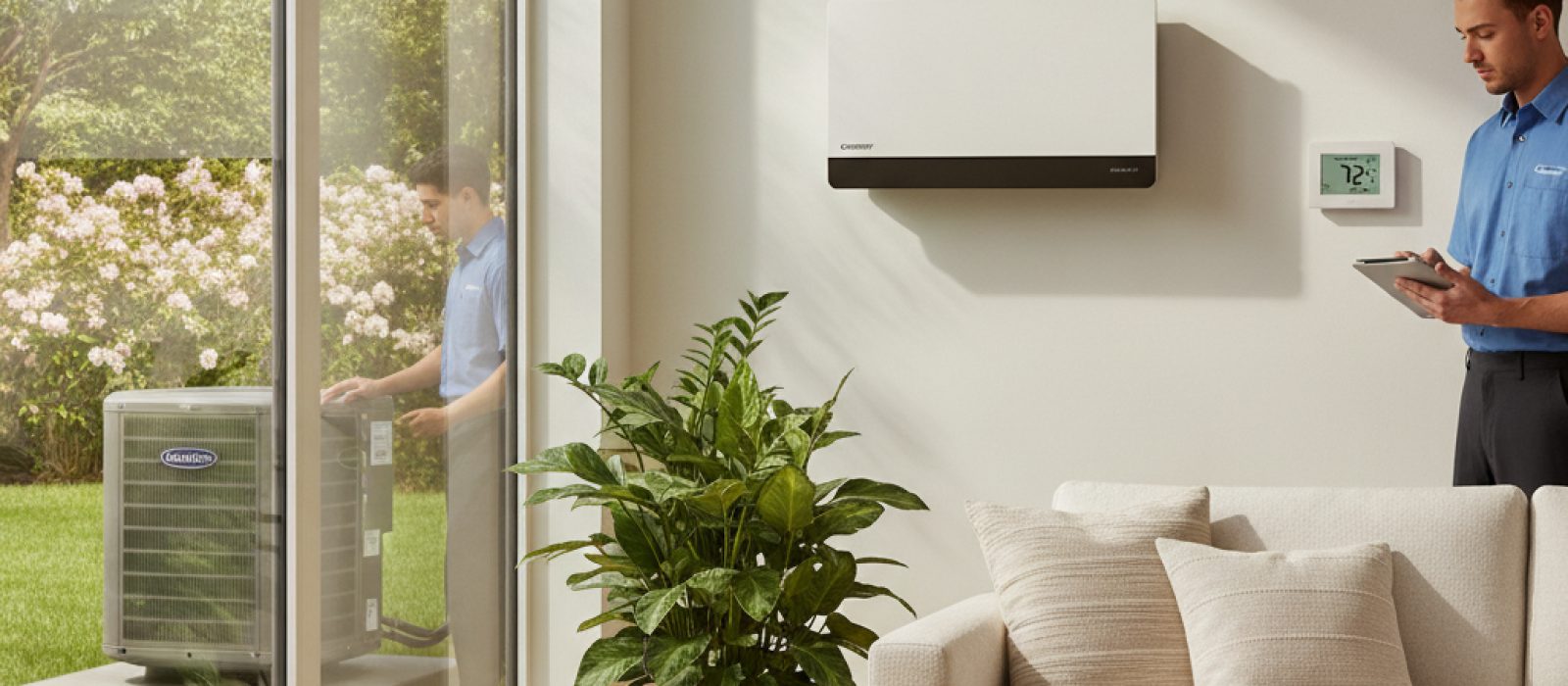
Learn how the Carrier Infinity series heat pumps and ductless systems balance high-efficiency heating with advanced climate control features.
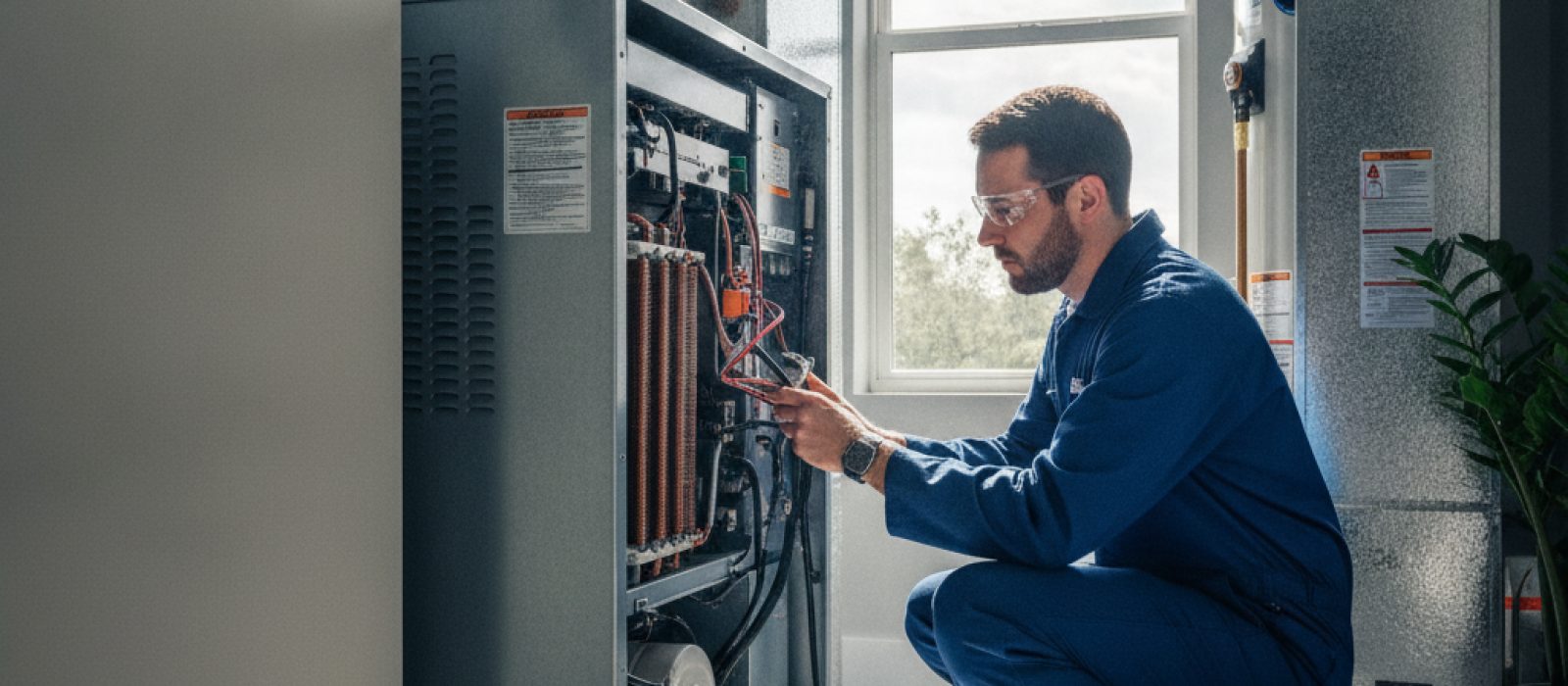
Learn how the air handler functions as the heart of your HVAC system, circulating air and regulating temperature throughout your home.
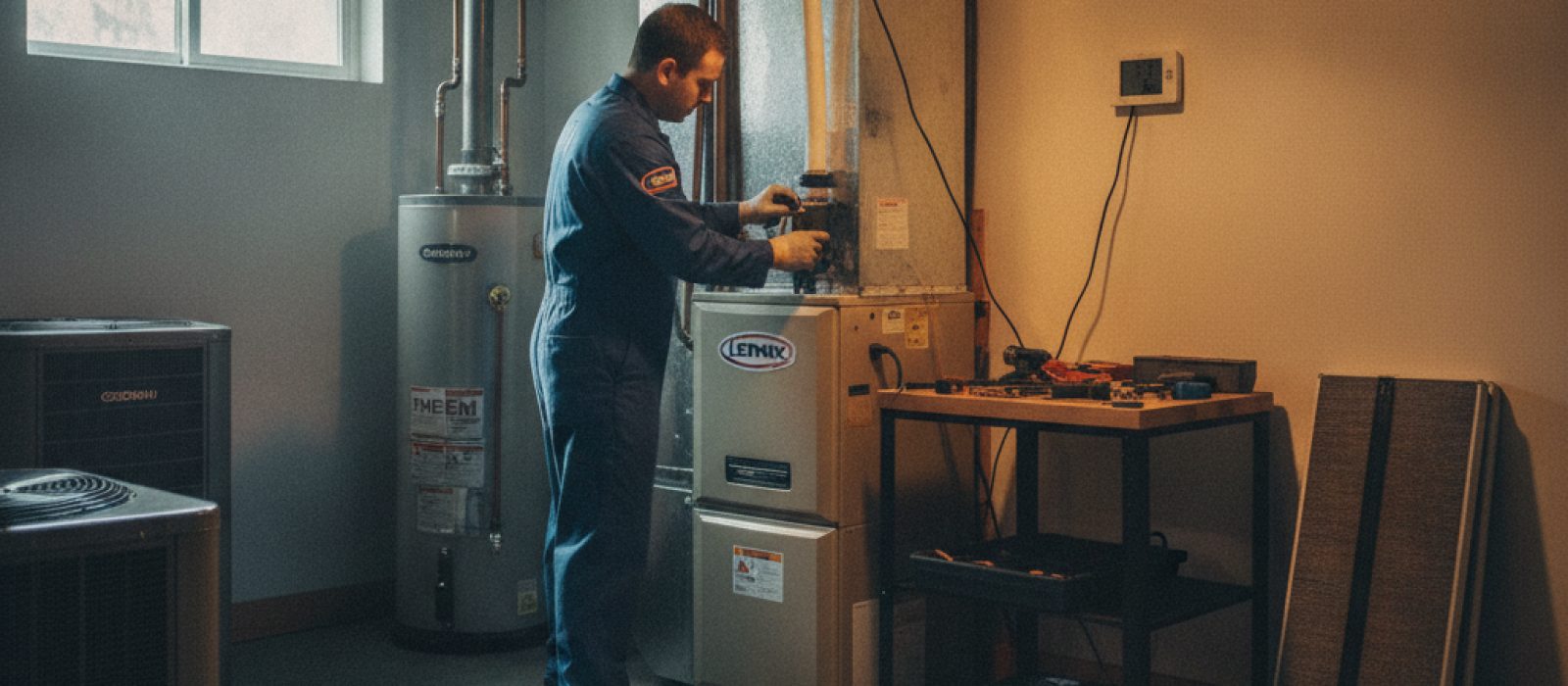
Learn how specific furnace brands influence repair frequency, component availability, and the diagnostic process for your home heating system.
Evaluate the performance, efficiency, and installation requirements of Navien boilers for your residential heating system.
Learn how Rinnai combi boilers provide dual-function heating and hot water, helping you decide if this high-efficiency technology fits your home.
Be the first to comment.