
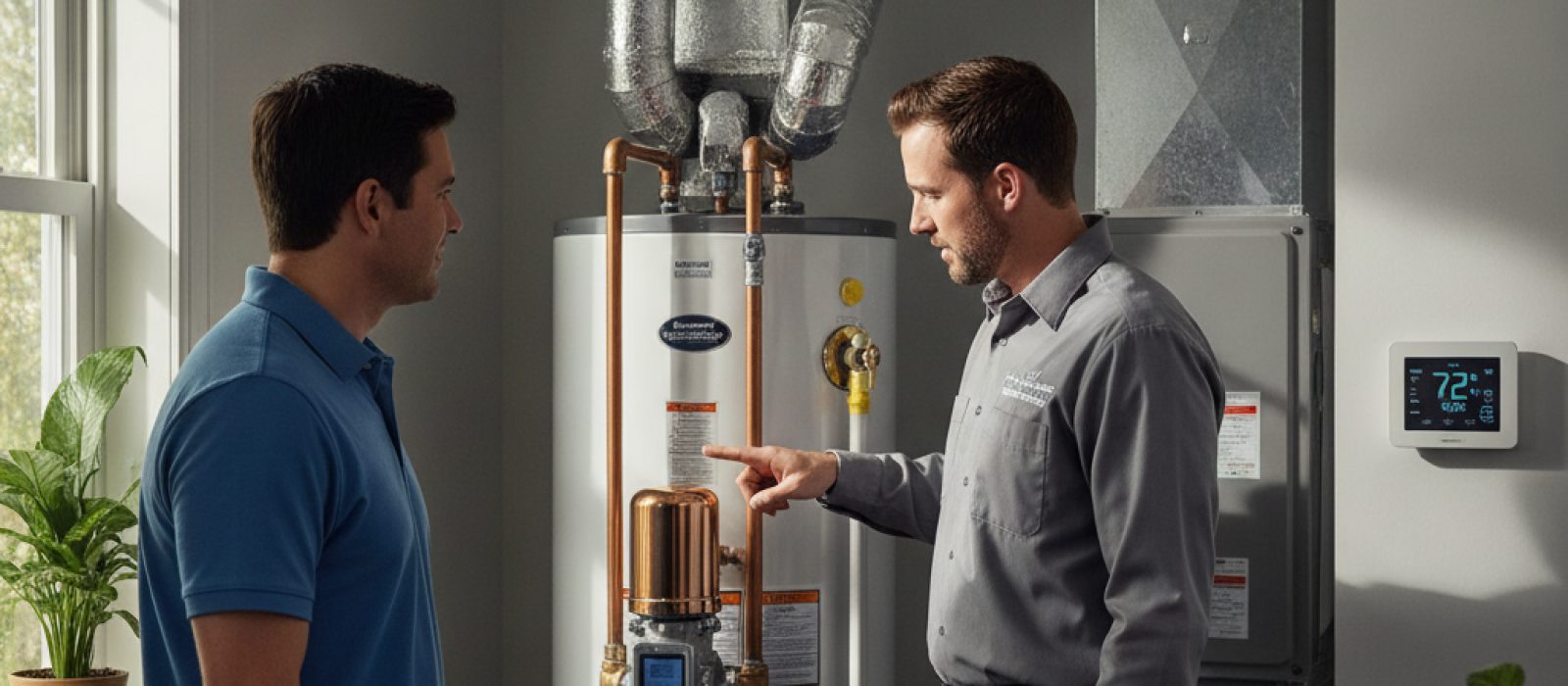
Hot Water Recirculating Pumps: How They Work and What They Cost
Learn how hot water recirculating pumps provide instant hot water, the different installation types, and the factors that influence overall project costs.
4 min read

Modern HVAC systems are sophisticated machines that rely heavily on sensitive circuit boards, variable-speed motors, and digital control panels. While these components offer improved efficiency, they are also highly susceptible to damage from electrical surges. A whole-house surge protector acts as a primary line of defense, intercepting high-voltage spikes before they reach your home’s electrical panel and distribute power to your appliances.
Unlike small point-of-use power strips designed for a single computer or television, a whole-house unit is installed directly at the service entrance or the main breaker panel. It is designed to clamp excess voltage and shunt it safely to the ground wire, preventing the surge from traveling through the branch circuits that power your furnace, heat pump, and central air conditioning unit.
HVAC equipment often represents the most expensive electrical investment in a home. During a power surge—whether caused by a lightning strike, grid switching, or internal household issues—the delicate electronic components in a modern furnace or air handler can be irreparably damaged. When these boards fail, the cost of repair or replacement often exceeds that of standard Maintenance & Tune-up services.
Surges do not always result in an immediate, catastrophic failure. Low-level, repetitive spikes can slowly degrade the internal components of a control board over time, leading to intermittent system errors or shortened lifespans. By installing a high-quality surge protection device, you provide an essential layer of Energy Efficient Solutions that keeps your equipment operating within its intended electrical parameters.
Electrical surges generally originate from two sources: external and internal. External surges are the most commonly discussed, often resulting from lightning strikes on power lines or utility grid switching. These events can deliver massive amounts of energy that overwhelm standard fuses or breakers.
Internal surges, however, are more frequent and often go unnoticed. These occur when large appliances within the home—such as a refrigerator compressor or a sump pump—cycle on and off, creating a momentary "back-feed" of electricity through the home’s wiring. While these internal surges are smaller than lightning strikes, their cumulative effect on sensitive HVAC sensors and thermostats can lead to premature component failure.
The installation of a whole-house surge protector must be performed by a licensed professional. Because the device connects directly to the main electrical panel, it involves working with high-voltage service conductors that pose a significant risk of arc flash or electrocution. Homeowners should never attempt to open the electrical panel or modify its wiring.
A professional technician will assess your current electrical service capacity to ensure the surge protector is compatible with your panel’s amperage. They will also verify that your home’s grounding electrode system is up to code, as a surge protector is only as effective as the ground path it utilizes to divert excess energy. If you are scheduling a visit for Electrical Services, it is an ideal time to have a technician inspect your panel and recommend a suitable surge protection device.
Determining if a whole-house surge protector is worth the cost involves weighing the potential replacement expenses of your home’s major systems. Replacing a main control board or a variable-speed motor in a modern HVAC system can be a significant financial burden. When you consider that a single surge event can damage multiple appliances simultaneously, the protection offered by these devices provides a clear value proposition.
Beyond the HVAC system, these protectors shield other high-value electronics, including smart home hubs, kitchen appliances, and home office equipment. It is a proactive approach to home management that reduces the likelihood of needing Emergency HVAC or electrical repairs following a severe thunderstorm or power outage.
Once installed, surge protectors are largely "set and forget," but they are not entirely maintenance-free. Most units feature LED indicator lights that show the status of the internal components. If the status light turns off or changes color, it indicates that the device has absorbed a major surge and likely needs to be replaced.
It is recommended to have your surge protection device checked during your annual home safety inspection. If you notice signs of damage or if the indicator light is no longer active, contact a professional to verify if the unit has reached the end of its service life. Regular inspections ensure that your home remains shielded against the next unexpected power event.
Learn how hot water recirculating pumps provide instant hot water, the different installation types, and the factors that influence overall project costs.
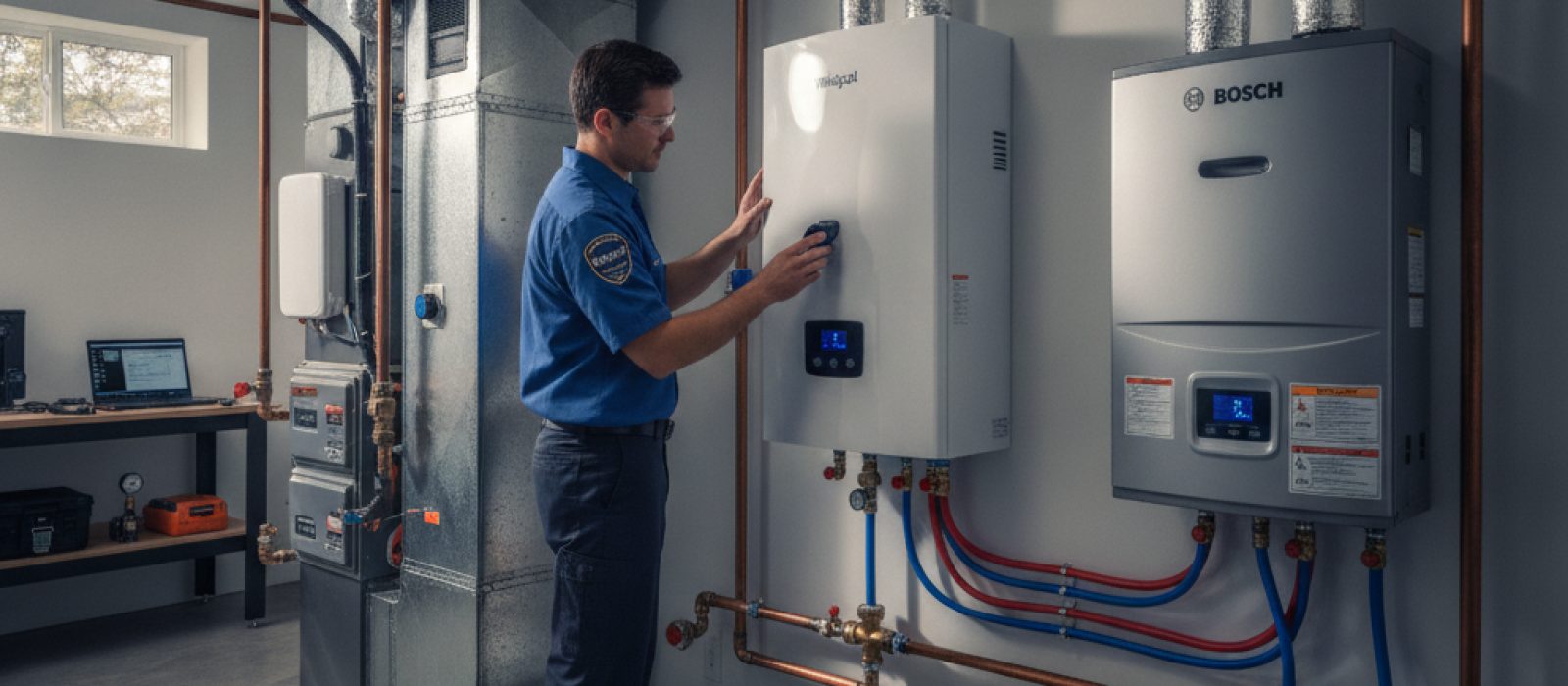
A practical guide to understanding the operational differences, maintenance needs, and common troubleshooting steps for Whirlpool and Bosch water heaters.
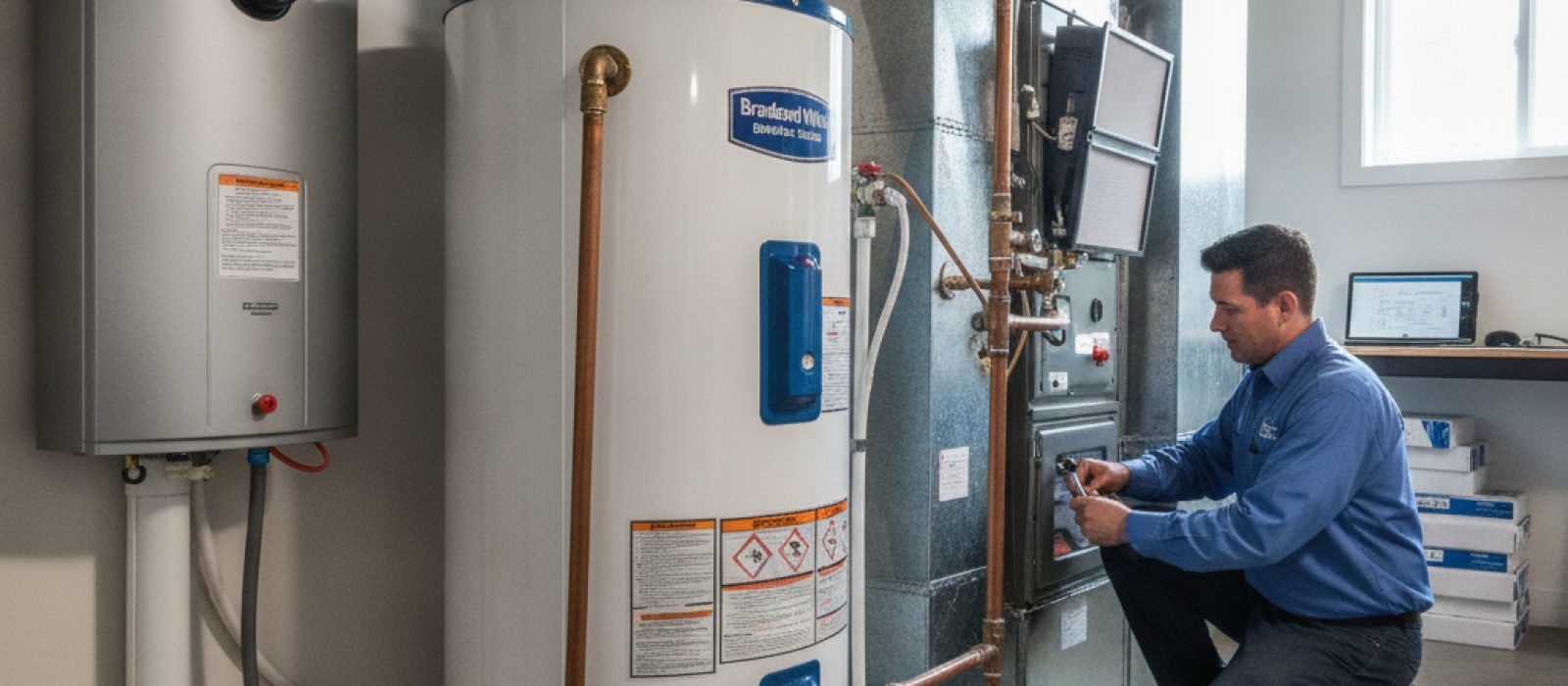
Learn how to choose between 40 and 75-gallon Bradford White water heaters and understand which model fits your home's hot water demands.
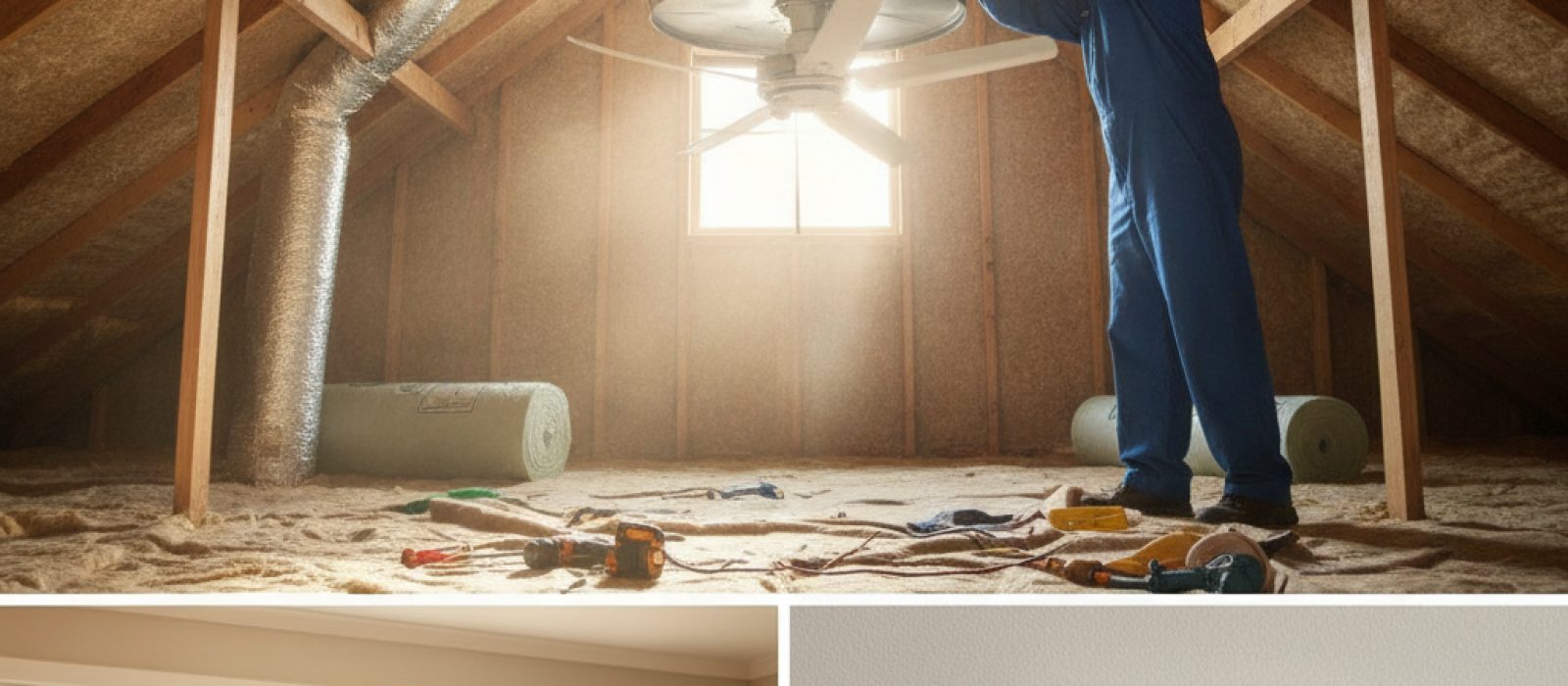
Learn how attic fans manage thermal buildup, the factors influencing installation costs, and the critical mistakes to avoid for a balanced home system.
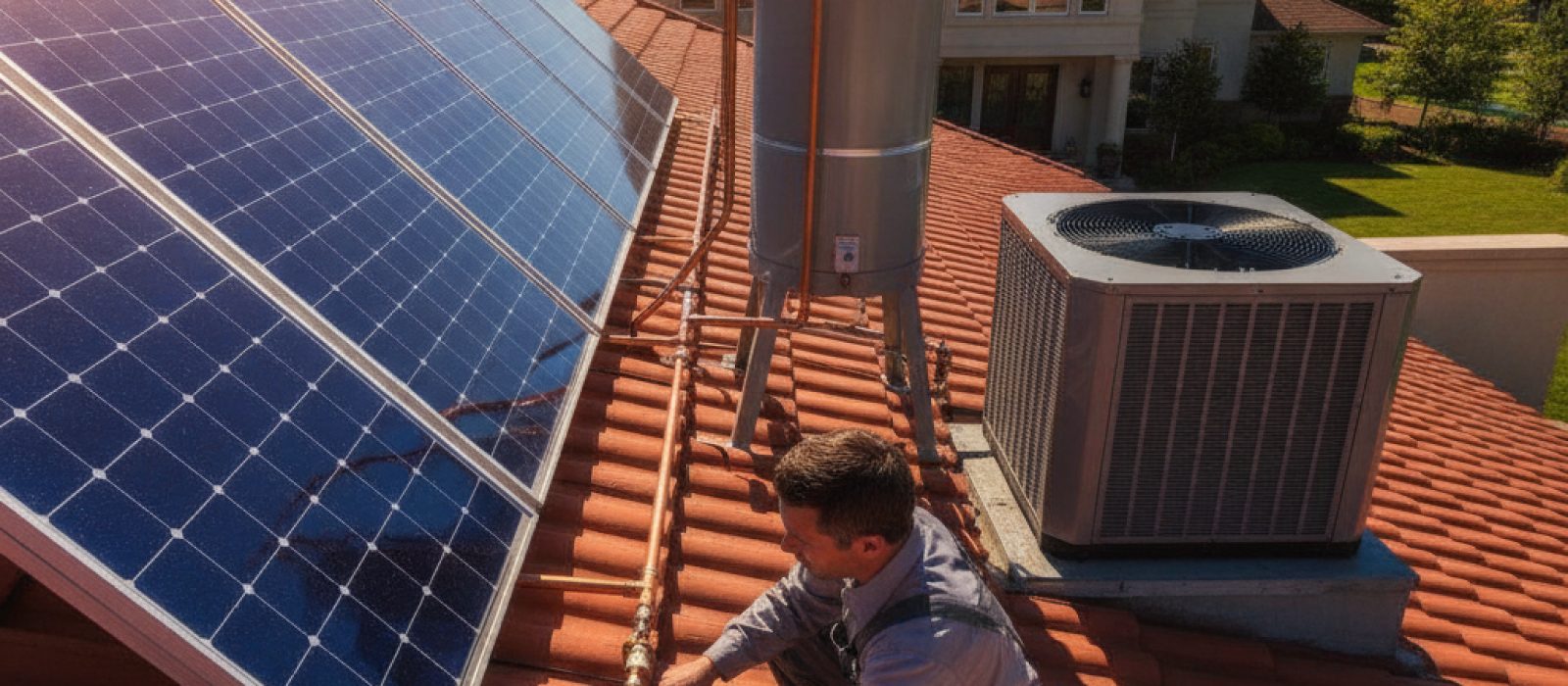
Understand the mechanics, efficiency benefits, and practical considerations of installing a solar-powered water heating system in your home.
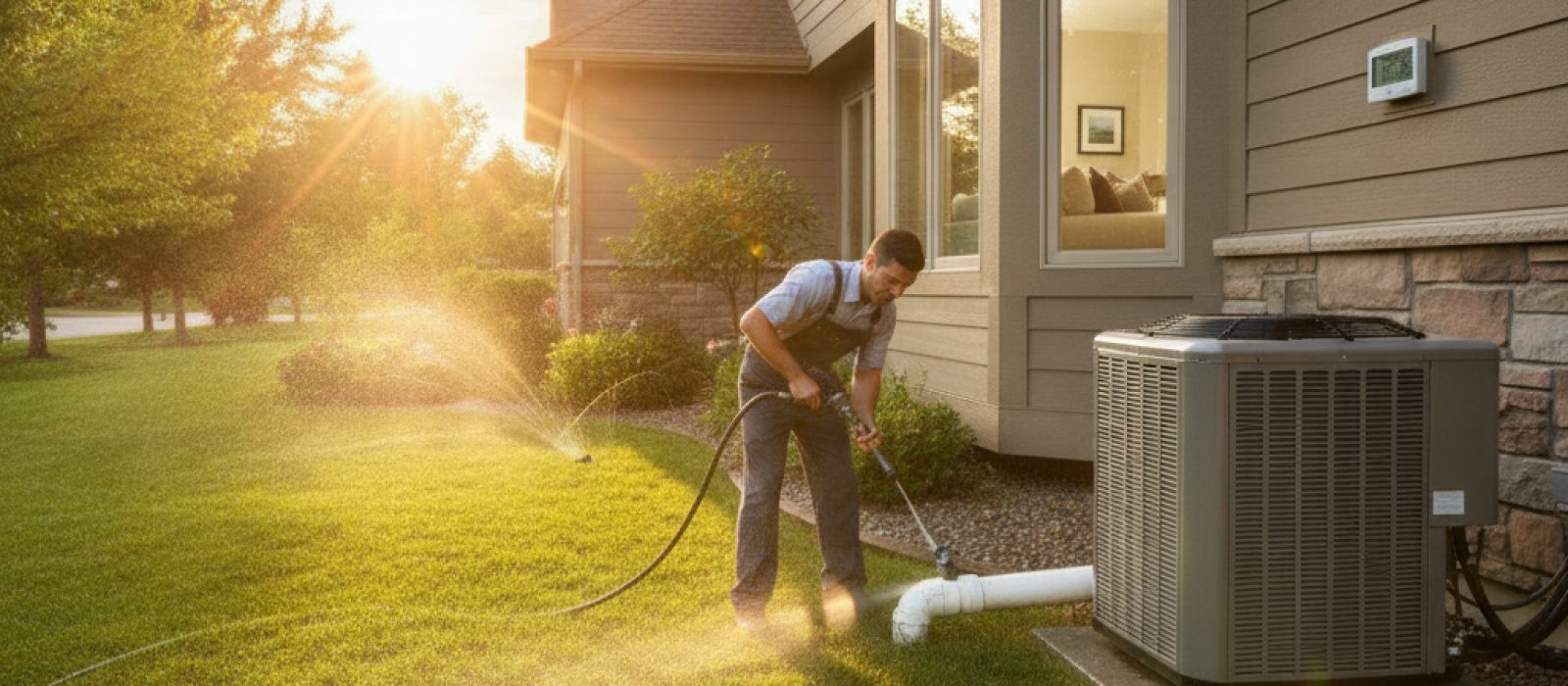
Learn how hydro jetting uses high-pressure water to clear stubborn plumbing blockages and when it is the right solution for your home's drainage issues.
Be the first to comment.