
Lennox Furnaces and Heat Pumps: Repair Costs and Buying Guide
A practical guide for homeowners evaluating Lennox heating and cooling systems, covering repair expectations, maintenance needs, and replacement factors.
4 min read

As the vibrant colors of autumn begin to fade, a familiar chill reminds us that winter is just around the corner. For homeowners across the U.S., this means it's time to shift focus from cooling to heating. While it might seem premature to think about winter storms when the weather is still mild, preparing your heating system beforehand is crucial. Waiting until the mercury plummets or a blizzard is on the horizon can lead to frantic calls, delayed service, and a potentially uncomfortable, even dangerous, home environment.
Proactive preparation not only helps ensure your system runs efficiently when you need it most but also allows you to address minor issues before they escalate into costly emergency repairs. A well-maintained heating system is a reliable heating system, and reliability is priceless when a winter storm rolls through.
This is, without a doubt, the most important step you can take. A professional tune-up by a qualified HVAC technician is like an annual physical for your heating system. During a maintenance visit, a technician will typically:
Early fall is the ideal time for this service, before HVAC companies get swamped with emergency calls during the first cold snap. This ensures you get a convenient appointment and that any necessary repairs can be completed without urgency.
This simple, DIY task is often overlooked but profoundly impacts your system's efficiency and indoor air quality. A dirty air filter restricts airflow, forcing your heating system to work harder, which can lead to higher energy bills and increased wear and tear. For most homes, replacing the filter every 1-3 months is recommended, but check it monthly, especially during peak heating season or if you have pets or allergies.
Make sure to use the correct size and MERV rating for your system. A clean filter allows your furnace to breathe easily, ensuring consistent warmth and prolonging its lifespan.
Before winter truly sets in, turn on your heating system for a full cycle. Set your thermostat a few degrees higher than your current room temperature and listen. Does it turn on? Do you hear any unusual noises (grinding, banging, squealing)? Does warm air come out of your vents?
This early test allows you to identify any obvious problems when it's not an emergency. If you notice anything out of the ordinary, contact your HVAC professional immediately.
Walk through your home and ensure that all heating vents and cold air returns are unobstructed. Furniture, rugs, curtains, or even children's toys can block airflow, creating cold spots and making your system work harder. Keeping them clear ensures even heat distribution throughout your home and improves efficiency.
If you have a programmable or smart thermostat, review your settings for the upcoming heating season. Adjust schedules to align with your family's routine to maximize energy savings. Consider lowering the temperature when you're away or asleep. If you have an older, manual thermostat, consider upgrading to a programmable or smart model for greater control and efficiency.
Your heating system can only do so much if your warm air is escaping through cracks and gaps. Before winter storms arrive, take some time to:
These measures prevent heat loss, reducing the burden on your heating system and lowering your energy bills.
Winter storms can often bring power outages. While your HVAC system won't run without electricity, having a plan is vital:
Don't let the first winter storm catch you off guard. By taking these proactive steps now, you can ensure your heating system is ready to deliver consistent, efficient warmth all season long. A little preparation goes a long way in ensuring your home remains a cozy sanctuary, no matter how harsh the winter weather gets.
A practical guide for homeowners evaluating Lennox heating and cooling systems, covering repair expectations, maintenance needs, and replacement factors.
Learn how the Carrier Infinity series heat pumps and ductless systems balance high-efficiency heating with advanced climate control features.
Learn how the air handler functions as the heart of your HVAC system, circulating air and regulating temperature throughout your home.
Learn how specific furnace brands influence repair frequency, component availability, and the diagnostic process for your home heating system.
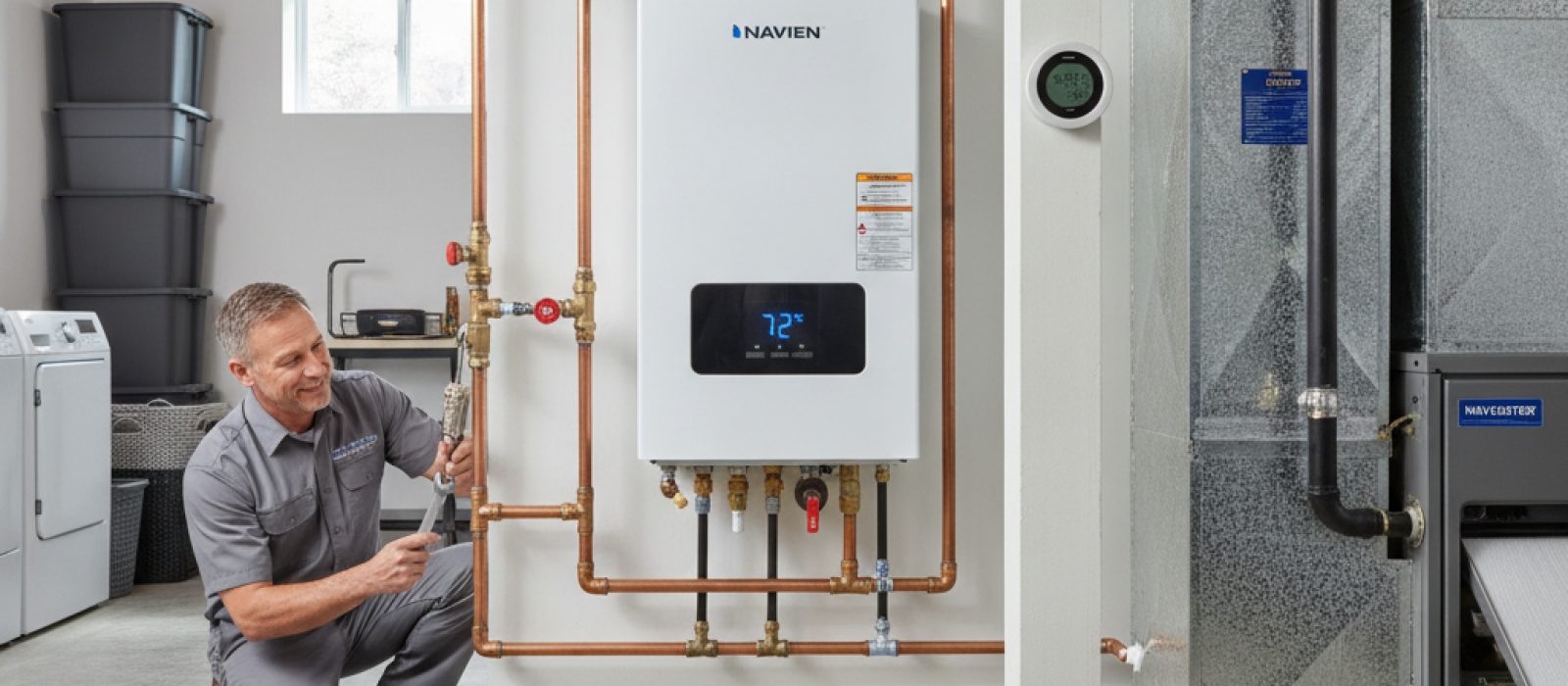
Evaluate the performance, efficiency, and installation requirements of Navien boilers for your residential heating system.
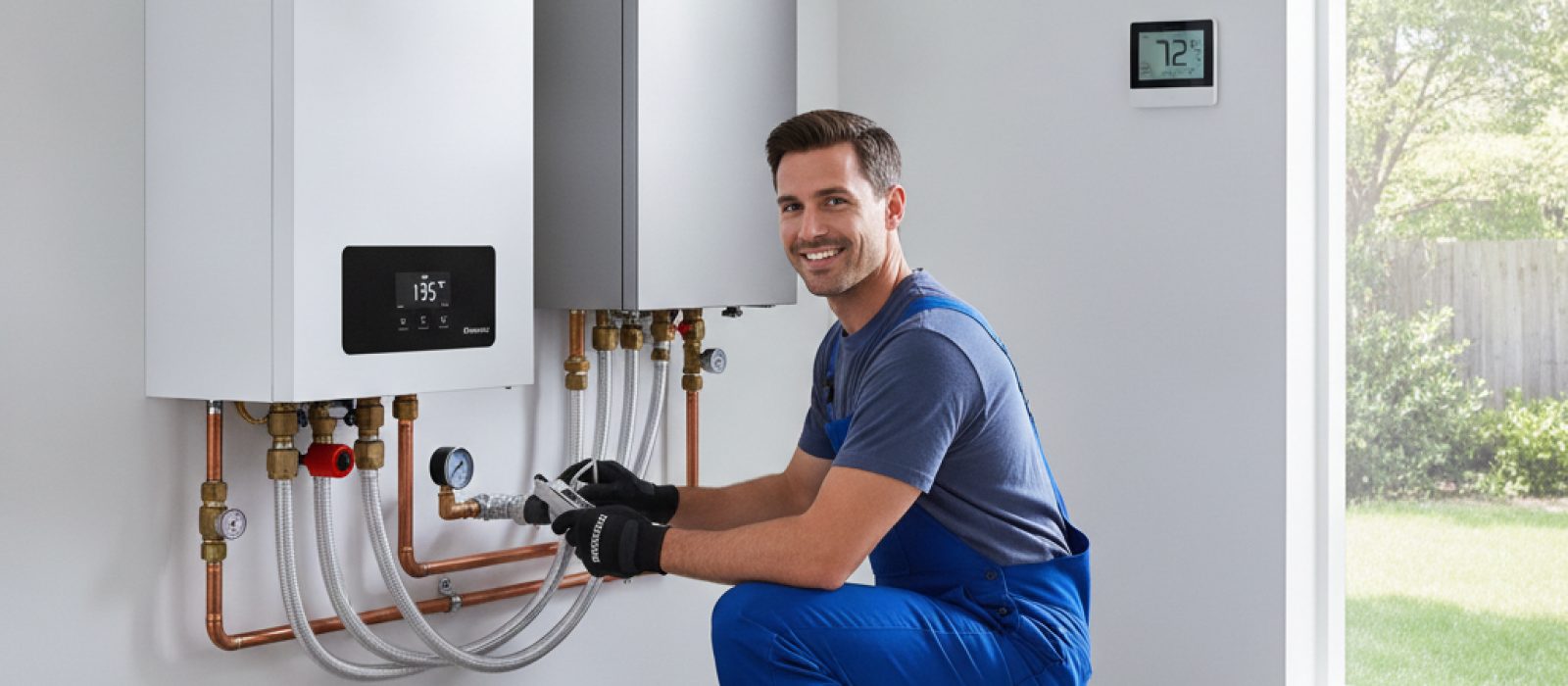
Learn how Rinnai combi boilers provide dual-function heating and hot water, helping you decide if this high-efficiency technology fits your home.
Be the first to comment.