
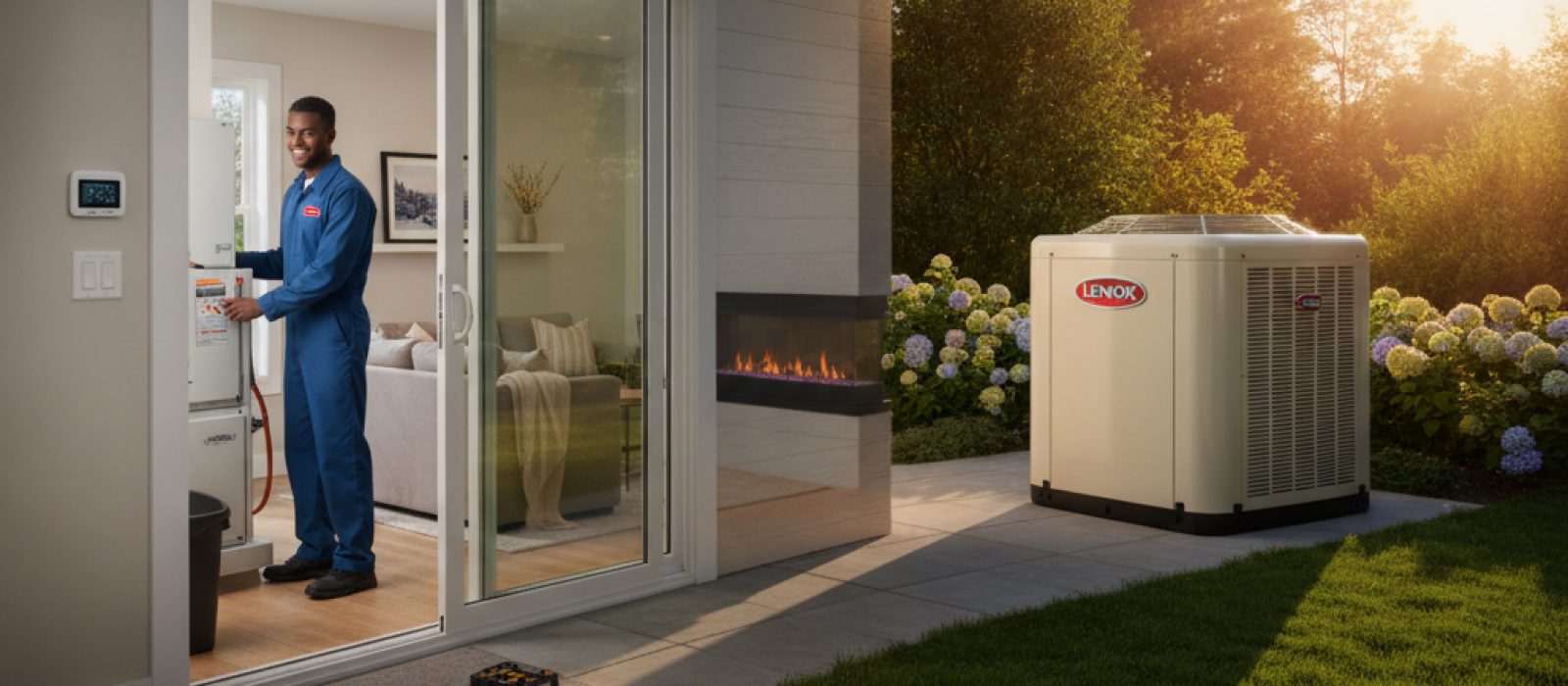
Lennox Furnaces and Heat Pumps: Repair Costs and Buying Guide
A practical guide for homeowners evaluating Lennox heating and cooling systems, covering repair expectations, maintenance needs, and replacement factors.
4 min read

Zoned heating systems divide a home into separate areas, each controlled by its own thermostat. In a large residence, a single heating unit often struggles to maintain uniform temperatures across multiple floors or wings. This imbalance occurs because heat rises, leaving lower levels cold while upper bedrooms become stifling. By installing dampers within the ductwork, a zoned system directs airflow only to the areas that require it, preventing the waste of energy in unoccupied rooms.
Large homes often have rooms that remain vacant for significant portions of the day, such as guest suites, formal dining areas, or home offices. Traditional central systems treat the entire house as one large zone, meaning the furnace runs until every corner reaches the set temperature. This leads to overheating in smaller or well-insulated spaces while failing to reach comfort targets in larger, drafty rooms. Zoning allows for independent temperature control, which can reduce the workload on your furnace and extend the lifespan of your equipment.
When evaluating your home's energy profile, consider requesting professional Energy Efficient Solutions to assess whether your current ductwork can support a zoning upgrade. A well-designed system ensures that the blower motor does not face excessive static pressure when dampers close, which is a common technical hurdle in retrofitting older homes.
A zoned system relies on three primary components: a master control panel, motorized dampers installed in the ductwork, and multiple thermostats. The control panel acts as the brain of the system, receiving signals from the thermostats and adjusting the dampers accordingly. When a thermostat calls for heat, the control panel opens the corresponding damper and signals the furnace to start.
Retrofitting a zoned system into an existing residence is a complex task. It requires access to the main trunk lines of your ductwork to install the dampers. If your home has complex architecture, a technician must ensure the system can balance airflow without creating noise or overheating the furnace. Homeowners should prioritize a thorough inspection of their Ductwork Services before finalizing a zoning plan, as leaky or poorly sized ducts can negate the benefits of a zoned setup.
For those living in homes with inconsistent room temperatures, scheduling Heating Services to evaluate the feasibility of zoning is the first step. A technician will determine if your current furnace has the capacity to handle a multi-zone configuration or if a variable-speed blower is required to maintain airflow efficiency.
Zoning is highly effective for homes with distinct living patterns, but it is not a cure-all for poor insulation or air leaks. If your home loses heat rapidly through windows or under-insulated attics, zoning will simply cause the system to run more frequently in those specific zones. Before investing in zoning technology, address building envelope issues. Proper weatherstripping and attic insulation often provide a higher return on investment than mechanical zoning alone. Additionally, if the existing heating unit is near the end of its service life, it is often more cost-effective to wait until a full system replacement to integrate zoning, rather than forcing a retrofit on an aging furnace.
Once a zoned system is operational, the maintenance schedule changes slightly. You must ensure that the dampers remain calibrated and that the control panel communication remains stable. During your regular Maintenance & Tune-up visits, the technician should test the damper actuators and verify that the bypass pressure relief is functioning correctly. Ignoring these components can lead to a stuck damper, which results in a room that either never warms up or stays perpetually overheated.
Modern zoning often pairs with smart thermostat technology, allowing homeowners to manage schedules remotely. This integration is particularly useful in large homes where occupancy patterns change frequently. By setting specific temperatures for different times of the day, you ensure that the system is only working when necessary. Ensure your Thermostat Services provider checks that all units are compatible with the master control panel to avoid communication errors between zones.
A practical guide for homeowners evaluating Lennox heating and cooling systems, covering repair expectations, maintenance needs, and replacement factors.
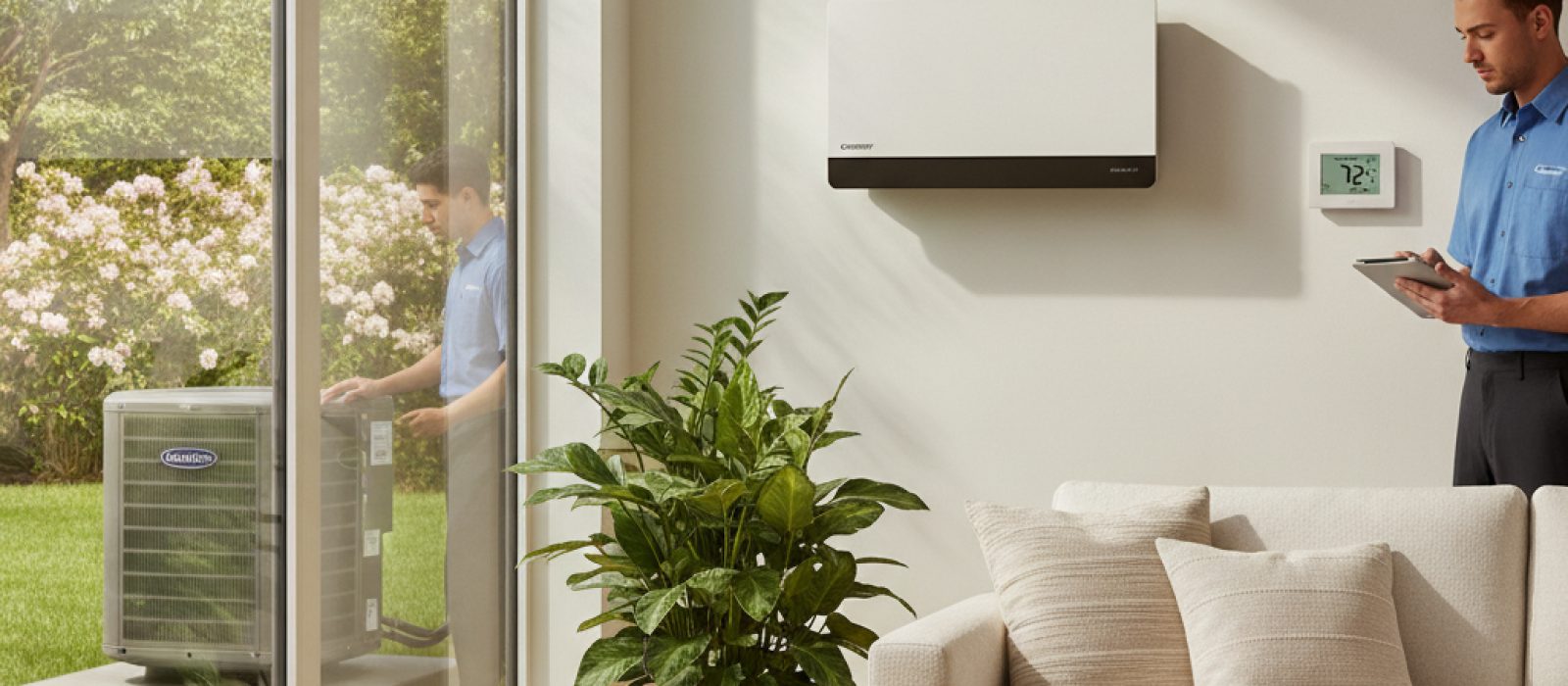
Learn how the Carrier Infinity series heat pumps and ductless systems balance high-efficiency heating with advanced climate control features.
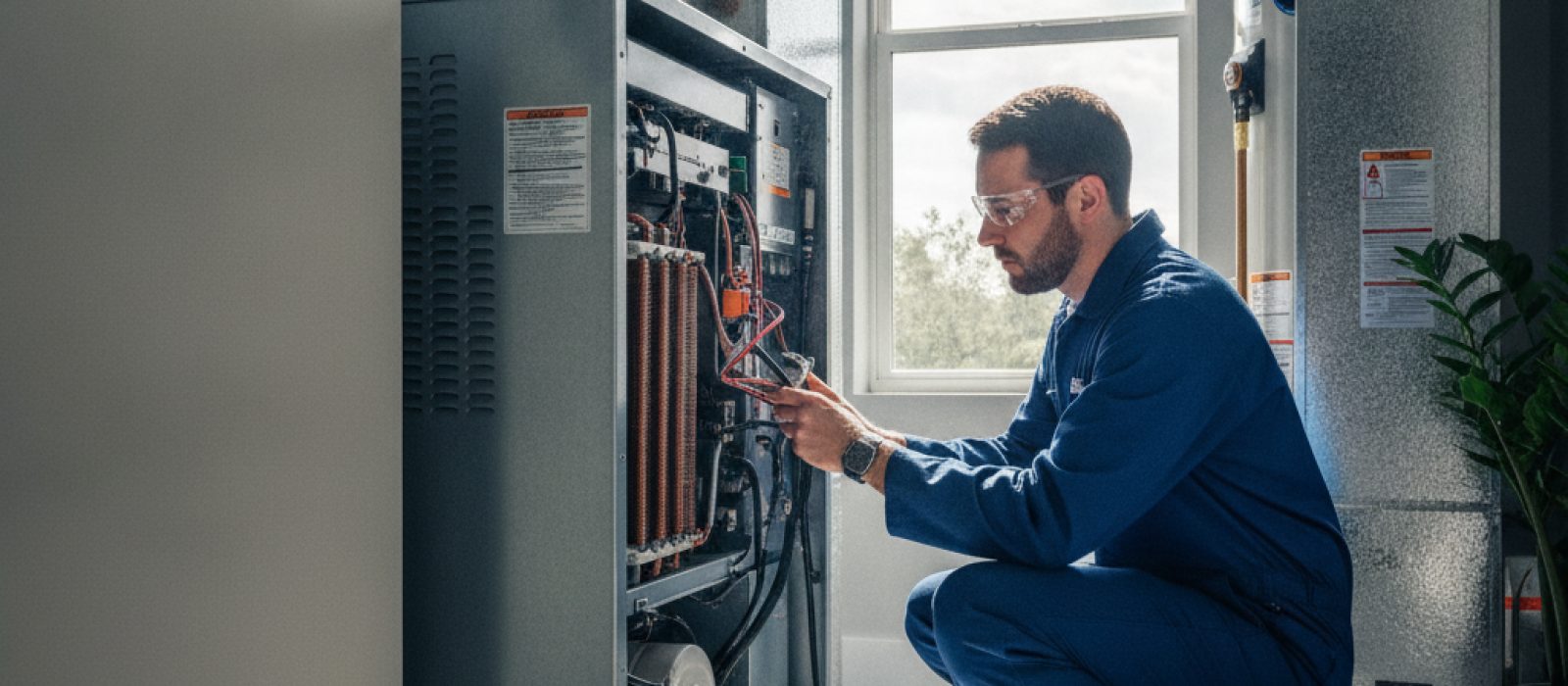
Learn how the air handler functions as the heart of your HVAC system, circulating air and regulating temperature throughout your home.
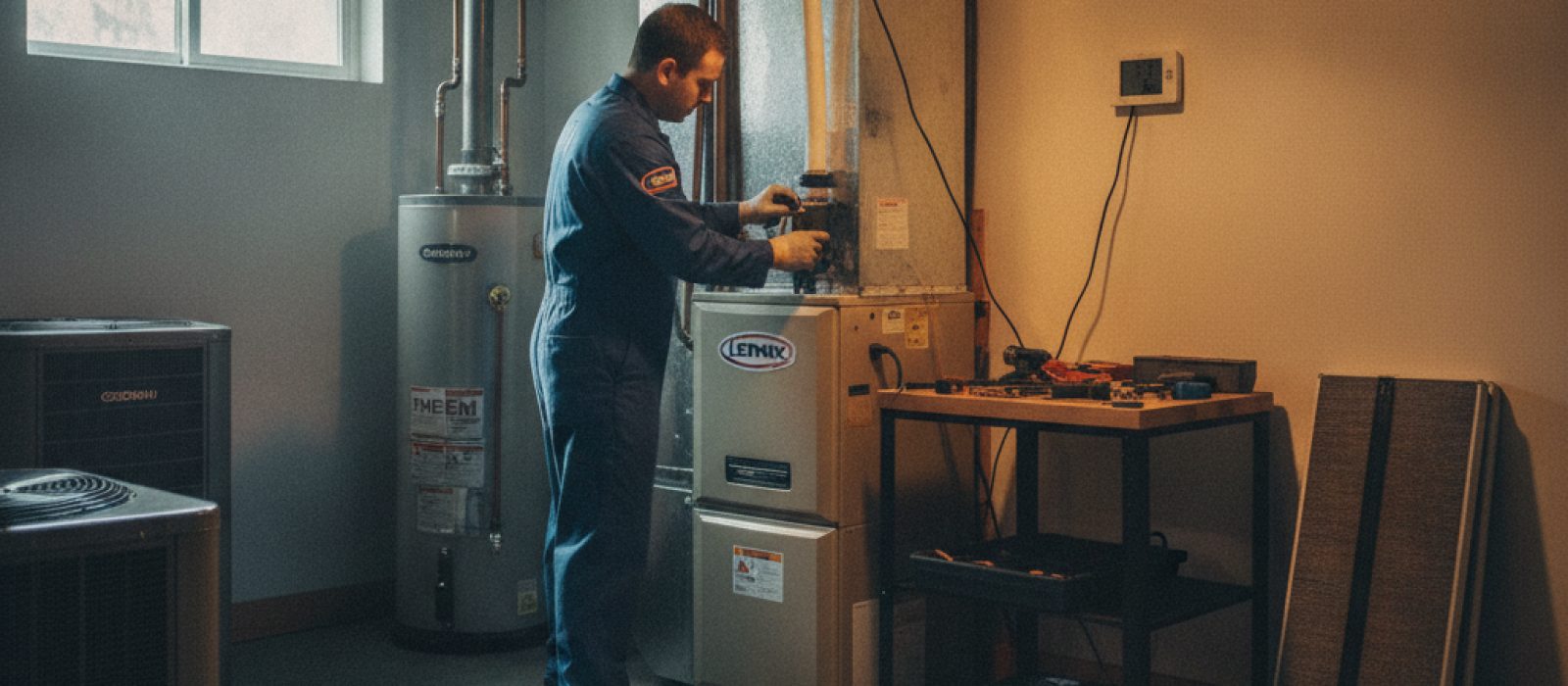
Learn how specific furnace brands influence repair frequency, component availability, and the diagnostic process for your home heating system.
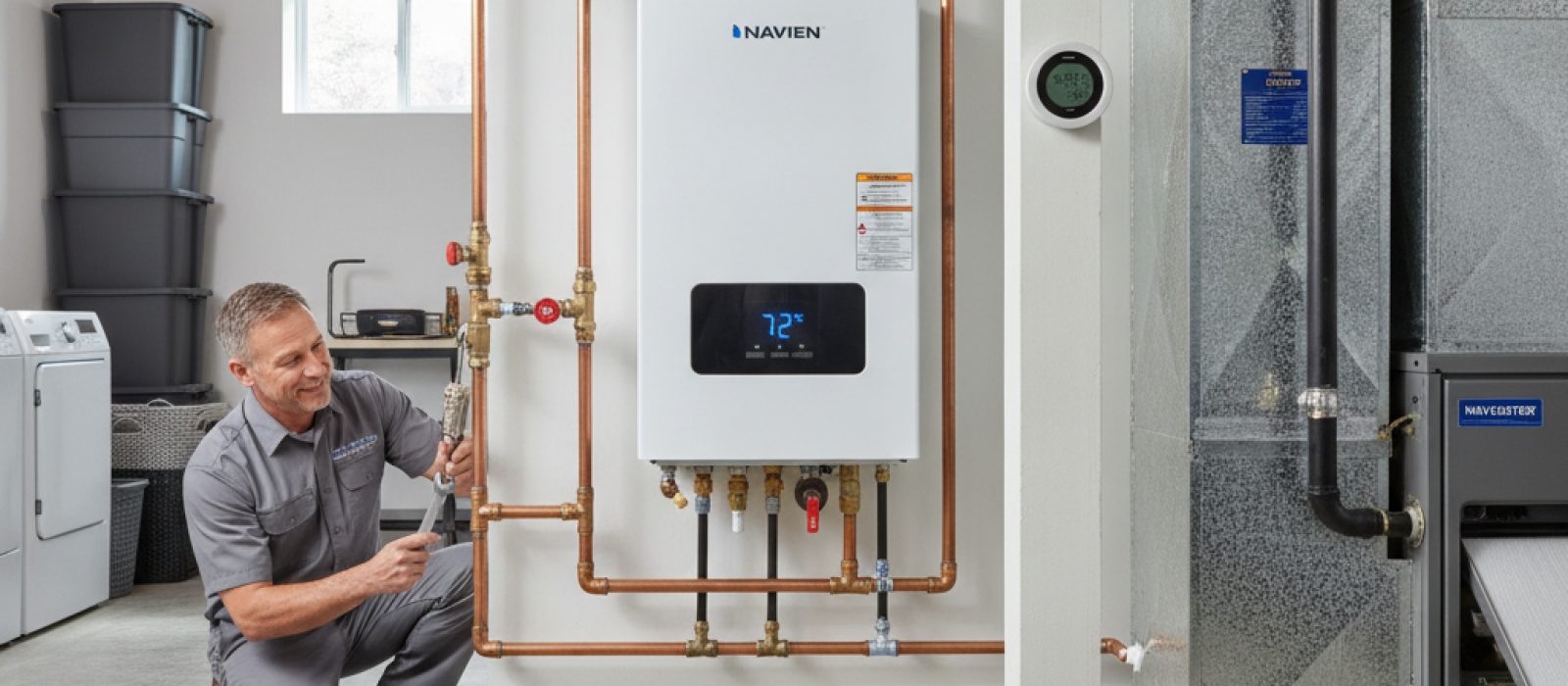
Evaluate the performance, efficiency, and installation requirements of Navien boilers for your residential heating system.
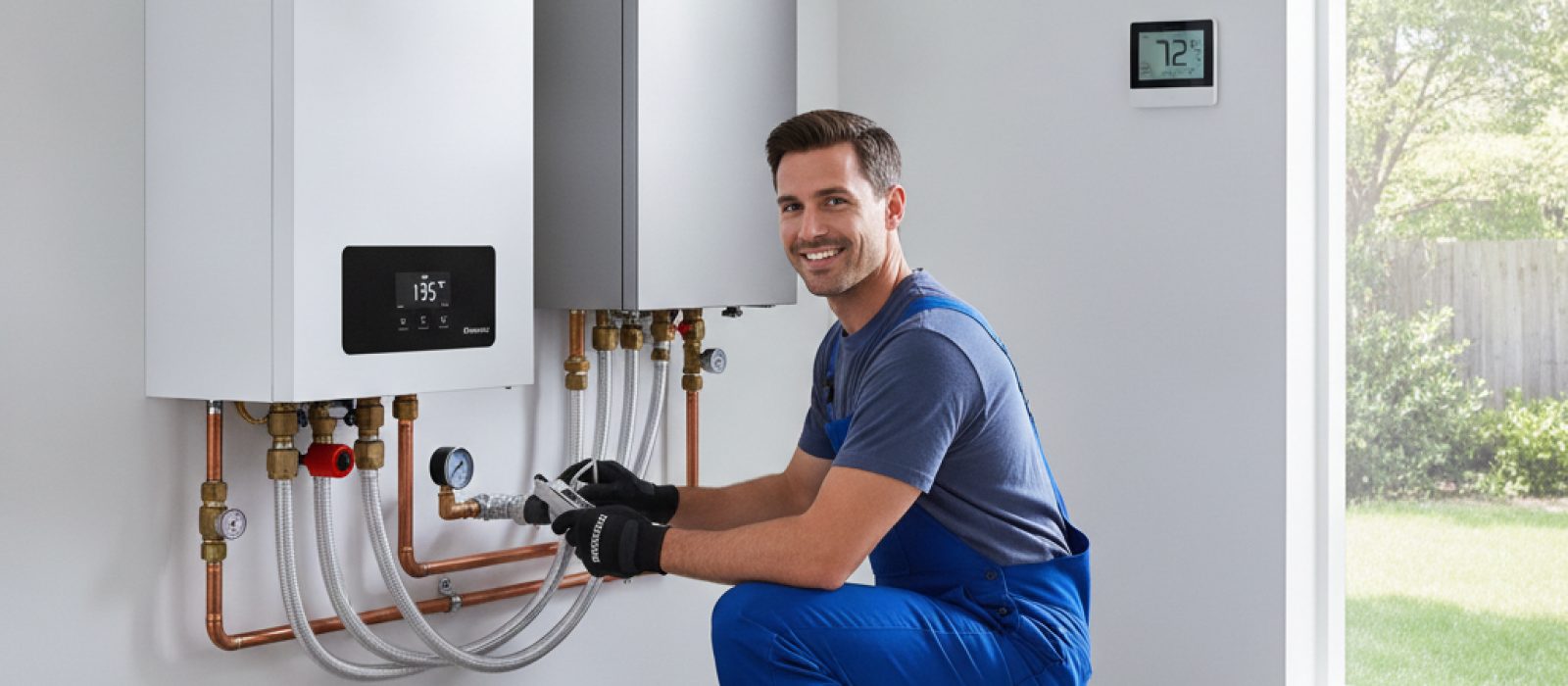
Learn how Rinnai combi boilers provide dual-function heating and hot water, helping you decide if this high-efficiency technology fits your home.
Be the first to comment.