
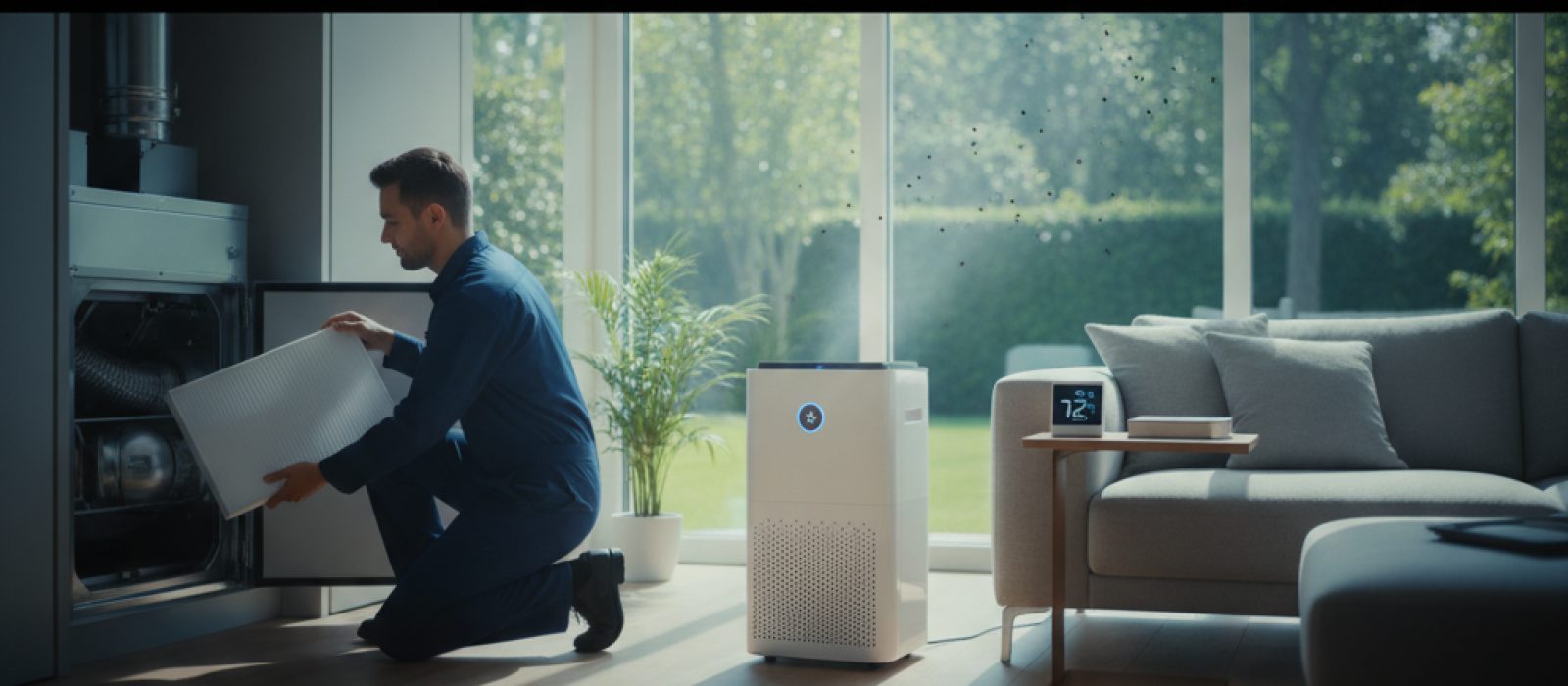
HEPA Air Cleaners for Allergies: What Actually Works
Learn how HEPA air cleaners function, their limitations in home environments, and how to effectively manage indoor air quality for allergy relief.
3 min read

We spend a significant portion of our lives indoors, and the quality of the air we breathe at home directly impacts our health and well-being. While outdoor air pollution often grabs headlines, indoor air can sometimes be even more contaminated, harboring allergens, pollutants, and irritants that can lead to a host of problems. Recognizing the signs of poor indoor air quality (IAQ) is the first step toward creating a healthier living environment. Here are nine indicators that your home's air might need attention.
If you or family members frequently experience sneezing, coughing, watery eyes, a runny nose, or a scratchy throat, especially when inside your home, it could be a sign of airborne irritants. Dust mites, pet dander, mold spores, pollen, and volatile organic compounds (VOCs) from cleaning products or new furnishings can all trigger or worsen allergies and asthma.
Beyond allergies, poor IAQ can manifest in more systemic ways. Frequent headaches, unusual fatigue, nausea, or dizziness while at home might indicate exposure to pollutants like carbon monoxide (though this requires immediate professional attention), or even high levels of VOCs. These symptoms often subside when you leave the house and return when you come back.
Does your home have a persistent musty, stale, or chemical smell that just won't go away, even after cleaning? Musty odors often point to mold or mildew growth, especially in damp areas. Chemical smells can be off-gassing from new furniture, paint, or cleaning supplies. Stale air indicates poor ventilation, allowing odors and pollutants to accumulate.
While some dust is normal, if you find yourself dusting constantly and it seems to reappear almost immediately, your HVAC system might not be filtering the air effectively. A buildup of dust can also be a sign of leaky ductwork pulling in unfiltered air, or simply an overloaded system struggling to keep up with airborne particles.
This is a clear and undeniable sign of an IAQ problem. Mold and mildew thrive in damp environments and release spores into the air, which can cause respiratory issues, allergic reactions, and other health problems. Check bathrooms, basements, crawl spaces, and around windows for any signs of fuzzy or discolored patches.
Extremely dry air can lead to uncomfortable physical symptoms like dry skin, itchy eyes, and a persistent sore throat. While often more of a comfort issue than a direct pollutant, it can exacerbate respiratory sensitivities. Conversely, excessively humid air encourages mold and dust mite growth, so balance is key.
While not a direct IAQ pollutant, uneven temperatures and drafts can be symptoms of a poorly sealed or inefficient HVAC system. This can lead to increased energy consumption and, more relevantly, can draw in unfiltered outdoor air or allow indoor pollutants to linger due to inadequate circulation.
If your furnace or air conditioner seems to be breaking down more often, or if your air filters become clogged very quickly, it suggests your system is working harder than it should to process dirty air. Dirty filters restrict airflow, reducing efficiency and allowing more contaminants to circulate.
When you walk into your home, does the air feel heavy, stagnant, or just generally unpleasant? This “stuffiness” is often a sign of inadequate ventilation. Without proper airflow, pollutants like carbon dioxide, VOCs, and allergens can build up, making the air feel thick and uncomfortable to breathe.
If you've noticed several of these signs in your home, it's time to take action. Simple steps like regularly changing HVAC filters, ensuring proper ventilation, and using air purifiers can make a difference. For more persistent or concerning issues, consulting with an HVAC professional can help identify the root causes and recommend comprehensive solutions, such as duct cleaning, sealing, or installing advanced air purification systems. Investing in your home's indoor air quality is an investment in your family's health and comfort.
Learn how HEPA air cleaners function, their limitations in home environments, and how to effectively manage indoor air quality for allergy relief.
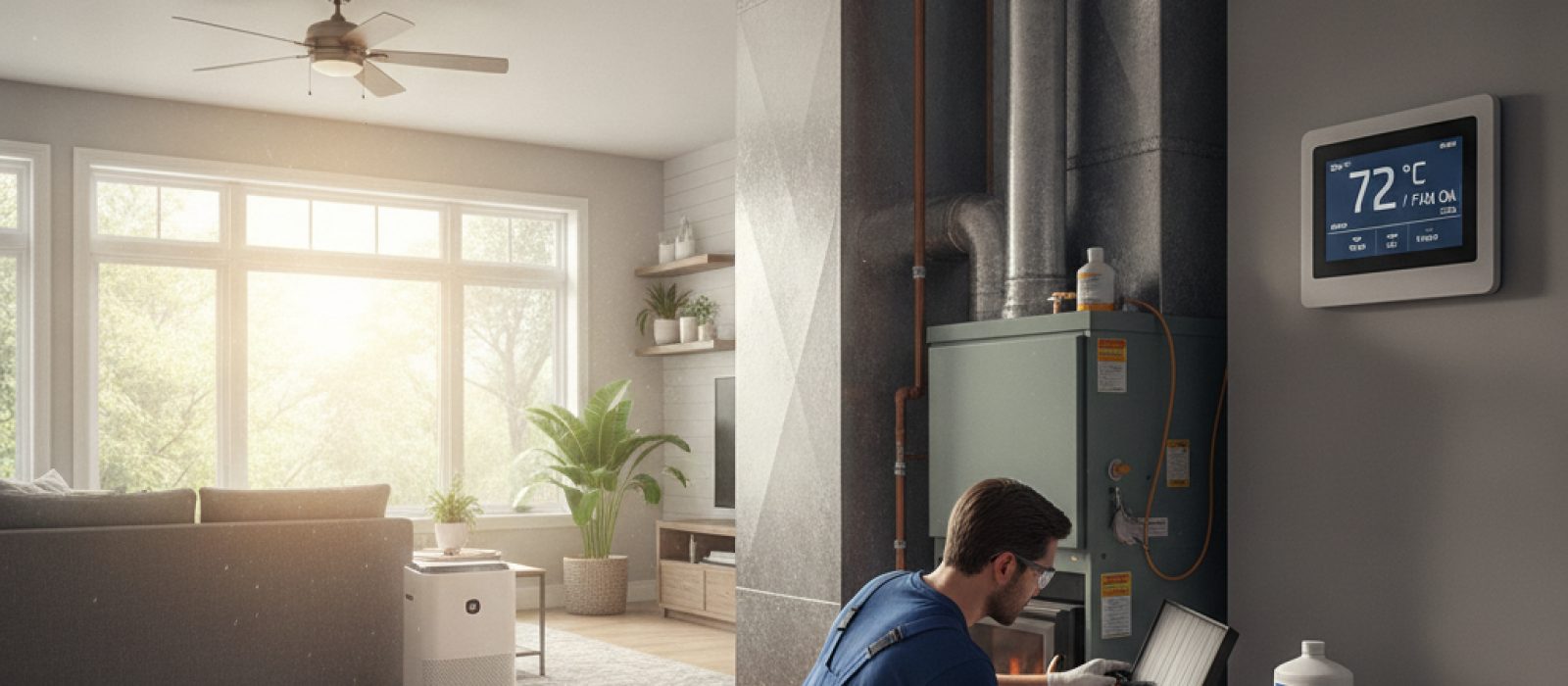
Learn to identify common indoor pollutants and discover practical, effective strategies to improve the air quality within your home.
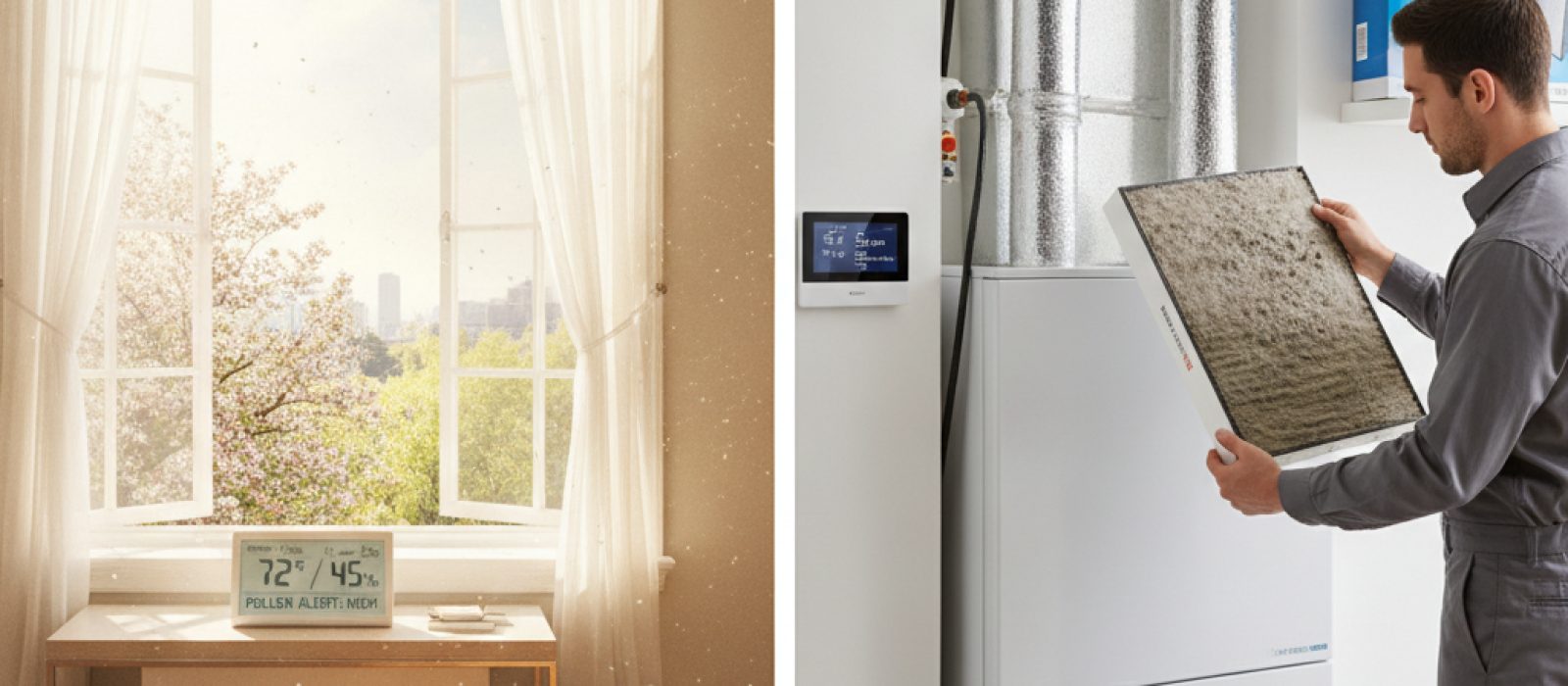
Learn the balance between natural ventilation and mechanical filtration to maintain optimal indoor air quality in your home.
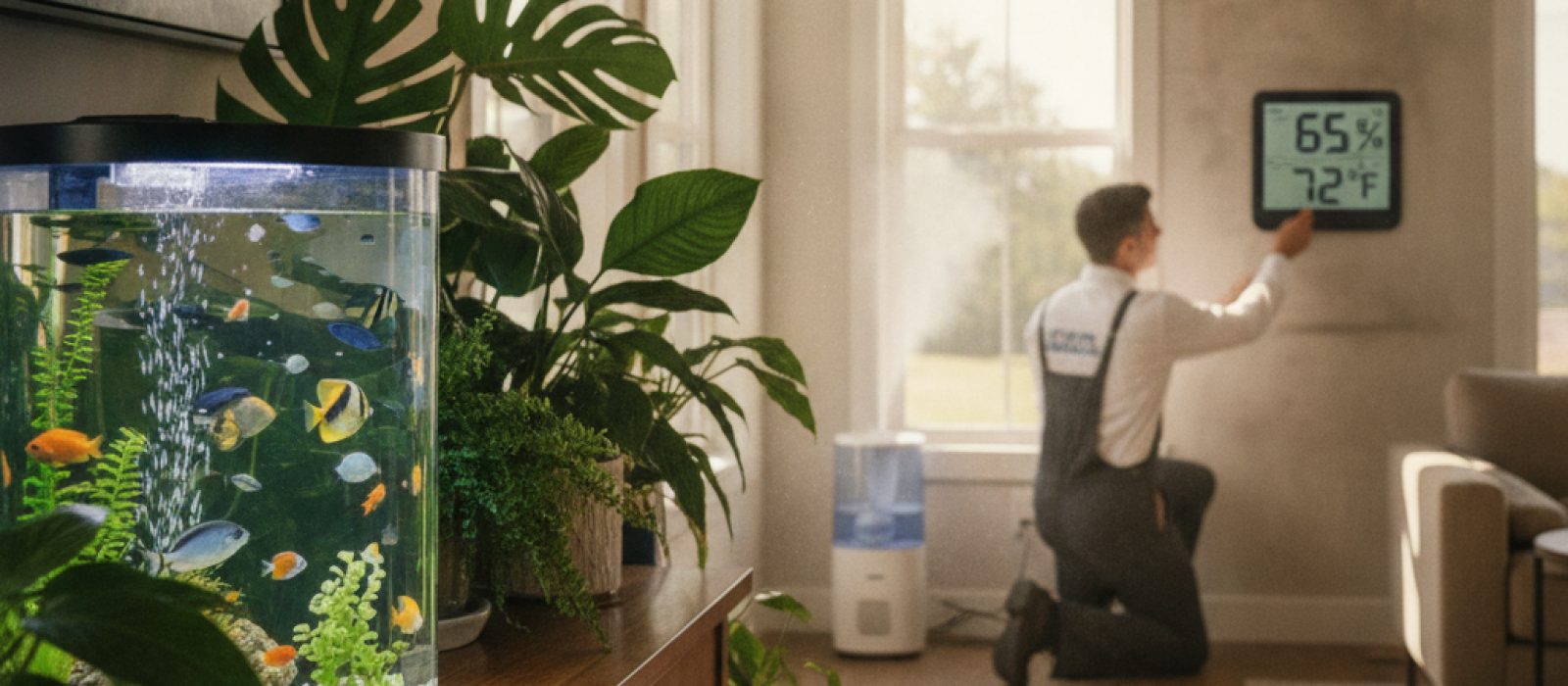
Learn how common household features like aquariums and plants impact indoor air quality and how to manage the resulting humidity levels effectively.
Discover how holiday traditions impact your home's indoor air quality and learn practical steps to maintain a healthy breathing environment this winter.
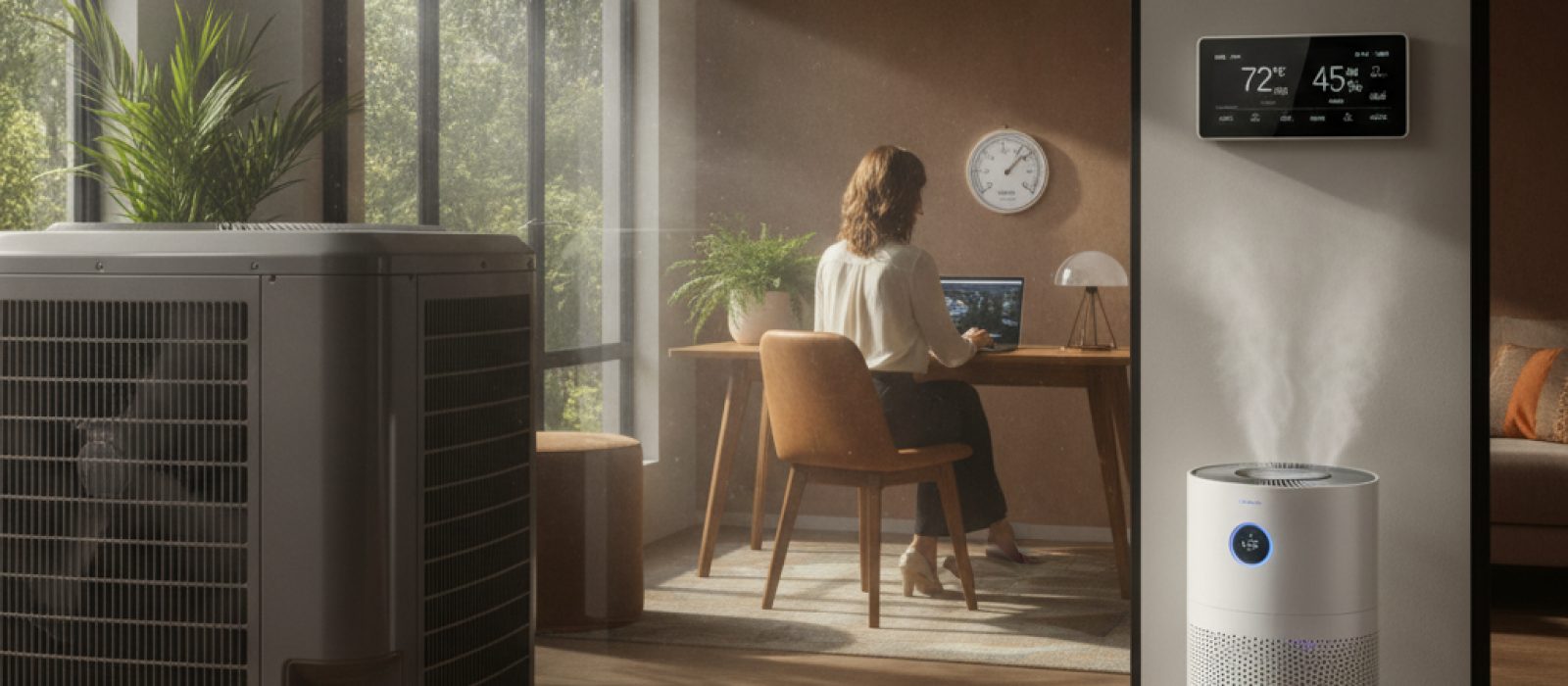
Improve productivity and health by optimizing the indoor air quality of your home office through ventilation, filtration, and humidity control.
Be the first to comment.