
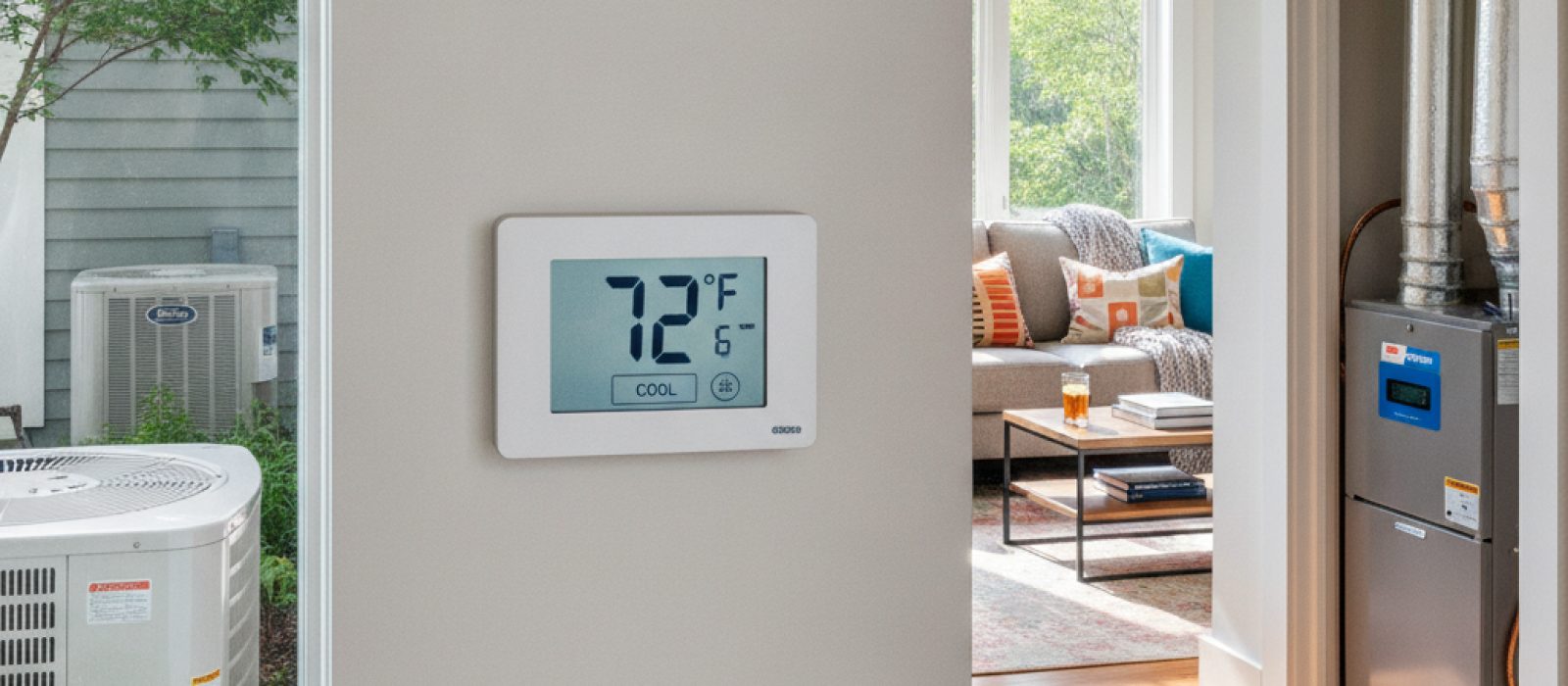
York, Ruud, Bryant and American Standard HVAC: Brand Overview
A guide to understanding the cooling technology and reliability of four major HVAC manufacturers for U.S. homeowners.
4 min read

The outdoor condenser fan is a critical component of any central air conditioning system. Its primary role is to draw air through the condenser coils, which allows the system to release heat collected from the inside of your home into the outdoor atmosphere. When this fan stops spinning, the compressor can quickly overheat, potentially leading to catastrophic system failure. Understanding the potential causes allows homeowners to identify whether the issue is a simple fix or a sign that professional AC Services are required.
Before inspecting your outdoor unit, you must prioritize electrical safety. Air conditioning systems carry high-voltage electricity that can cause severe injury or death. Always turn off the power at the outdoor disconnect box located near the unit and at the main circuit breaker panel before touching any internal components. If you are not comfortable working with electrical equipment, contact a professional immediately.
The start capacitor is a small, cylindrical component that provides the initial jolt of electricity needed to get the fan motor spinning. Over time, these components degrade due to heat exposure and internal wear. A failing capacitor often exhibits a slight bulge on the top or may show signs of leaking fluid.
If the fan motor makes a faint humming noise but fails to rotate, the capacitor is a likely candidate. While some homeowners choose to replace this part themselves, it requires specific knowledge of electrical discharge procedures to avoid shock. If you are unsure about handling electrical parts, schedule a professional Maintenance & Tune-up to ensure the repair is performed safely and correctly.
Sometimes the solution is mechanical rather than electrical. The outdoor condenser unit is exposed to the elements, making it susceptible to twigs, leaves, grass clippings, and other debris. Small items can become lodged in the fan blades, physically preventing the motor from turning.
After ensuring the power is completely disconnected, use a flashlight to inspect the area around the fan blade for any visible obstructions. Carefully remove any debris you find. If the blades spin freely by hand once the obstruction is removed, the motor may simply have been stalled. If the blades are bent or damaged, however, they may require professional balancing or replacement.
If the capacitor is functional and there are no physical obstructions, the fan motor itself may have reached the end of its service life. Motor windings can burn out over years of continuous operation, especially if the unit has not received regular care. A seized motor bearing is another common mechanical failure that prevents rotation.
Beyond the motor, loose electrical connections or a faulty contactor can prevent power from reaching the fan. A contactor is a relay switch that turns the AC components on and off based on signals from the thermostat. If the contactor is pitted or stuck, the fan will not receive the signal to start. These issues often fall under the scope of professional Electrical Services, as they require diagnostic tools like a multimeter to verify current flow.
In rare instances, the issue may originate from the control system rather than the outdoor unit. If the thermostat is incorrectly calibrated or the indoor control board has failed, the signal to activate the cooling cycle may never reach the condenser unit. If your home is not cooling at all, verify that the thermostat is set to 'Cool' and the temperature is set lower than the current indoor reading. If the system remains unresponsive, it may be time to consult an expert regarding Thermostat Services to rule out communication errors between your home controls and the outdoor unit.
While clearing debris is a safe task for most homeowners, internal electrical troubleshooting should be handled with extreme caution. If you suspect a bad capacitor, a burned-out motor, or a malfunctioning contactor, avoid attempting complex repairs. Attempting to bypass safety switches or miswiring components can lead to further damage to the HVAC system or personal injury. Reach out for professional assistance if the fan does not spin after you have verified the power is on and no physical obstructions exist.
A guide to understanding the cooling technology and reliability of four major HVAC manufacturers for U.S. homeowners.
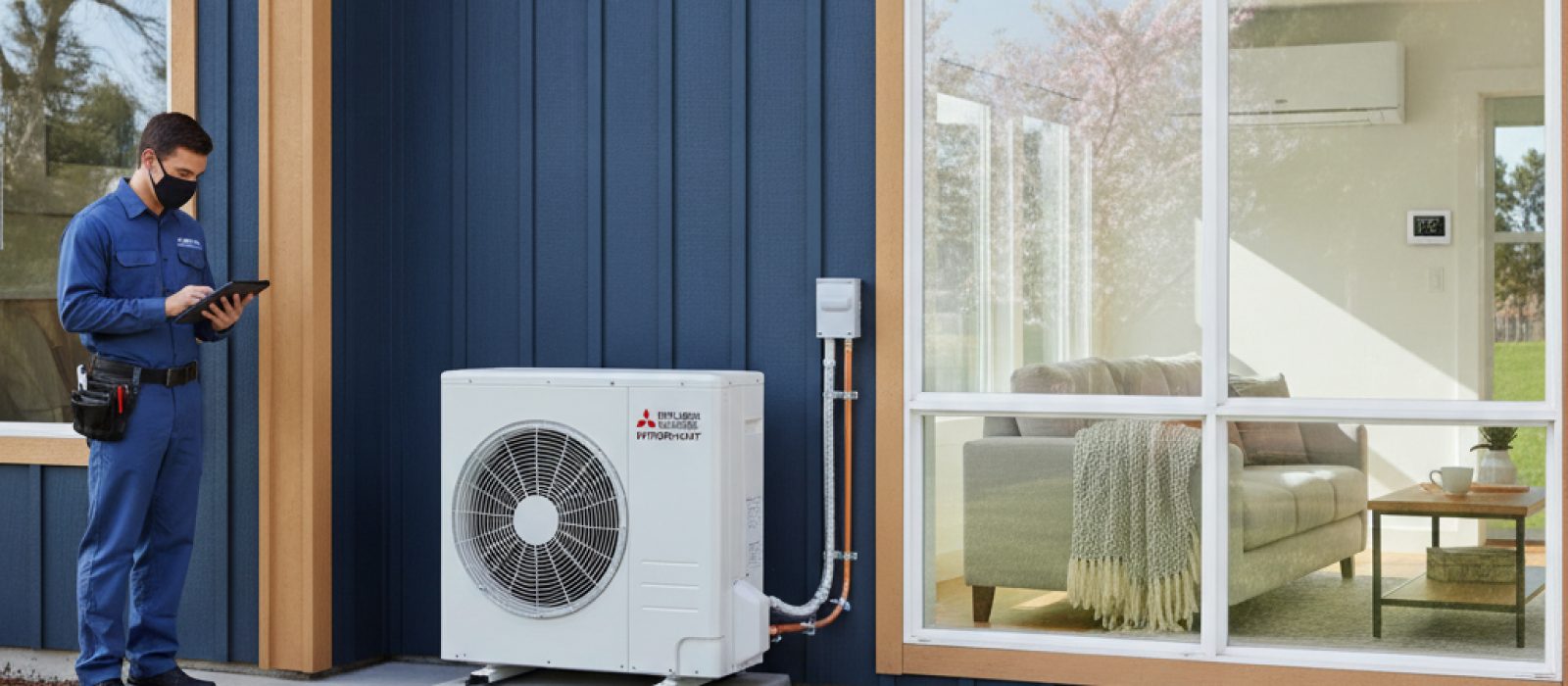
A comprehensive look at Mitsubishi mini-split technology and Hyper-Heat performance for year-round climate control in U.S. homes.
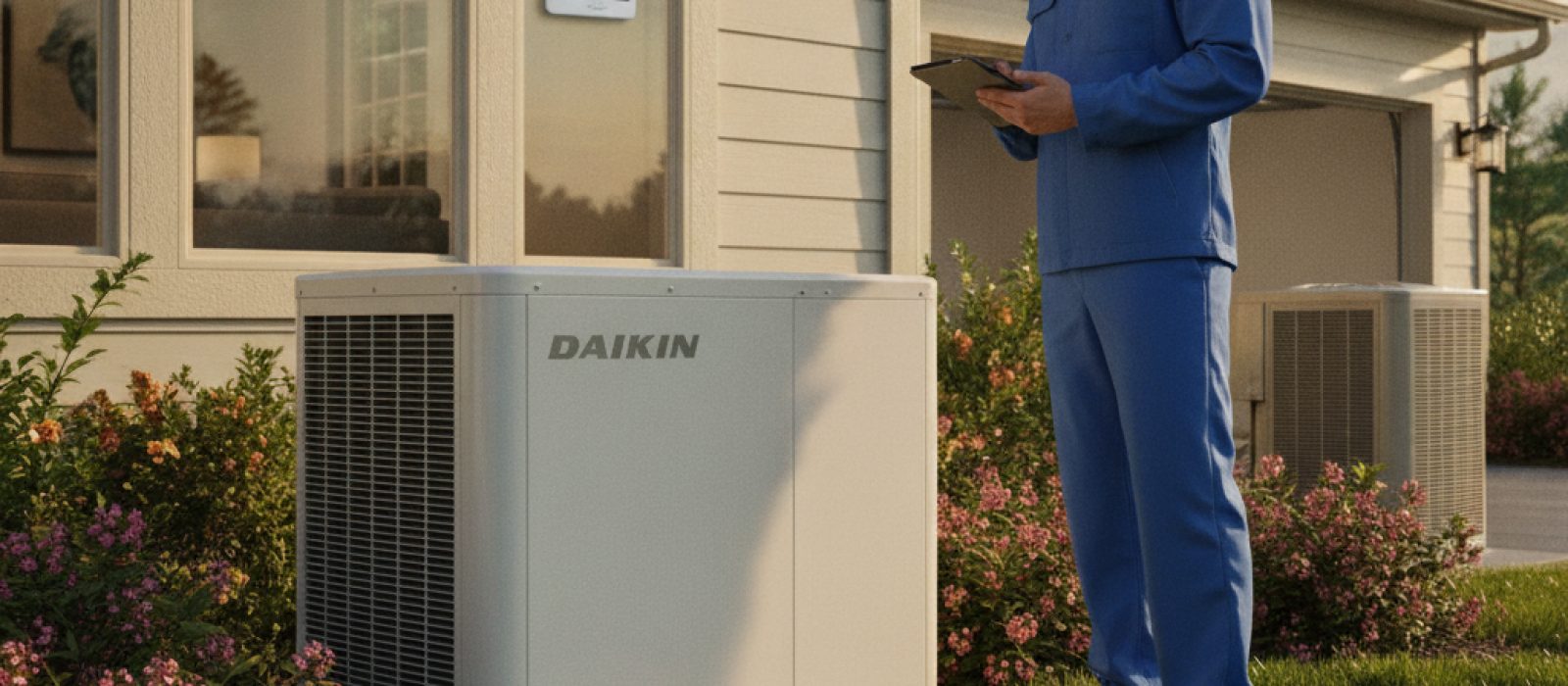
A comprehensive guide to understanding Daikin HVAC systems, including model tiers, standard maintenance requirements, and factory warranty coverage.
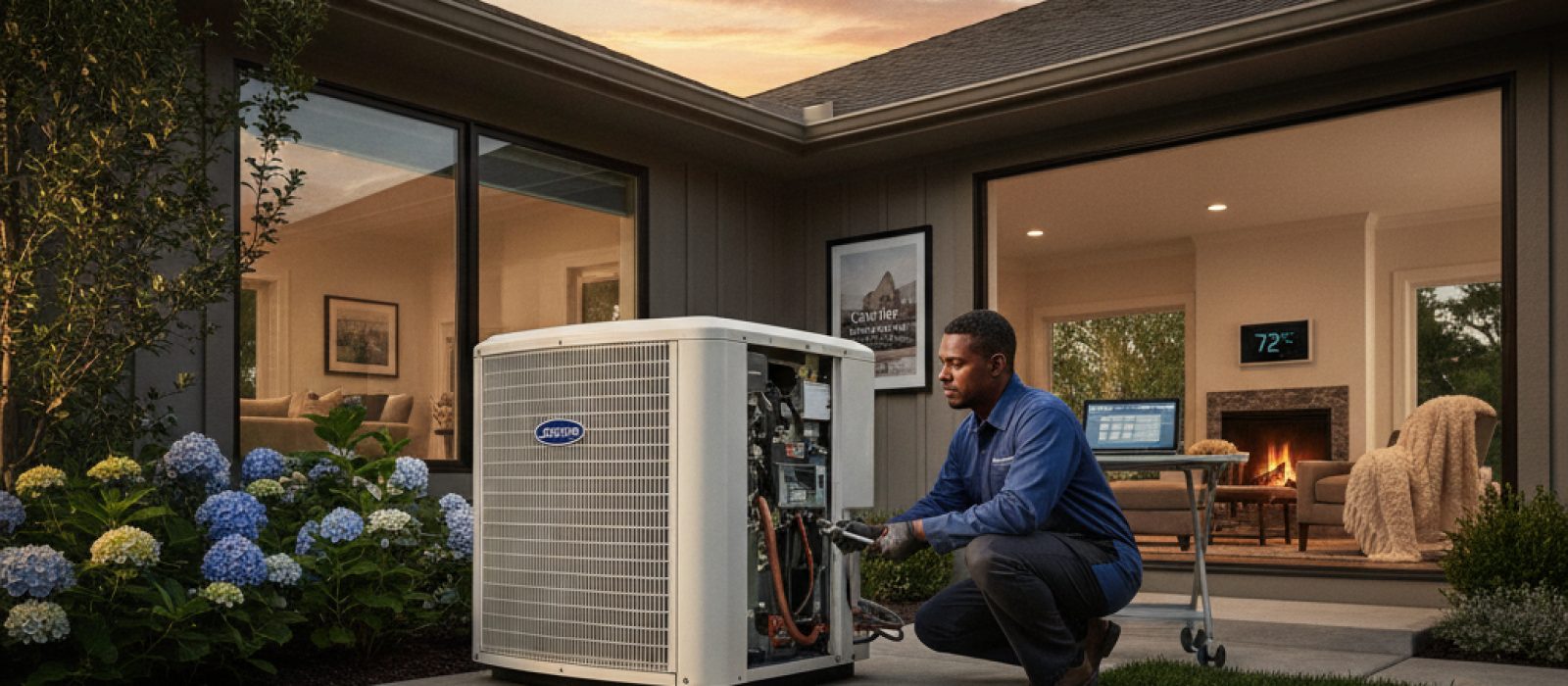
A comprehensive guide to understanding Carrier air conditioning systems, efficiency ratings, installation factors, and maintenance requirements.
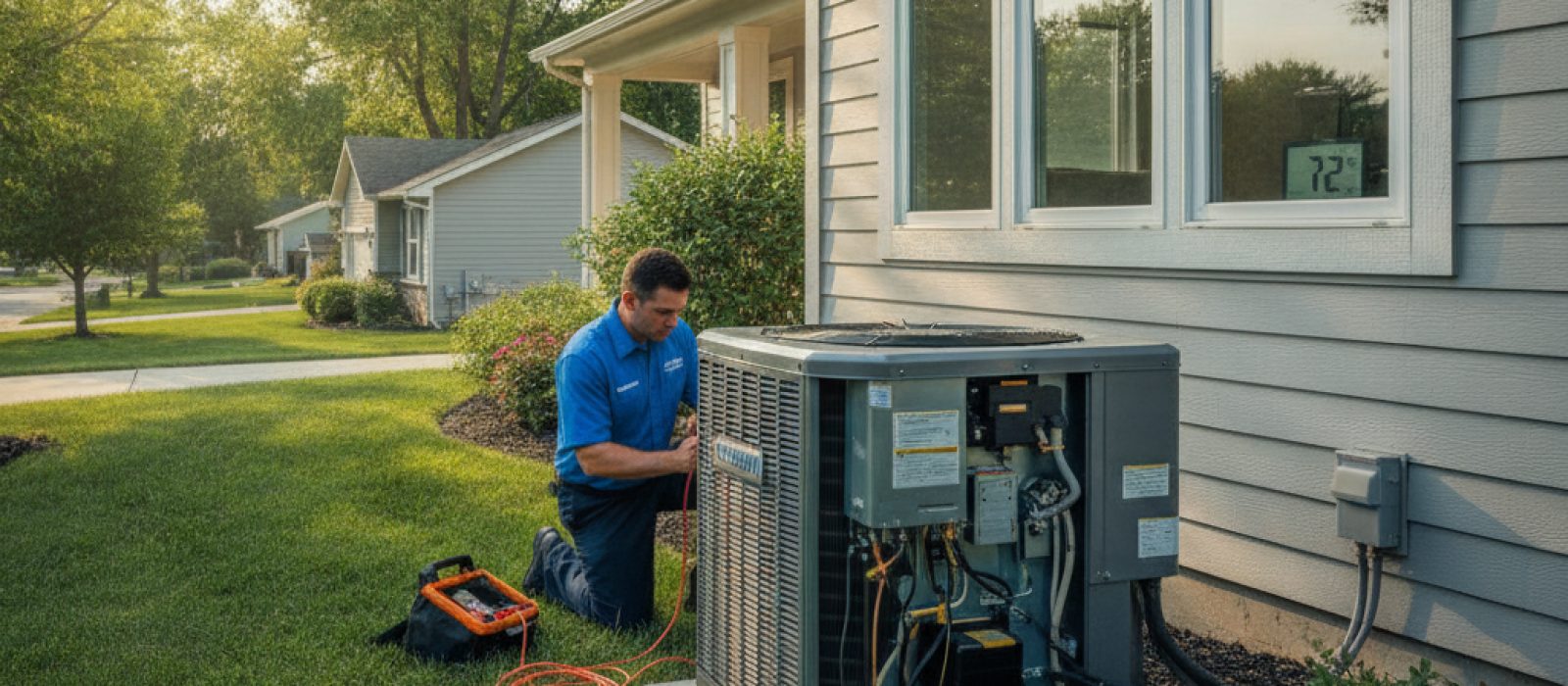
An objective look at Goodman HVAC systems, covering performance, longevity, and what homeowners should know before choosing a budget-friendly cooling solution.
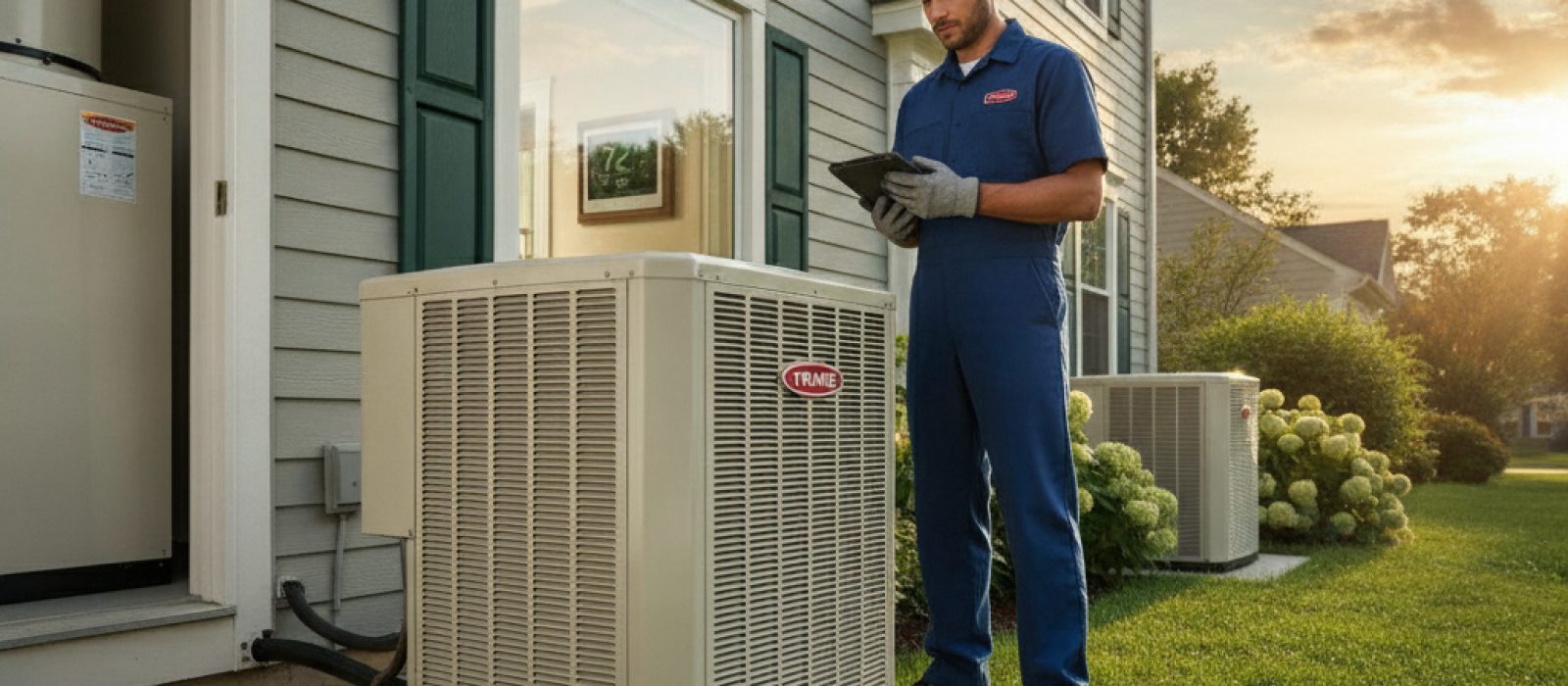
A guide to understanding Trane residential cooling systems, including component integration and maintenance requirements for homeowners.
Be the first to comment.