
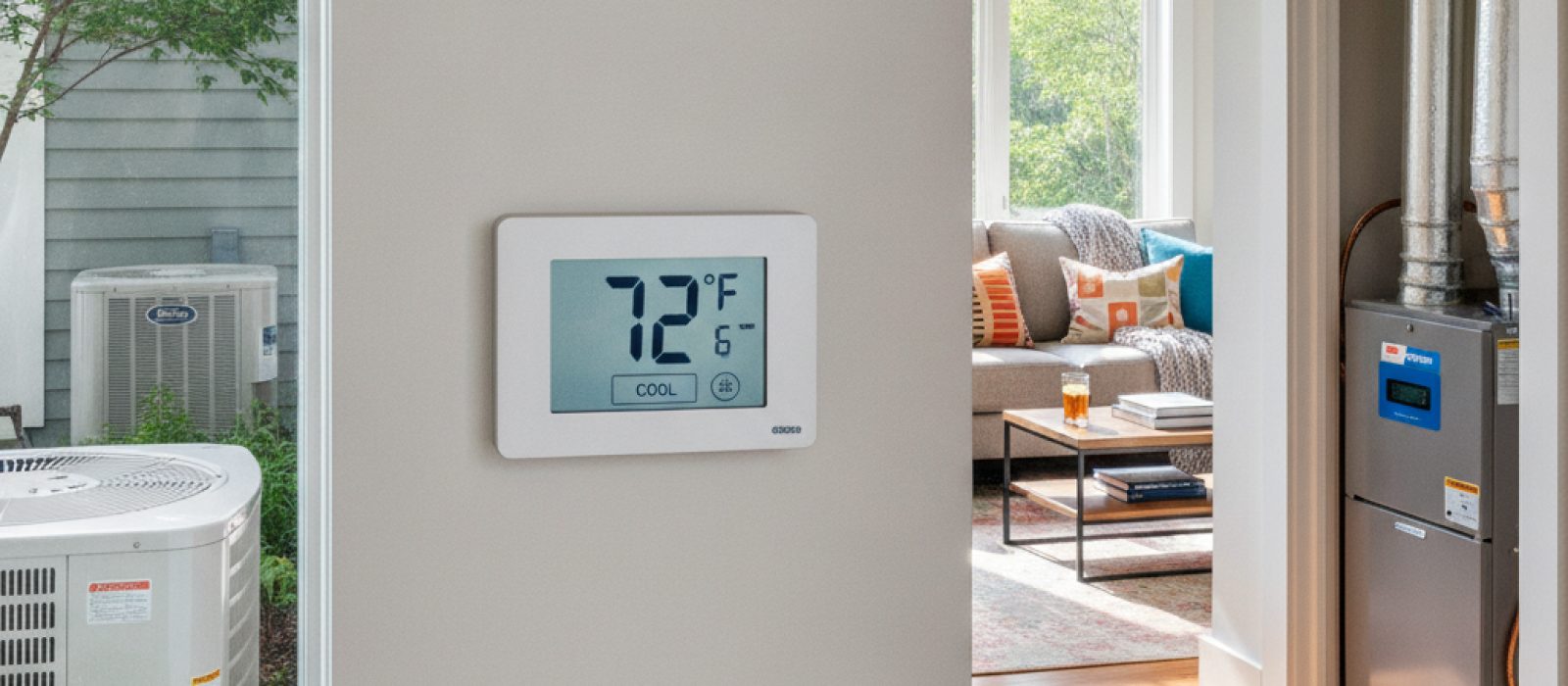
York, Ruud, Bryant and American Standard HVAC: Brand Overview
A guide to understanding the cooling technology and reliability of four major HVAC manufacturers for U.S. homeowners.
3 min read

The AC condenser is the outdoor component of a split-system air conditioner, responsible for releasing heat absorbed from the indoor air into the outside environment. It houses the compressor, the condenser coil, and the fan motor. Because it is exposed to the elements year-round, it is subject to wear from weather, debris, and internal mechanical strain. When this unit fails, the entire cooling system ceases to function effectively.
Replacement costs for an AC condenser are rarely uniform. The final figure depends heavily on the specifications of the existing system and the requirements of the installation site. Because of this, homeowners should expect a wide range of estimates based on several key variables.
Modern air conditioning systems must meet specific efficiency standards. Replacing only the condenser—the outdoor unit—often requires ensuring that the new equipment is compatible with the existing indoor evaporator coil. If the current indoor unit is significantly older, it may not be able to handle the pressure or flow requirements of a new, high-efficiency condenser. In such cases, replacing only the outdoor unit can result in poor performance or premature failure of the new component.
The industry is currently transitioning between different types of refrigerants. If an older system uses a phased-out refrigerant, the condenser cannot simply be swapped out for a newer model that uses a different, modern alternative. Upgrading to a new refrigerant often necessitates replacing the entire line set and indoor coil, which significantly increases the total project cost.
Labor costs are a major component of the total expense. Factors that influence these costs include:
Determining whether to replace the condenser or perform a major repair requires a careful assessment of the equipment's age and overall condition. If the compressor has failed, the cost of the part and the labor involved may approach the cost of a full unit replacement. Homeowners should consult with a professional during a Maintenance & Tune-up visit to determine if the internal components are showing signs of widespread corrosion or mechanical fatigue.
If the system is nearing the end of its expected lifespan, investing heavily in a condenser repair may not offer long-term value. A newer system often provides better reliability and energy efficiency, which can lead to lower utility bills over time. For those looking to improve overall performance, Energy Efficient Solutions can be integrated during the replacement process to ensure the home's cooling load is balanced correctly.
Replacing an AC condenser is a task that requires specialized tools and technical expertise. It involves handling pressurized refrigerant, which is strictly regulated by environmental laws, and making complex electrical connections. Attempting to modify or install these systems without proper certification poses significant safety risks, including electrical shock and exposure to hazardous substances.
A licensed technician ensures that the system is properly sized for the home. An incorrectly sized unit will short-cycle, leading to high humidity levels and inconsistent temperatures. Furthermore, if you suspect your current system issues stem from airflow restrictions, you might consider Ductwork Services to ensure that the new condenser is working with a healthy, unobstructed distribution system. If the indoor climate remains uncomfortable despite a functioning condenser, Indoor Air Quality assessments can help identify if the issue is related to filtration or ventilation rather than the cooling hardware itself.
When replacing a condenser, verify the manufacturer's warranty terms. Many warranties are only valid if the equipment is installed by a licensed professional and registered shortly after installation. Keeping records of annual service is essential for maintaining these protections. While the upfront investment for a new condenser is significant, a properly installed system, maintained through regular professional care, provides the best return on investment for any homeowner.
A guide to understanding the cooling technology and reliability of four major HVAC manufacturers for U.S. homeowners.
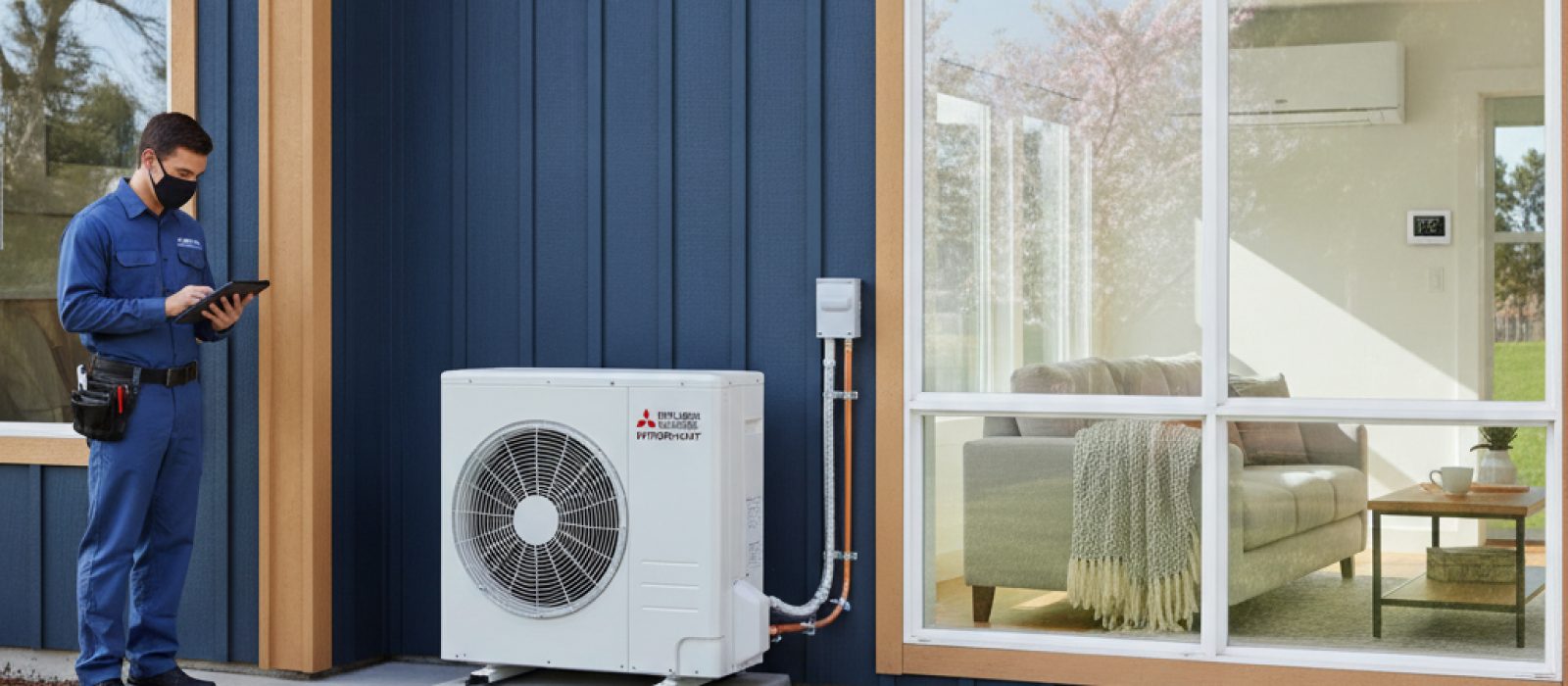
A comprehensive look at Mitsubishi mini-split technology and Hyper-Heat performance for year-round climate control in U.S. homes.
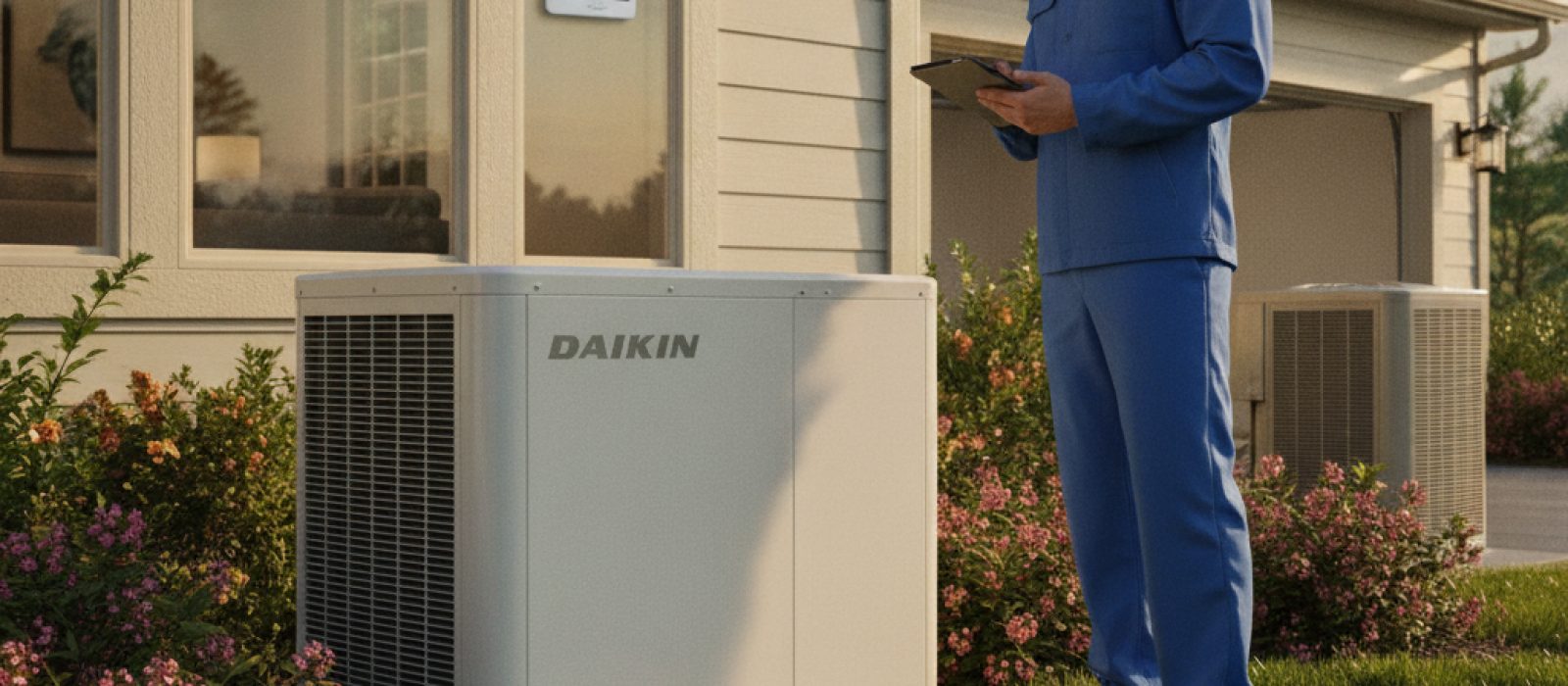
A comprehensive guide to understanding Daikin HVAC systems, including model tiers, standard maintenance requirements, and factory warranty coverage.
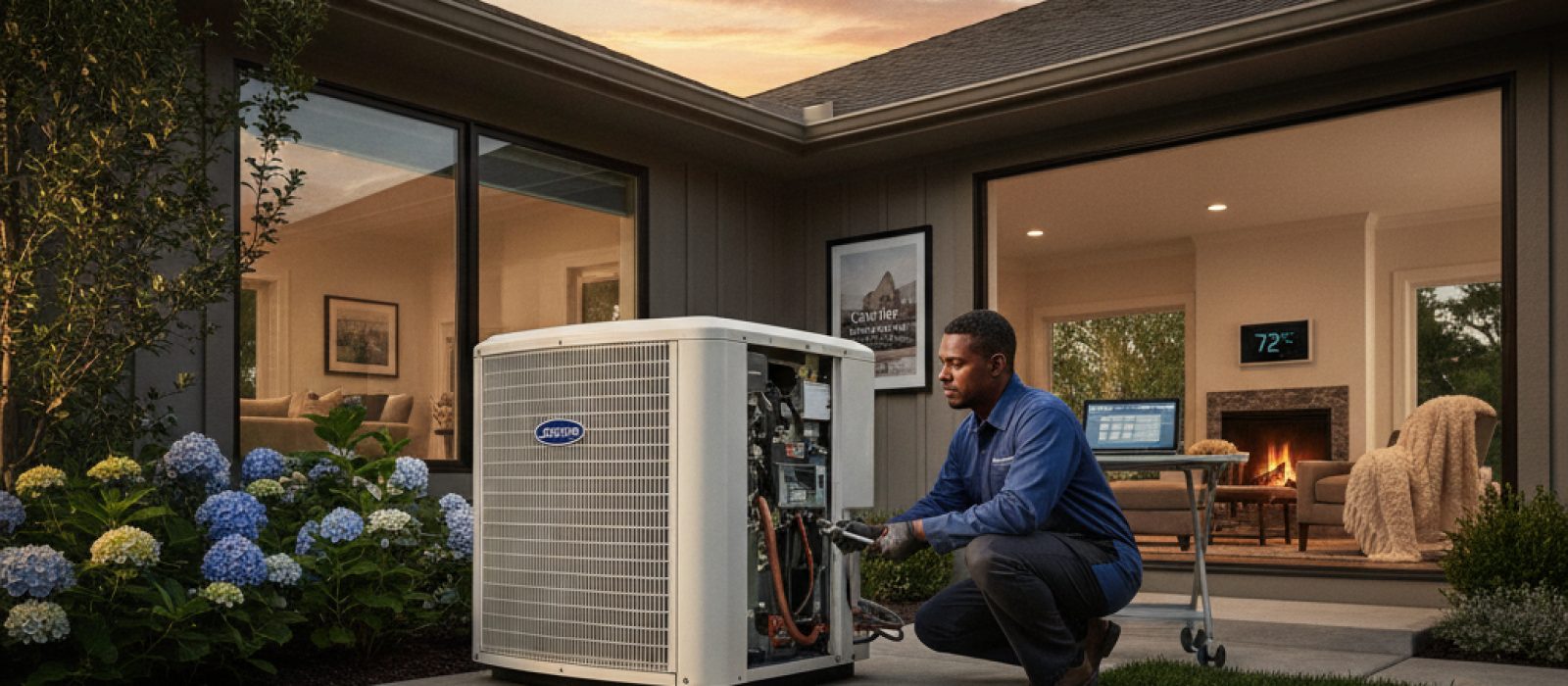
A comprehensive guide to understanding Carrier air conditioning systems, efficiency ratings, installation factors, and maintenance requirements.
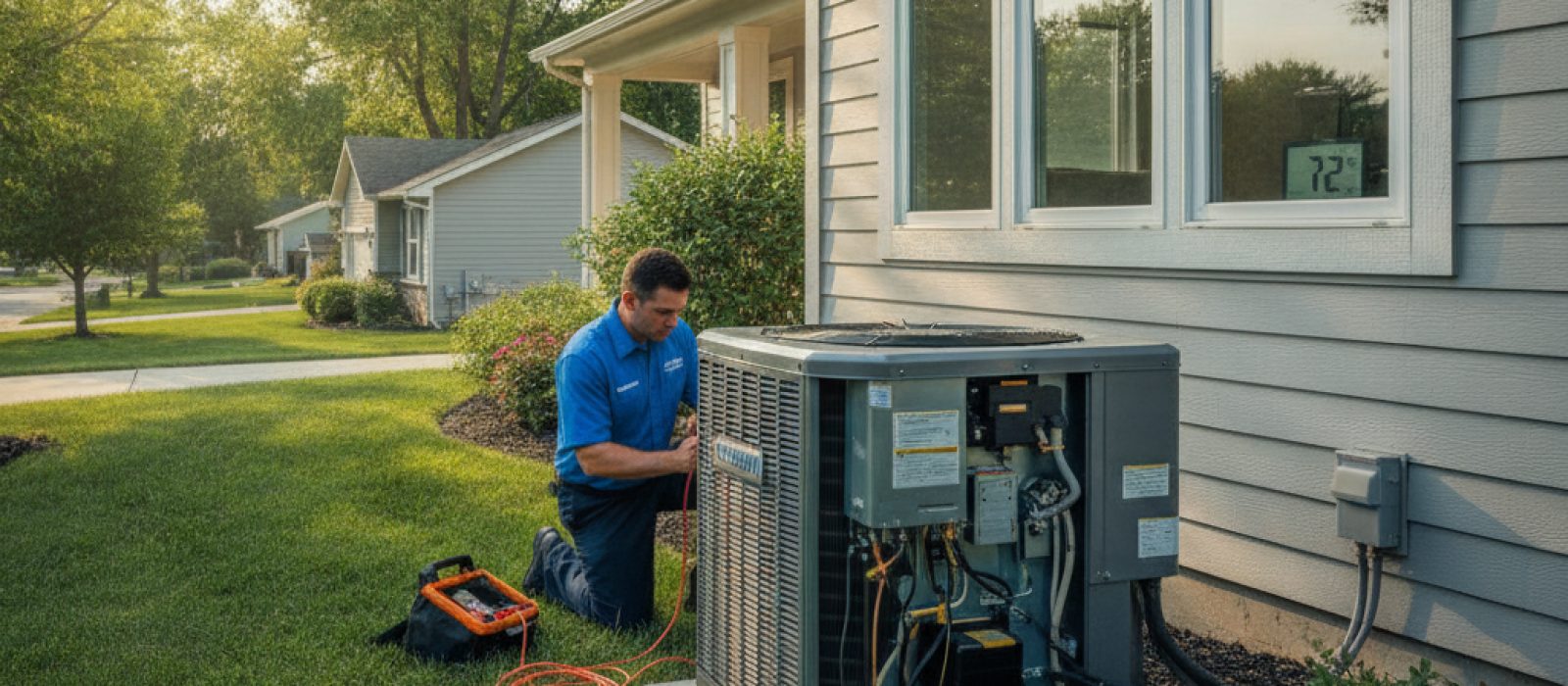
An objective look at Goodman HVAC systems, covering performance, longevity, and what homeowners should know before choosing a budget-friendly cooling solution.
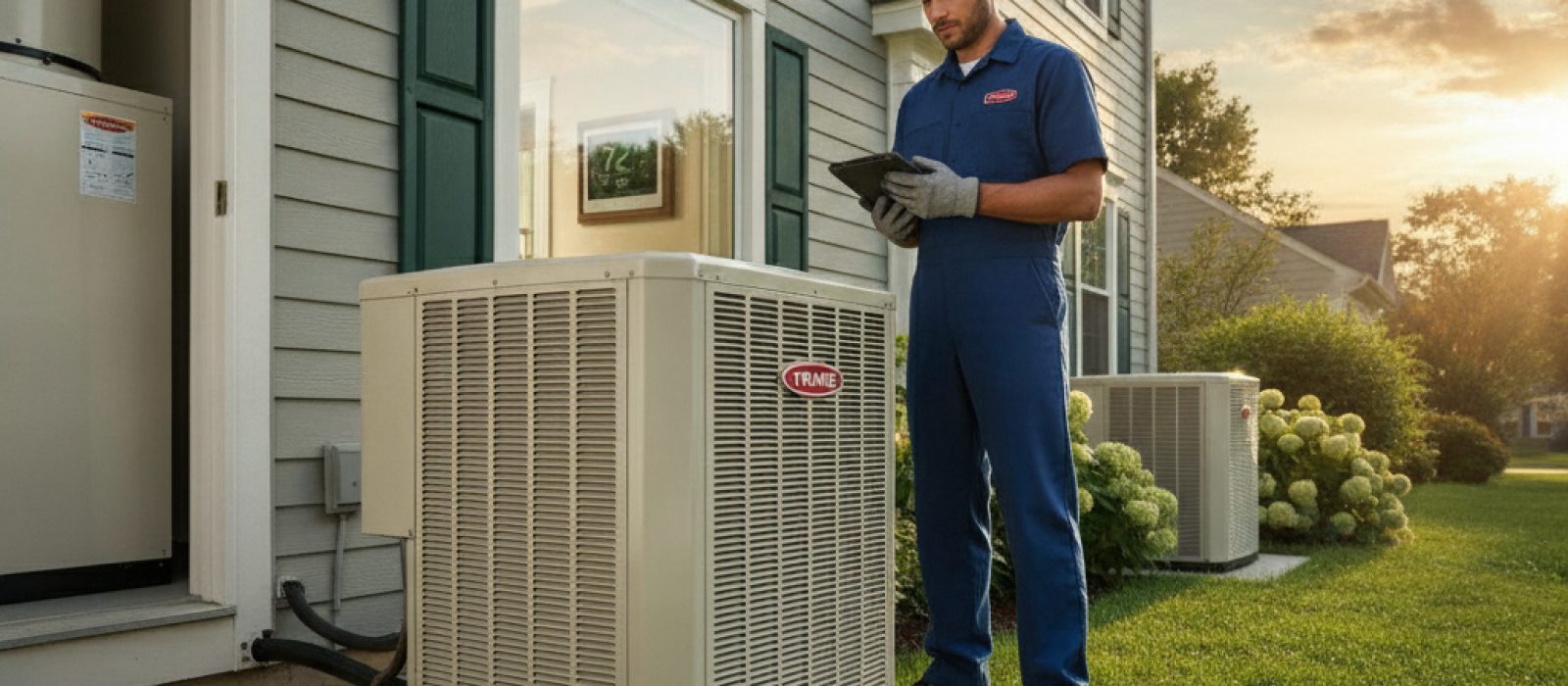
A guide to understanding Trane residential cooling systems, including component integration and maintenance requirements for homeowners.
Be the first to comment.