HVAC Service Fast

AC On But Not Cooling? Common Reasons & What to Do

4 min read

AC On But Not Cooling? Common Reasons & What to Do

The Frustration of a Running, But Not Cooling, AC

There's nothing quite like the relief of stepping into a cool home on a sweltering summer day. So, when your air conditioner kicks on, hums along, but fails to deliver that crisp, cool air, it can be incredibly frustrating. You see the thermostat setting, you hear the unit, but the temperature just isn't dropping. Before you panic and assume the worst, let's explore some of the most common reasons why your AC might be working overtime without actually cooling your home, and what you can do about it.

Understanding How Your AC Cools

To troubleshoot effectively, it helps to understand the basic principle of air conditioning. Your AC doesn't 'make' cool air; it removes heat and humidity from your indoor air and transfers it outside. It uses a refrigerant that cycles between indoor and outdoor coils, changing states to absorb and release heat. When any part of this delicate balance is off, the system can run inefficiently or stop cooling altogether.

Common Culprits Behind a Non-Cooling AC

1. Dirty Air Filter

  • The Problem: This is perhaps the most frequent and easiest-to-fix issue. A clogged air filter restricts airflow across the evaporator coil. When less air passes over the coil, it can't absorb heat effectively, and in severe cases, the coil can freeze solid.
  • The Fix: Check your air filter monthly, especially during peak usage. If it's dirty, replace it with a clean one. This simple step can dramatically improve efficiency and cooling performance.

2. Low Refrigerant Levels

  • The Problem: Refrigerant (often called Freon, though that's a brand name) is the lifeblood of your AC. If the levels are low, it's usually due to a leak in the system. Low refrigerant means the system can't absorb enough heat from your home's air.
  • The Fix: This is not a DIY fix. Adding refrigerant without addressing the leak is a temporary solution and wasteful. A qualified HVAC technician needs to locate and repair the leak, then recharge the system to the correct specifications.

3. Frozen Evaporator Coil

  • The Problem: If your indoor unit is dripping water or you notice ice on the copper lines, your evaporator coil might be frozen. This can be caused by a dirty air filter, low refrigerant, or even a fan motor issue reducing airflow. A frozen coil cannot absorb heat.
  • The Fix: Turn off your AC unit and switch the fan to 'ON' (if available) to help melt the ice. This can take several hours. While it's thawing, address the underlying cause (e.g., replace a dirty filter). If it freezes again, it's time to call a professional.

4. Dirty Outdoor Condenser Coil

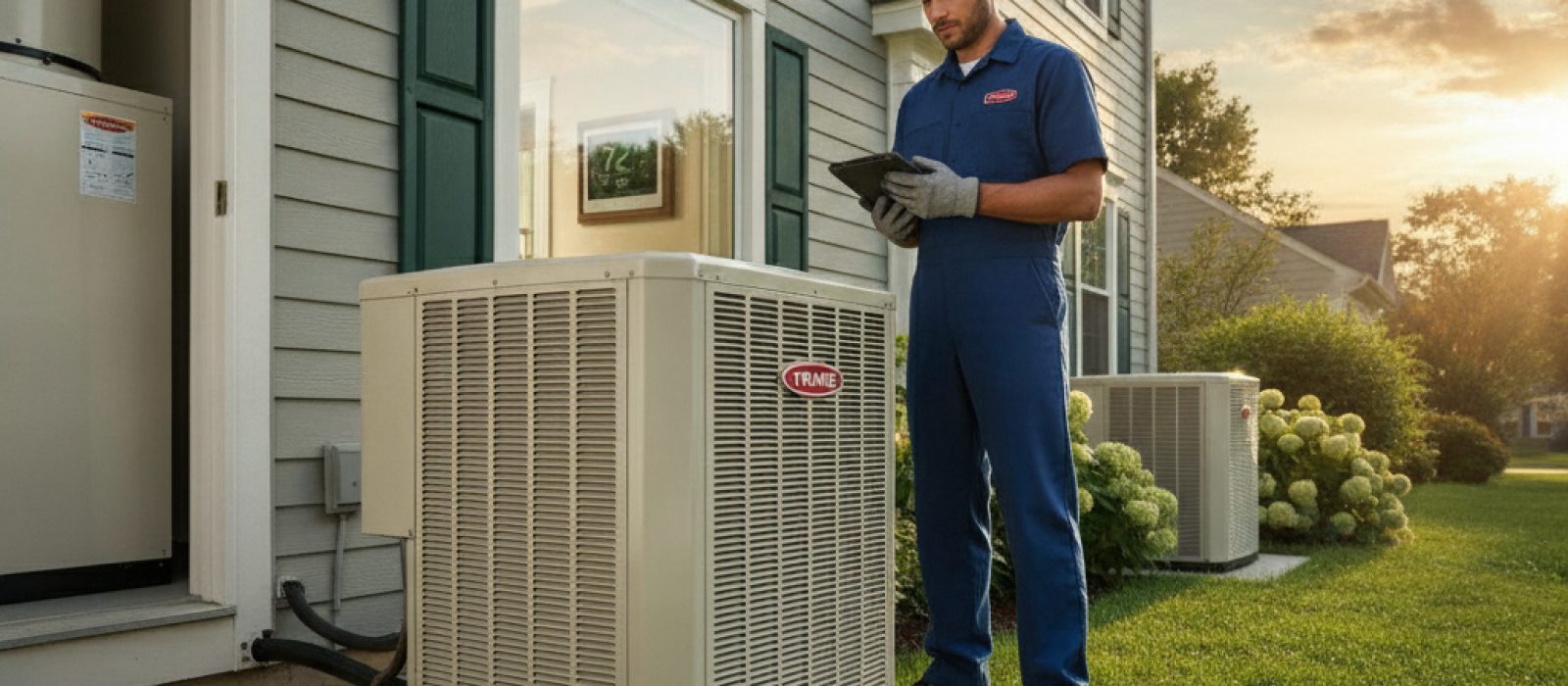
  • The Problem: The outdoor unit (condenser) releases the heat absorbed from your home. If the coils are covered in dirt, dust, leaves, or grass clippings, they can't effectively dissipate heat. This makes the system work harder, reduces efficiency, and can lead to overheating.
  • The Fix: Safely turn off power to the outdoor unit at the disconnect switch and your electrical panel. Gently clear away debris from around the unit and carefully spray the coils with a garden hose (avoiding electrical components).

5. Malfunctioning Thermostat

  • The Problem: Sometimes the issue isn't with the AC unit itself, but with the control center. A faulty thermostat might be misreading the temperature, set to the wrong mode (e.g., 'fan only'), or have dead batteries.
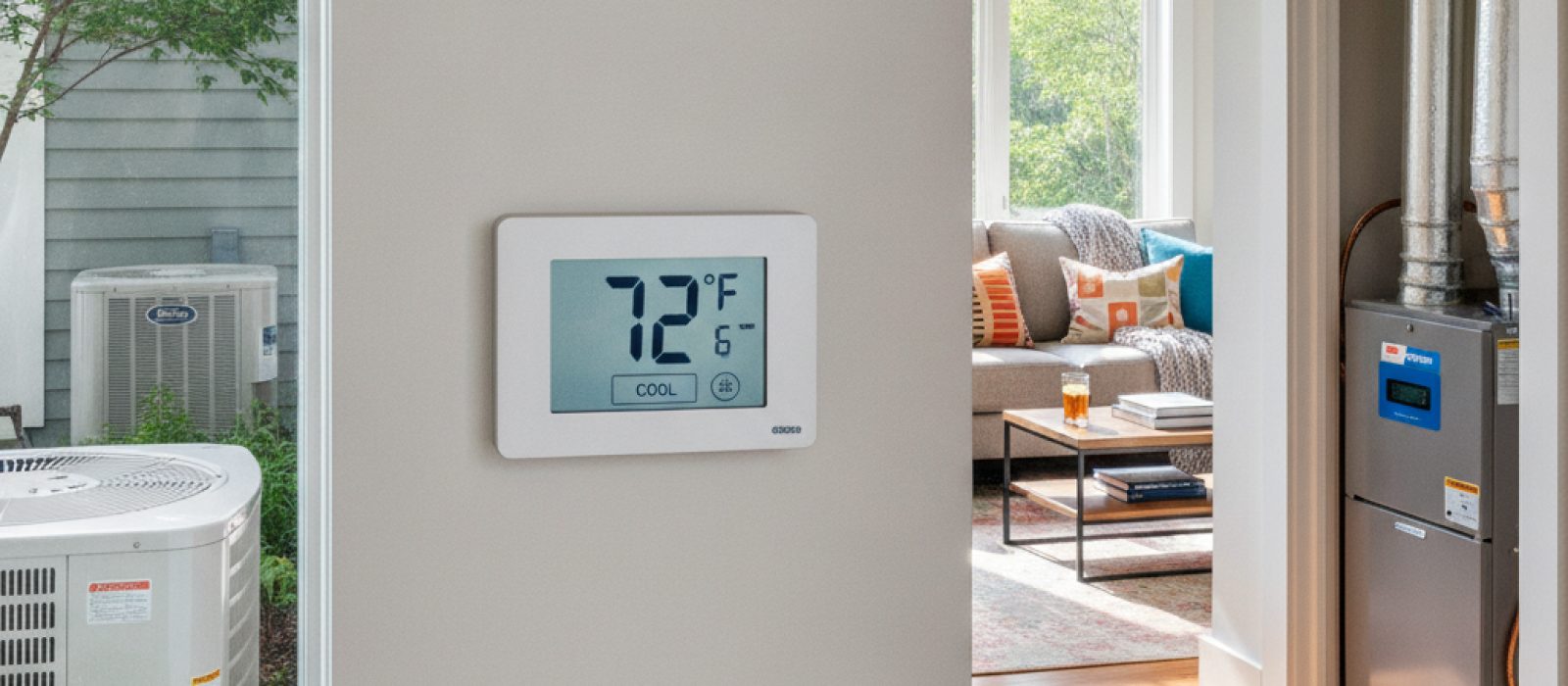
  • The Fix: Check your thermostat settings. Is it set to 'COOL' and the desired temperature? Replace the batteries if it's a battery-powered model. Ensure it's not set to 'FAN ONLY'. If issues persist, test with a different thermometer to see if the thermostat is reading accurately.

6. Issues with the Fan Motor or Blower

  • The Problem: Both the indoor (blower) and outdoor (condenser) units have fans. If either fan motor isn't working or is struggling, it can severely impede airflow and heat exchange.
  • The Fix: If you don't hear the indoor fan blowing or the outdoor fan spinning, turn off the unit immediately. This indicates a mechanical or electrical issue that requires professional diagnosis and repair.

When to Call a Professional HVAC Technician

While some issues like dirty filters or blocked outdoor coils can be addressed by homeowners, many problems require the expertise of a trained HVAC technician. If you've checked the basics and your AC is still not cooling, or if you suspect issues like refrigerant leaks, electrical problems, or major component failures, it's always best to call in the pros. Attempting complex repairs yourself can be dangerous and may void warranties.

Regular maintenance is key to preventing many of these problems. Scheduling an annual tune-up for your AC system ensures it runs efficiently, lasts longer, and keeps your home comfortably cool when you need it most.

#Air Conditioning #AC repair #home comfort #HVAC #Troubleshooting #Cooling Problems

Frequently asked questions

Why is my AC running but not cooling my house?
Common reasons include a dirty air filter, low refrigerant levels, a frozen evaporator coil, a dirty outdoor condenser coil, a malfunctioning thermostat, or issues with the fan motor or blower.
What is the most common reason an AC stops cooling?
A dirty air filter is often the most frequent and easiest-to-fix issue, as it restricts airflow and can cause the evaporator coil to freeze.
Can I fix an AC that's not cooling myself?
Some issues, like replacing a dirty air filter, cleaning the outdoor condenser coil, or checking thermostat settings/batteries, can be DIY fixes. Other problems, such as low refrigerant or fan motor issues, require a professional HVAC technician.
What should I do if my AC's evaporator coil is frozen?
Turn off your AC unit and switch the fan to 'ON' to help melt the ice. While it thaws, address the underlying cause like replacing a dirty filter. If it refreezes, call a professional.
How often should I check my AC's air filter?
You should check your air filter monthly, especially during peak usage, and replace it if it's dirty to ensure efficient cooling and airflow.

Related articles

Comments (0)

Be the first to comment.

Leave a comment

Security code

Comments are moderated before they appear.