
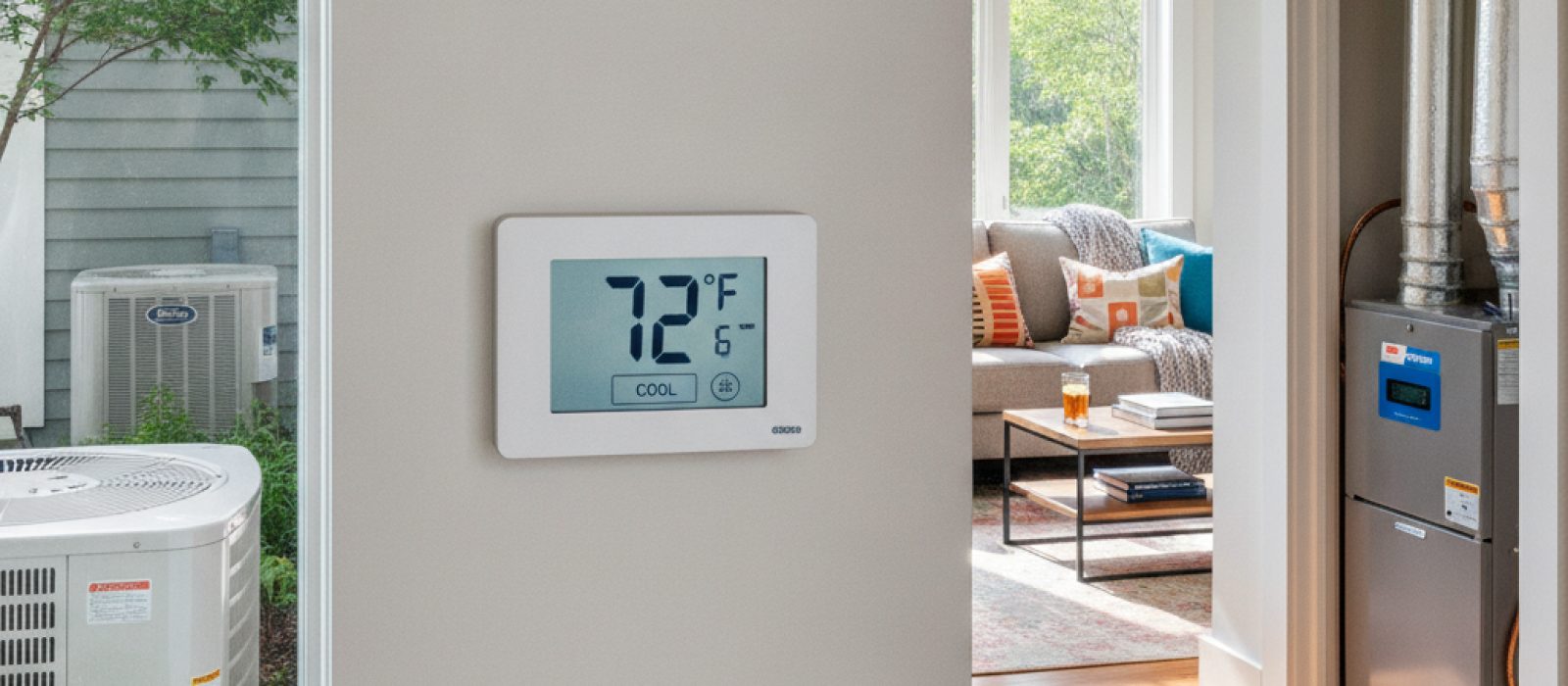
York, Ruud, Bryant and American Standard HVAC: Brand Overview
A guide to understanding the cooling technology and reliability of four major HVAC manufacturers for U.S. homeowners.
4 min read

Air conditioning repair costs fluctuate based on the complexity of the mechanical failure, the age of the equipment, and regional labor rates. Because central cooling systems are intricate assemblies of electrical, mechanical, and chemical components, a professional assessment is required to isolate the root cause before an accurate estimate can be provided.
Homeowners often seek transparency regarding why service calls vary in price. The primary factors include the technician's time, the availability of specialized parts, and the safety protocols required for handling refrigerants or high-voltage electrical components. Systems that have not received regular Maintenance & Tune-up visits may also present more complex issues, as secondary damage can occur when an underlying problem is ignored.
Not all cooling failures are created equal. Some issues are minor adjustments, while others involve the replacement of major, expensive components. Understanding these categories helps clarify why quotes differ significantly from one call to the next.
Many AC issues originate in the electrical system rather than the mechanical compressor. Failed capacitors, contactors, or blown fuses are common culprits. These components are relatively inexpensive to source, but they require a licensed technician to diagnose safely, as they involve high-voltage electricity that poses a significant risk to untrained individuals.
Refrigerant is the lifeblood of an air conditioner, but it is not a fuel that gets consumed; it is a closed-loop chemical system. If a system is low on refrigerant, it indicates a leak. Simply adding more refrigerant without locating and repairing the leak is a temporary fix that does not address the core problem. Repairing a leak requires specialized tools to evacuate the system, braze the compromised copper lines, and recharge the unit to the manufacturer’s specified weight.
The compressor is the heart of the cooling system. If it fails, the cost of repair is substantial, often leading homeowners to compare the expense against the cost of a full system replacement. Similarly, blower motors and outdoor fan motors are heavy-duty components that experience significant wear over time and require professional installation to ensure proper alignment and electrical safety.
A professional service call begins with a diagnostic process. Technicians evaluate pressures, temperatures, and electrical draw to determine if the system is operating within design specifications. During this time, they may identify additional needs, such as Indoor Air Quality concerns or debris buildup that restricts airflow.
Diagnostic time is a billable service because it requires a combination of technical knowledge and proprietary testing equipment. It is common for the initial diagnostic fee to be separate from the actual repair cost, though some service providers may credit the diagnostic fee toward the repair if the client proceeds with the recommended work.
Homeowners can perform basic tasks to keep their systems running efficiently, such as changing air filters monthly and ensuring the outdoor condenser unit is free of leaves, grass clippings, and debris. However, any work involving the refrigerant circuit, high-voltage wiring, or internal control boards must be left to licensed professionals.
Attempting to bypass safety switches or handling pressurized lines can result in severe injury or permanent damage to the HVAC system. If a system is making grinding noises, emitting burning odors, or failing to cycle on entirely, it is safer to shut the unit off at the thermostat and call for professional Emergency HVAC assistance to prevent further component failure.
The most effective way to manage AC repair costs is through proactive care. Systems that are ignored until they stop cooling entirely often require more expensive repairs due to the strain placed on secondary components. Scheduling a professional Maintenance & Tune-up annually allows a technician to catch small issues like a failing capacitor or a dirty blower wheel before they evolve into a system-wide breakdown.
When evaluating whether to repair or replace, consider the age of the unit. If the system is nearing the end of its expected lifespan and requires a major repair, the investment in a new, high-efficiency system may provide better long-term value than sinking funds into an aging, inefficient machine. A professional assessment can provide the clarity needed to make this decision based on the specific condition of the current equipment.
A guide to understanding the cooling technology and reliability of four major HVAC manufacturers for U.S. homeowners.
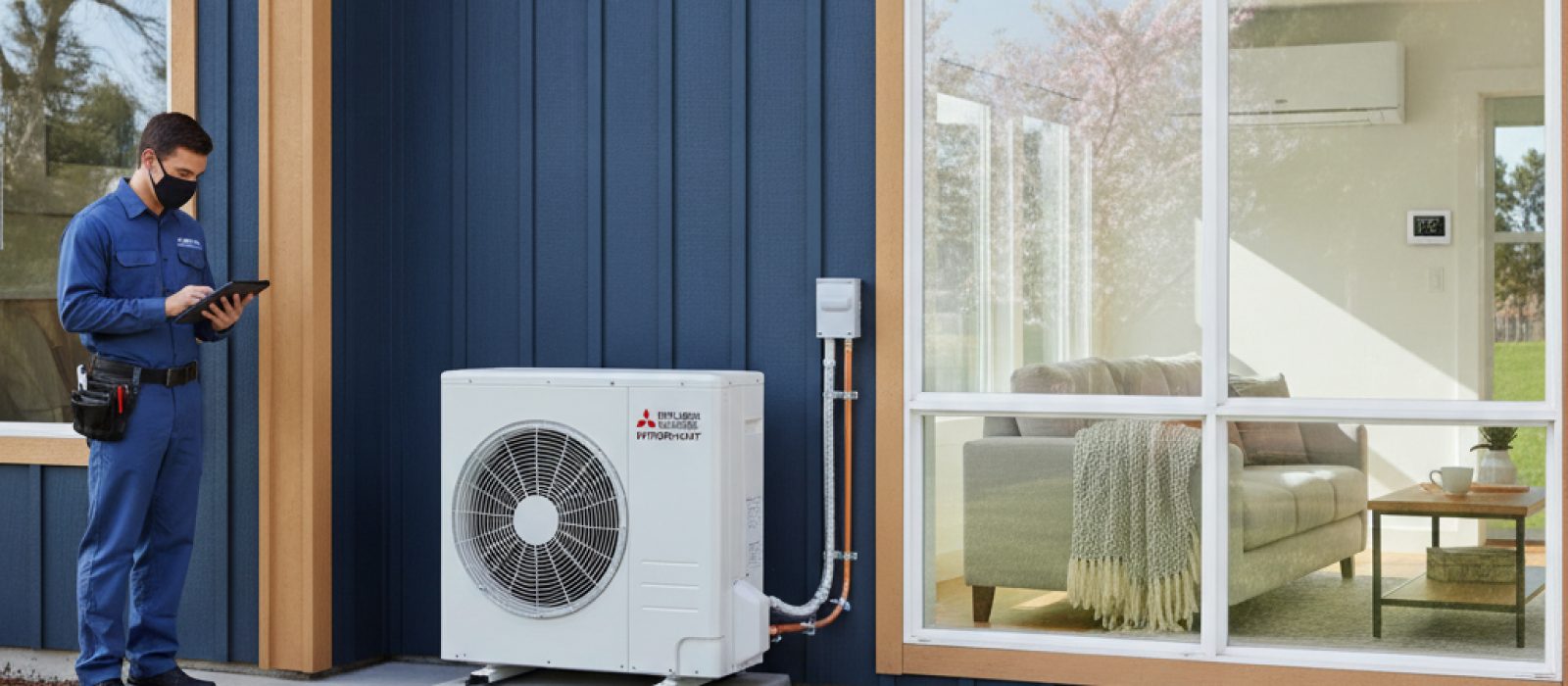
A comprehensive look at Mitsubishi mini-split technology and Hyper-Heat performance for year-round climate control in U.S. homes.
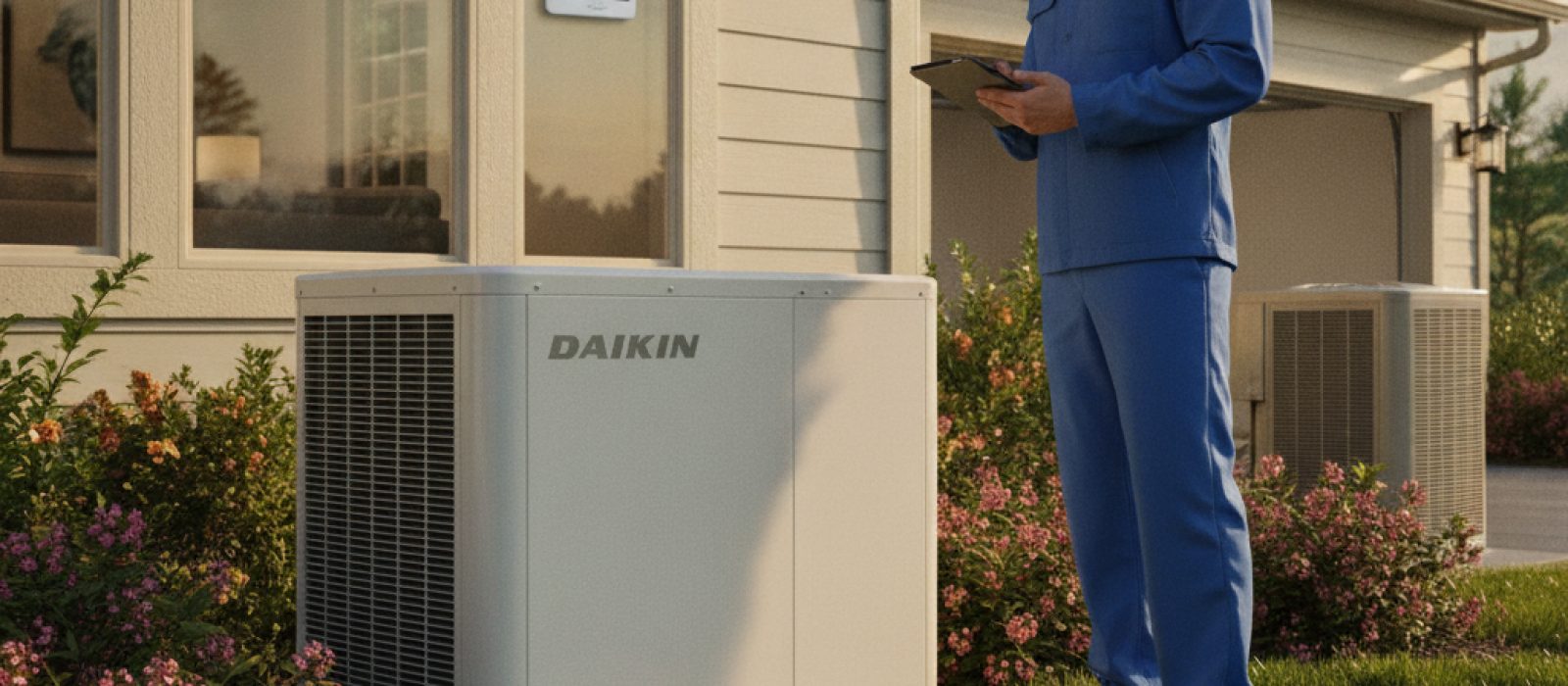
A comprehensive guide to understanding Daikin HVAC systems, including model tiers, standard maintenance requirements, and factory warranty coverage.
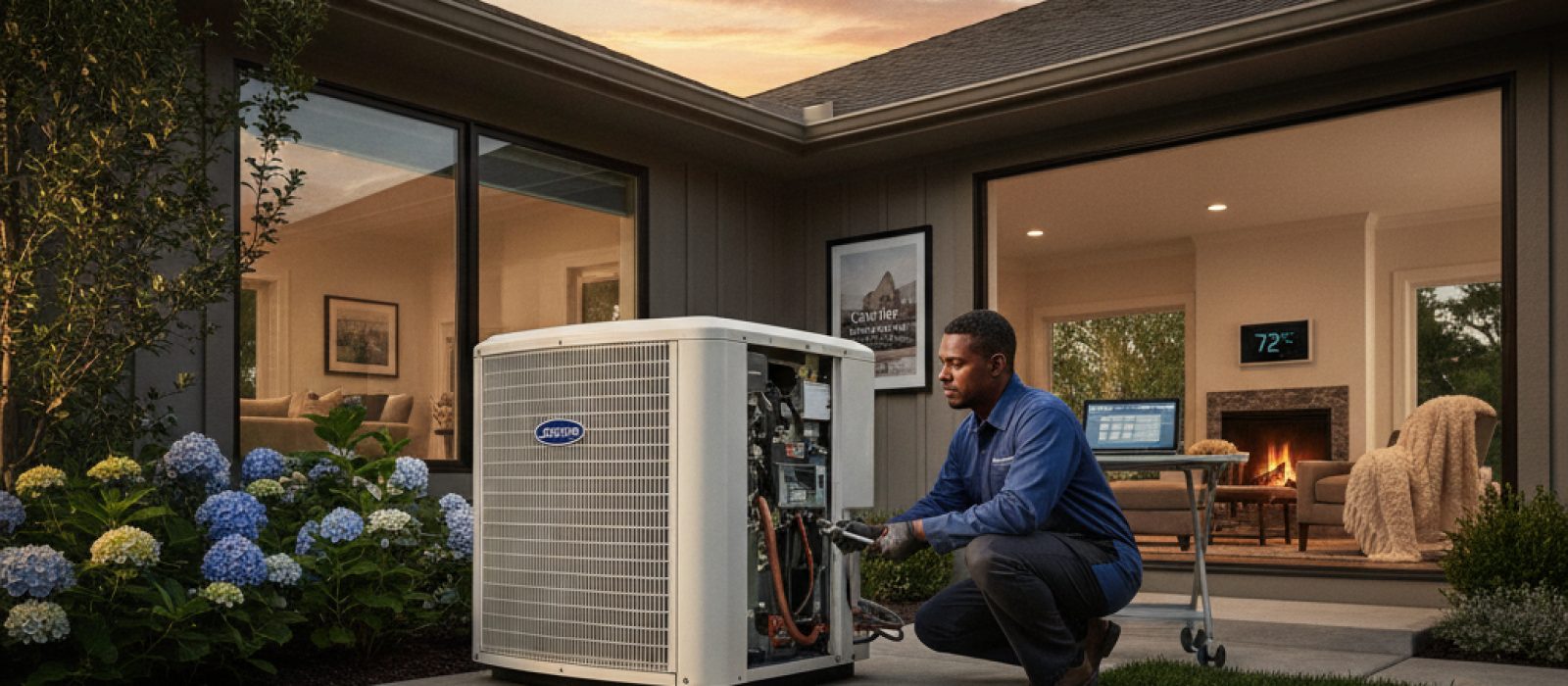
A comprehensive guide to understanding Carrier air conditioning systems, efficiency ratings, installation factors, and maintenance requirements.
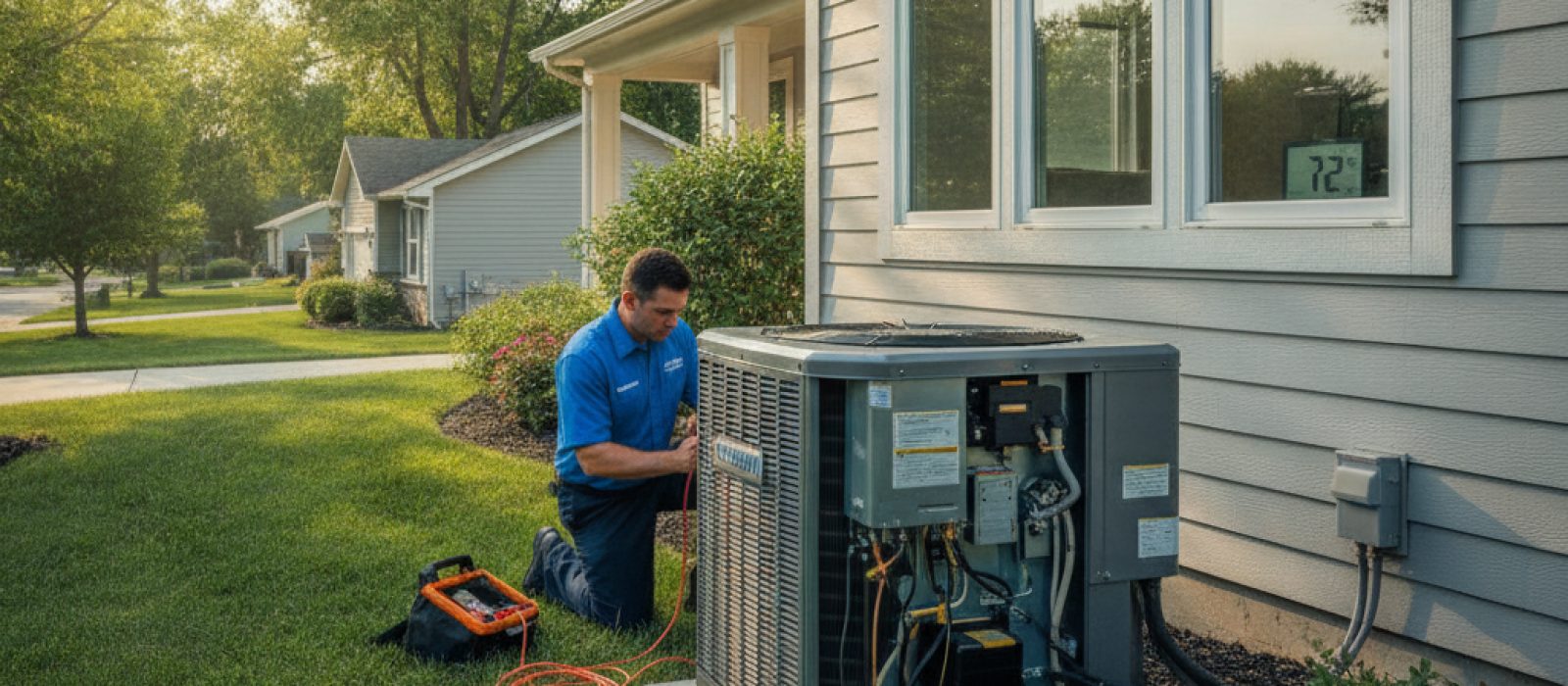
An objective look at Goodman HVAC systems, covering performance, longevity, and what homeowners should know before choosing a budget-friendly cooling solution.
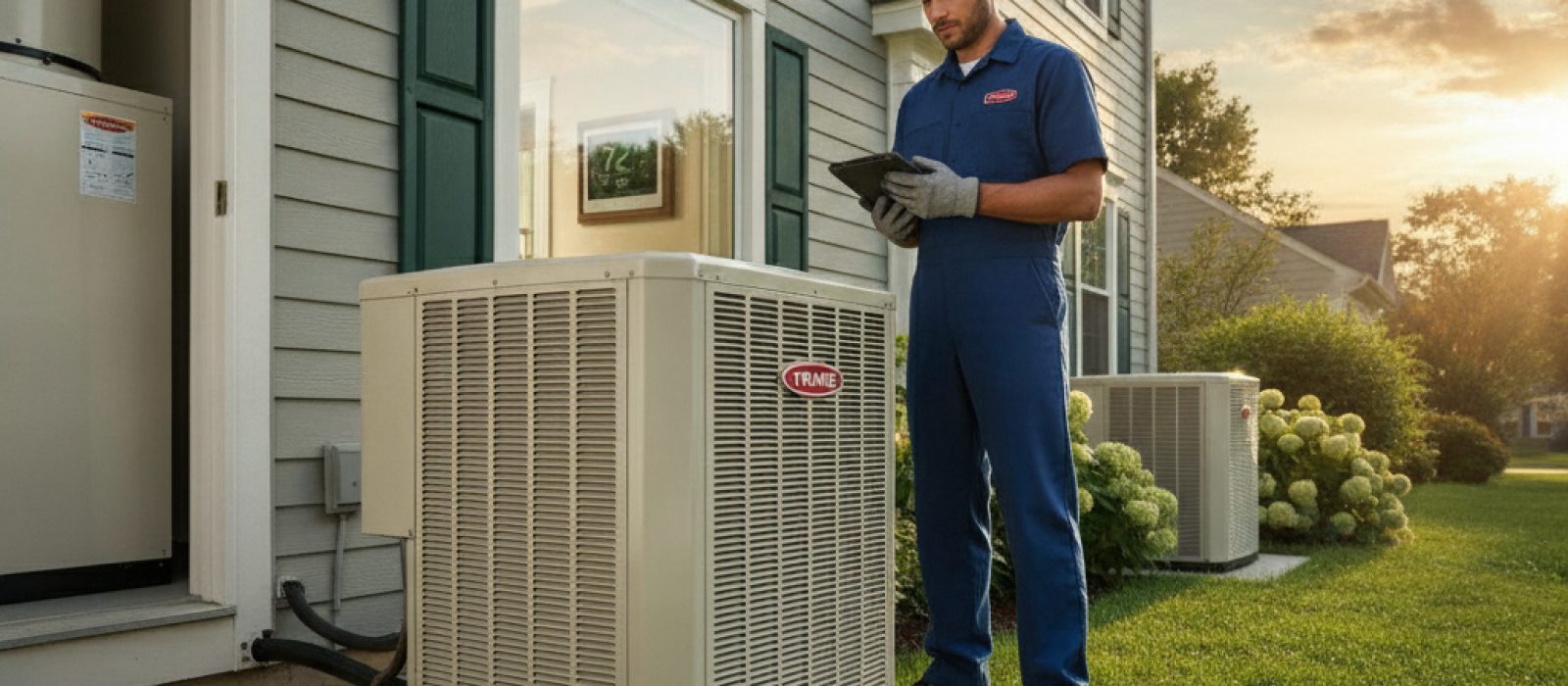
A guide to understanding Trane residential cooling systems, including component integration and maintenance requirements for homeowners.
Be the first to comment.