
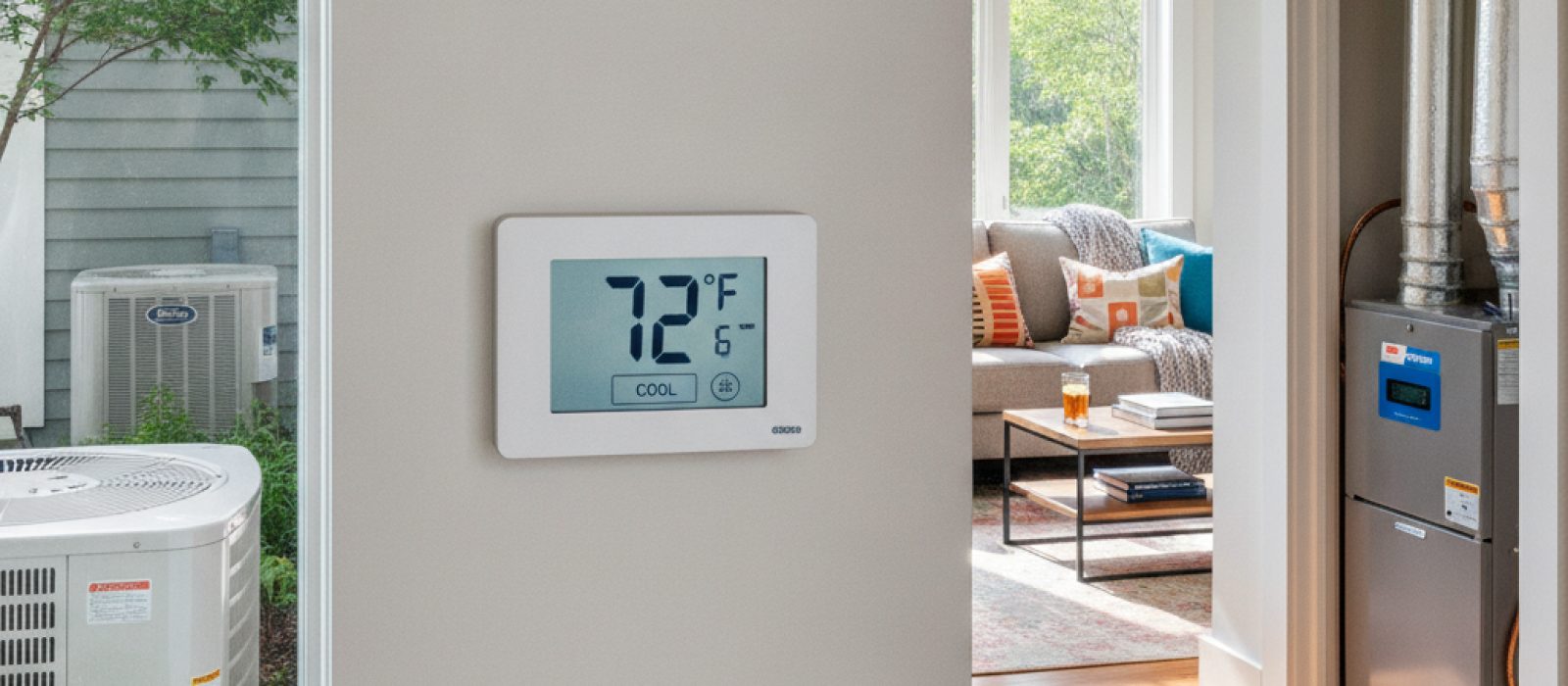
York, Ruud, Bryant and American Standard HVAC: Brand Overview
A guide to understanding the cooling technology and reliability of four major HVAC manufacturers for U.S. homeowners.
4 min read

When a thermostat displays a cooling icon but the indoor unit remains silent, the disconnect usually stems from a power supply issue, a safety switch trigger, or a failed startup component. Before assuming the worst, verify that the thermostat itself is receiving power. If the display is blank or flickering, the system cannot send the necessary signal to the air handler or condenser to begin the cooling cycle.
Check the system’s main power disconnect, often located on or near the outdoor condenser unit. Ensure the lever or pull-out block is fully engaged. Additionally, inspect the home’s main electrical panel for a tripped breaker labeled for the AC or air handler. If a breaker has tripped, reset it once, but avoid repeatedly toggling it if it trips again immediately, as this indicates a short circuit requiring professional Electrical Services.
If the outdoor unit hums but no air flows through the vents, the issue often resides in the indoor air handler. The blower motor is responsible for pushing air through the ductwork; if this motor fails, the system may freeze up or simply circulate nothing. Check for any unusual grinding or humming noises coming from the unit, which can indicate a failing motor or a seized blower wheel.
Another frequent culprit is a dirty air filter. A severely clogged filter restricts airflow to the point that the system cannot pull air into the return vents. In extreme cases, this restriction causes the evaporator coil to frost over, effectively blocking all air movement. If the filter is dark, dusty, or physically bowed, replace it immediately to restore proper airflow. Regular Maintenance & Tune-up visits are designed to catch these airflow restrictions before they lead to motor strain.
Modern HVAC systems include safety features designed to prevent water damage. If your air handler is located in an attic or closet, it likely has a condensate overflow pan with a float switch. If the primary condensate drain line becomes clogged with algae or debris, water backs up into the pan. The float switch detects this water level and cuts power to the entire system to prevent an overflow.
Inspect the drain pan for standing water. If the pan is full, the drain line requires clearing, which is a core component of professional AC Services. Do not attempt to bypass the float switch, as it serves as a critical safeguard for your home's structure. Once the blockage is cleared and the switch lowers, the system should regain power automatically.
Sometimes the issue is not hardware, but a communication gap between the thermostat and the control board. Ensure the thermostat is set to 'Cool' and the temperature setpoint is at least five degrees lower than the current room temperature. If you recently changed the batteries in your thermostat, verify they are installed correctly and are not depleted.
If the thermostat is programmable, check for 'Hold' or 'Vacation' modes that might be overriding your manual cooling commands. For systems that remain unresponsive, a reset of the thermostat—following the manufacturer’s instructions—can clear minor logic errors. If the thermostat display remains unresponsive despite fresh batteries, you may need to consult Thermostat Services to determine if the unit itself has reached the end of its functional life.
While basic troubleshooting like checking filters and breakers is safe for homeowners, other components require specialized equipment and training. If the contactor on the outdoor unit is pitted, the capacitor is bulging, or the blower motor is non-functional, these parts require handling by a licensed technician. Attempting to repair electrical components or refrigerant-bearing lines without proper certification poses significant safety risks and can void equipment warranties.
If you have verified that the power is on, the filter is clean, and the condensate drain is clear, but the system remains silent, the fault likely lies within the internal control board or the system’s wiring. Documenting the specific behaviors—such as whether the indoor fan runs but the outdoor unit does not—will help a technician diagnose the problem more efficiently during a service call.
A guide to understanding the cooling technology and reliability of four major HVAC manufacturers for U.S. homeowners.
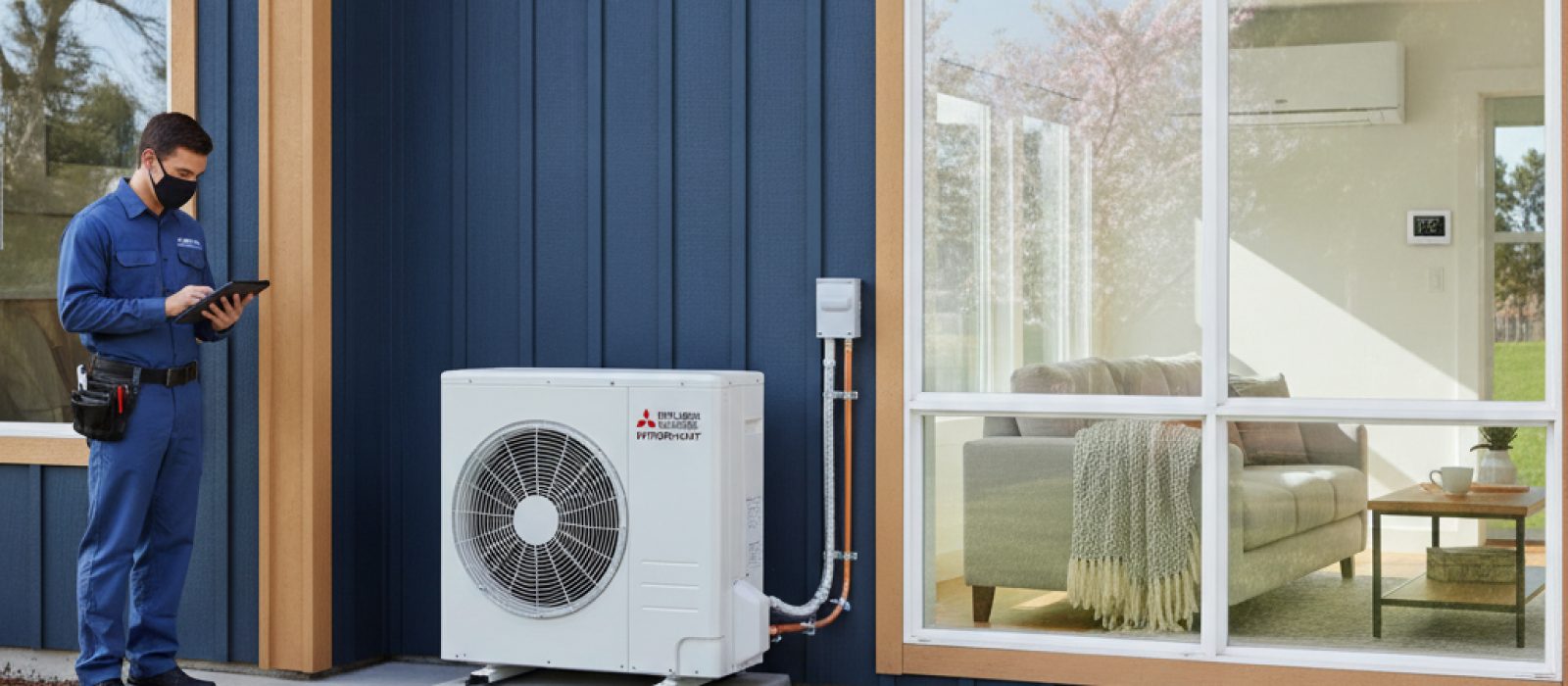
A comprehensive look at Mitsubishi mini-split technology and Hyper-Heat performance for year-round climate control in U.S. homes.
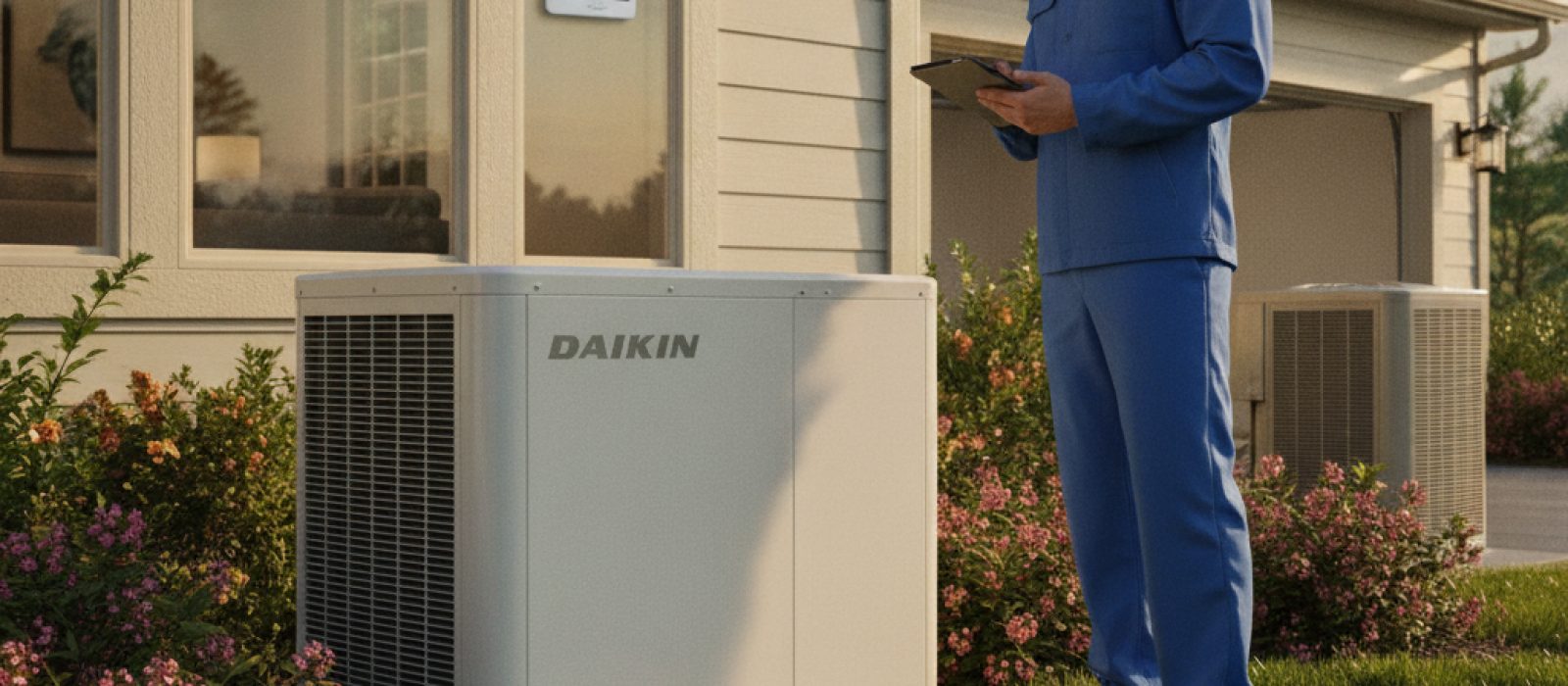
A comprehensive guide to understanding Daikin HVAC systems, including model tiers, standard maintenance requirements, and factory warranty coverage.
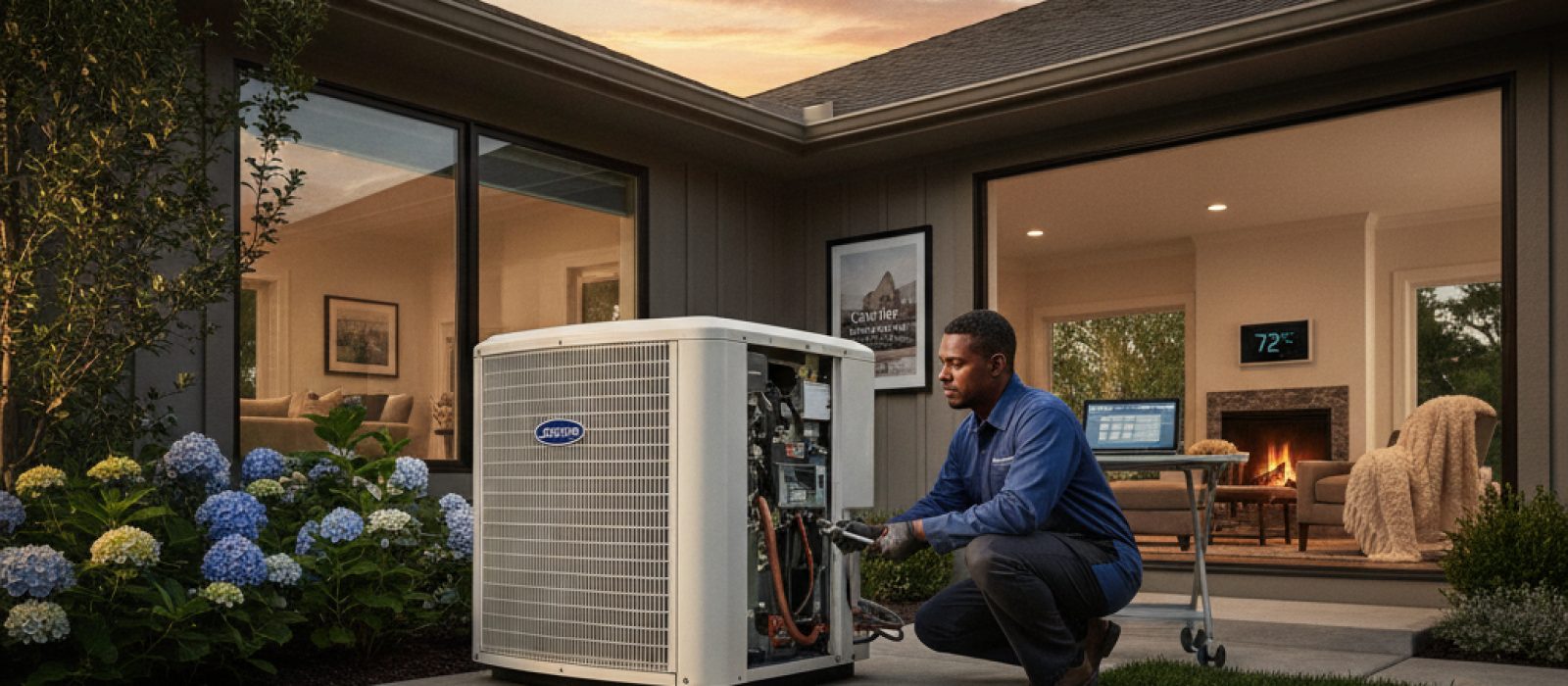
A comprehensive guide to understanding Carrier air conditioning systems, efficiency ratings, installation factors, and maintenance requirements.
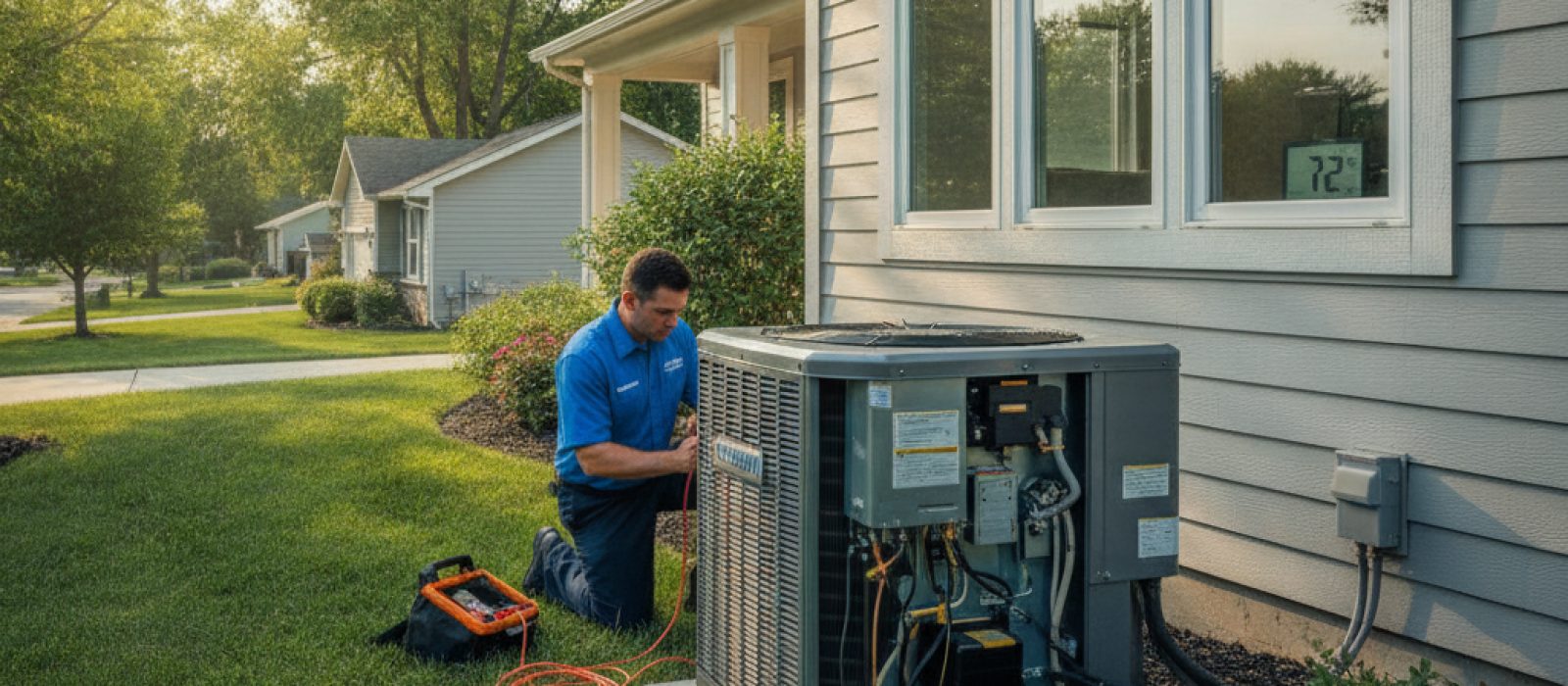
An objective look at Goodman HVAC systems, covering performance, longevity, and what homeowners should know before choosing a budget-friendly cooling solution.
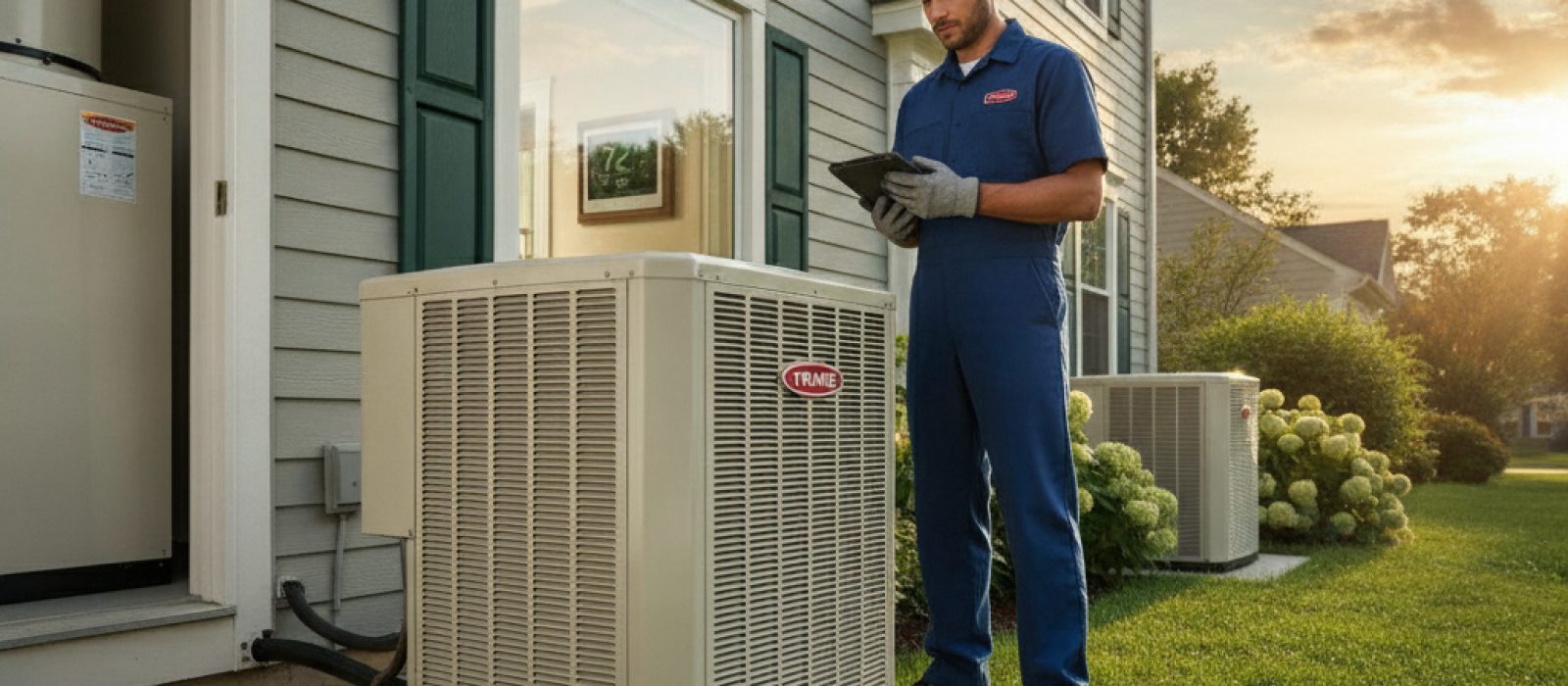
A guide to understanding Trane residential cooling systems, including component integration and maintenance requirements for homeowners.
Be the first to comment.