
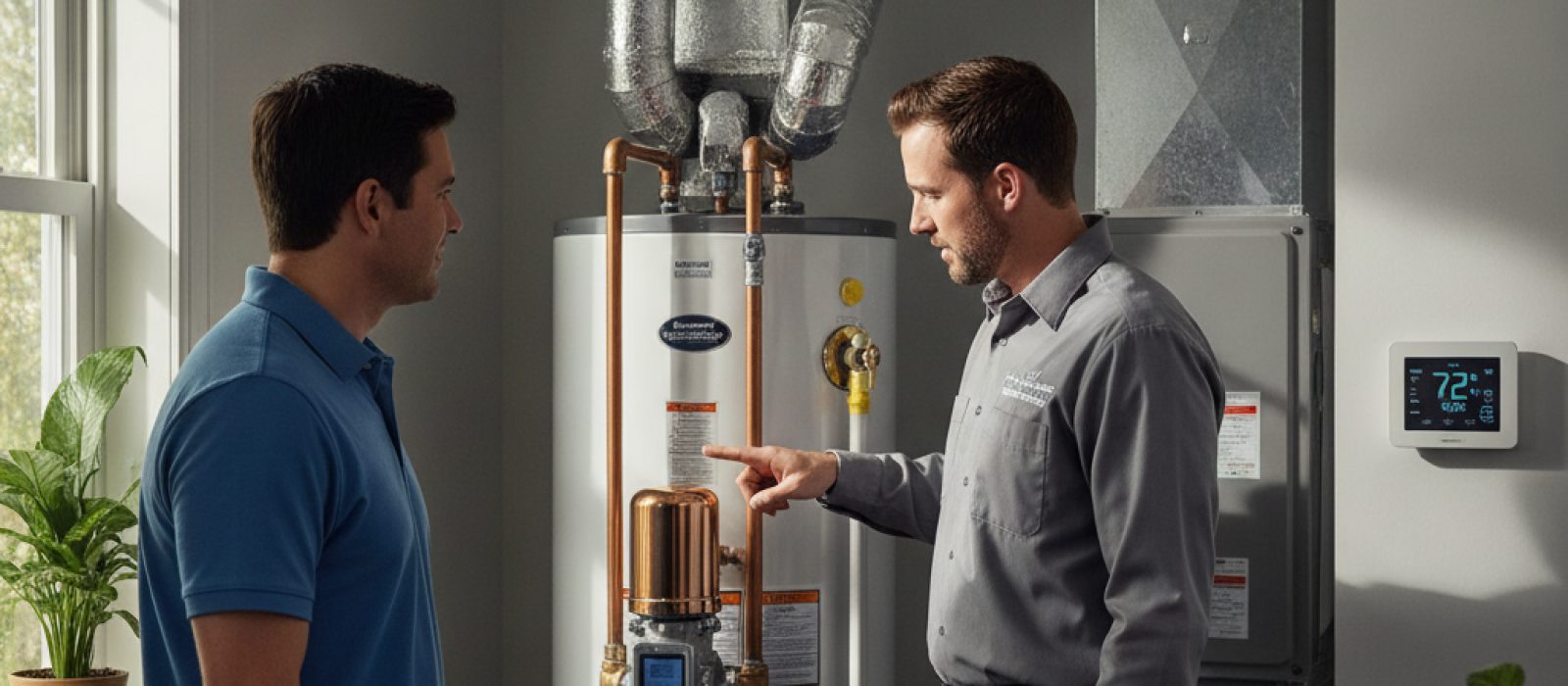
Hot Water Recirculating Pumps: How They Work and What They Cost
Learn how hot water recirculating pumps provide instant hot water, the different installation types, and the factors that influence overall project costs.
3 min read

Air duct cleaning involves the removal of dust, debris, and contaminants from the entire heating and cooling system. When reviewing an estimate, homeowners should expect a comprehensive breakdown that covers the supply and return ducts, registers, grilles, and the air handler unit itself. A professional estimate is not merely a flat-rate fee; it is a detailed plan for restoring the cleanliness of the HVAC infrastructure.
Because ductwork configurations vary significantly between homes, a reputable technician will typically perform a visual inspection before providing a final price. This inspection allows the professional to account for the number of vents, the length of the duct runs, and the accessibility of the system. Estimates that are provided over the phone without any assessment of the property often fail to account for the true complexity of the job.
A transparent estimate should clearly state the methodology used for cleaning. Standard industry practices involve source removal, which uses specialized tools to dislodge debris and a high-efficiency particulate air (HEPA) vacuum system to collect it. If a quote does not specify the equipment or the cleaning process, ask for clarification on how the technician intends to prevent cross-contamination during the process.
Beyond the basic cleaning, check if the estimate covers additional components, such as:
Each of these steps requires specific labor and equipment. A professional estimate should itemize these tasks so the homeowner understands exactly what is being performed.
A thorough cleaning service often serves as an opportunity to assess the overall health of the HVAC system. During the cleaning process, technicians may identify issues that fall under Ductwork Services, such as disconnected joints, damaged insulation, or significant air leaks that are wasting energy. When these issues are identified, the technician should provide a separate assessment or update the estimate to include repairs, as cleaning a damaged system may not yield the desired improvements in airflow.
Furthermore, the technician should inspect the air filter and suggest replacements if necessary. While filter changes are a standard part of routine Maintenance & Tune-up, ensuring the filter is clean after the ducts have been sanitized prevents new dust from being pulled into the newly cleaned system.
Be cautious of estimates that seem unusually low or rely on "per-vent" pricing structures. These models can sometimes lead to unexpected upselling once the technicians are already in the home. A legitimate service provider will offer a comprehensive price based on the size of the system and the level of service required, rather than an arbitrary count of registers.
Additionally, verify that the quote includes post-cleaning verification. A professional should offer to show the homeowner the results, either through an interior visual check or by using a camera system to document the state of the ducts before and after the cleaning. If the company is unwilling to demonstrate the quality of their work, it is a significant warning sign.
For homeowners concerned about allergens or respiratory sensitivities, the estimate may include optional add-ons related to Indoor Air Quality. These might include the installation of high-efficiency air purifiers or UV lamps designed to inhibit mold growth within the system. While these are not strictly part of a basic duct cleaning, they are often performed simultaneously to maximize the benefits of the service. Ensure that any such additions are clearly listed as separate line items on the estimate to avoid confusion regarding the total cost of the project.
Once an estimate is accepted, homeowners can help the process by ensuring clear access to all registers and the air handler. Moving furniture away from vents and clearing clutter around the furnace or air conditioner unit allows the technicians to work efficiently. This preparation reduces the time required on-site, which can sometimes lead to more accurate billing and a smoother service experience overall.
Learn how hot water recirculating pumps provide instant hot water, the different installation types, and the factors that influence overall project costs.
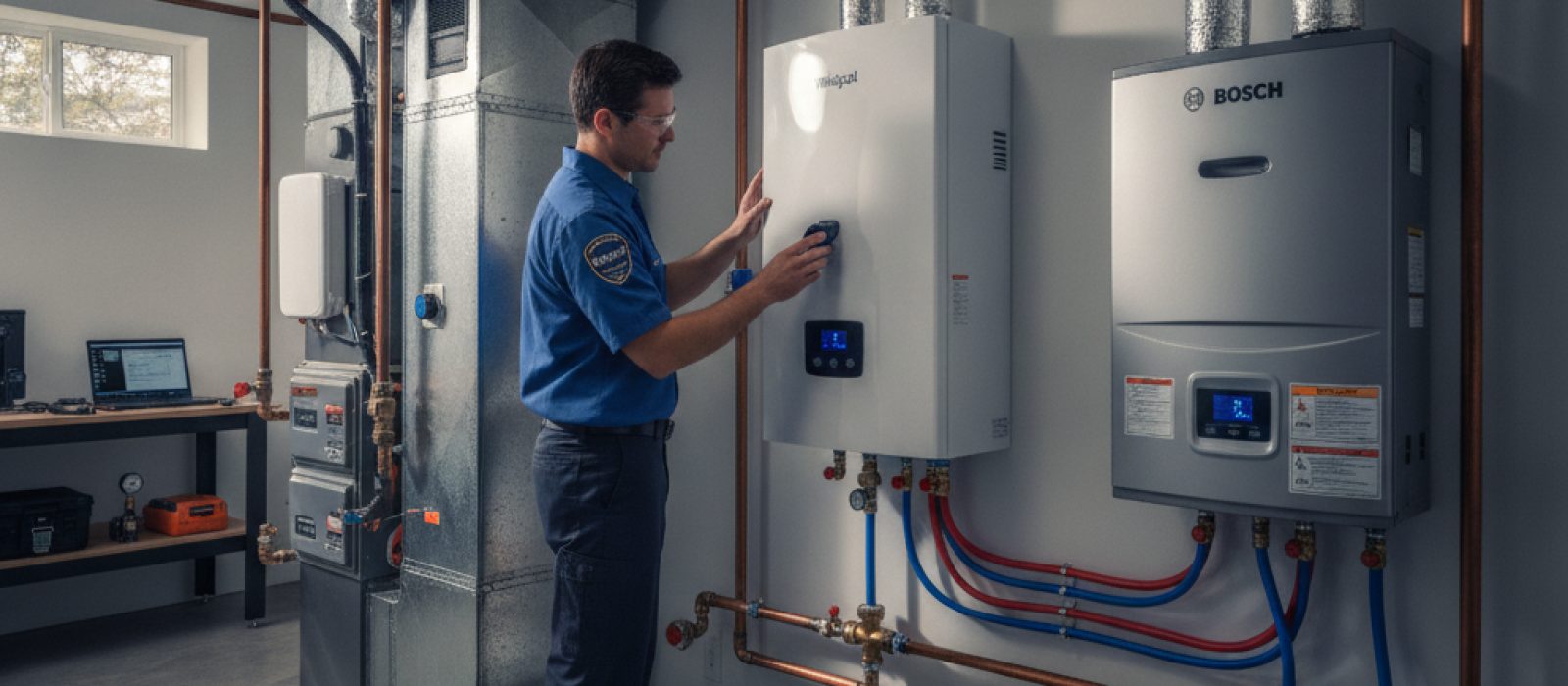
A practical guide to understanding the operational differences, maintenance needs, and common troubleshooting steps for Whirlpool and Bosch water heaters.
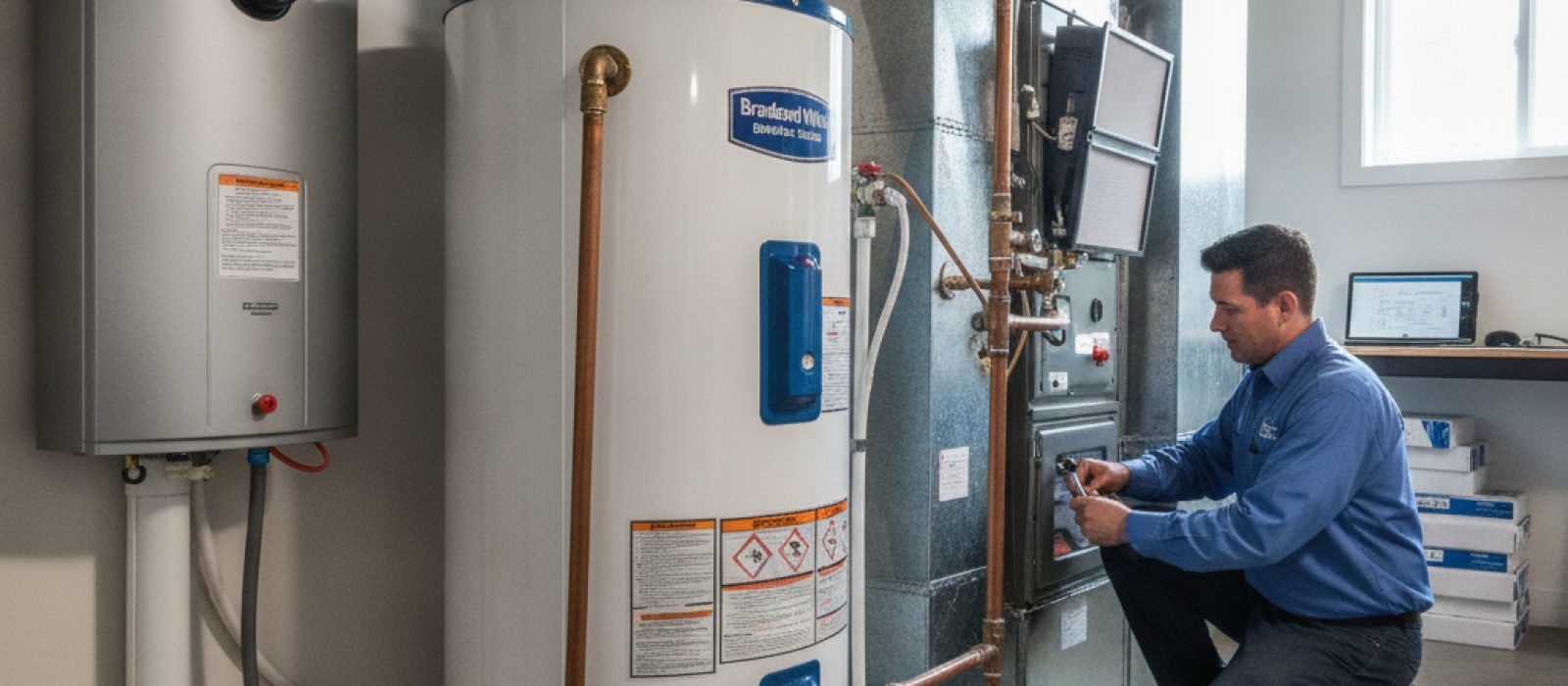
Learn how to choose between 40 and 75-gallon Bradford White water heaters and understand which model fits your home's hot water demands.
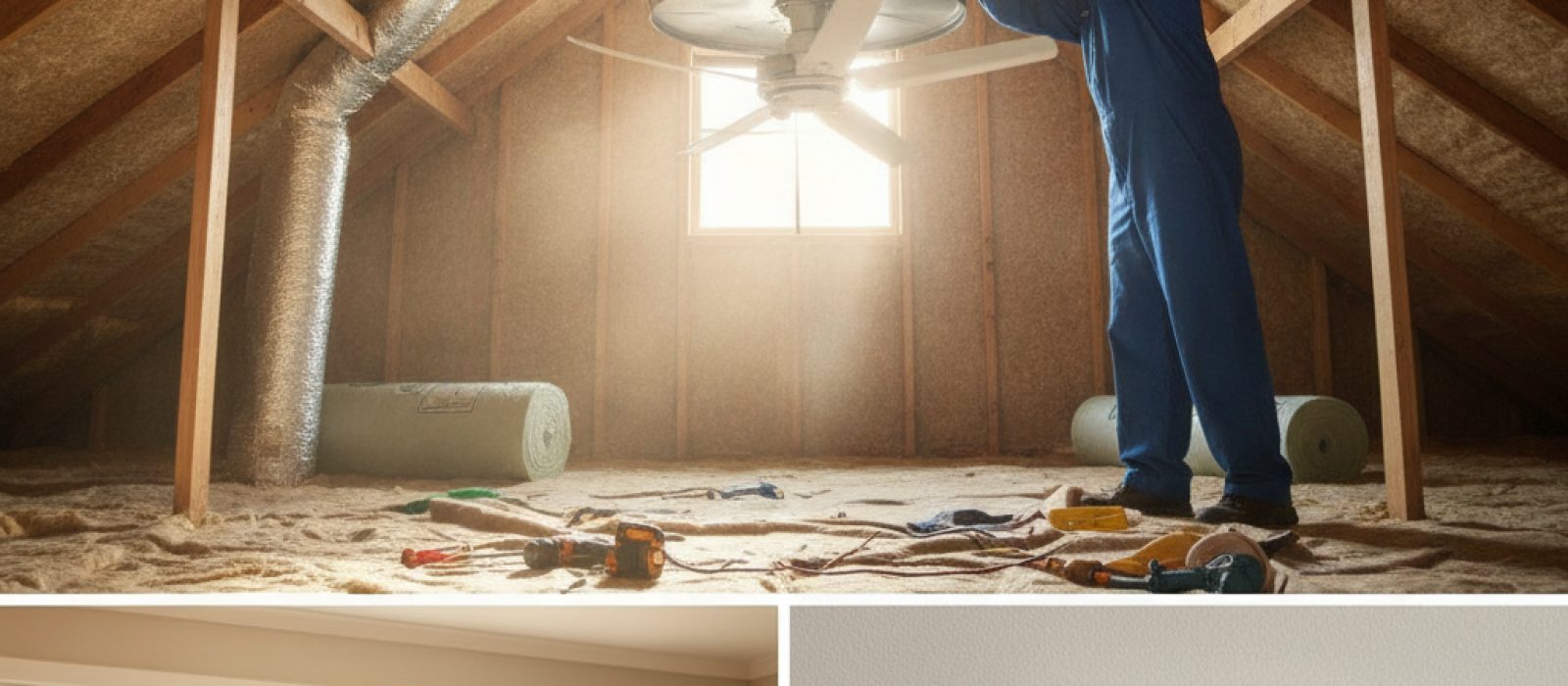
Learn how attic fans manage thermal buildup, the factors influencing installation costs, and the critical mistakes to avoid for a balanced home system.
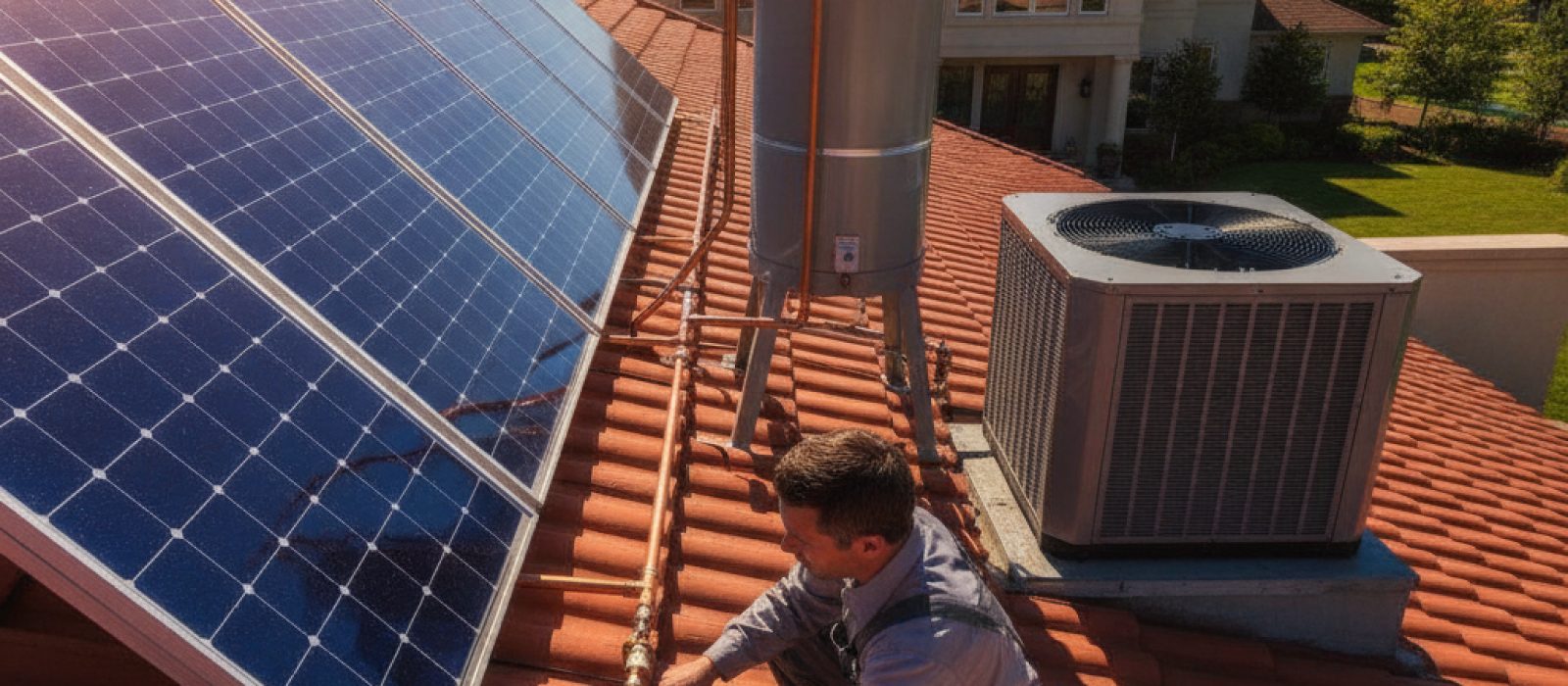
Understand the mechanics, efficiency benefits, and practical considerations of installing a solar-powered water heating system in your home.
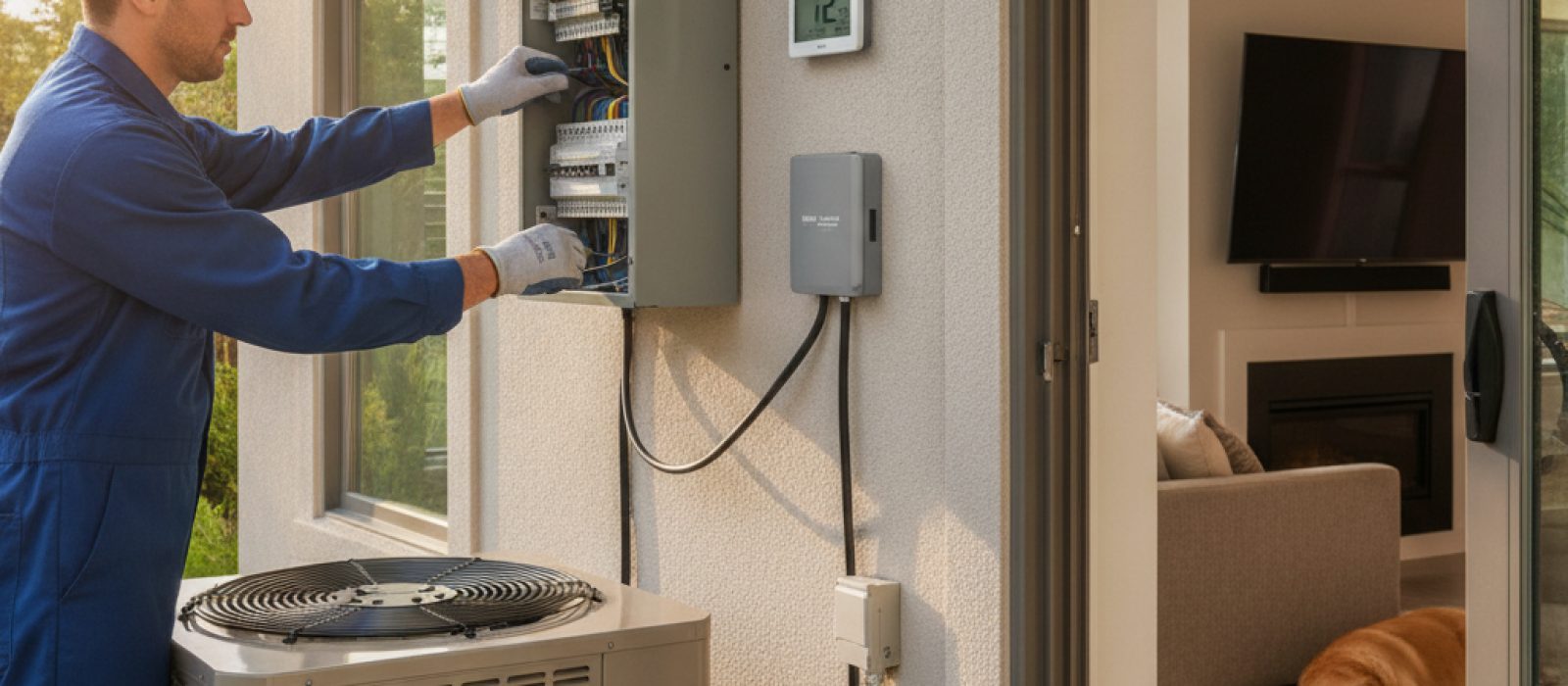
Learn how whole-house surge protectors safeguard sensitive HVAC equipment and home electronics from damaging power spikes and electrical surges.
Be the first to comment.