
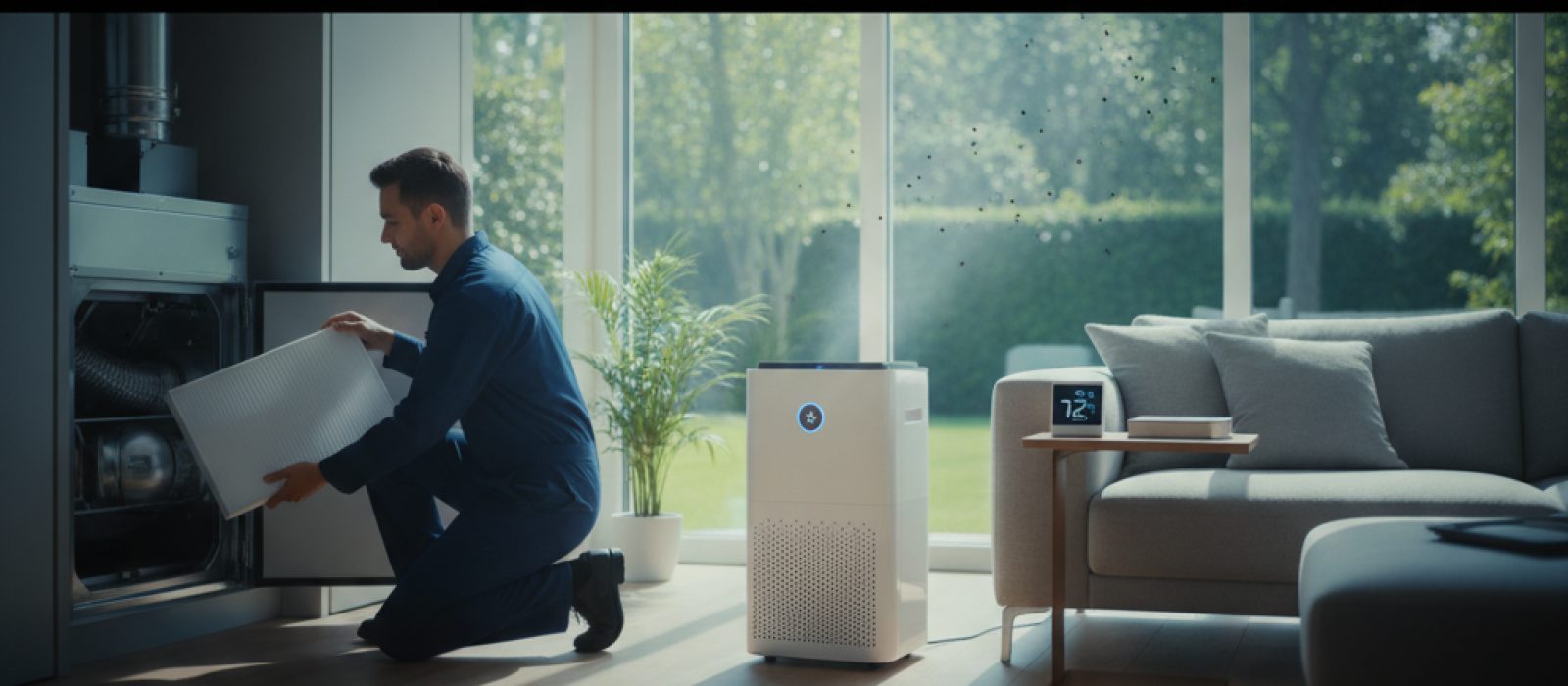
HEPA Air Cleaners for Allergies: What Actually Works
Learn how HEPA air cleaners function, their limitations in home environments, and how to effectively manage indoor air quality for allergy relief.
4 min read

When purchasing a home, the HVAC system is often overlooked during the excitement of the closing process. Air ducts serve as the lungs of the house, circulating conditioned air through every room. If these pathways contain accumulated dust, debris, or construction remnants, indoor air quality can be compromised immediately upon moving in.
Evaluating the state of your ductwork is a proactive measure that supports long-term equipment health. Proper airflow is essential for the efficiency of your heating and cooling systems, and clean ducts prevent contaminants from being redistributed throughout your living space.
Before hiring a professional, you can perform a basic visual assessment. Start by removing several register covers throughout the home. Using a flashlight, look into the ductwork to see if there is visible debris, thick dust buildup, or signs of moisture.
If you notice significant debris, it is time to consider professional Air Duct Cleaning. This service typically involves specialized tools designed to dislodge stubborn particles and vacuum them out of the system entirely.
Beyond cleanliness, the physical state of the ducts matters. Leaky ductwork forces your HVAC unit to work harder, reducing energy efficiency and potentially drawing in air from unconditioned spaces like attics or crawlspaces. During your move-in phase, look for disconnected joints or visible gaps in the duct runs located in accessible areas.
If you suspect the system has leaks, consider scheduling a professional assessment for Ductwork Services. Licensed technicians can verify if the system is properly sealed, which prevents the intake of attic dust and moisture, ensuring that your Indoor Air Quality remains high throughout the year.
A poorly maintained duct system often creates a ripple effect throughout your HVAC equipment. If you notice that some rooms are significantly warmer or cooler than others, or if the system seems to struggle to reach the thermostat setting, the ductwork may be obstructed or undersized.
While scheduling a checkup, it is also a good time to look into Maintenance & Tune-up services. A professional can evaluate the overall health of your furnace or air conditioner, ensuring that the airflow provided by your clean ducts is being utilized by a system functioning at peak capacity.
While homeowners can safely inspect registers and replace air filters, deep cleaning the internal ductwork requires industrial-grade vacuum equipment and specialized agitation tools. Attempting to clean deep into the duct runs with household tools can damage the interior lining or push debris further into the system, potentially harming the blower motor or the heat exchanger.
Professional technicians follow strict protocols to ensure that debris is contained rather than released into the home. They also verify that the cleaning process does not disturb or damage sensitive HVAC components. Always prioritize working with licensed contractors who adhere to industry standards for safety and cleanliness.
Once you have moved in and verified the state of your ducts, establish a routine for maintaining air quality. The most critical step is changing your air filters regularly according to the manufacturer’s recommendations. This practice prevents dust from entering the duct system in the first place.
If you suffer from allergies or sensitivities, consider supplemental Indoor Air Quality solutions. Many homeowners benefit from whole-home air purification systems or high-efficiency media filters that capture smaller particles than standard filters. Integrating these with a clean duct system provides a comprehensive approach to home health.
When selecting a company for duct cleaning, focus on transparency and expertise. A reputable provider will perform a thorough walk-through of the home before providing an estimate. They should be willing to explain the process, the equipment used, and the expected outcomes based on the specific type of ductwork in your home.
Avoid companies that offer suspiciously low "whole-home" flat rates, as these often lead to "upselling" tactics once the technicians are on-site. Instead, seek contractors who provide clear, itemized assessments. Quality service is an investment in your home’s infrastructure and the health of its occupants.
Learn how HEPA air cleaners function, their limitations in home environments, and how to effectively manage indoor air quality for allergy relief.
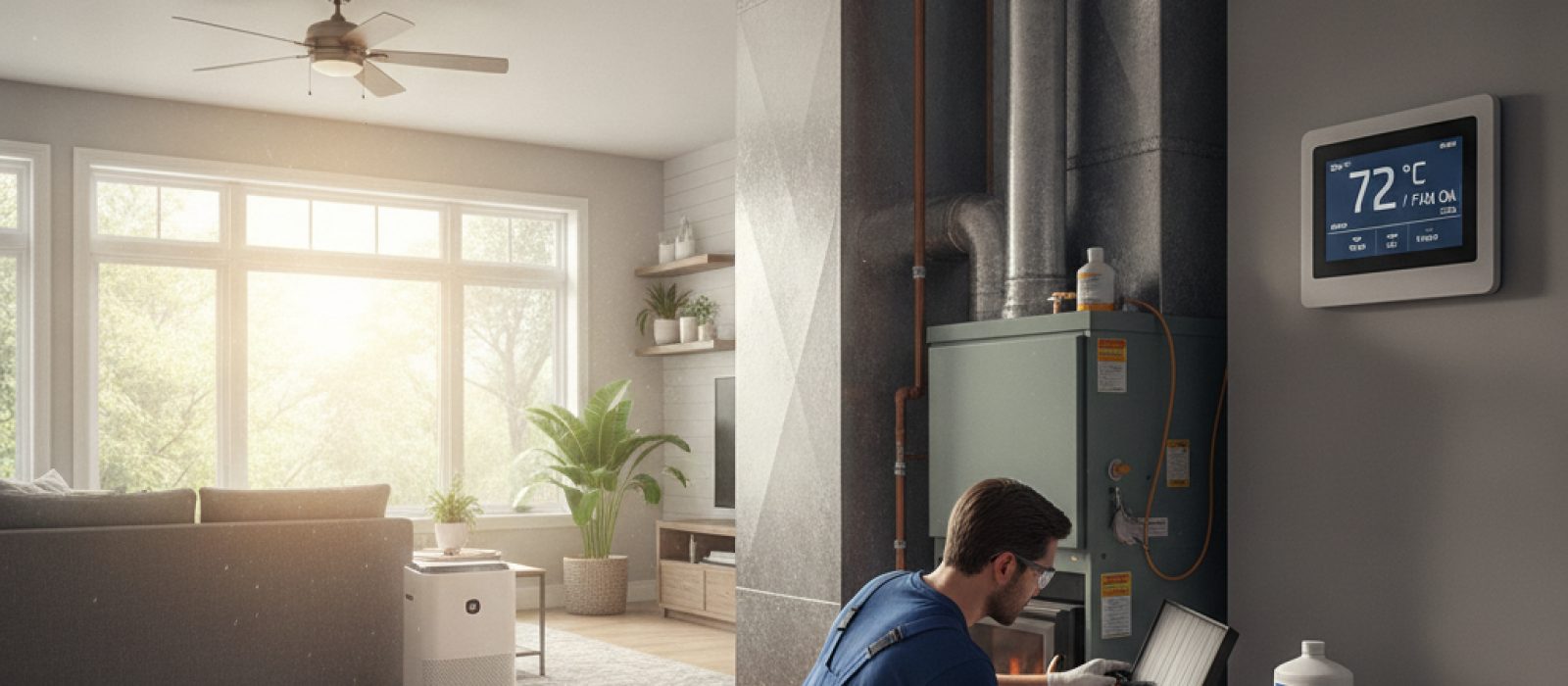
Learn to identify common indoor pollutants and discover practical, effective strategies to improve the air quality within your home.
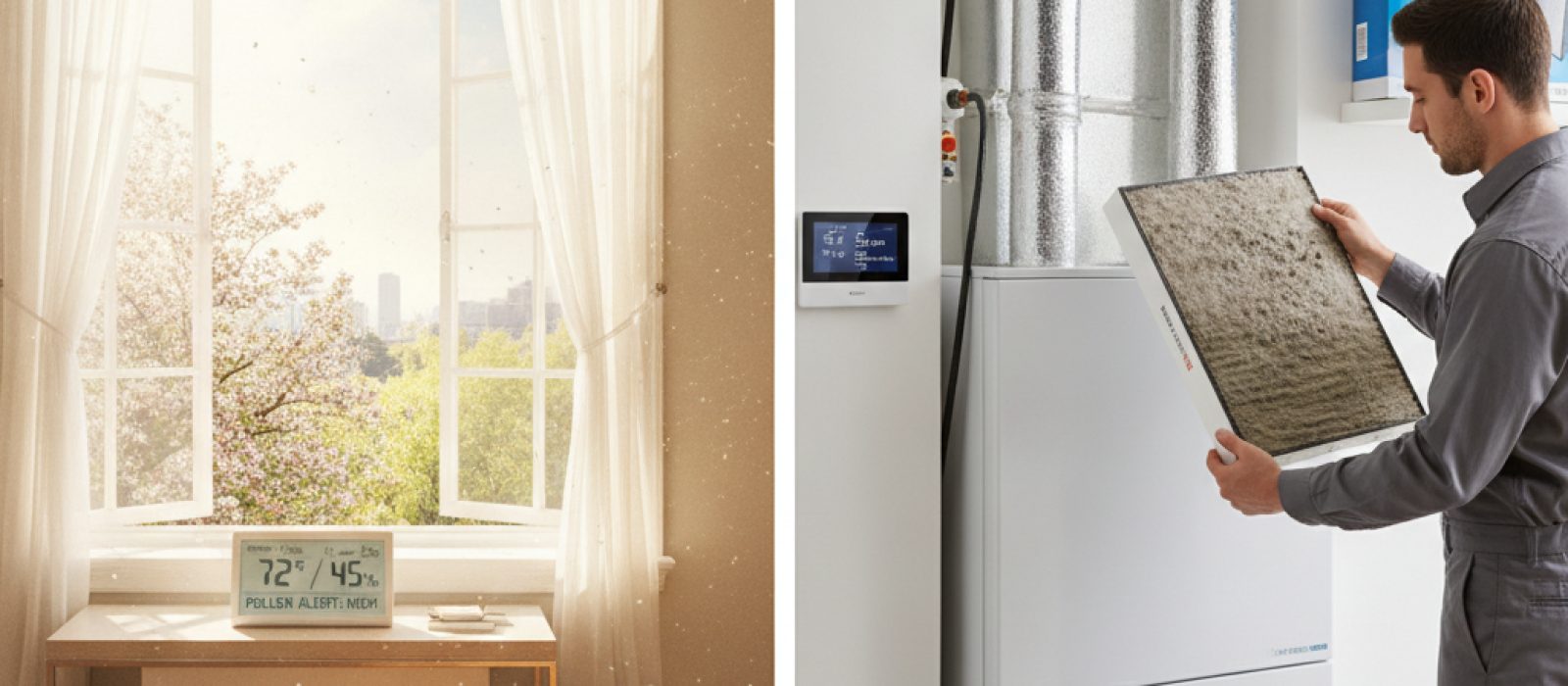
Learn the balance between natural ventilation and mechanical filtration to maintain optimal indoor air quality in your home.
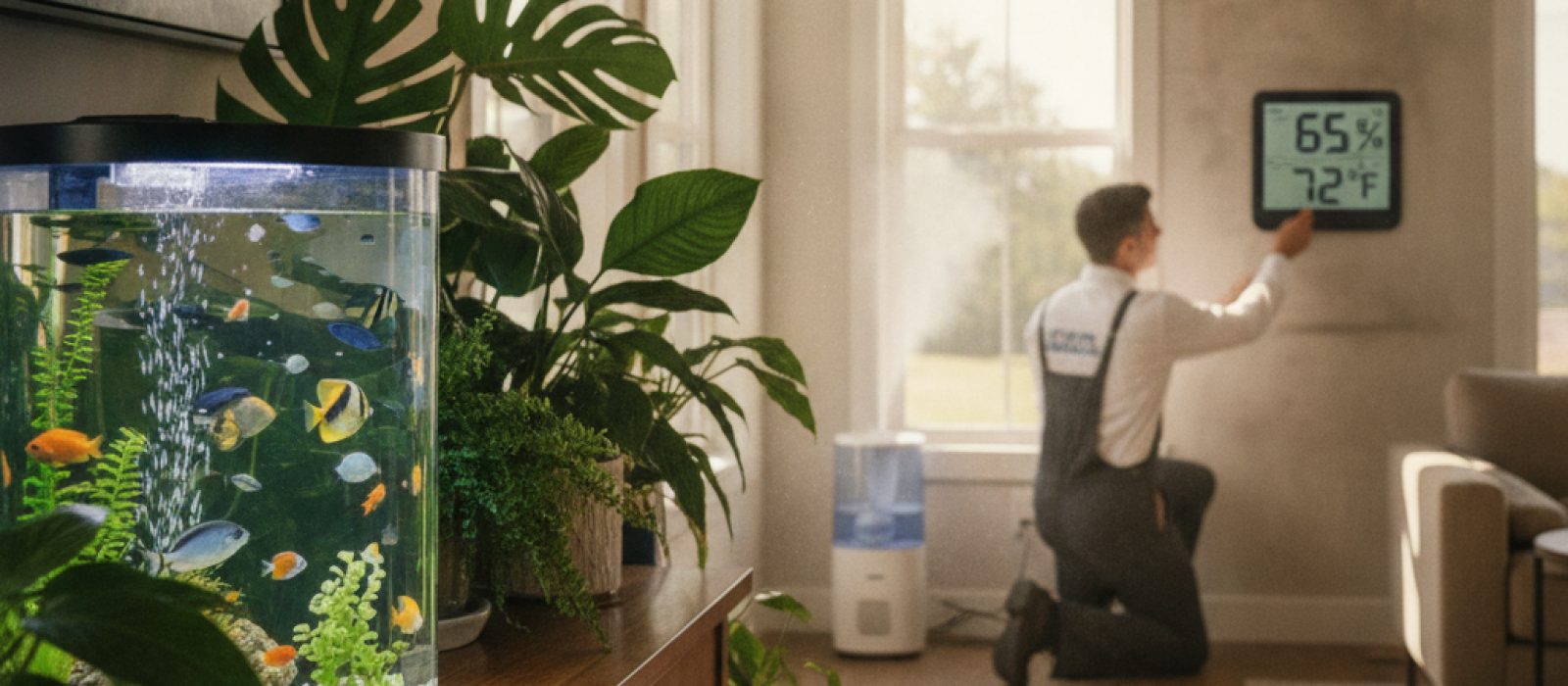
Learn how common household features like aquariums and plants impact indoor air quality and how to manage the resulting humidity levels effectively.

Discover how holiday traditions impact your home's indoor air quality and learn practical steps to maintain a healthy breathing environment this winter.
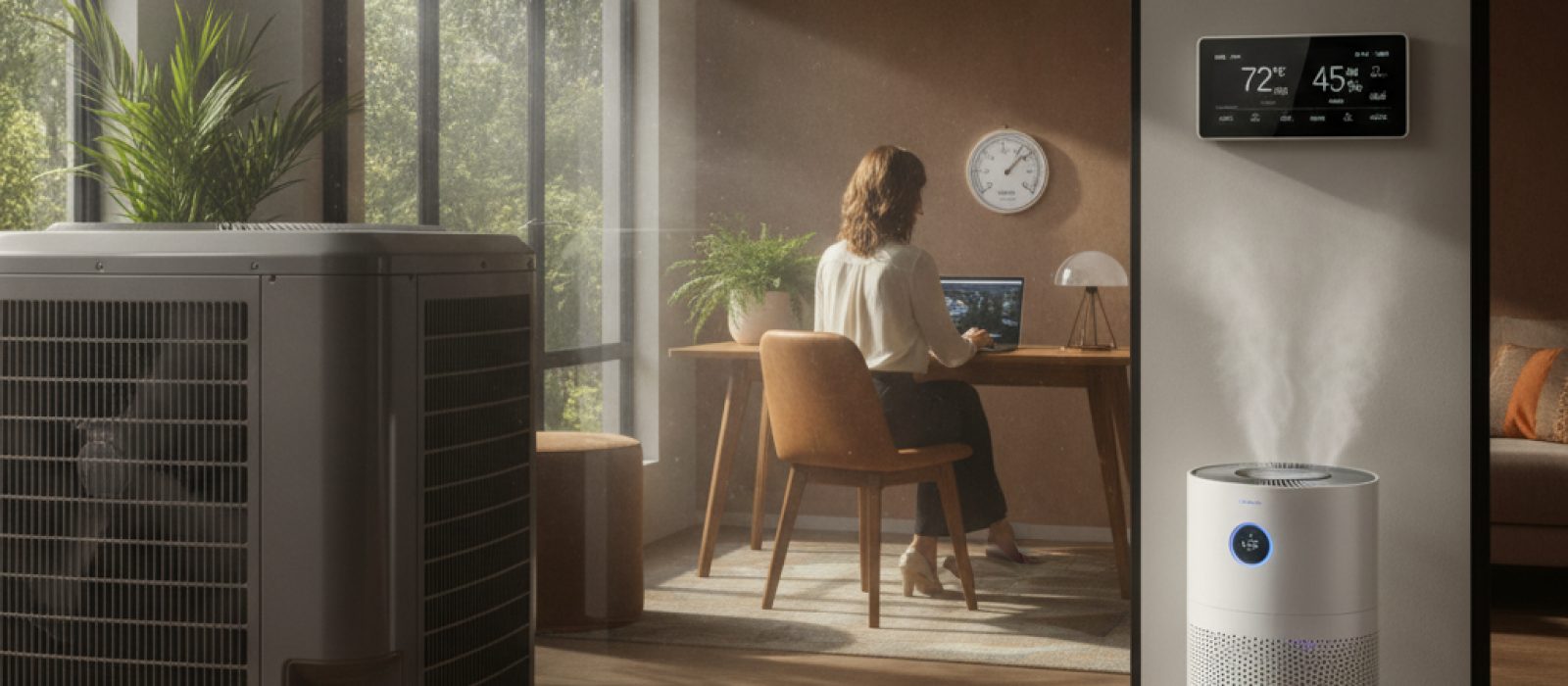
Improve productivity and health by optimizing the indoor air quality of your home office through ventilation, filtration, and humidity control.
Be the first to comment.