
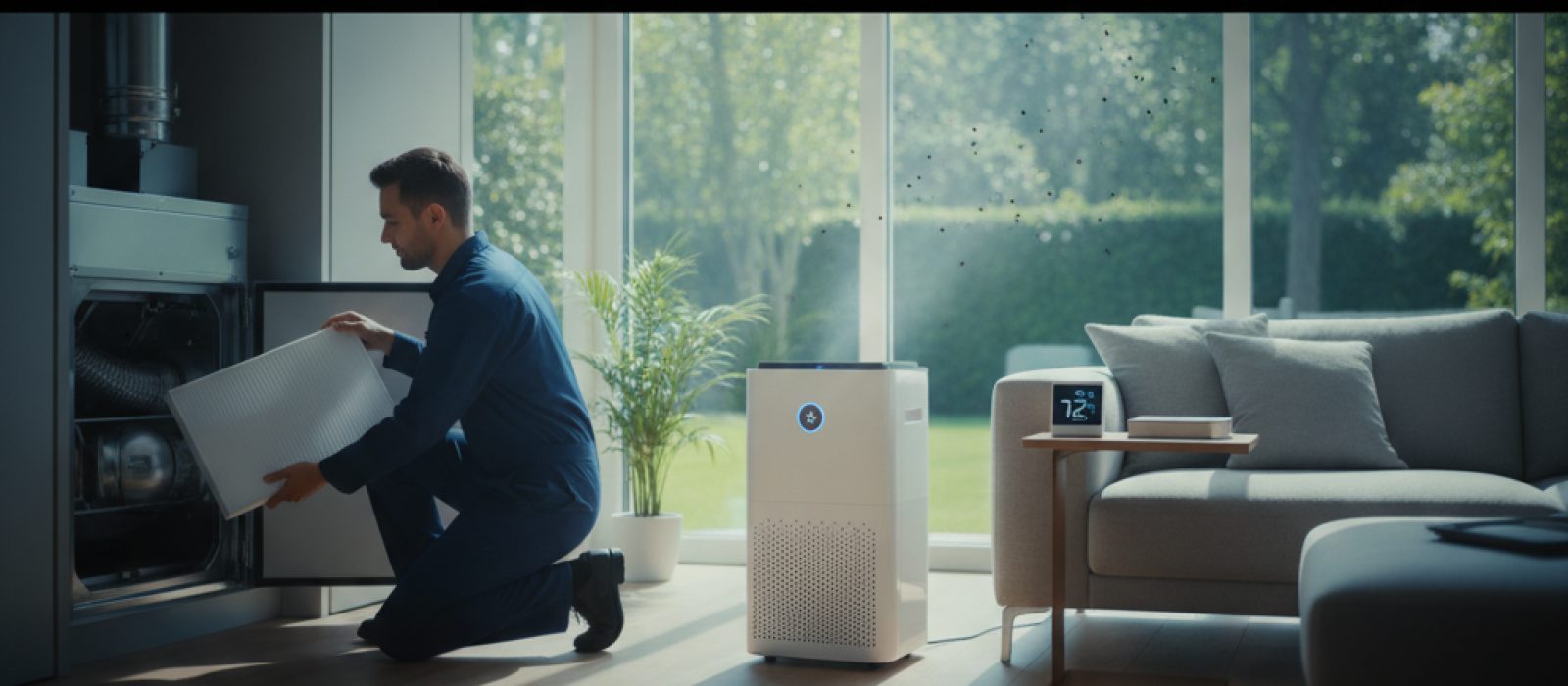
HEPA Air Cleaners for Allergies: What Actually Works
Learn how HEPA air cleaners function, their limitations in home environments, and how to effectively manage indoor air quality for allergy relief.
4 min read

Air duct cleaning is a mechanical process designed to remove physical debris, dust, and particulate matter from the interior surfaces of your HVAC system's supply and return ducts. This process typically involves the use of specialized tools, such as high-powered vacuums, rotating brushes, and compressed air, to dislodge buildup from the walls of the ductwork.
The primary goal of this service is to improve the efficiency of your airflow and reduce the amount of dust circulating throughout your living space. Over time, household dust, pet dander, and construction debris can settle within the duct system, potentially restricting airflow and forcing your heating and cooling equipment to work harder than necessary. Regular Air Duct Cleaning serves as a preventative measure to keep your HVAC system operating at its intended capacity.
Air duct sanitizing is a chemical-based treatment applied after the ductwork has been thoroughly cleaned. Unlike cleaning, which focuses on physical removal, sanitizing aims to neutralize biological contaminants such as mold spores, bacteria, and fungi that may be present on the duct surfaces.
Sanitizing agents must be registered for use in HVAC systems by environmental regulatory agencies. These products are designed to kill or inhibit the growth of microbial life. It is important to note that sanitizing is ineffective if the ducts are not cleaned first; applying a chemical treatment over thick layers of dust and debris will simply trap the contaminants beneath the chemical layer, failing to address the source of the biological concern.
Most residential systems do not require regular sanitizing. If your home's air quality is generally good and your family members do not suffer from unexplained respiratory issues, mechanical cleaning is usually sufficient. Sanitizing is typically reserved for specific situations where biological growth is evident.
Attempting to sanitize your own ductwork is strongly discouraged. HVAC systems are complex, and the improper application of chemical agents can result in the chemicals being distributed throughout your home's living areas, potentially causing respiratory irritation or damage to sensitive system components.
A qualified HVAC professional will follow rigorous safety protocols. This includes ensuring the HVAC system is turned off during the application process to prevent the chemical mist from being blown into the living space prematurely. They will also verify that the specific product used is compatible with the materials found in your ductwork, such as galvanized steel, fiberglass, or flexible duct liners.
Improving the environment inside your home often requires more than just focusing on the ducts. If you are concerned about your home's overall health, it is often beneficial to look at Indoor Air Quality as a comprehensive system. This might include upgrading your filtration system, addressing humidity levels, or installing air purification technology.
If you find that your system is struggling, a professional Maintenance & Tune-up can reveal whether your air quality issues are related to the ducts or if the problem lies with the furnace or air conditioner components themselves. Ensuring the entire system is functioning correctly is the most effective way to maintain long-term air quality.
Before committing to either service, request a visual inspection. A reputable technician should be able to show you the condition of your ducts using a specialized camera or by removing a few registers. If there is no significant dust accumulation or visible microbial growth, you may not require either service at this time.
If you suspect that your HVAC system is contributing to health concerns, consider a holistic approach. Beyond cleaning and sanitizing, ensure that your return air pathways are clear and that your filters are being changed on a schedule appropriate for your home environment. If you continue to experience issues, consulting with a professional regarding Heating Services or cooling system efficiency may help identify if the issue is systemic or localized to the ductwork.
Learn how HEPA air cleaners function, their limitations in home environments, and how to effectively manage indoor air quality for allergy relief.
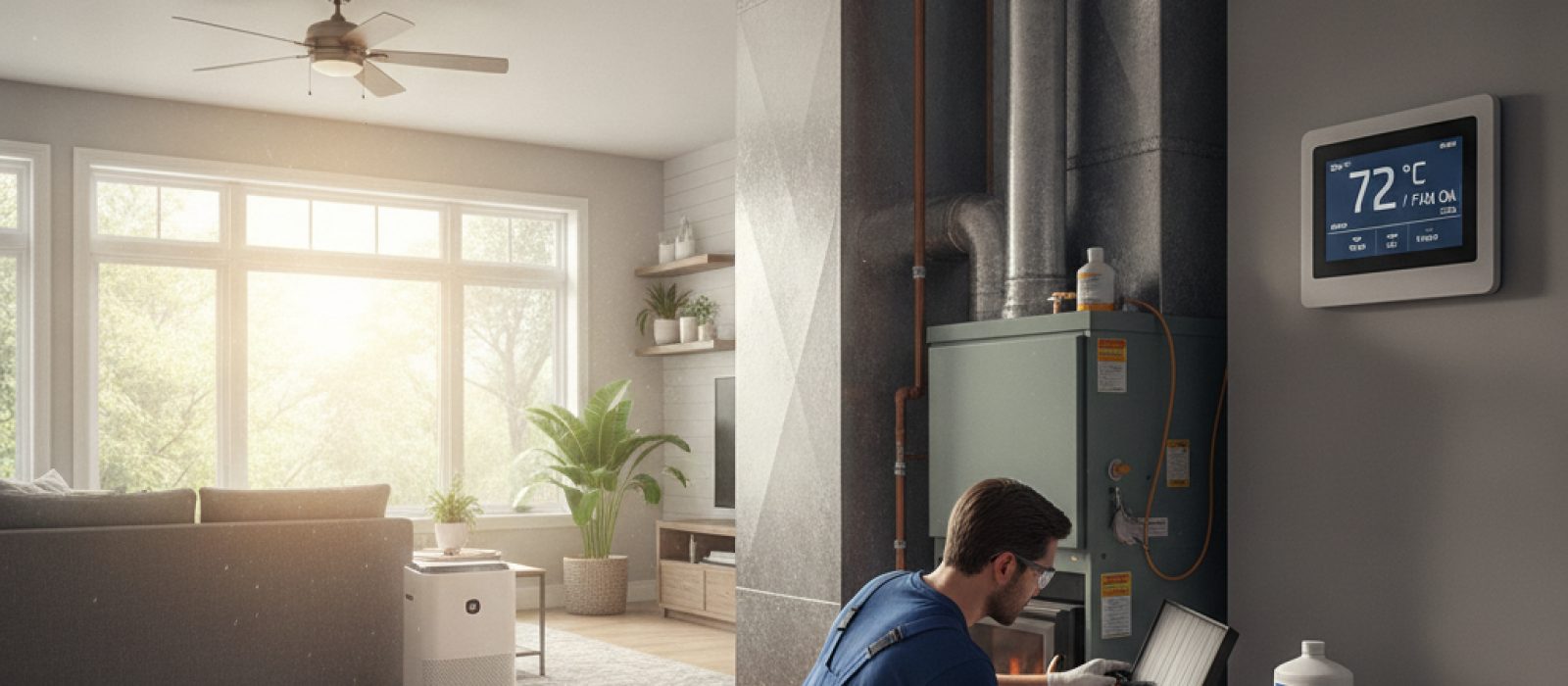
Learn to identify common indoor pollutants and discover practical, effective strategies to improve the air quality within your home.
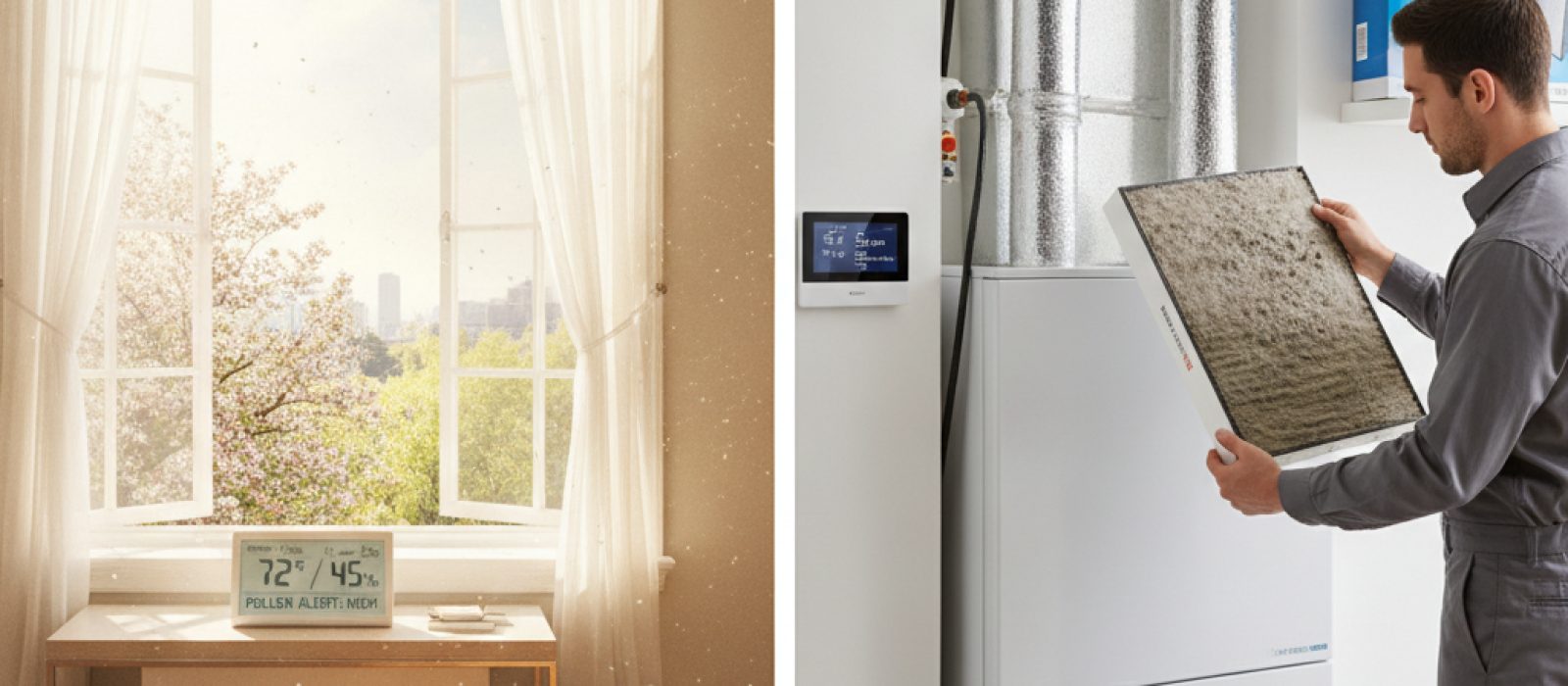
Learn the balance between natural ventilation and mechanical filtration to maintain optimal indoor air quality in your home.
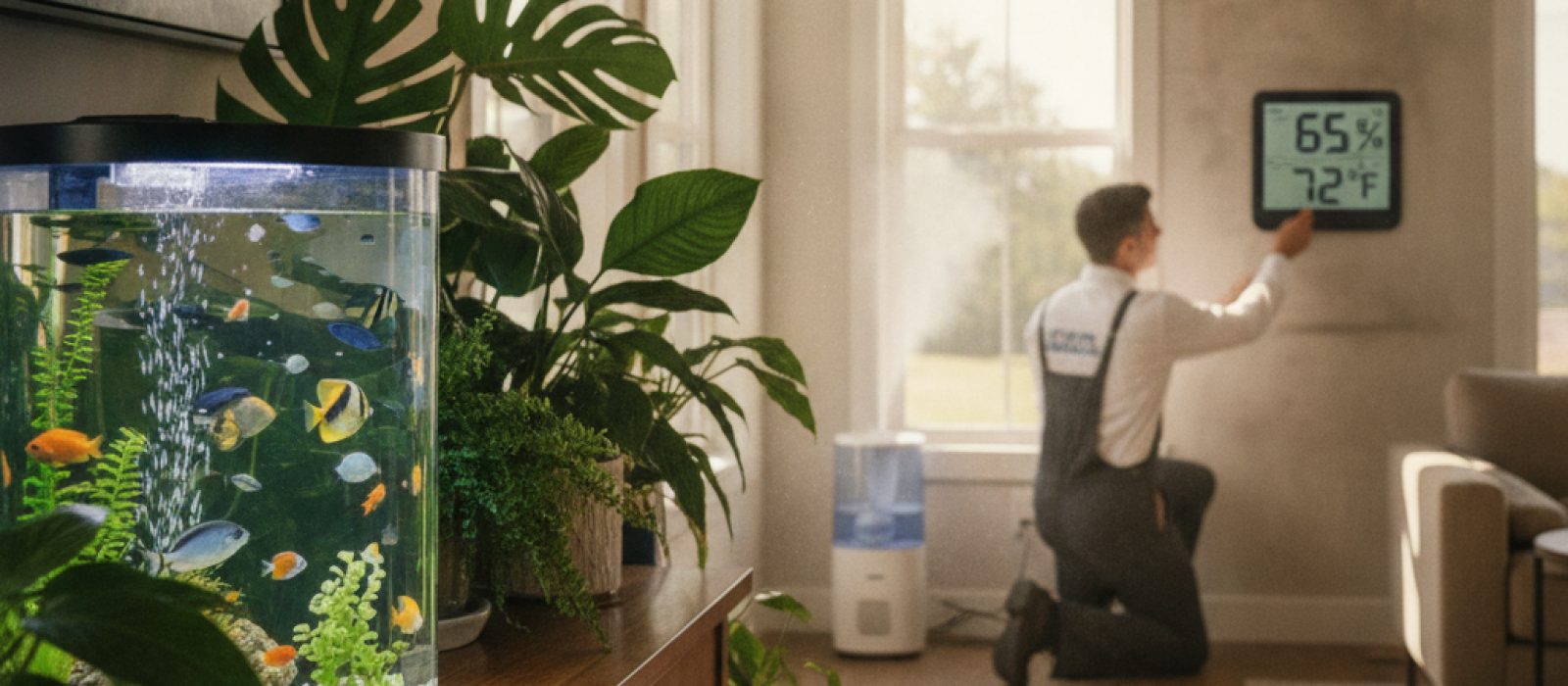
Learn how common household features like aquariums and plants impact indoor air quality and how to manage the resulting humidity levels effectively.
Discover how holiday traditions impact your home's indoor air quality and learn practical steps to maintain a healthy breathing environment this winter.
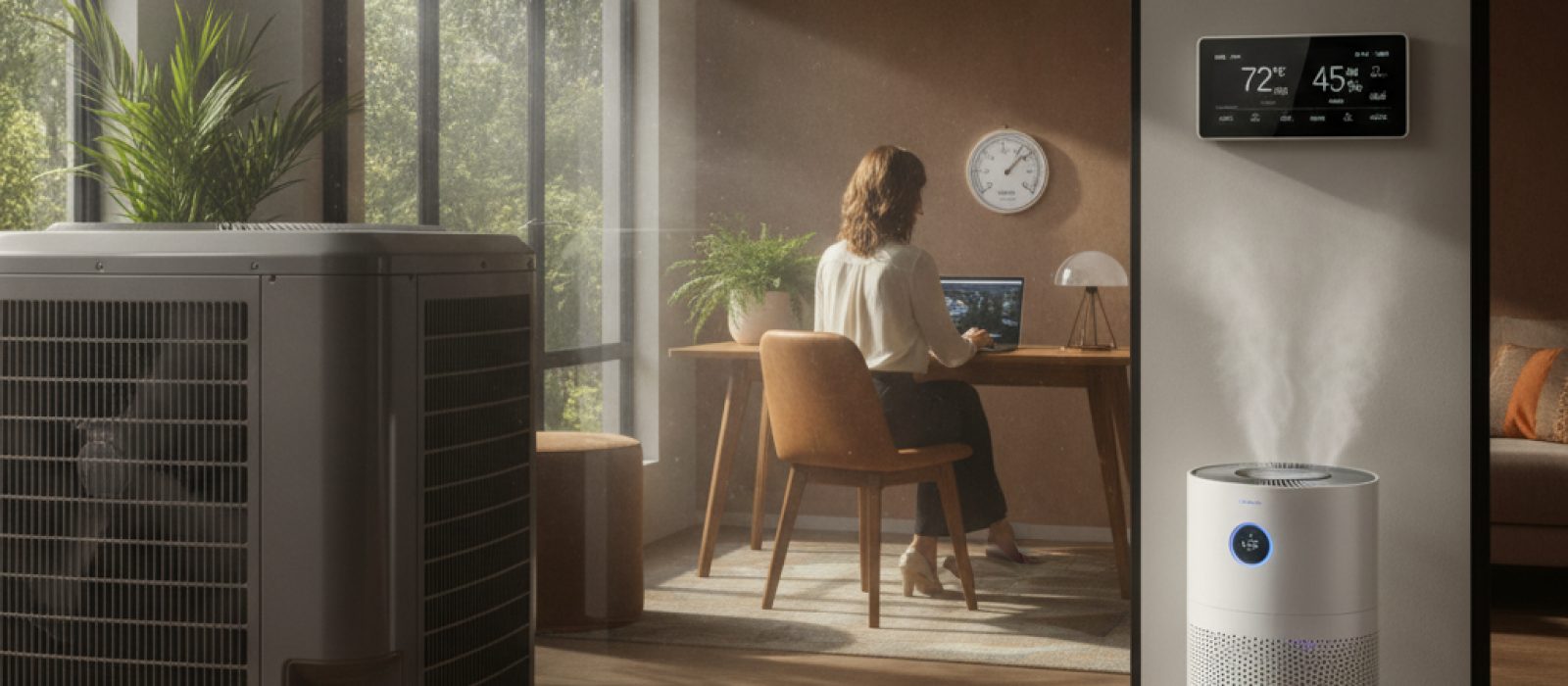
Improve productivity and health by optimizing the indoor air quality of your home office through ventilation, filtration, and humidity control.
Be the first to comment.