
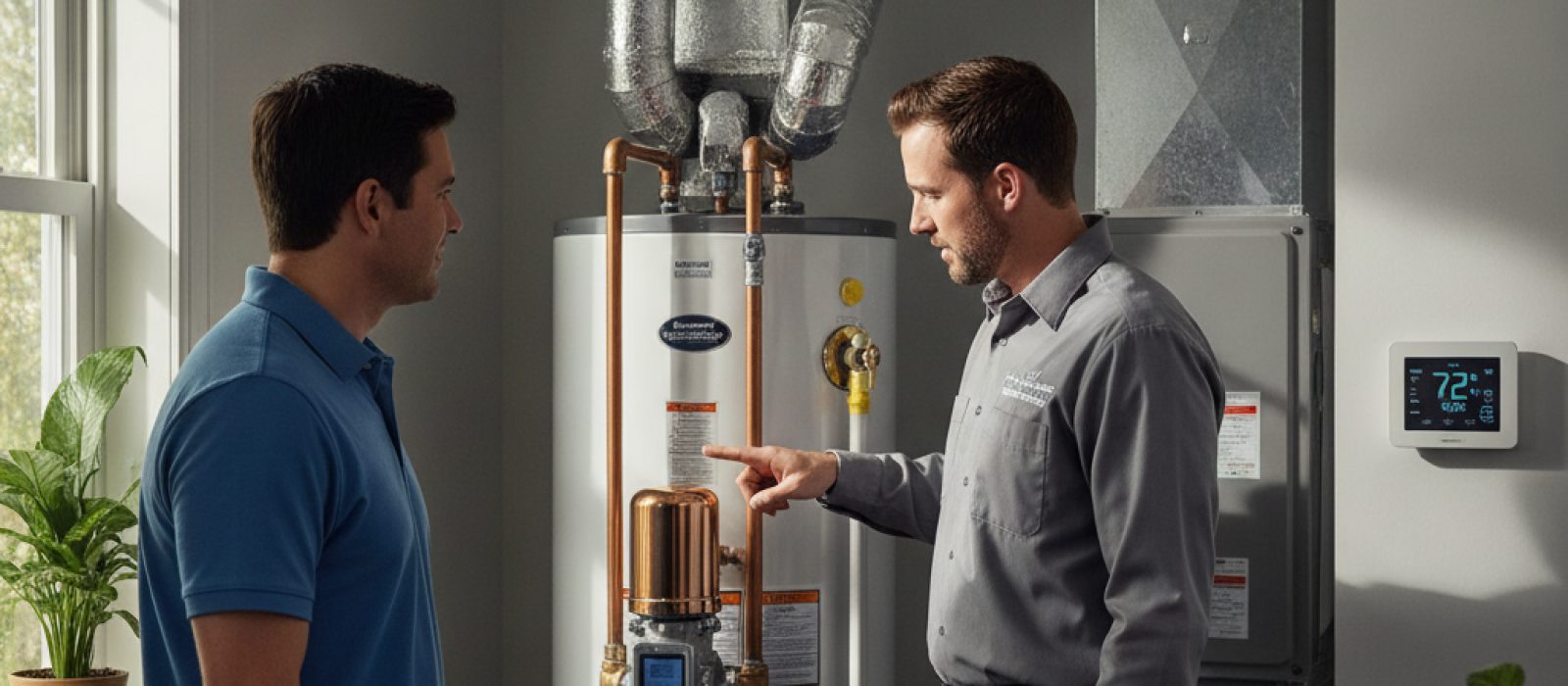
Hot Water Recirculating Pumps: How They Work and What They Cost
Learn how hot water recirculating pumps provide instant hot water, the different installation types, and the factors that influence overall project costs.
4 min read

Tankless water heaters, often referred to as on-demand systems, operate by heating water only when a tap is opened. Instead of maintaining a large reservoir of hot water, these units utilize high-powered gas burners or electric heating elements to heat water as it flows through a heat exchanger. This design eliminates standby energy loss, which occurs in traditional storage tanks when water cools down while sitting idle.
For households with high occupancy or intermittent high-demand periods, the primary advantage is the ability to provide a continuous supply of hot water. However, performance is dictated by the flow rate, measured in gallons per minute. If the system is undersized for the home's total fixture count, users may experience a drop in temperature or pressure when multiple showers or appliances are running simultaneously.
Heat pump water heaters, also known as hybrid electric water heaters, utilize a different approach to energy efficiency. Rather than generating heat directly through resistance, these units function like a refrigerator in reverse. They extract heat from the surrounding ambient air, compress it to increase the temperature, and transfer that heat into the water stored in an integrated tank.
Because they move heat rather than creating it, these systems are significantly more efficient than standard electric resistance heaters. They are particularly effective in climates where the ambient air temperature remains moderate, as the unit requires a consistent heat source to function optimally. During routine Maintenance & Tune-up visits, technicians often check the intake air filters and condensate lines, as these components are vital for the efficient operation of heat pump systems.
The decision between these two technologies often hinges on a home's existing fuel source and long-term utility goals. Tankless systems are frequently preferred in homes with natural gas service, as the high thermal output of gas burners allows for rapid heating. In contrast, heat pump models are typically electric, making them a strategic choice for homeowners looking to transition away from fossil fuels or those currently using standard electric resistance water heaters.
Operational costs fluctuate based on regional utility rates and usage patterns. While a tankless system prevents energy waste during periods of inactivity, a heat pump system offers superior efficiency while the unit is actively heating water. Homeowners should evaluate their household's hot water consumption habits; those with low, sporadic usage may find greater benefits from the efficiency of a tankless model, while high-volume households might benefit from the sustained output of a properly sized heat pump.
Tankless units are compact and wall-mounted, which can free up significant floor space in utility closets or basements. However, the installation process is complex. Gas-fired tankless units require proper venting and, in many cases, an upgrade to the existing gas piping to handle the high BTU demand of the system. If the home's infrastructure is outdated, Plumbing Services professionals may need to perform extensive retrofitting before the new unit can be safely installed.
Heat pump water heaters occupy a larger footprint, similar to traditional tank-style heaters. They also require adequate clearance for airflow, as the unit must draw in surrounding air to function. Because they extract heat from the room, they also have a cooling and dehumidifying effect on the space where they are installed. This can be an advantage in a hot garage or utility room, but it may be undesirable in colder climates where the unit is located within the conditioned living space.
Both system types require specialized care to maintain performance. Tankless water heaters are susceptible to mineral scale buildup within the heat exchanger, especially in areas with hard water. Periodic flushing with a descaling solution is necessary to prevent clogs and ensure the unit continues to operate at its rated efficiency. Failure to descale can lead to premature failure of the heat exchanger.
Heat pump water heaters require attention to the air filtration system. If dust or debris blocks the intake, the heat pump compressor must work harder, increasing energy consumption and potentially causing mechanical wear. Additionally, owners must monitor the sacrificial anode rod, which prevents internal tank corrosion. If you are uncertain about the condition of your current system, scheduling Energy Efficient Solutions consultations can help identify if your home is ready for a high-efficiency upgrade.
Homeowners can perform basic visual inspections, such as checking for leaks or ensuring the area around the unit is free of obstructions. However, any work involving gas lines, electrical circuitry, or refrigerant systems must be performed by a licensed professional. Improper installation or maintenance can lead to safety hazards, including carbon monoxide leaks from improperly vented gas units or electrical shorts in high-voltage water heaters. If you require assistance with your existing system or are considering a replacement, contacting Water Heaters specialists ensures that the installation meets local building codes and manufacturer specifications.
Learn how hot water recirculating pumps provide instant hot water, the different installation types, and the factors that influence overall project costs.
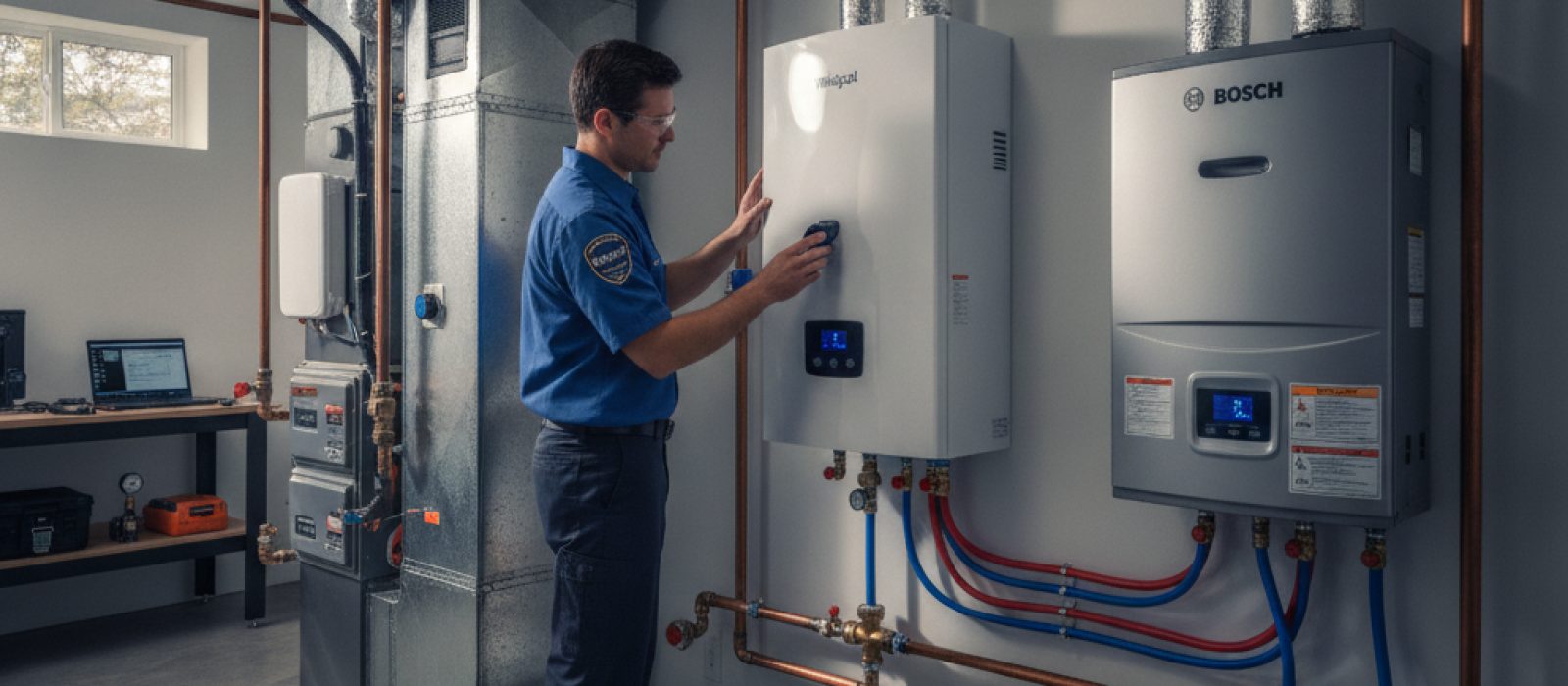
A practical guide to understanding the operational differences, maintenance needs, and common troubleshooting steps for Whirlpool and Bosch water heaters.
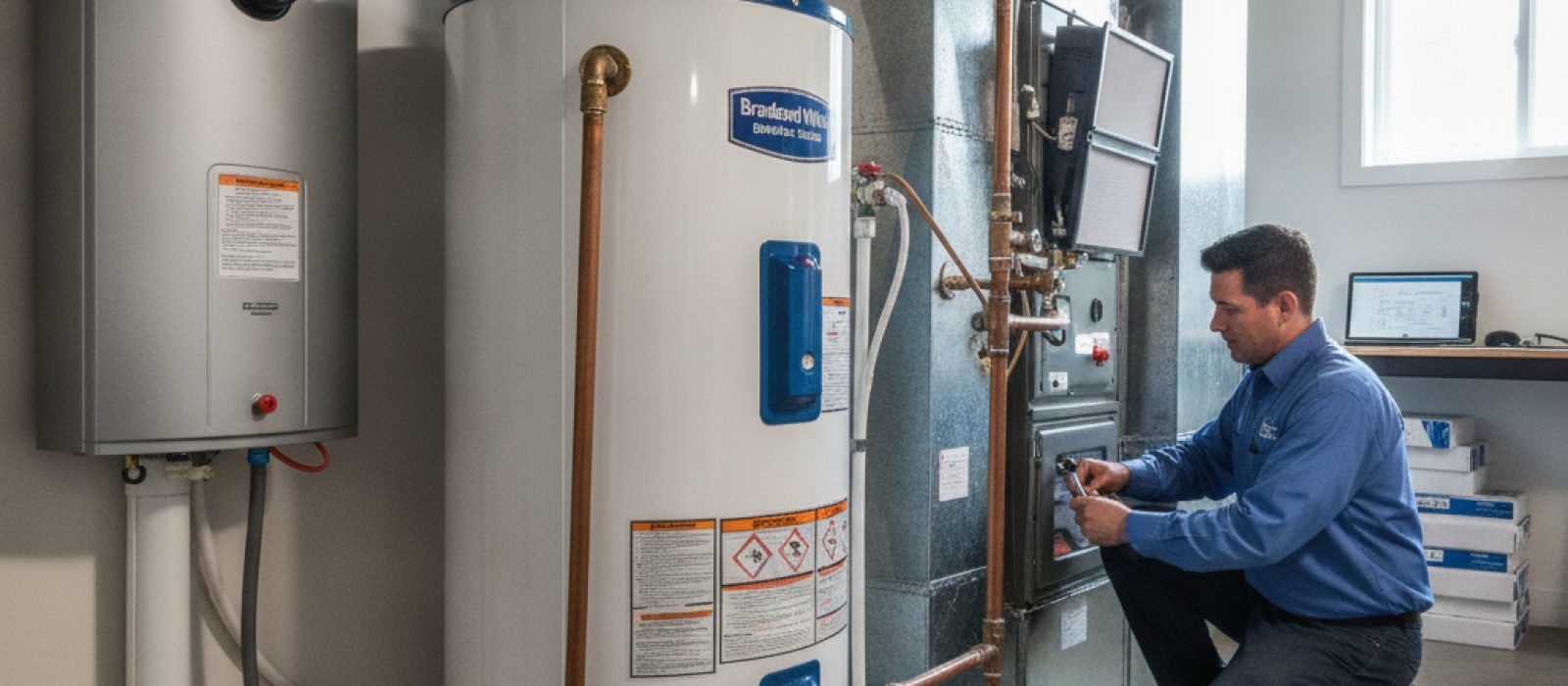
Learn how to choose between 40 and 75-gallon Bradford White water heaters and understand which model fits your home's hot water demands.
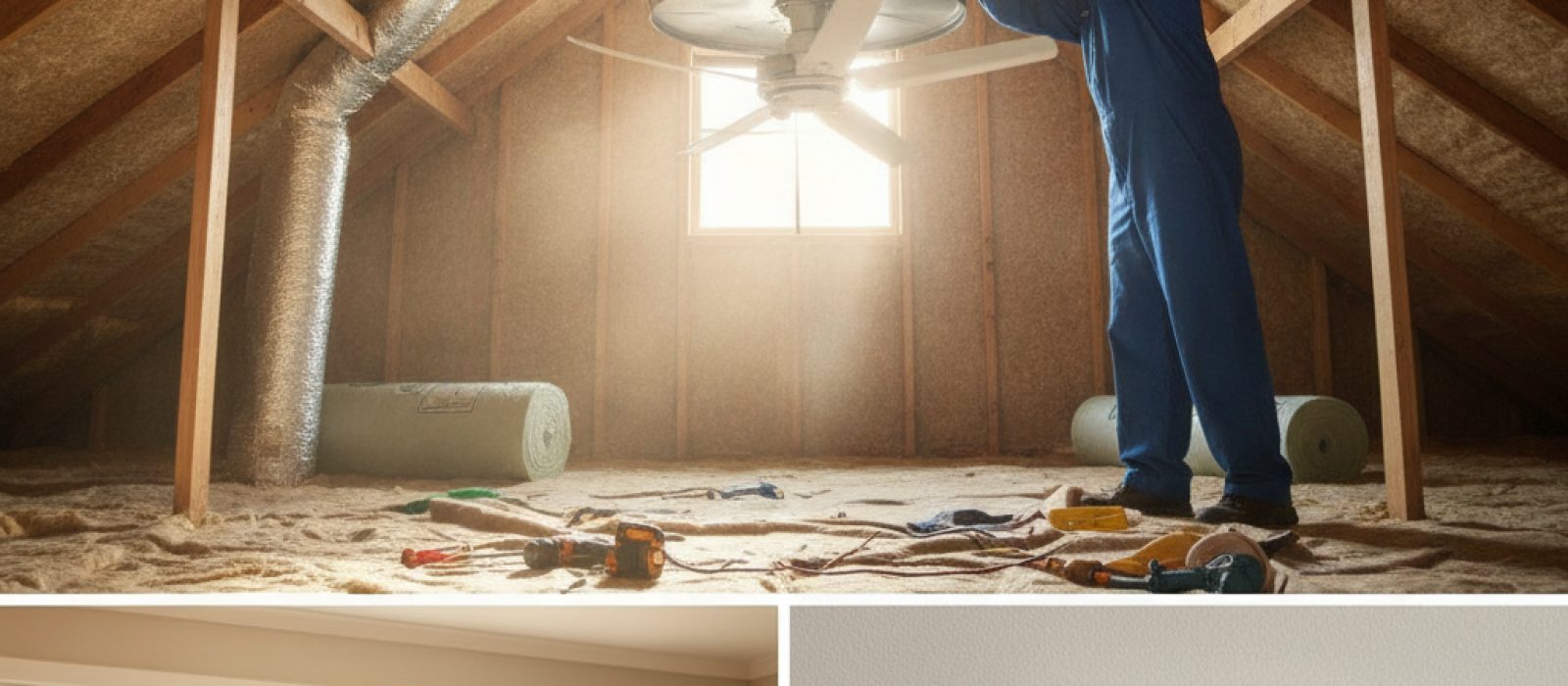
Learn how attic fans manage thermal buildup, the factors influencing installation costs, and the critical mistakes to avoid for a balanced home system.
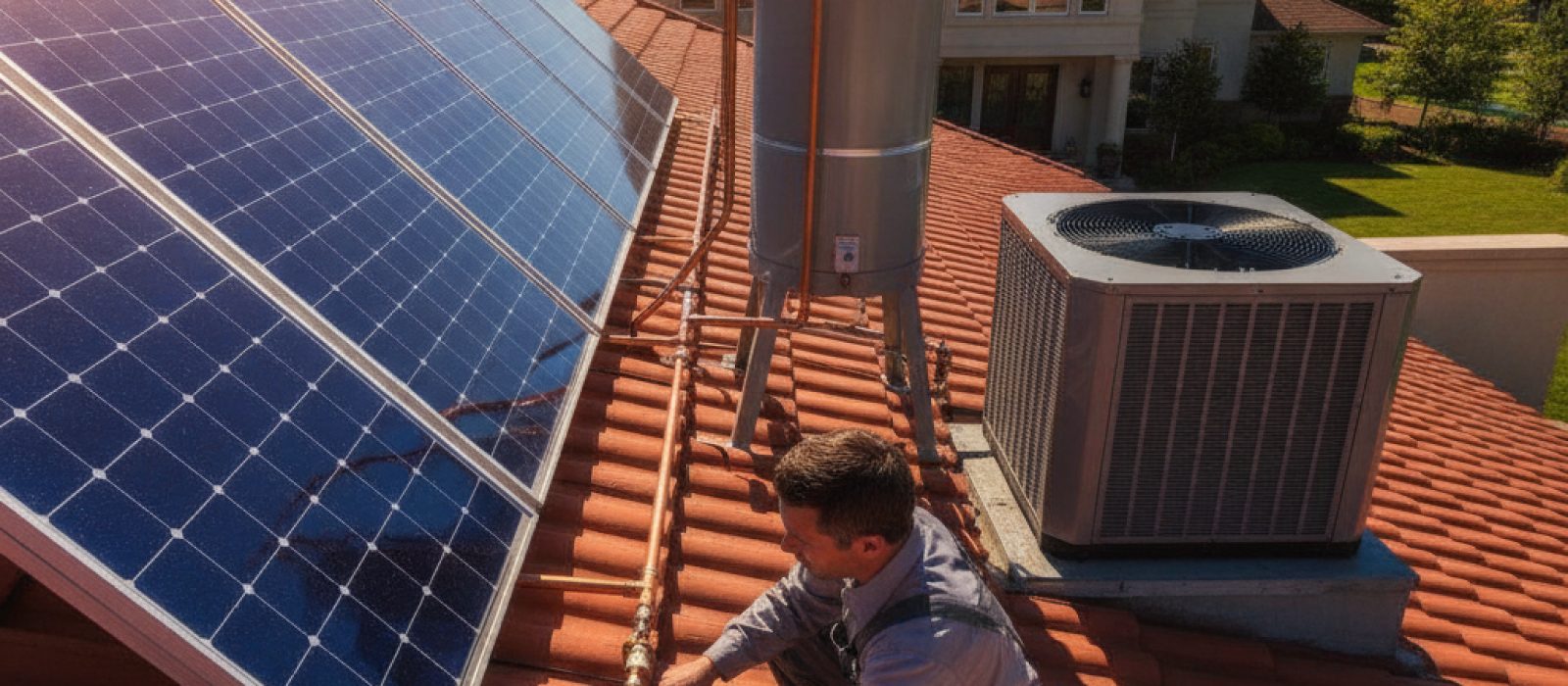
Understand the mechanics, efficiency benefits, and practical considerations of installing a solar-powered water heating system in your home.
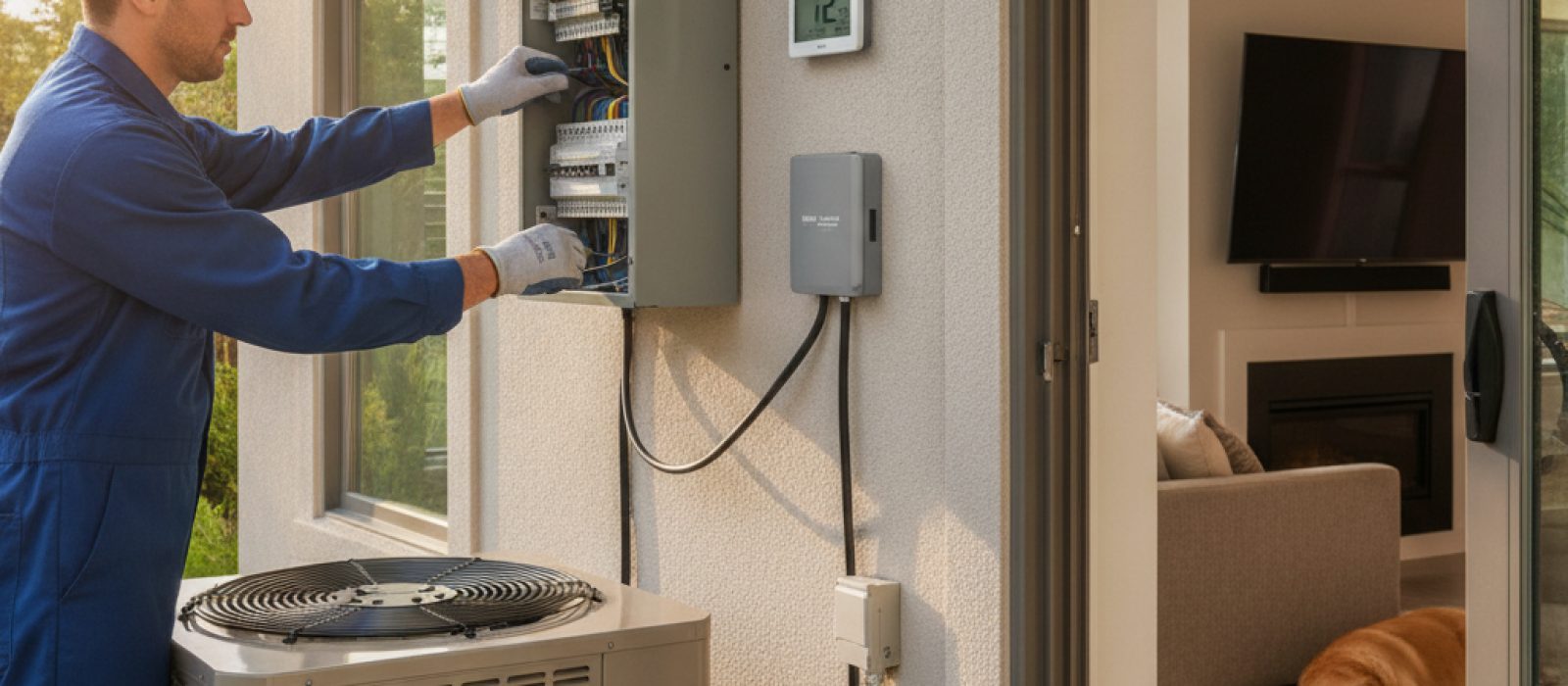
Learn how whole-house surge protectors safeguard sensitive HVAC equipment and home electronics from damaging power spikes and electrical surges.
Be the first to comment.