
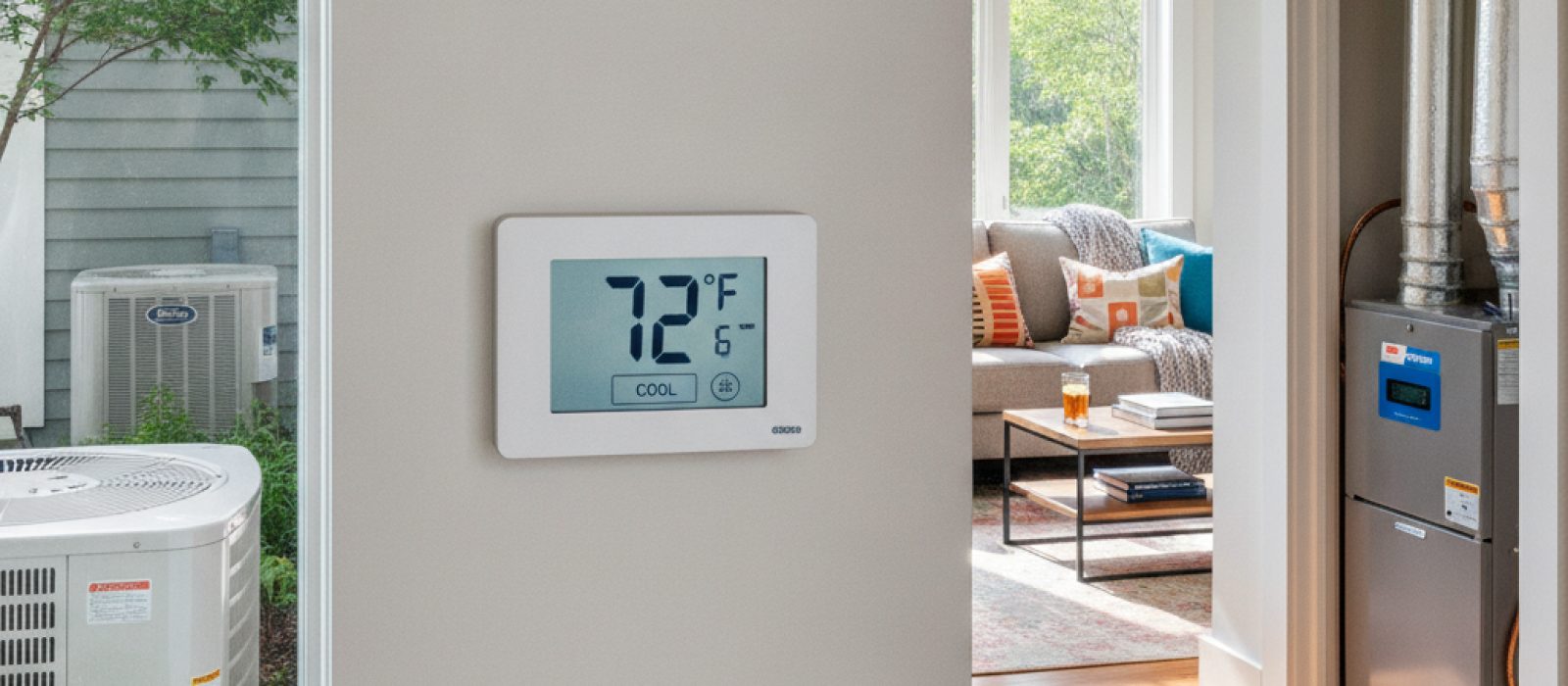
York, Ruud, Bryant and American Standard HVAC: Brand Overview
A guide to understanding the cooling technology and reliability of four major HVAC manufacturers for U.S. homeowners.
4 min read

Attic fans serve a specific purpose in home cooling: they reduce the extreme temperatures that accumulate in crawl spaces during summer months. When an attic traps stagnant, superheated air, it radiates heat down into the living quarters, forcing the air conditioning system to work significantly harder. By installing a powered attic fan, homeowners can exhaust this trapped heat, allowing the insulation to perform more effectively.
Proper attic ventilation is not merely about temperature control; it is also about moisture management. Excess humidity in an attic can lead to structural decay and compromised building materials. When evaluating these systems, consider that they work best in conjunction with adequate intake vents, such as soffit vents, which allow cooler exterior air to replace the hot air being exhausted.
A whole-house fan operates on a different principle than an attic fan. Installed in the ceiling of a central hallway, these high-volume fans pull cool air from outside through open windows and doors, forcing the warm, stagnant air out through the attic vents. This creates a rapid air exchange that can lower the temperature of interior surfaces and furniture, which often retain heat long after the sun goes down.
This method is highly effective during the evening and early morning hours when outdoor temperatures are lower than indoor temperatures. By flushing the home with fresh air, homeowners can often delay or eliminate the need for air conditioning during mild summer days. It is essential to ensure the home has sufficient window area open to allow for proper airflow; otherwise, the fan may create negative pressure, potentially drawing air from undesired locations like wall cavities or garages.
Installing or maintaining these systems often involves complex electrical work. Because these fans require dedicated circuits and proper wiring to handle high motor loads, any installation or repair should be performed by professionals who provide Electrical Services. Attempting to hardwire a fan without proper training poses a fire risk and may violate local building codes.
Furthermore, homeowners must ensure their attic ventilation capacity matches the size of the whole-house fan. If the attic exhaust capacity is insufficient, the positive pressure created by the fan can force humid air back into the house or cause damage to the ceiling structure. A professional assessment of current Ductwork Services and attic ventilation is a recommended step before installation to ensure the system functions safely and efficiently.
Like any mechanical system, fans require regular care to remain functional. Dust accumulation on fan blades can cause imbalance, leading to noise and premature motor failure. Periodically checking the belts, pulleys, and motor bearings ensures the fan operates quietly and efficiently.
Homeowners can safely perform basic visual inspections and clean accessible blades, but any issues involving the motor, wiring, or electrical switches should be addressed through Maintenance & Tune-up visits. Regular professional inspections help identify wear before it leads to a complete system failure during the peak of the cooling season.
Integrating natural cooling strategies can be a cornerstone of Energy Efficient Solutions. By reducing the overall cooling load on a home, fans extend the lifespan of primary cooling equipment. When the mechanical AC system is used less frequently, the wear and tear on compressors and coils are minimized, leading to more sustainable operation over the long term.
It is important to manage expectations regarding these systems. They are not a direct replacement for refrigerated air conditioning in high-humidity climates or during extreme heat waves. Instead, they act as a supplementary cooling strategy that thrives when used strategically during cooler parts of the day. Combining these natural ventilation techniques with a well-maintained HVAC system creates a balanced approach to indoor climate management.
A guide to understanding the cooling technology and reliability of four major HVAC manufacturers for U.S. homeowners.
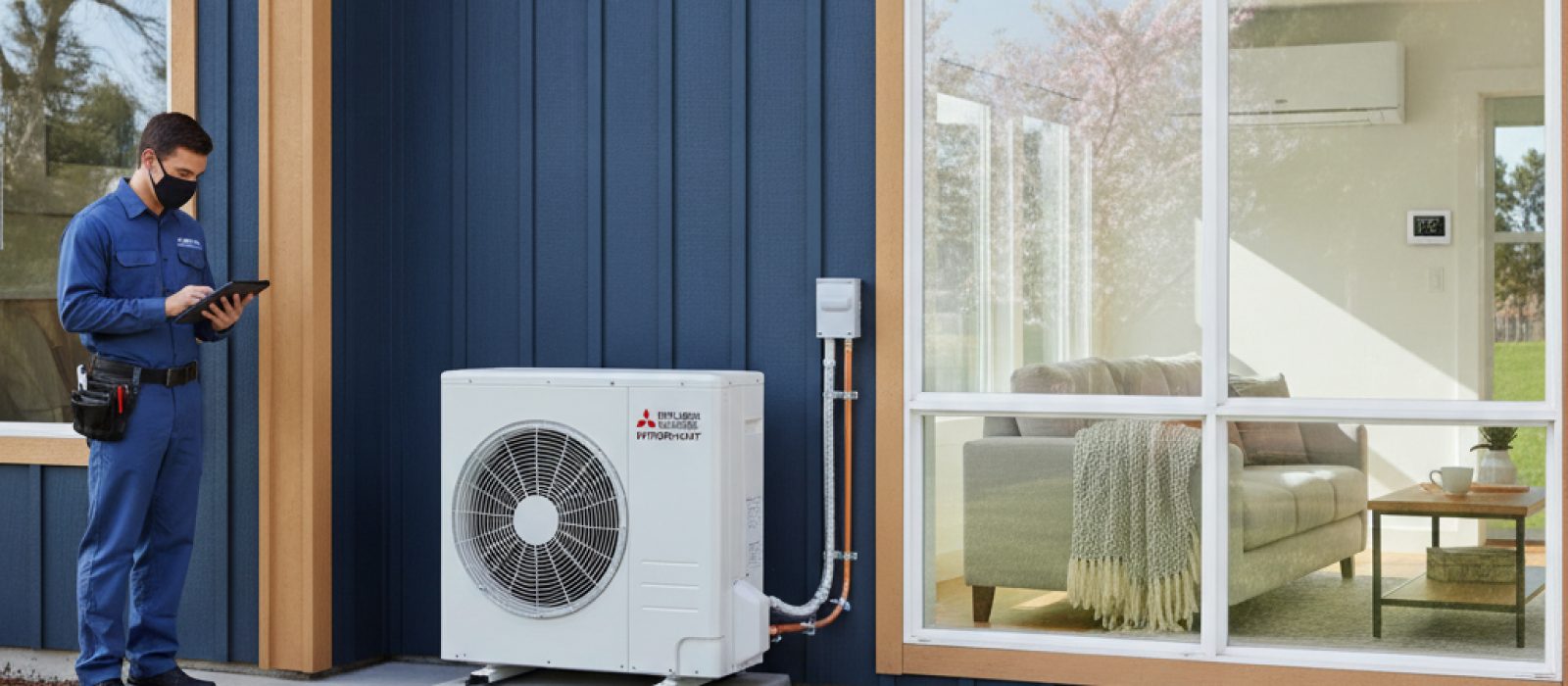
A comprehensive look at Mitsubishi mini-split technology and Hyper-Heat performance for year-round climate control in U.S. homes.
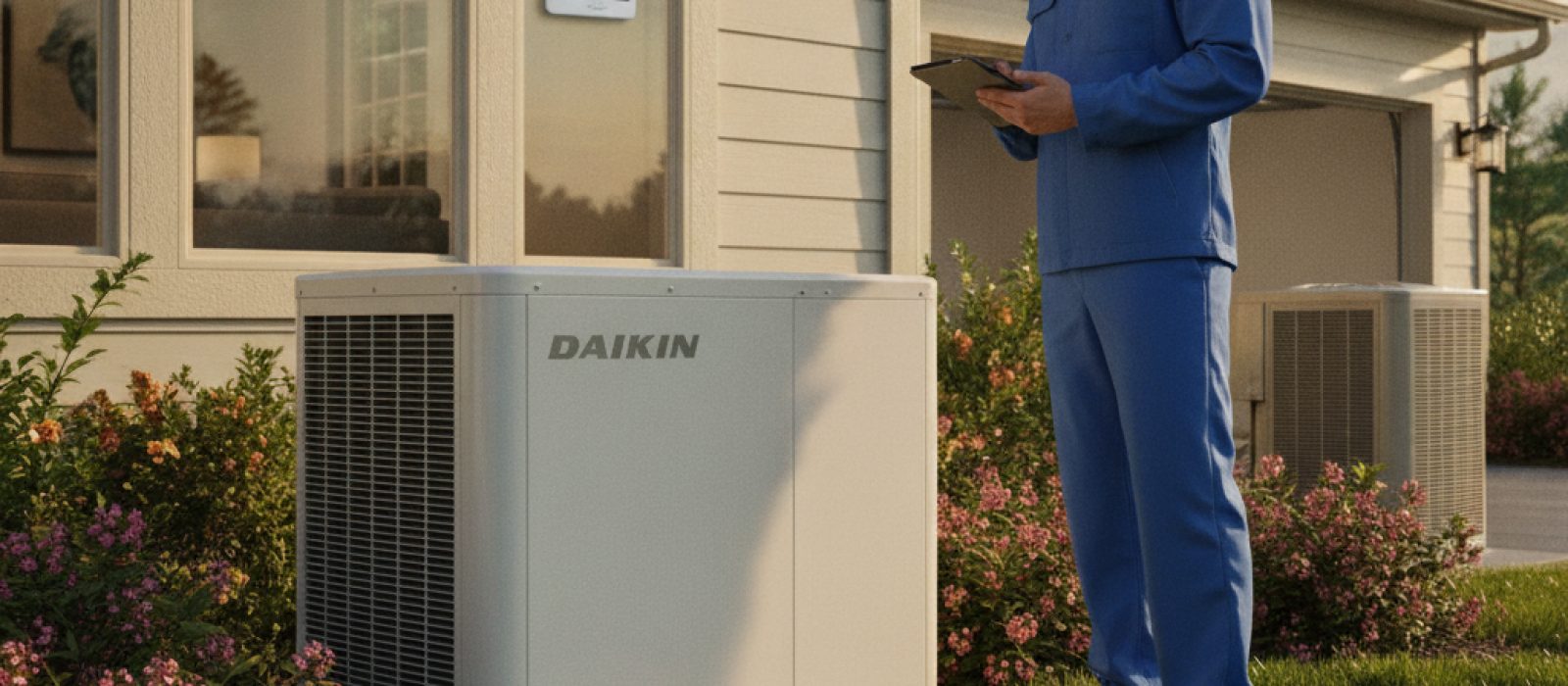
A comprehensive guide to understanding Daikin HVAC systems, including model tiers, standard maintenance requirements, and factory warranty coverage.
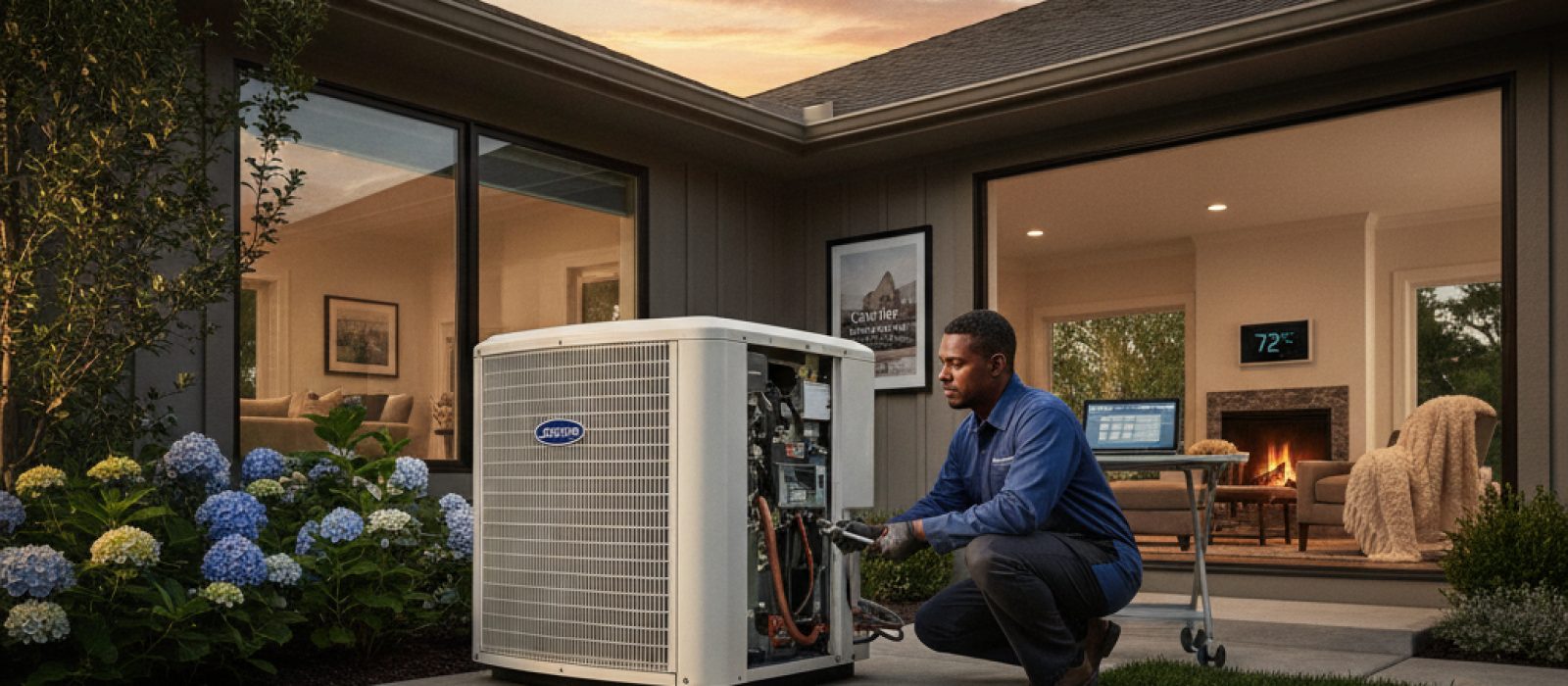
A comprehensive guide to understanding Carrier air conditioning systems, efficiency ratings, installation factors, and maintenance requirements.
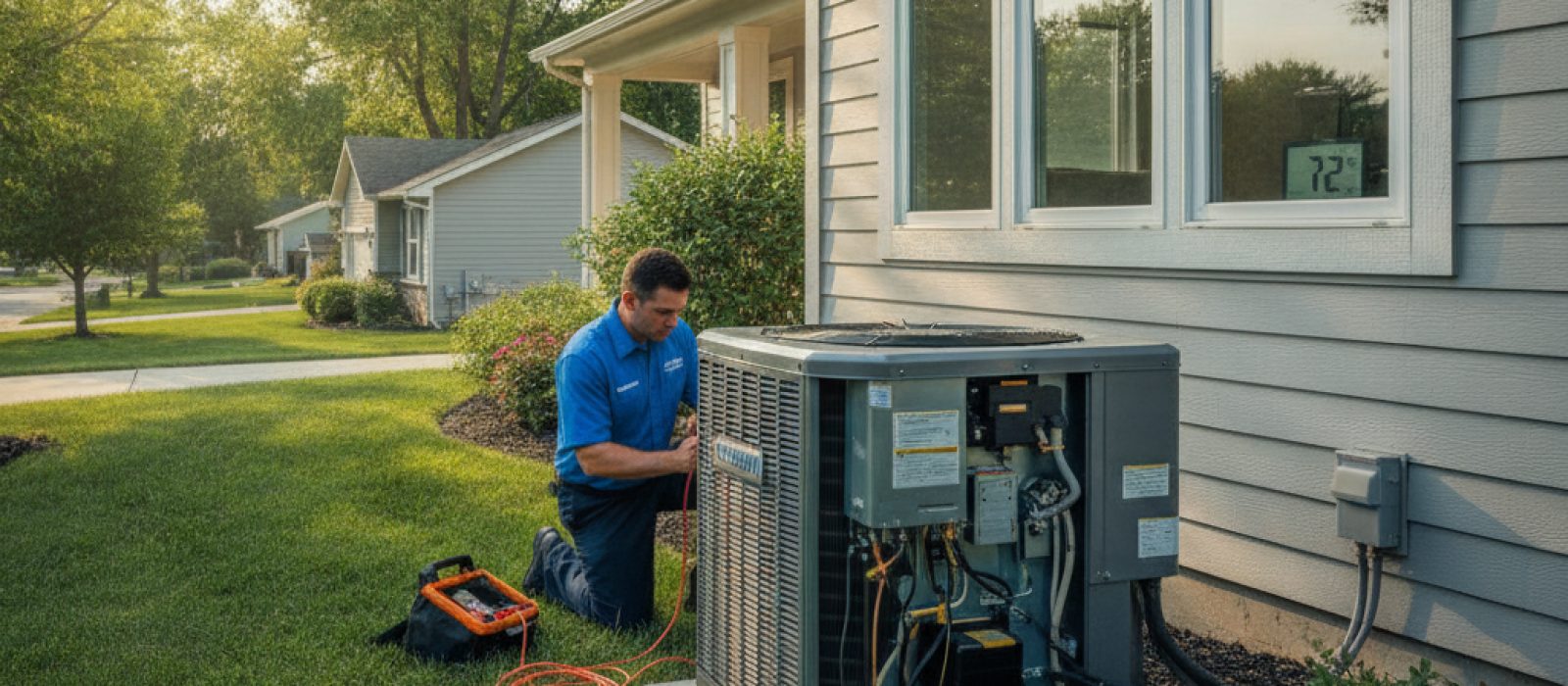
An objective look at Goodman HVAC systems, covering performance, longevity, and what homeowners should know before choosing a budget-friendly cooling solution.
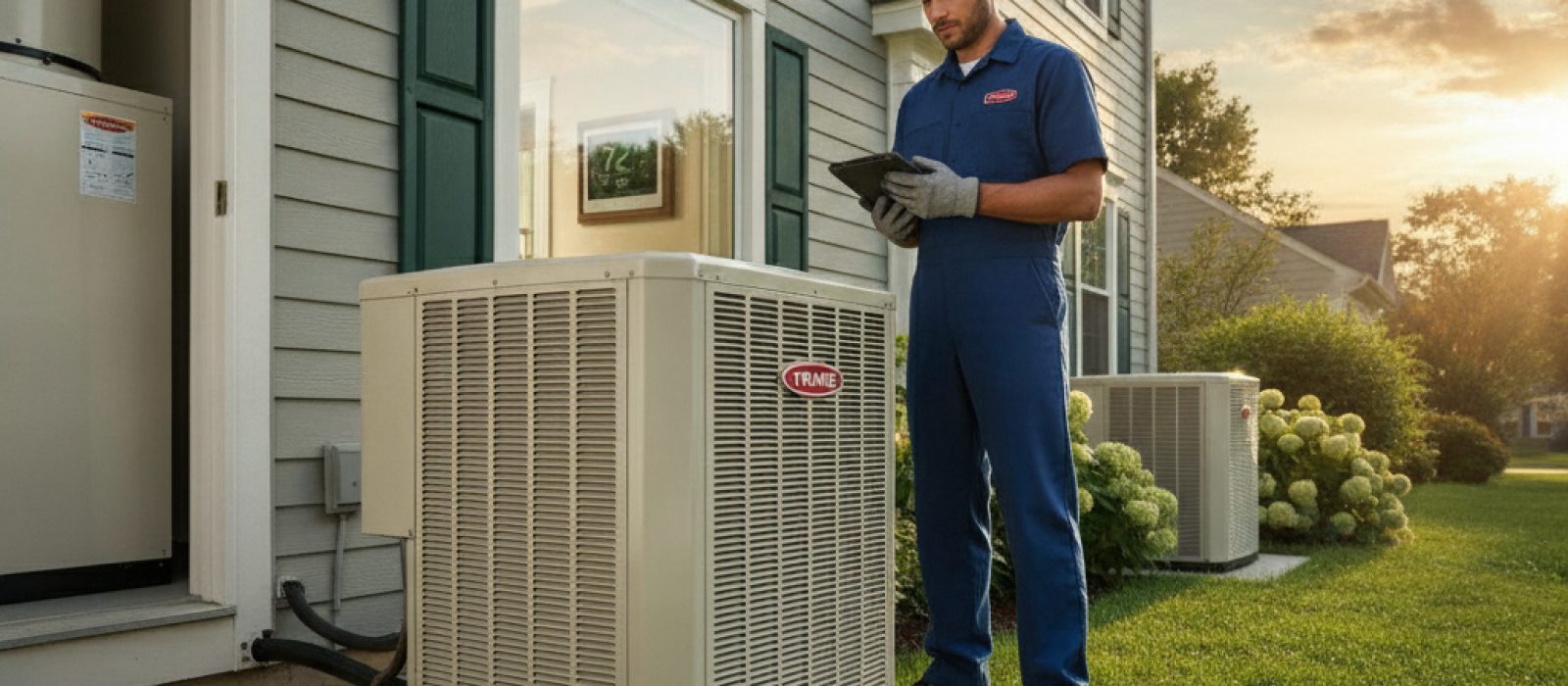
A guide to understanding Trane residential cooling systems, including component integration and maintenance requirements for homeowners.
Be the first to comment.