
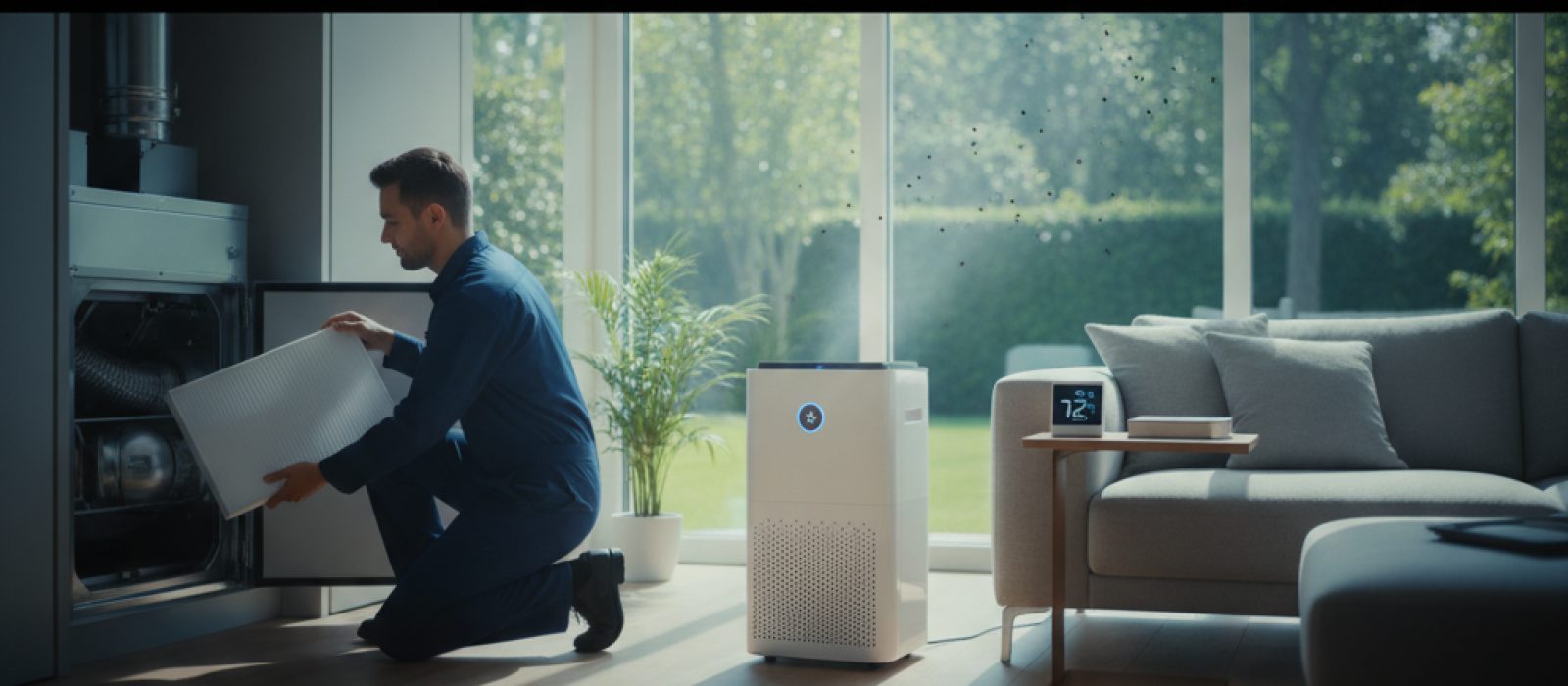
HEPA Air Cleaners for Allergies: What Actually Works
Learn how HEPA air cleaners function, their limitations in home environments, and how to effectively manage indoor air quality for allergy relief.
3 min read

Basements are naturally prone to moisture accumulation, which directly impacts the indoor air quality of the entire home. Because air circulates from the lower levels upward through a process known as the stack effect, dampness and airborne particles in the basement often migrate into living spaces. Managing these conditions requires a focus on humidity control, ventilation, and identifying structural vulnerabilities that allow moisture to enter.
Musty smells are typically a byproduct of moisture interacting with organic materials such as wood, drywall, or carpeting. When relative humidity levels remain consistently high, these materials provide a fertile environment for biological growth, which releases spores and volatile organic compounds into the air. Maintaining indoor humidity levels below 60 percent is generally recommended to mitigate these issues.
Before implementing air quality solutions, it is essential to trace the source of the moisture. Common culprits include groundwater seepage, plumbing leaks, and condensation. If you suspect issues with your home's infrastructure, consulting with professionals for Plumbing Services can help address hidden pipe leaks or drainage problems that contribute to excess basement dampness.
Condensation occurs when warm, moist air comes into contact with cold surfaces, such as basement walls or uninsulated ductwork. This is particularly prevalent during summer months. Improving insulation around cold-water pipes and ensuring that your HVAC system is properly sized can reduce these surface temperatures, thereby limiting moisture accumulation.
Proper airflow is a cornerstone of maintaining healthy air. In basements that lack natural ventilation, mechanical systems are necessary to exchange stale air with fresh, outdoor air. Energy Recovery Ventilators (ERVs) are effective tools for this purpose, as they exchange air while retaining thermal energy, helping to keep utility costs stable.
For those concerned about airborne particulates, high-efficiency air filtration systems integrated into the HVAC setup can help. Regular Air Duct Cleaning may also be necessary if dust or debris has accumulated within the ventilation network, as these particles can trap moisture and harbor odors even after the primary humidity issues have been resolved.
A dedicated dehumidifier is often the most practical solution for basement humidity control. Choose a unit sized appropriately for the square footage of your basement. Ensure the unit is either connected to a floor drain or set up with a pump to remove collected condensate automatically, preventing the reservoir from becoming a source of stagnant water.
In some cases, the basement environment is significantly affected by the performance of the home's heating and cooling equipment. A system that is oversized for the home will cool the space too quickly without running long enough to remove adequate moisture from the air. If you notice consistent dampness, an evaluation through Indoor Air Quality specialists can determine if your current equipment is effectively managing the home's moisture load.
Routine maintenance is vital for preventing the conditions that lead to poor air quality. Annual check-ups on your furnace and cooling systems ensure that condensate drains are clear and that the system is operating at peak efficiency. Neglected maintenance often leads to water backup within the unit, which is a common but avoidable cause of basement moisture.
If you notice persistent water pooling or structural dampness that does not respond to dehumidification, it is time to consult with a licensed contractor. They can perform a comprehensive assessment of your foundation and drainage system to determine if professional intervention is required to seal the space or improve exterior water management.
While homeowners can manage humidity levels through monitoring and basic equipment maintenance, certain tasks require professional expertise. If you identify signs of significant biological growth, electrical hazards near damp areas, or structural water intrusion, do not attempt repairs yourself. Engaging qualified professionals ensures that the underlying causes are addressed safely and in compliance with building codes.
Learn how HEPA air cleaners function, their limitations in home environments, and how to effectively manage indoor air quality for allergy relief.
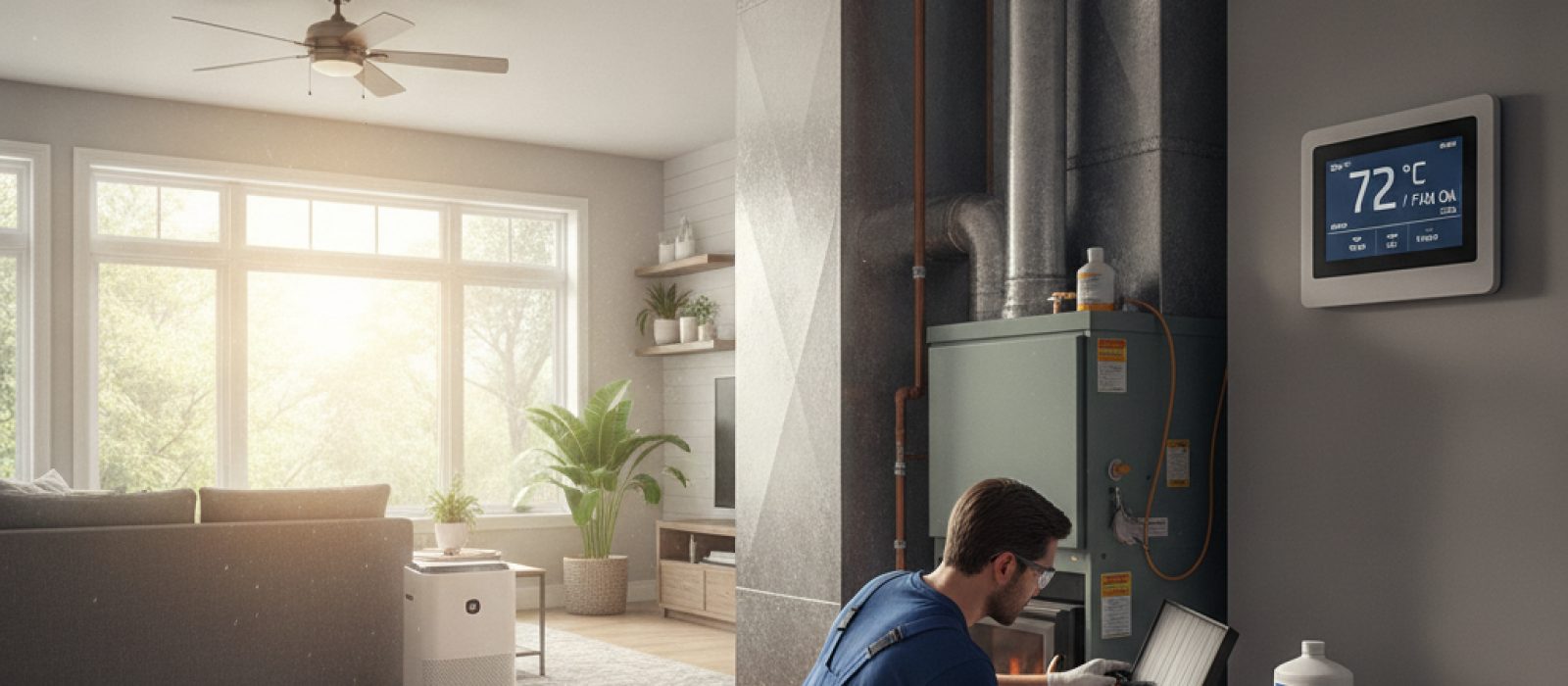
Learn to identify common indoor pollutants and discover practical, effective strategies to improve the air quality within your home.
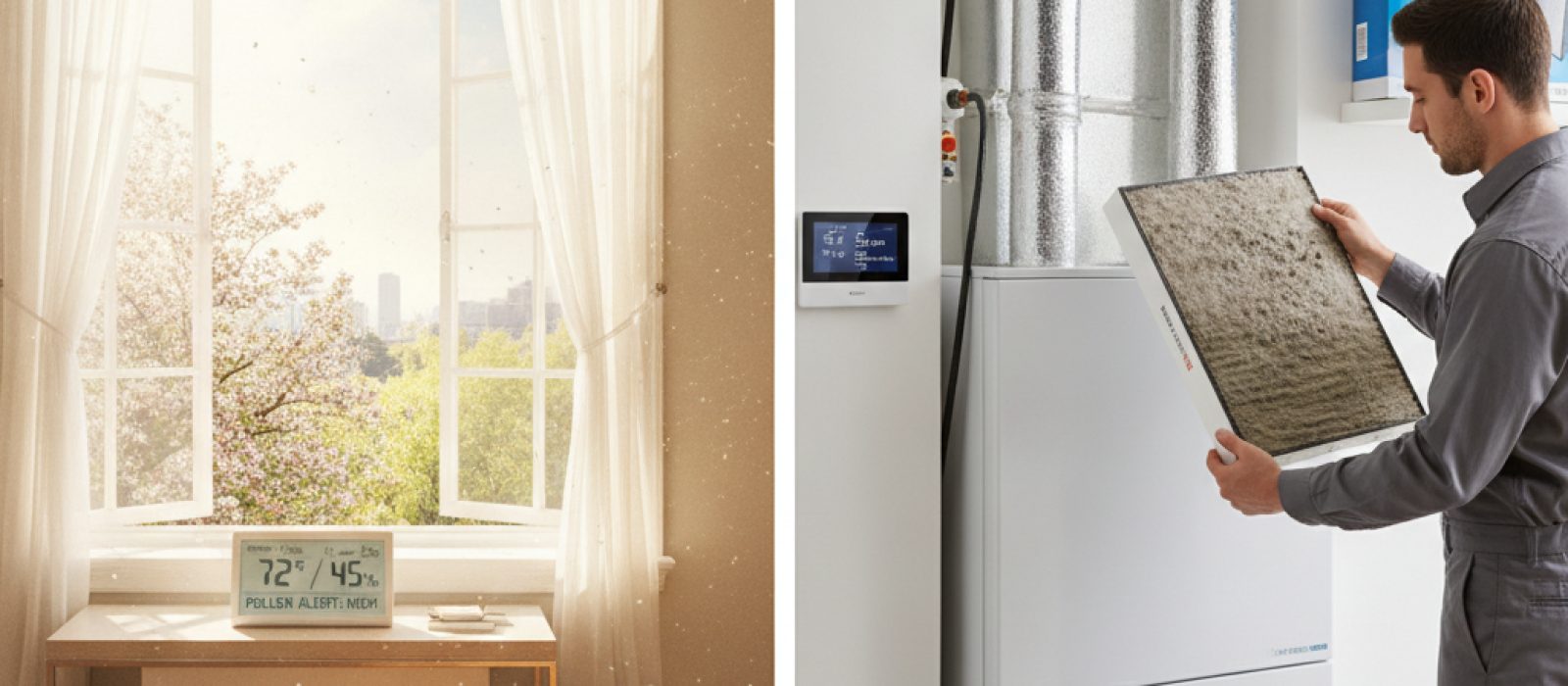
Learn the balance between natural ventilation and mechanical filtration to maintain optimal indoor air quality in your home.
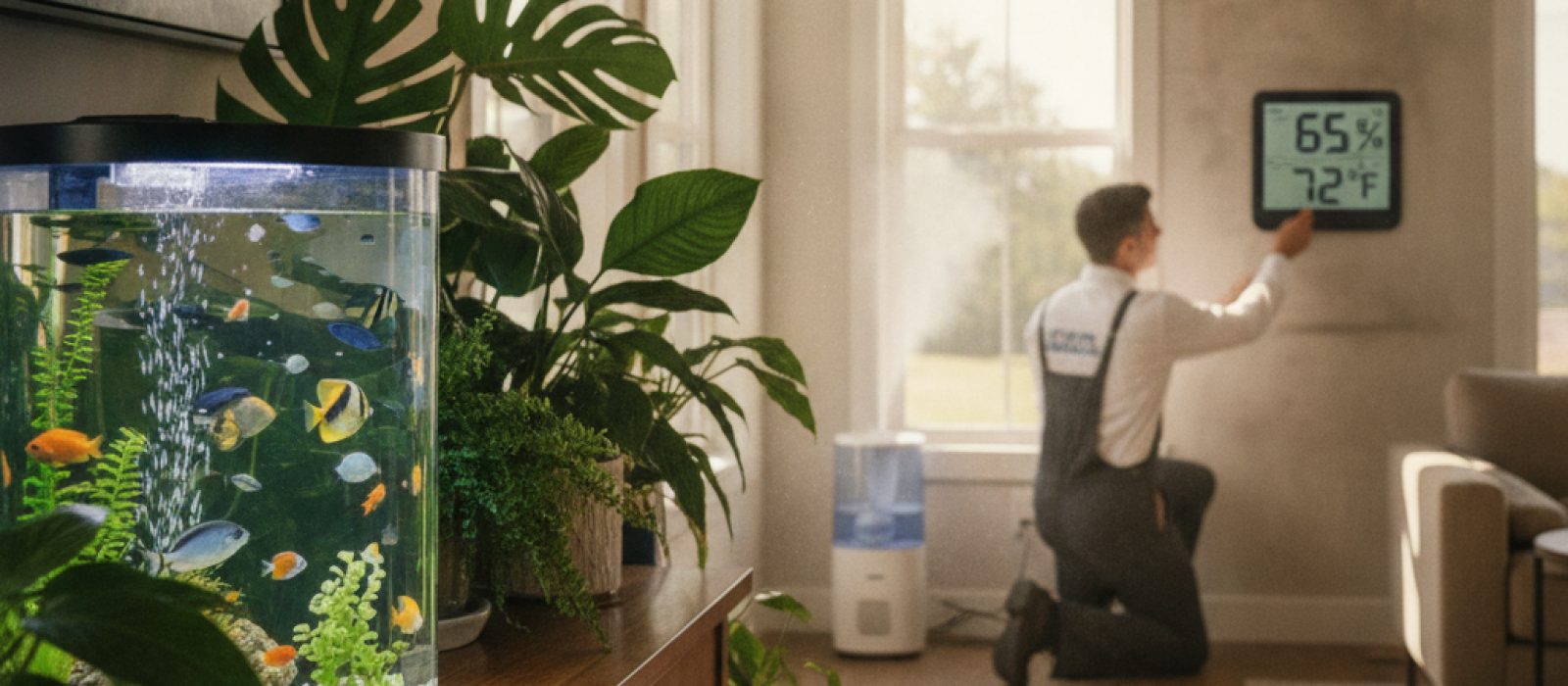
Learn how common household features like aquariums and plants impact indoor air quality and how to manage the resulting humidity levels effectively.

Discover how holiday traditions impact your home's indoor air quality and learn practical steps to maintain a healthy breathing environment this winter.
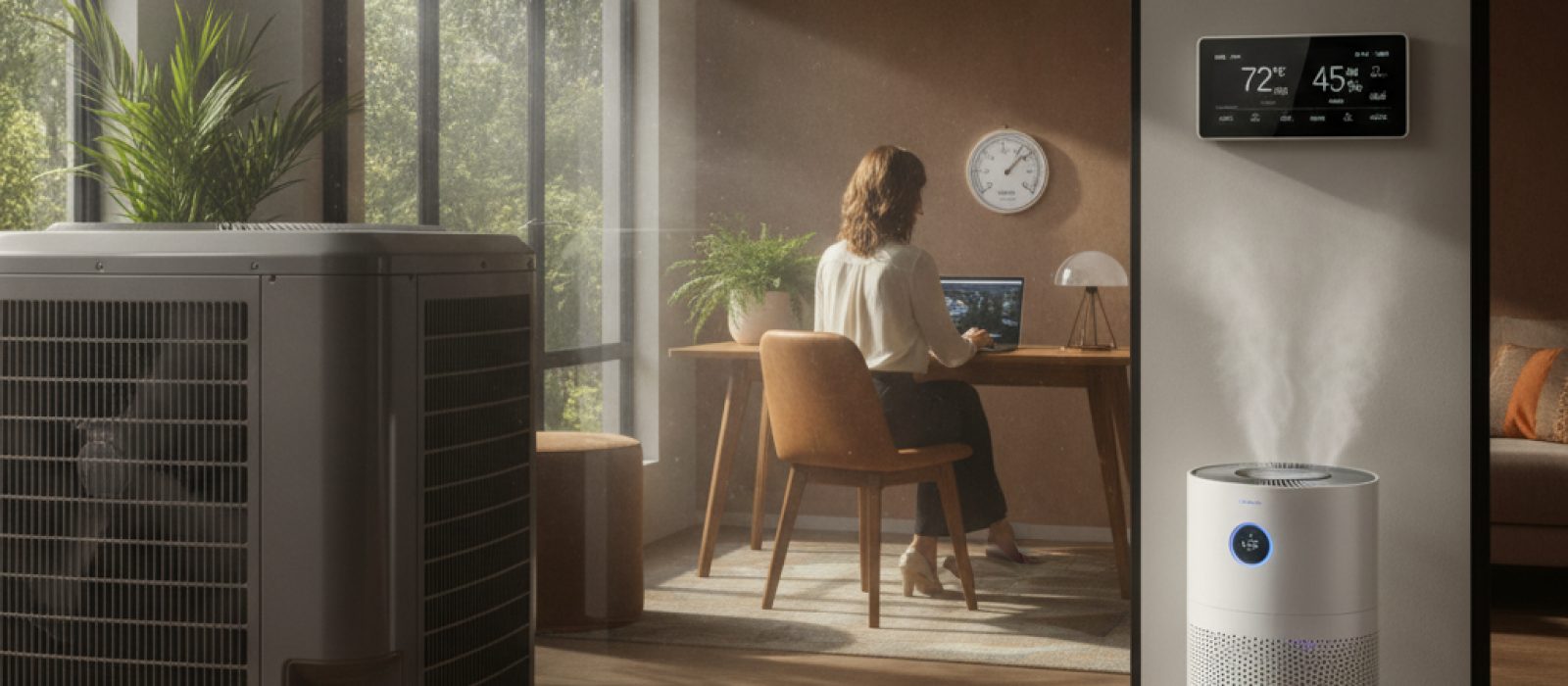
Improve productivity and health by optimizing the indoor air quality of your home office through ventilation, filtration, and humidity control.
Be the first to comment.