HVAC Service Fast

Beat the Heat & Save: Smart Thermostat Settings for Summer

4 min read

Beat the Heat & Save: Smart Thermostat Settings for Summer

Understanding Your Thermostat in Summer

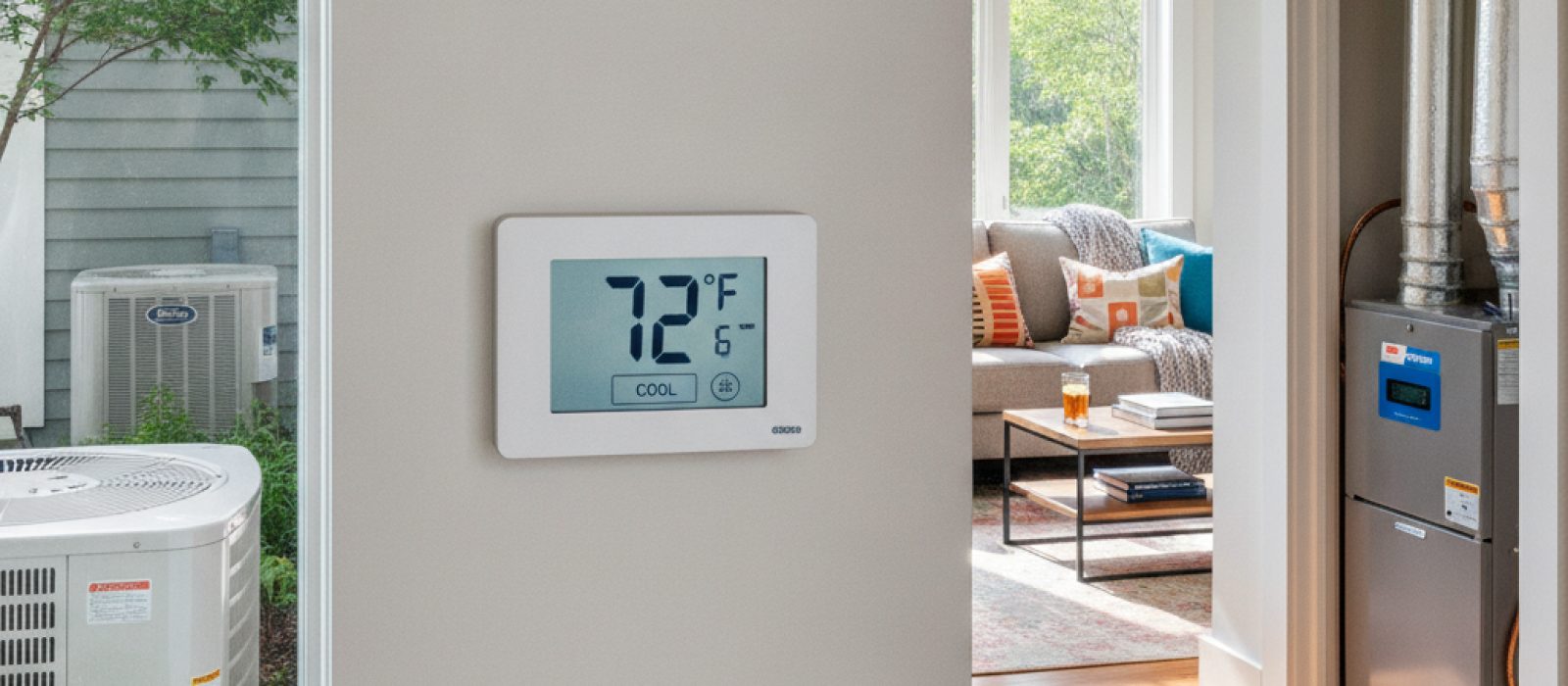
As the temperatures rise across the U.S., your air conditioner becomes your home's best friend. But while staying cool is a priority, so is managing those energy bills. Your thermostat is the control center for both, and understanding how to use it effectively can make a significant difference. It's not just about setting a temperature; it's about optimizing your cooling strategy for comfort, efficiency, and savings.

Many homeowners simply set their thermostat to a very low temperature and leave it there, thinking it's the fastest way to cool down. However, this approach often leads to higher energy consumption and can even put undue strain on your HVAC system. Let's dive into the smarter way to use your thermostat this summer.

The Ideal Temperature for Summer Savings

The U.S. Department of Energy recommends a specific temperature setting for optimal balance between comfort and energy efficiency during summer. For most homes, this sweet spot is around 78°F (26°C) when you're at home and awake. While this might sound a bit warm to some, remember that your body adjusts, and combining this setting with other strategies can still feel quite comfortable.

  • Why 78°F? Each degree you lower your thermostat below this recommended setting can increase your energy consumption by 6-8%. Keeping it at 78°F or slightly higher helps your AC run less frequently and more efficiently.
  • Personal Comfort: If 78°F feels too warm, experiment with slightly lower settings like 76°F or 77°F. The goal is to find a temperature where you are comfortable without overworking your system or overspending.

Optimizing Your Thermostat When You're Away or Asleep

Your cooling needs change dramatically when your home is empty or when you're sleeping. Adjusting your thermostat during these periods is one of the most effective ways to save energy.

When You're Away

There's no need to cool an empty house to the same degree as when you're home. When you leave for work or vacation, consider raising your thermostat setting. A common recommendation is to set it 7-10 degrees higher than your usual comfort setting, for example, around 85°F (29°C).

  • Don't Turn It Off Completely: While turning your AC off might seem like the ultimate saving strategy, it can lead to other problems. Your home can become excessively hot, putting more strain on your system to cool it down later, and potentially encouraging mold growth in humid climates.
  • Pre-Cooling: If you have a smart thermostat, you can schedule it to begin cooling your home an hour or so before you arrive back, ensuring comfort without constant cooling throughout the day.

When You're Asleep

Many people prefer a cooler bedroom for sleeping. However, you don't necessarily need to blast the AC all night. Your body temperature naturally drops during sleep, and a slightly warmer ambient temperature might still feel comfortable, especially if you use light bedding and wear breathable sleepwear.

  • Slight Adjustment: Consider raising your thermostat by a few degrees (e.g., to 80°F or 82°F) during sleeping hours. You might be surprised how little difference it makes to your comfort while saving energy.
  • Fans Help: Using ceiling fans or portable fans in conjunction with a slightly higher thermostat setting can create a wind-chill effect, making you feel cooler without actually lowering the air temperature.

The Power of Programmable and Smart Thermostats

Manually adjusting your thermostat daily can be a hassle, which is where modern technology comes in handy. Programmable and smart thermostats are game-changers for summer savings.

  • Programmable Thermostats: These allow you to set different temperatures for different times of the day and week. You can program a schedule that aligns with your family's routine – cooler when you're home, warmer when you're away or asleep.
  • Smart Thermostats: Taking it a step further, smart thermostats learn your preferences, can be controlled remotely via a smartphone app, and some even integrate with home automation systems. Many offer energy reports, helping you identify areas for further savings. Some models even use geofencing to detect when you're approaching home and begin cooling automatically.

Beyond the Thermostat: Other Summer Saving Tips

While your thermostat is central, it's part of a larger ecosystem. To maximize your savings and comfort:

  • Seal Air Leaks: Gaps around windows, doors, and in your ductwork can let cool air escape. Seal them with caulk or weatherstripping.
  • Use Window Coverings: Close blinds, curtains, or shades during the hottest parts of the day to block direct sunlight and prevent heat gain.
  • Regular HVAC Maintenance: A well-maintained AC system runs more efficiently. Schedule annual tune-ups to ensure your unit is clean and operating at peak performance.
  • Use Fans: Ceiling fans can make a room feel 4-7 degrees cooler without significantly impacting your energy bill. Remember to turn them off when you leave the room, as they cool people, not spaces.
  • Avoid Heat-Generating Appliances: Try to use heat-generating appliances like ovens, dishwashers, and dryers during cooler parts of the day (morning or evening) to avoid adding extra heat to your home.

By implementing these smart thermostat settings and complementary strategies, you can enjoy a comfortable summer without the shock of high energy bills. Small adjustments can lead to significant savings over the season, keeping both you and your wallet cool.

#Air Conditioning #HVAC #Thermostat #Energy Savings #Summer #Home Efficiency

Frequently asked questions

What is the ideal thermostat setting for summer to save energy?
The U.S. Department of Energy recommends setting your thermostat to 78°F (26°C) when you are home and awake for optimal balance between comfort and energy efficiency.
How much energy can I save by raising my thermostat by one degree?
Each degree you lower your thermostat below the recommended 78°F can increase your energy consumption by 6-8%.
What should I set my thermostat to when I'm away from home in summer?
When you are away, consider raising your thermostat setting 7-10 degrees higher than your usual comfort setting, for example, around 85°F (29°C).
Should I turn off my AC completely when I leave the house?
It's generally not recommended to turn your AC off completely, as your home can become excessively hot, putting more strain on your system to cool it down later and potentially encouraging mold growth.
Can fans help me feel cooler with a higher thermostat setting?
Yes, using ceiling fans or portable fans in conjunction with a slightly higher thermostat setting can create a wind-chill effect, making you feel cooler without actually lowering the air temperature.
What is the difference between a programmable and a smart thermostat?
Programmable thermostats allow you to set different temperatures for various times and days, while smart thermostats learn your preferences, can be controlled remotely, and some even integrate with other smart home systems.

Related articles

Comments (0)

Be the first to comment.

Leave a comment

Security code

Comments are moderated before they appear.