
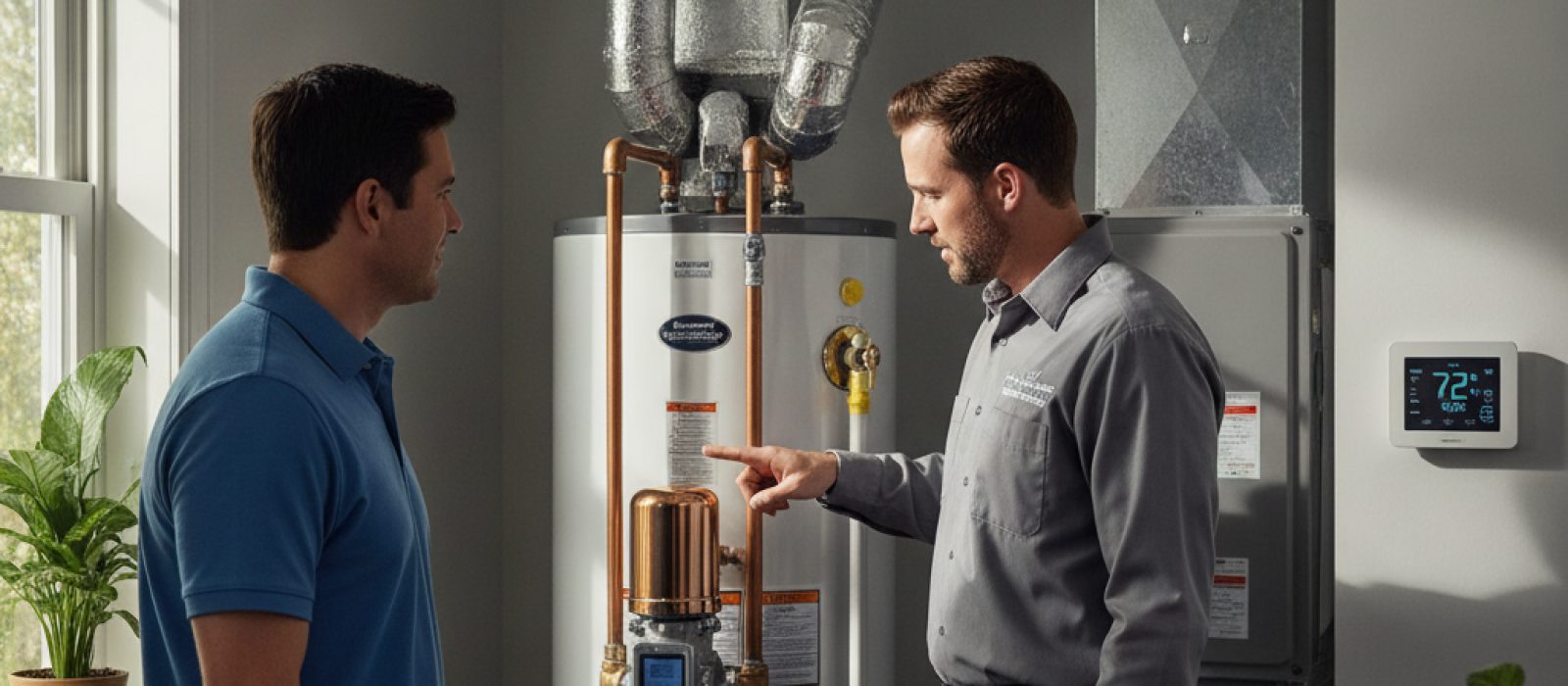
Hot Water Recirculating Pumps: How They Work and What They Cost
Learn how hot water recirculating pumps provide instant hot water, the different installation types, and the factors that influence overall project costs.
4 min read

When touring a potential home, the heating and cooling system is often overlooked in favor of aesthetic updates like paint or flooring. However, the condition of the HVAC system is one of the most significant factors in long-term homeownership costs and daily comfort. Evaluating the system requires a methodical approach that balances visual inspection with an understanding of equipment age and maintenance history.
Start by locating the main components. Identify the age of the outdoor condenser and the indoor air handler or furnace. Most equipment features a data plate that lists the manufacture date. If the system is near or past its expected service life, factor the potential for future replacement into your offer. A system that is well-maintained may function efficiently beyond its rated lifespan, while neglected equipment often fails prematurely.
While a professional home inspector will provide a report, your initial assessment can save time if the system shows obvious signs of distress. Check the area around the outdoor unit for debris, vegetation, or physical damage. The unit should be level and free from significant rust or corrosion on the cabinet.
Inside the home, check the condition of the return air vents and registers. Dust buildup or visible debris inside the ductwork can indicate a lack of previous Air Duct Cleaning or poor filter maintenance. A system that has been starved of airflow due to clogged filters often experiences internal component stress, which can lead to premature failure of the blower motor or heat exchanger.
Ductwork is often hidden behind walls and ceilings, making it difficult to inspect fully. However, you can check accessible areas like attics, crawl spaces, or basements. Look for separated joints, crushed flex ducts, or signs of moisture. If you notice significant gaps in the ductwork, the system is likely losing conditioned air, which reduces efficiency and increases utility bills. Professional Ductwork Services may be required to seal or repair these leaks after purchase.
Request maintenance records from the current homeowner. A consistent service history is a strong indicator of how the equipment has been treated. Look for records of annual Maintenance & Tune-up visits, which suggest that the system has been professionally cleaned and calibrated. If the seller cannot produce documentation, assume the system has not been serviced regularly and plan for an immediate professional inspection before closing.
Operate the thermostat to ensure it responds correctly to commands. If the home uses a complex or outdated interface, you might consider upgrading to modern Thermostat Services to improve energy efficiency. Observe how quickly the system cycles on and off. Short cycling—where the system turns on and off frequently—can indicate an improperly sized unit, a refrigerant leak, or a failing control board.
Pay attention to the air in the home. Musty odors or visible dust settling rapidly on surfaces can point to issues with humidity control or filtration. If the home has high humidity levels, it may indicate that the air conditioner is not properly dehumidifying the space, which can lead to mold growth. Addressing these concerns often requires an expert evaluation of your Indoor Air Quality to determine if additional filtration or ventilation upgrades are necessary.
Home inspectors provide a general overview, but they are not HVAC technicians. If you have concerns about the age, performance, or condition of the system, it is prudent to hire a licensed HVAC professional for a diagnostic inspection. They can perform a static pressure test, check refrigerant levels, and inspect the integrity of the furnace heat exchanger. This investment provides a clear picture of the system's health and can be used as a negotiation tool if significant repairs are identified.
An older, inefficient system may be functional but could be costing significantly more to operate than a modern unit. If the system is outdated, research the potential benefits of Energy Efficient Solutions. While the upfront cost of a high-efficiency system is higher, the long-term reduction in energy consumption often justifies the expense. When buying a home, look at the historical energy bills if available; this provides a practical baseline for how much it costs to keep the home comfortable throughout the changing seasons.
Learn how hot water recirculating pumps provide instant hot water, the different installation types, and the factors that influence overall project costs.
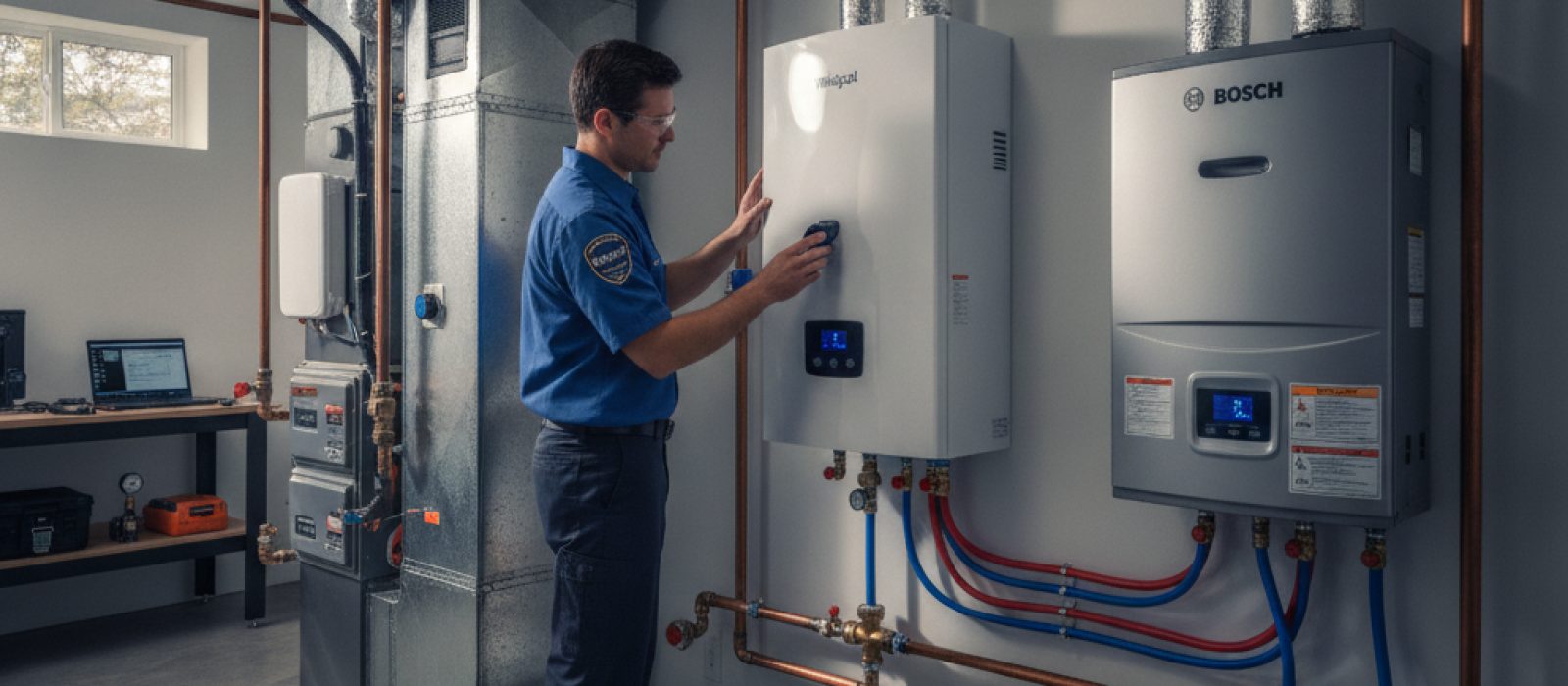
A practical guide to understanding the operational differences, maintenance needs, and common troubleshooting steps for Whirlpool and Bosch water heaters.
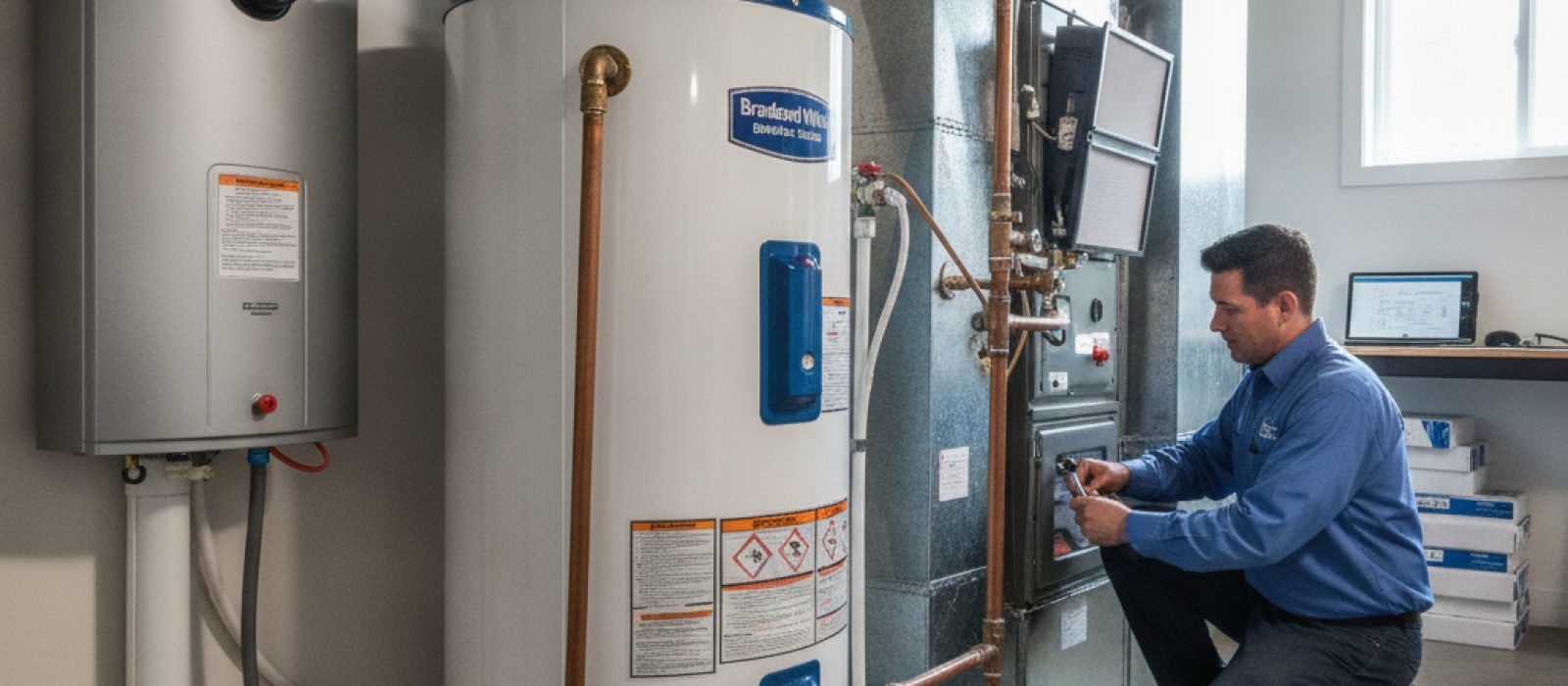
Learn how to choose between 40 and 75-gallon Bradford White water heaters and understand which model fits your home's hot water demands.
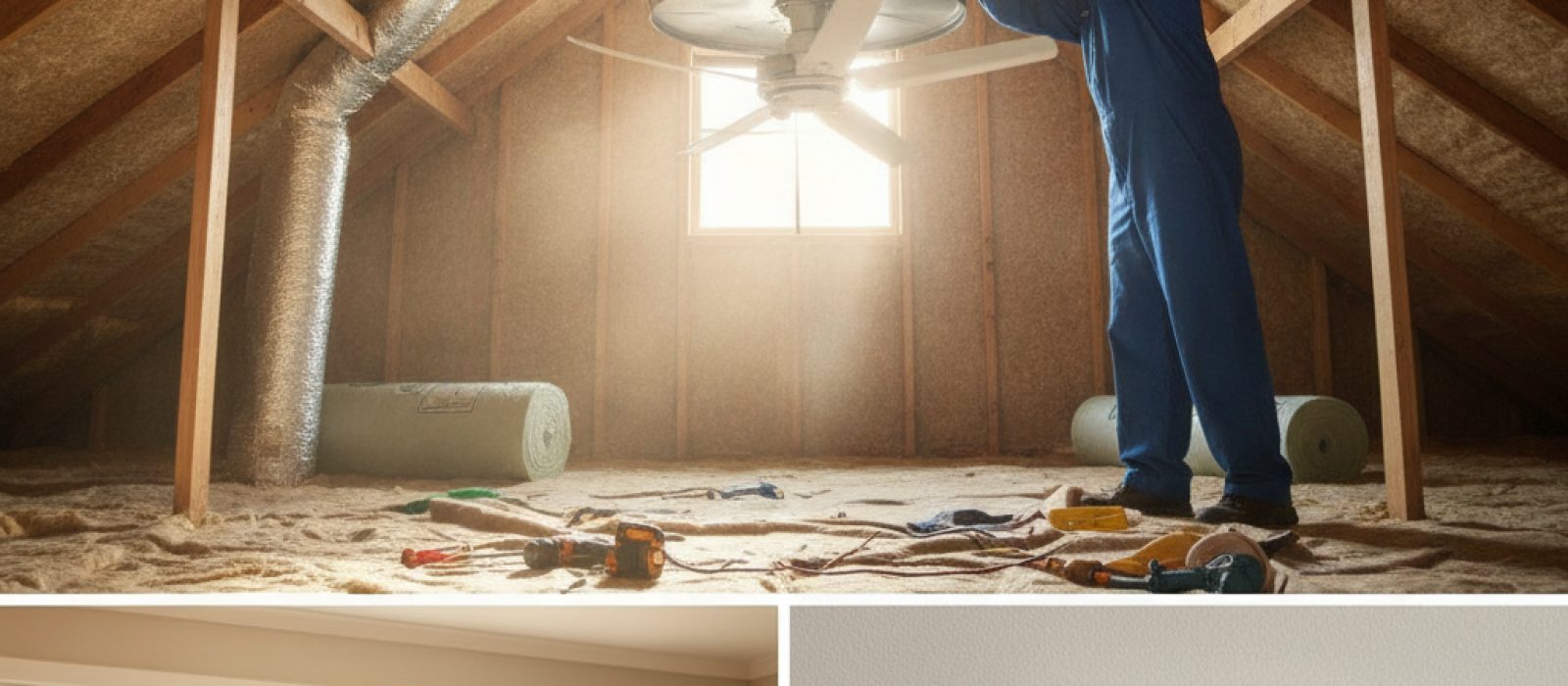
Learn how attic fans manage thermal buildup, the factors influencing installation costs, and the critical mistakes to avoid for a balanced home system.
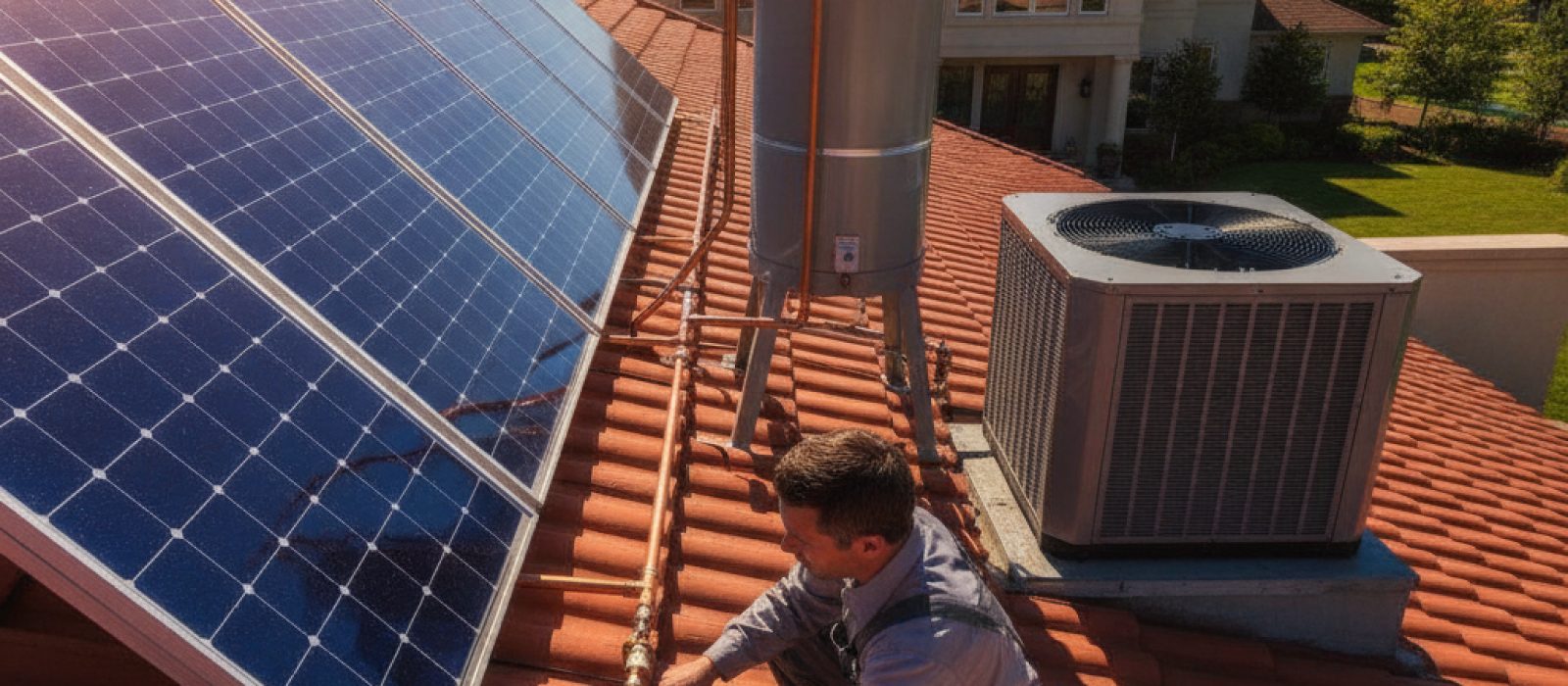
Understand the mechanics, efficiency benefits, and practical considerations of installing a solar-powered water heating system in your home.
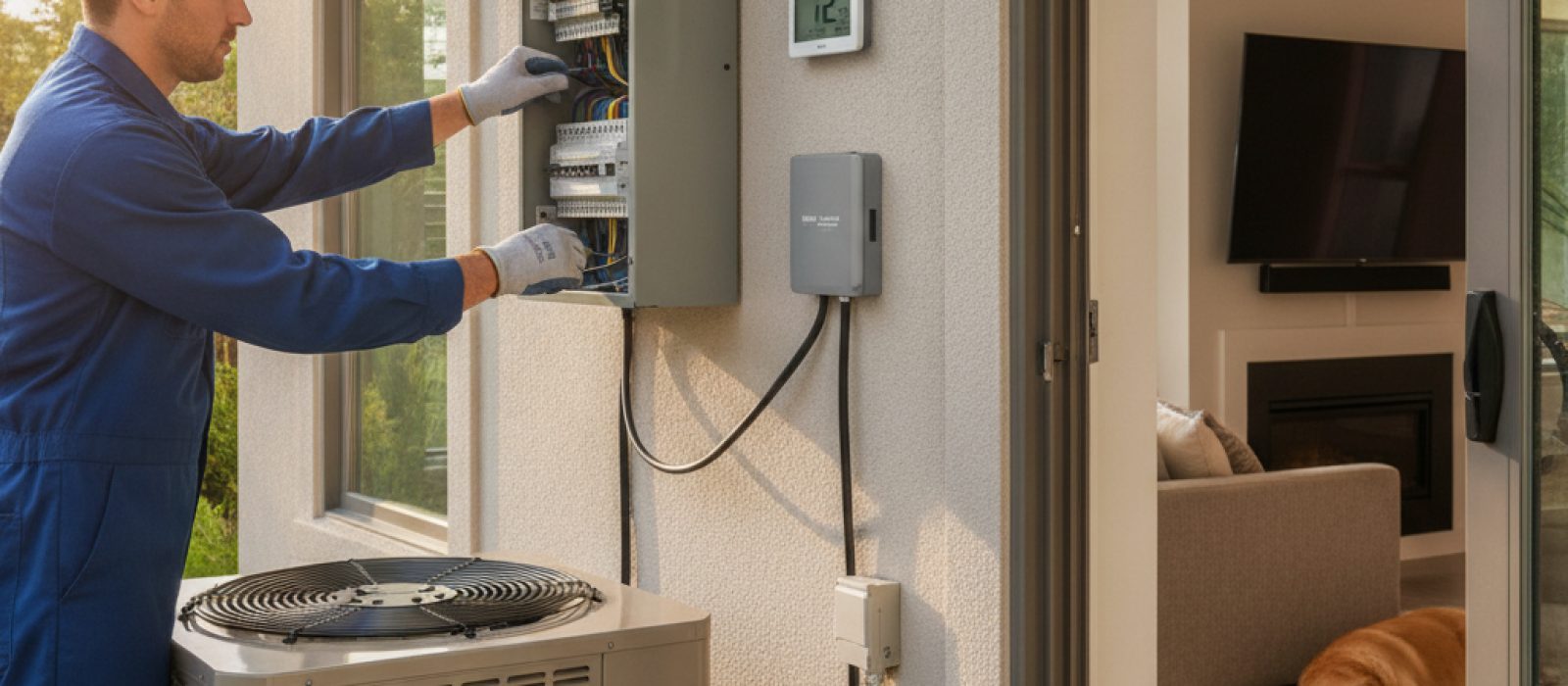
Learn how whole-house surge protectors safeguard sensitive HVAC equipment and home electronics from damaging power spikes and electrical surges.
Be the first to comment.