
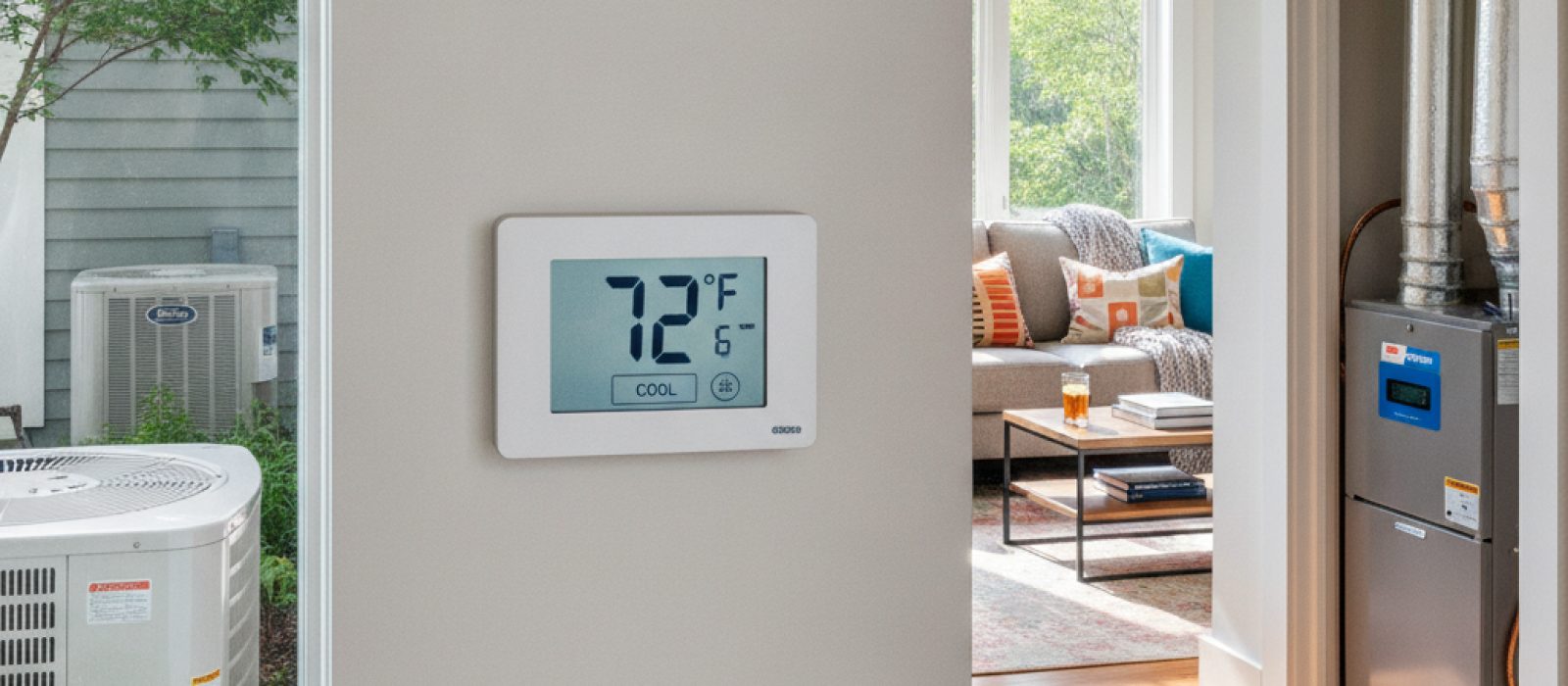
York, Ruud, Bryant and American Standard HVAC: Brand Overview
A guide to understanding the cooling technology and reliability of four major HVAC manufacturers for U.S. homeowners.
4 min read

As the temperatures rise across the U.S., many homeowners start thinking about how to keep their living spaces cool and comfortable. When it comes to air conditioning, the two most common options are central air conditioning systems and individual window units. Each has its own set of advantages and disadvantages, and the best choice for you depends on several factors specific to your home, lifestyle, and budget.
Let's break down the key considerations to help you make an informed decision.
Central air conditioning systems are designed to cool your entire home through a network of ducts and vents. A single outdoor unit (condenser) and an indoor unit (evaporator coil and air handler) work together to distribute cooled air evenly throughout your house.
Window air conditioners are self-contained units that are installed directly into a window opening or a dedicated wall sleeve. They are designed to cool a single room or a small area.
To help you decide, consider these questions:
Ultimately, the choice between central air conditioning and window units comes down to your specific needs and circumstances. If you're seeking consistent, quiet, whole-home comfort and improved indoor air quality, and you're prepared for the initial investment, central AC is likely your best bet. If you need a more budget-friendly solution for targeted cooling in specific areas, window units offer a practical alternative.
For homeowners considering central air conditioning, it's always wise to consult with a qualified HVAC professional. They can assess your home's specific layout, insulation, and existing infrastructure to recommend the most efficient and appropriately sized system for your needs, ensuring optimal comfort and energy savings for years to come.
A guide to understanding the cooling technology and reliability of four major HVAC manufacturers for U.S. homeowners.
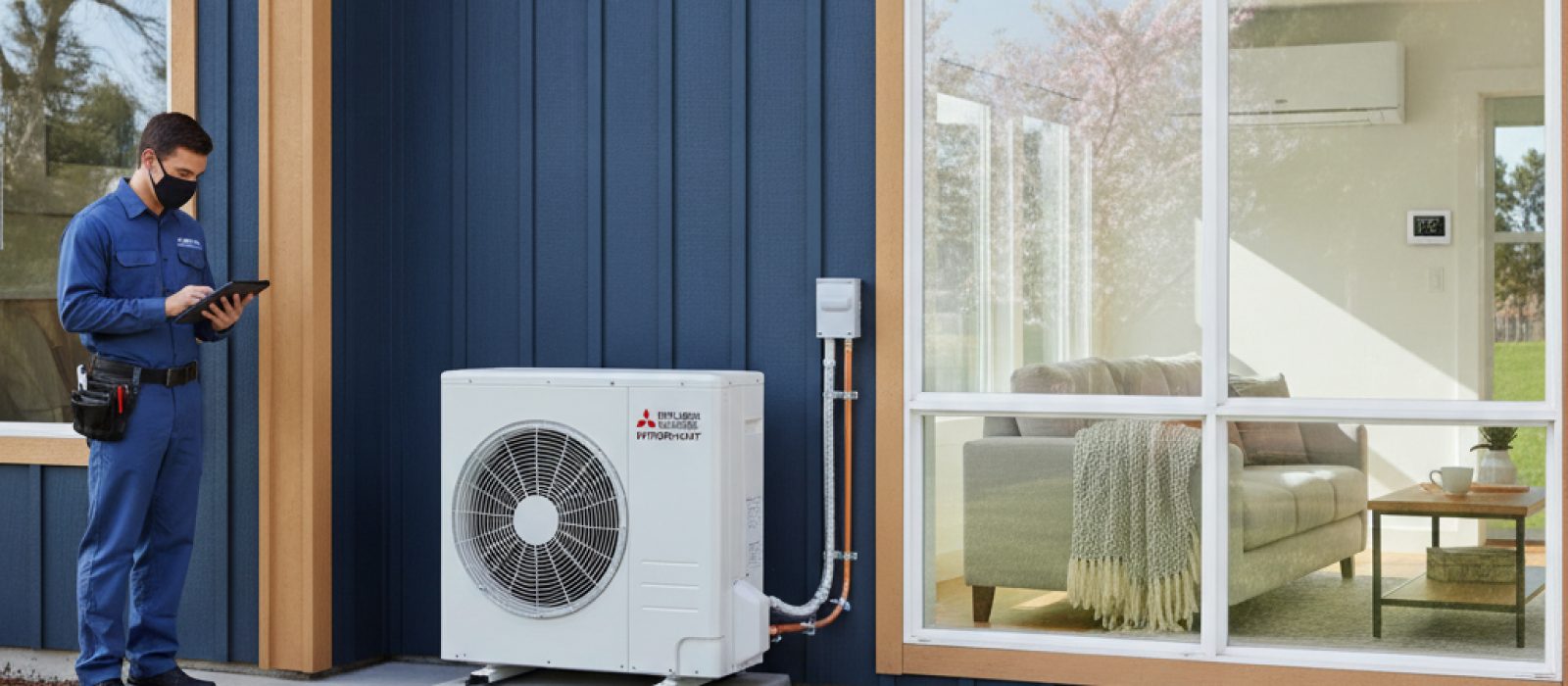
A comprehensive look at Mitsubishi mini-split technology and Hyper-Heat performance for year-round climate control in U.S. homes.
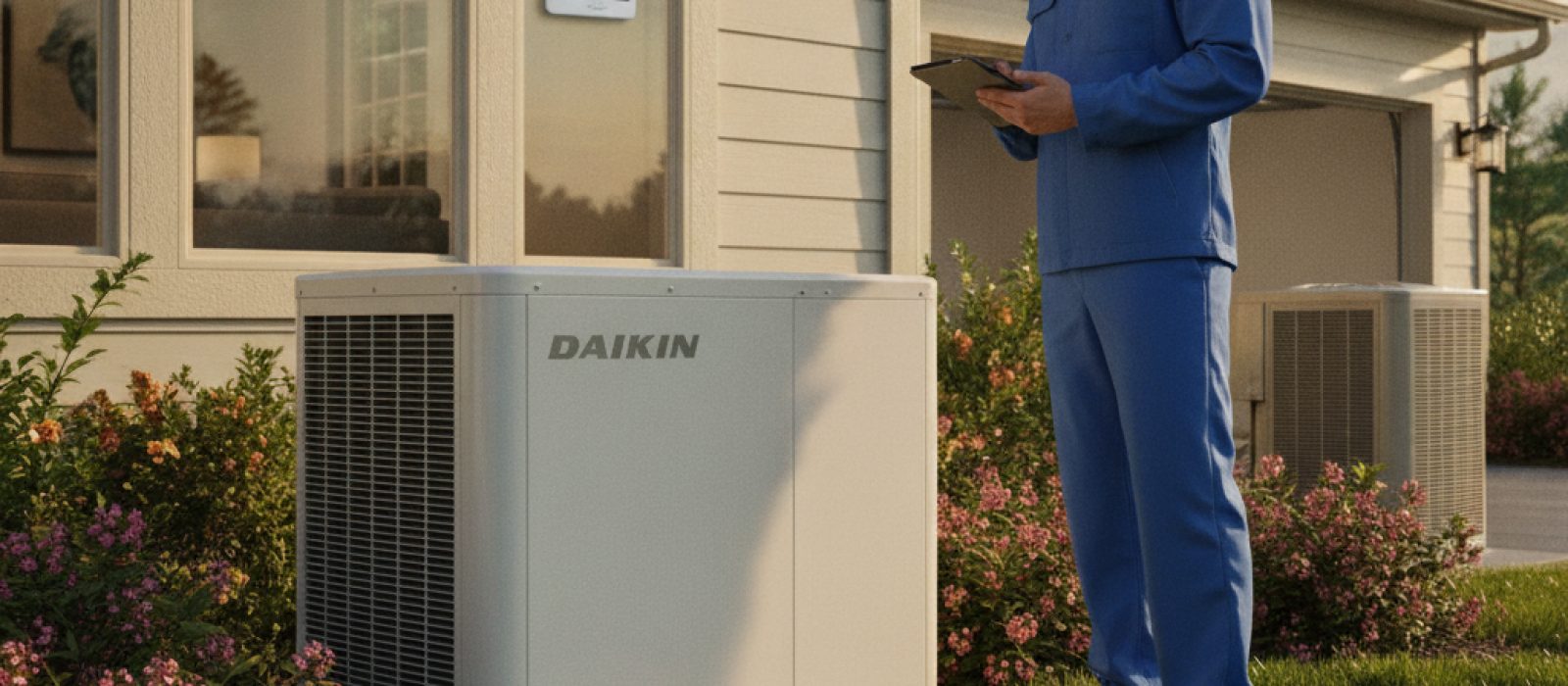
A comprehensive guide to understanding Daikin HVAC systems, including model tiers, standard maintenance requirements, and factory warranty coverage.
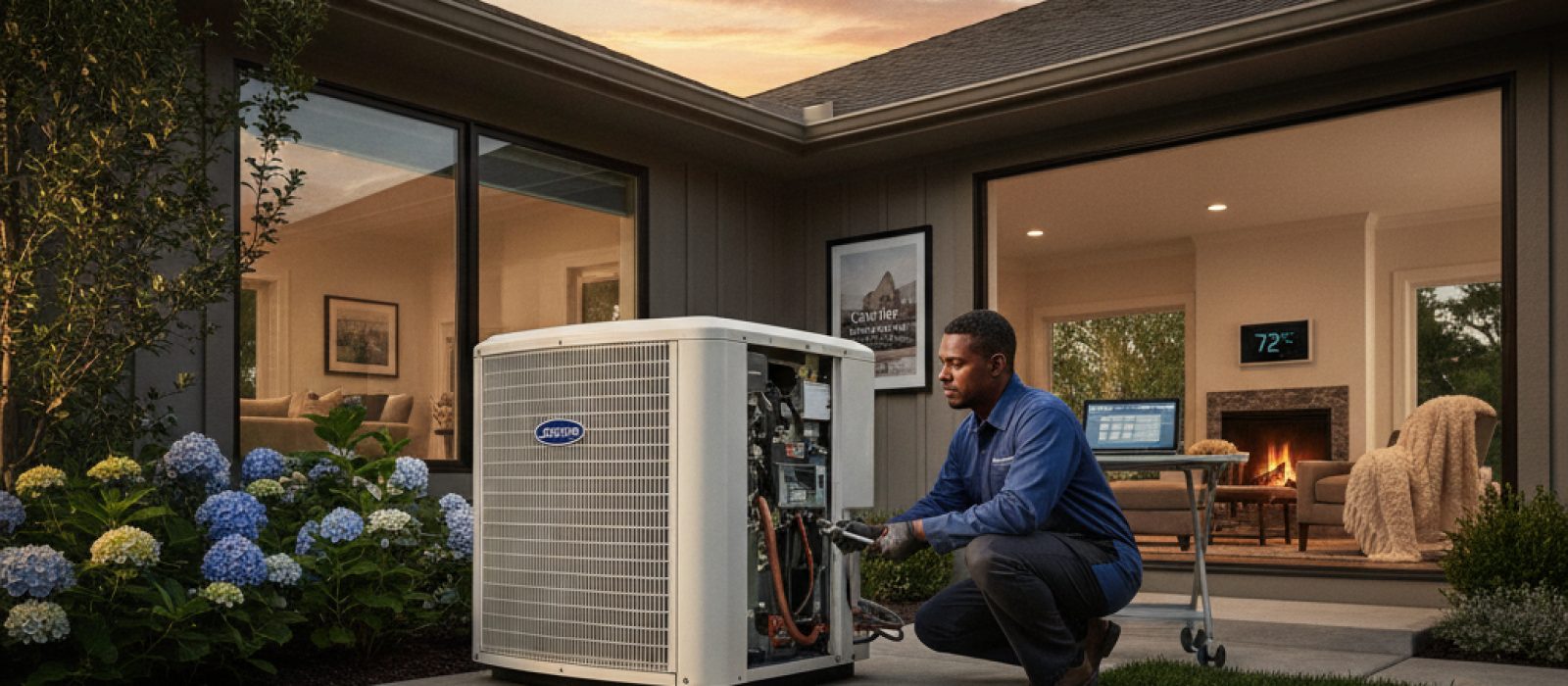
A comprehensive guide to understanding Carrier air conditioning systems, efficiency ratings, installation factors, and maintenance requirements.
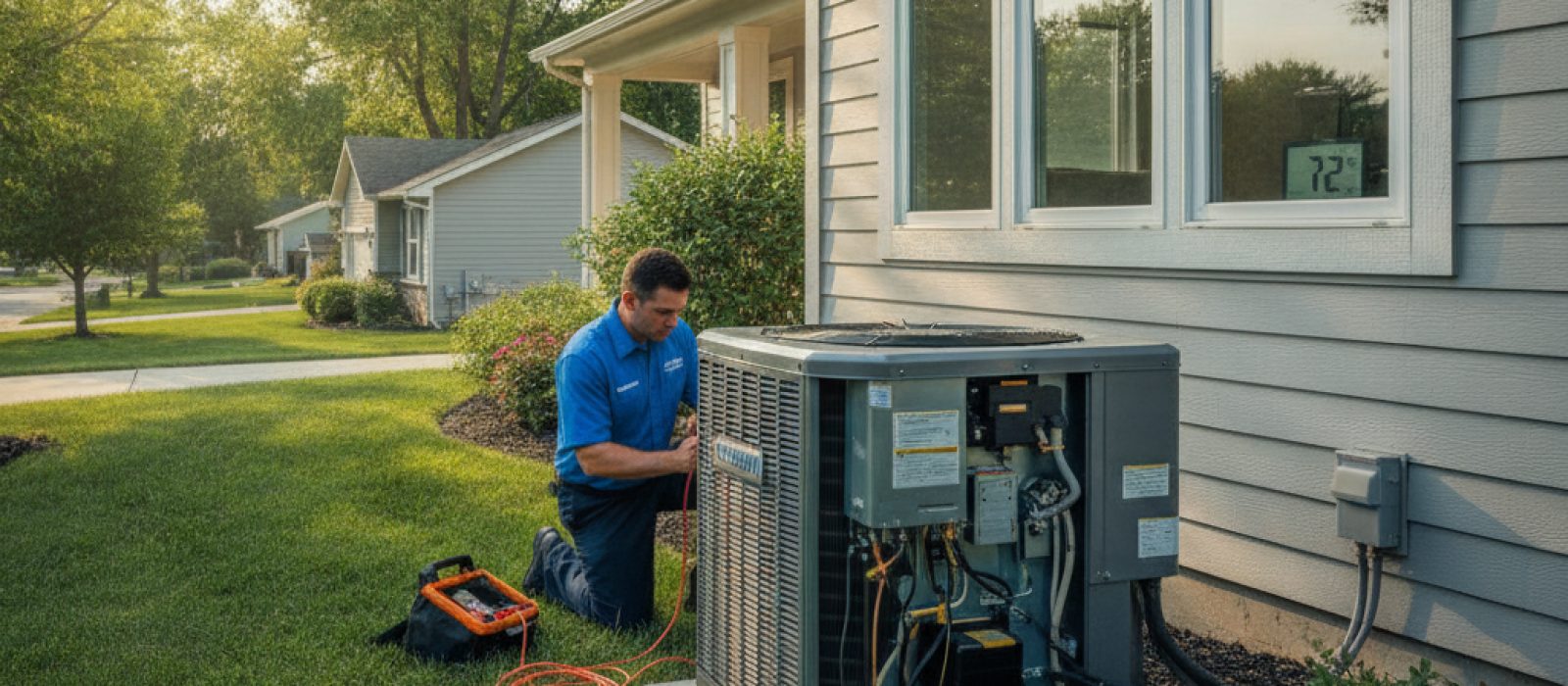
An objective look at Goodman HVAC systems, covering performance, longevity, and what homeowners should know before choosing a budget-friendly cooling solution.
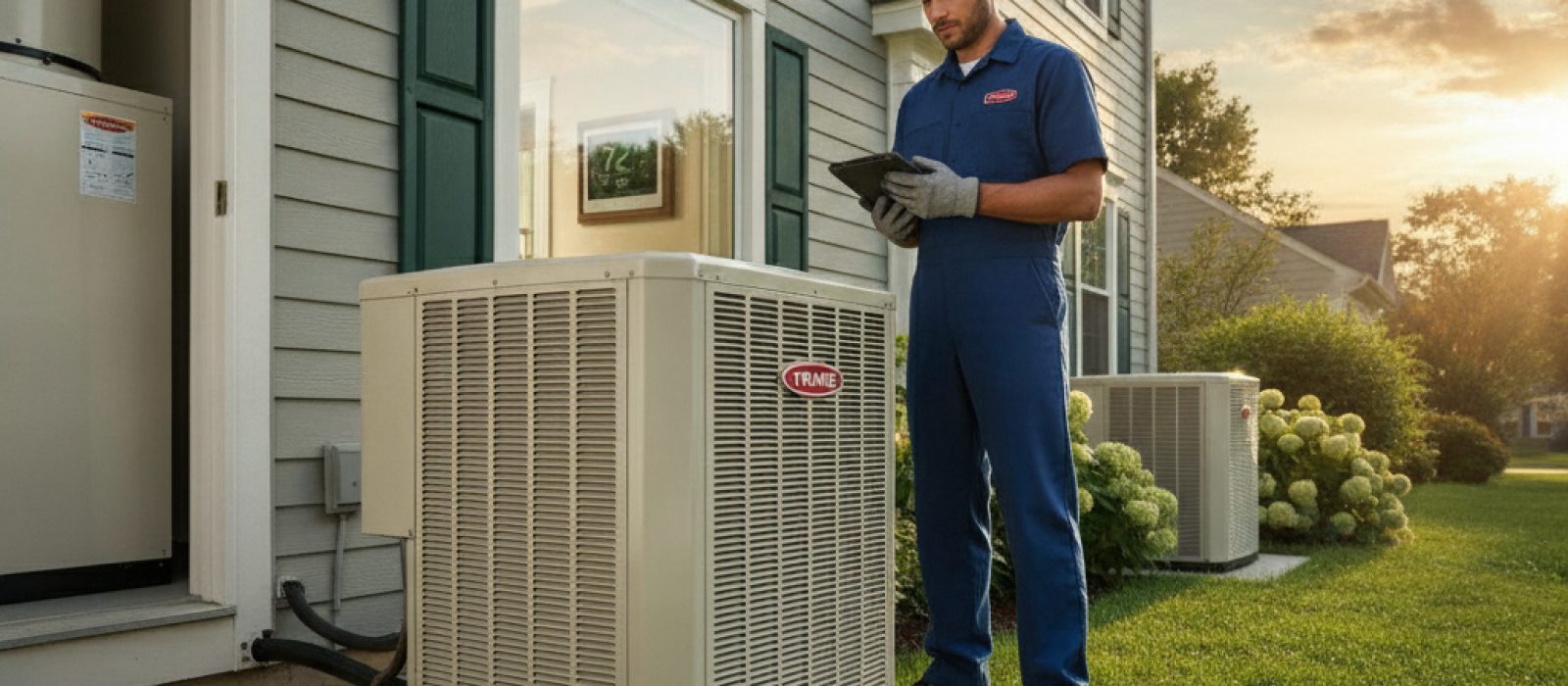
A guide to understanding Trane residential cooling systems, including component integration and maintenance requirements for homeowners.
Be the first to comment.