
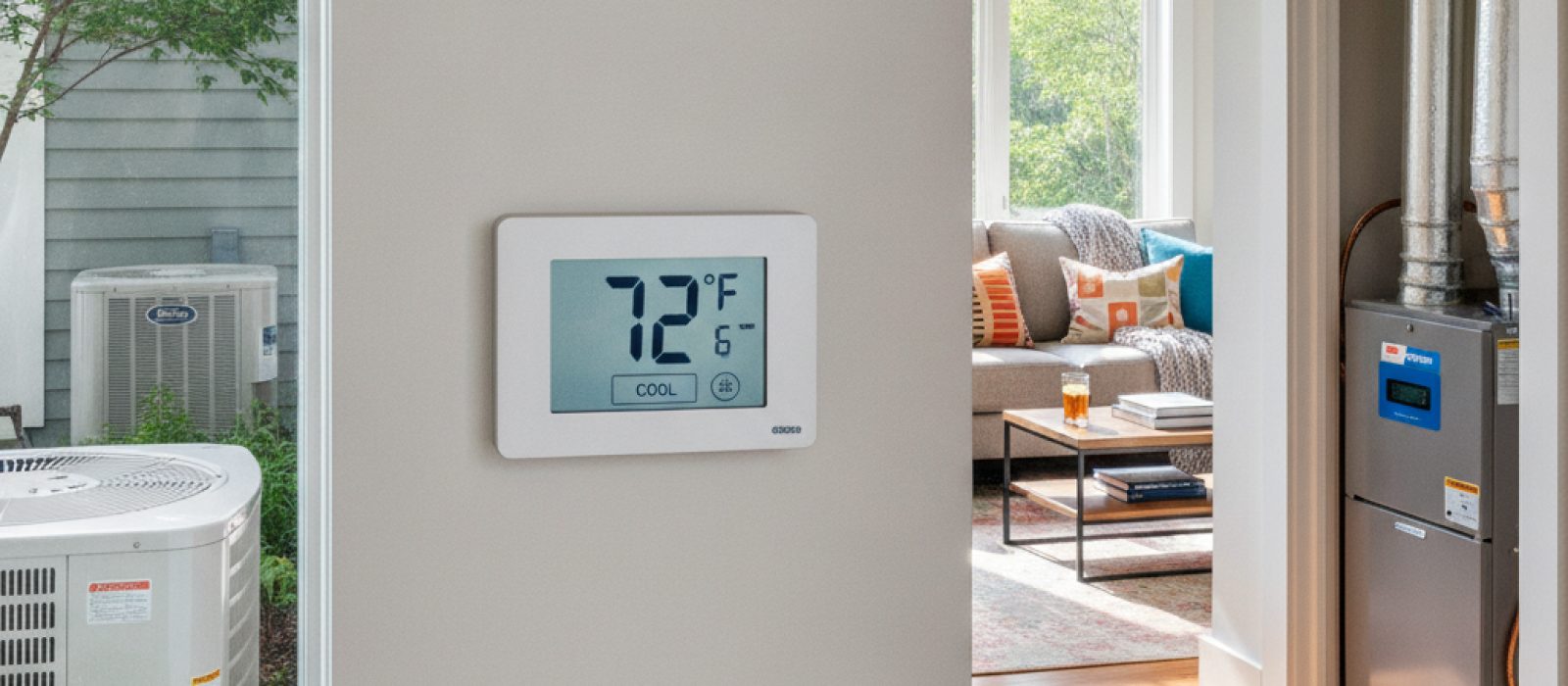
York, Ruud, Bryant and American Standard HVAC: Brand Overview
A guide to understanding the cooling technology and reliability of four major HVAC manufacturers for U.S. homeowners.
4 min read

When it comes to home comfort, many homeowners focus on brand, efficiency ratings, or even smart features. While these are important, one factor often overlooked, yet critically important, is the size – or capacity – of your air conditioning unit. An AC system that's too small won't cool your home effectively on hot days, leaving you uncomfortable. Conversely, an oversized unit will cycle on and off too frequently, leading to uneven temperatures, higher energy bills, and excessive wear and tear.
This frequent cycling, known as short-cycling, is a major problem. An oversized AC doesn't run long enough to adequately dehumidify your home, leaving you with a clammy, uncomfortable feeling even if the temperature is cool. Proper sizing ensures your AC runs efficiently, maintains consistent temperatures, and effectively removes humidity, creating a truly comfortable indoor environment.
Before diving into how to choose, let's clarify what AC capacity means. Air conditioner capacity is measured in British Thermal Units per Hour (BTUh) or 'tons'.
Determining the right AC size isn't as simple as matching it to your home's square footage. Many variables come into play. A professional HVAC technician will perform a detailed load calculation, often using a method like Manual J, to assess these factors accurately. Here are the key elements they consider:
While not the only factor, the total conditioned living space is a starting point. A general rule of thumb might suggest 20 BTUs per square foot, but this is a very rough estimate and should never be the sole basis for selection.
Homes in hotter, more humid climates (like the Southern U.S.) require more cooling capacity than those in cooler regions (like the Pacific Northwest), even if they are the same size.
A well-insulated home (walls, attic, floors) retains cool air better, reducing the amount of work your AC needs to do. Poor insulation means heat easily infiltrates, demanding a larger unit or more run time from a smaller one.
Higher ceilings mean more air volume to cool, requiring greater capacity.
People generate body heat. A home with more residents will have a higher internal heat load.
Large TVs, computers, ovens, and older incandescent lighting all contribute to the internal heat load within your home.
Leaky or poorly insulated ductwork can significantly reduce your system's efficiency and effective cooling capacity.
Attempting to size an AC unit yourself based on simple square footage calculators or rough estimates is a recipe for disaster. An improperly sized system will lead to:
The most reliable way to determine the correct AC size for your home is to have a certified HVAC professional perform a comprehensive load calculation. They use industry-standard software and their expertise to analyze all the factors mentioned above. This precise calculation ensures your new system will be perfectly matched to your home's unique cooling needs, providing optimal comfort and efficiency for years to come.
Don't guess when it comes to your home's comfort and your energy bills. Invest in a professional assessment to ensure your new air conditioning system is just right for your home. Contact us today for an expert consultation and a precise load calculation!
A guide to understanding the cooling technology and reliability of four major HVAC manufacturers for U.S. homeowners.
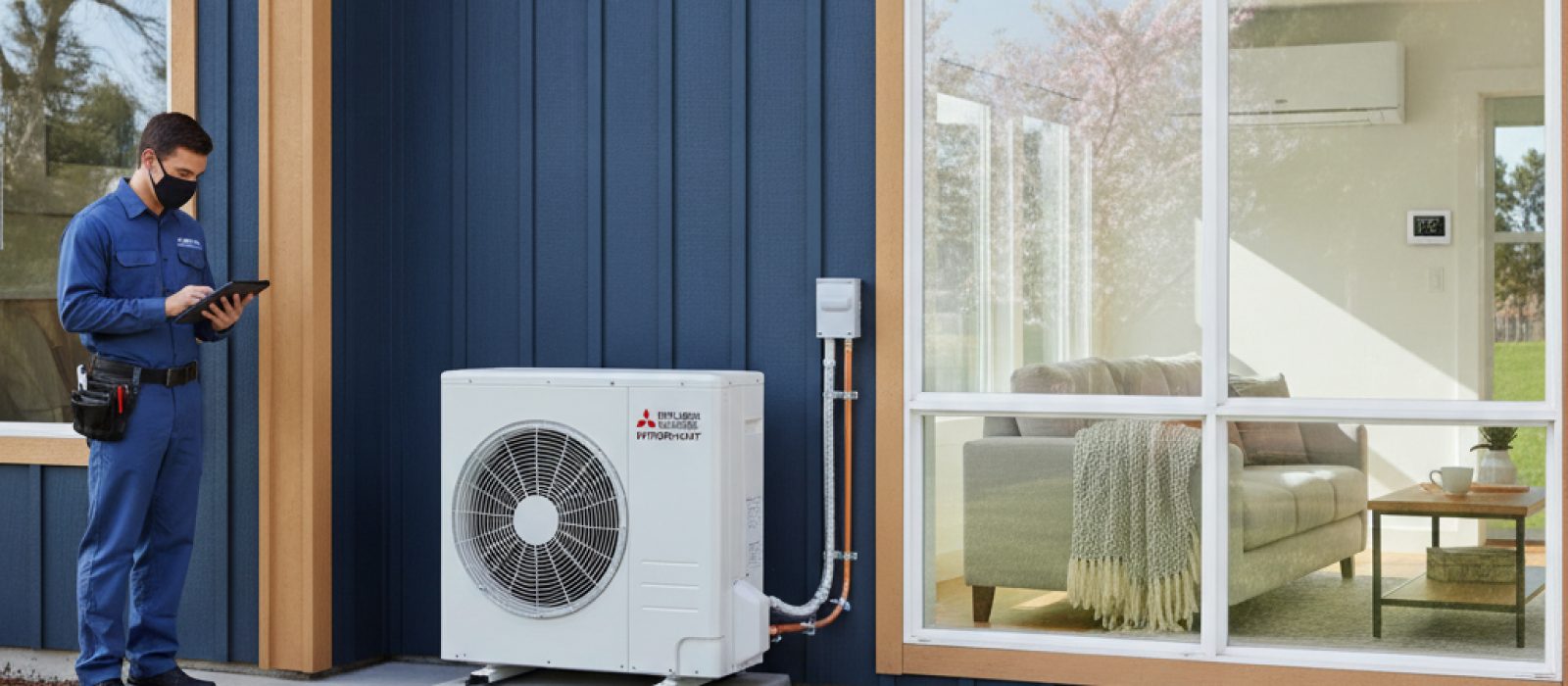
A comprehensive look at Mitsubishi mini-split technology and Hyper-Heat performance for year-round climate control in U.S. homes.

A comprehensive guide to understanding Daikin HVAC systems, including model tiers, standard maintenance requirements, and factory warranty coverage.
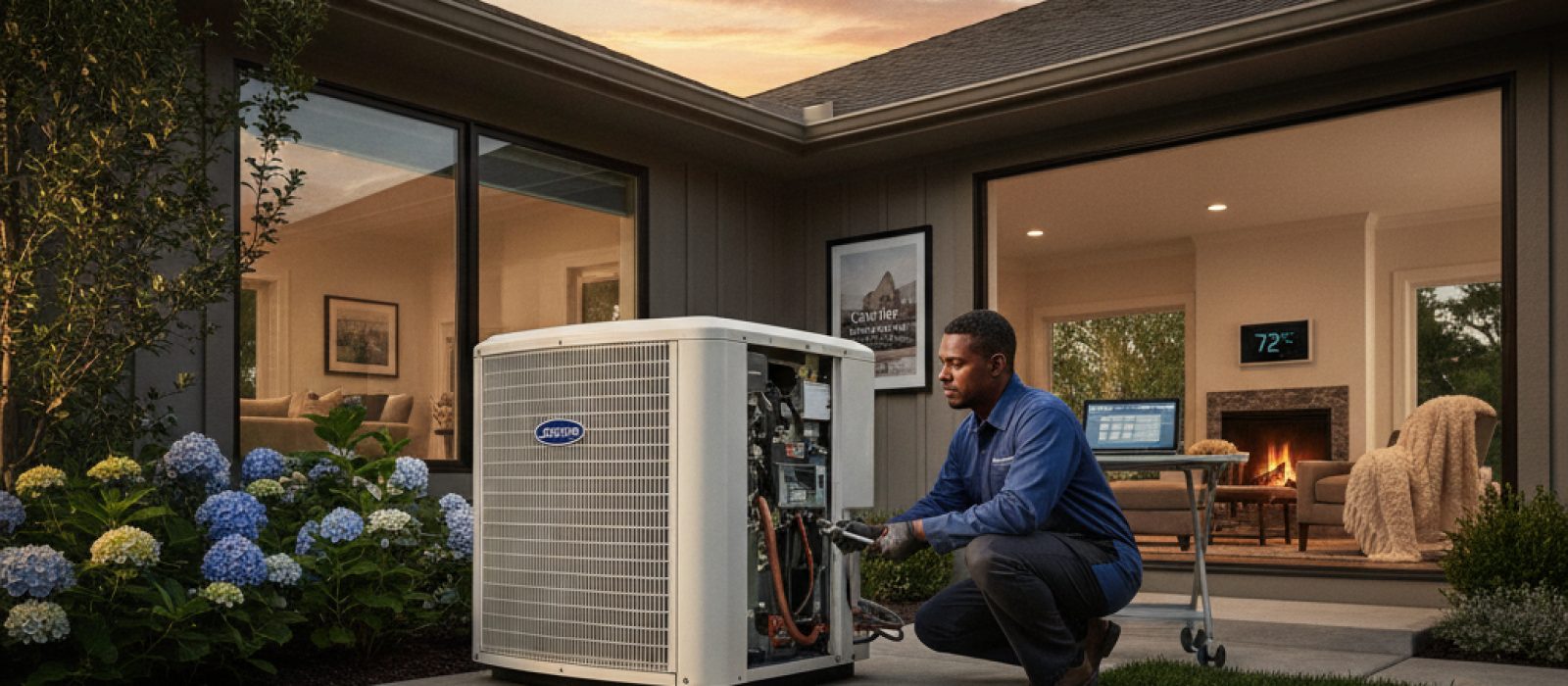
A comprehensive guide to understanding Carrier air conditioning systems, efficiency ratings, installation factors, and maintenance requirements.
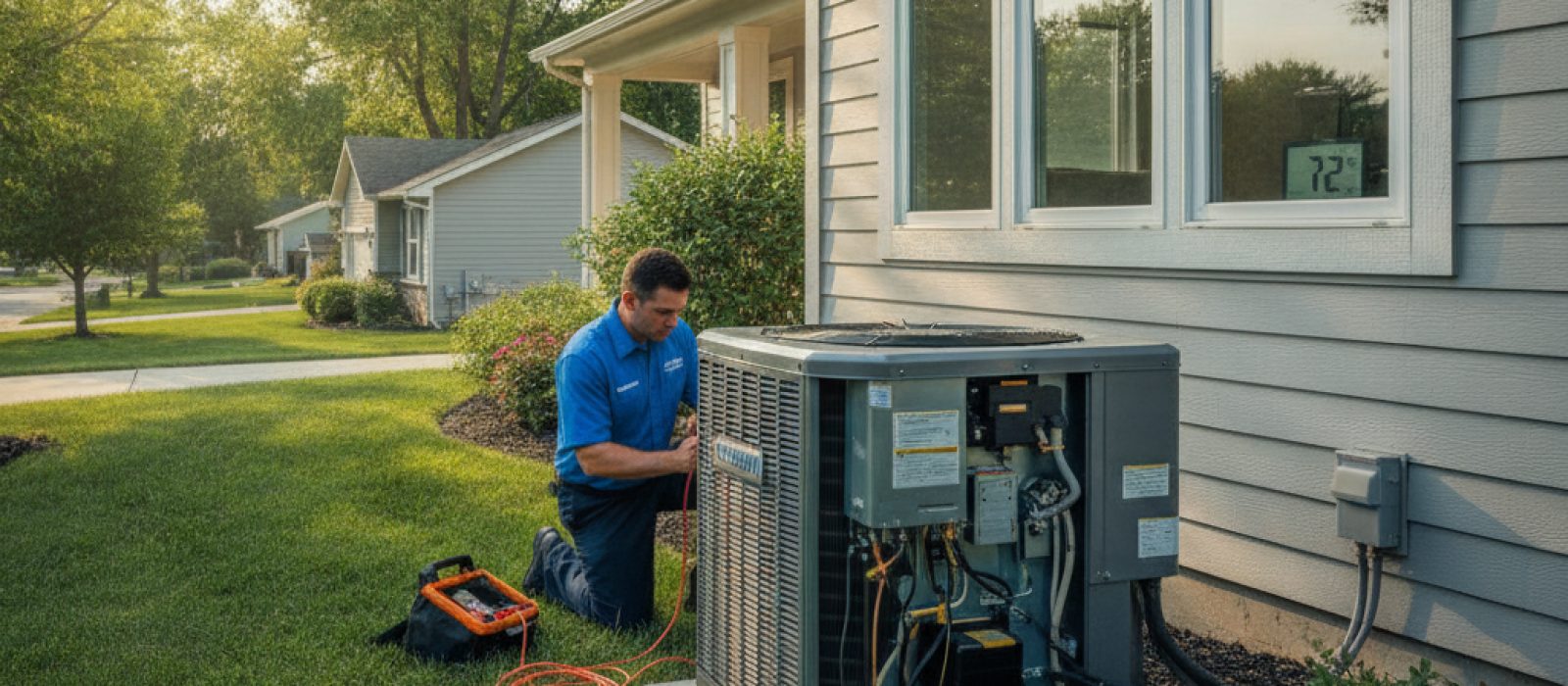
An objective look at Goodman HVAC systems, covering performance, longevity, and what homeowners should know before choosing a budget-friendly cooling solution.
A guide to understanding Trane residential cooling systems, including component integration and maintenance requirements for homeowners.
Be the first to comment.